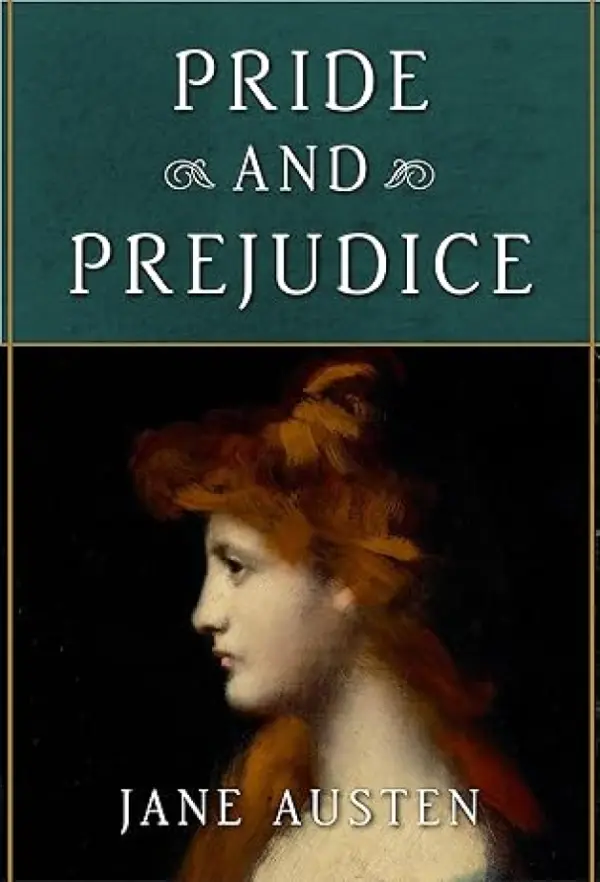
Pride & Prejudice
Jane Austen
Average Goodreads rating4.3
- Enemies to Lovers
- Forbidden Romance

Book trope · 10 books
At its heart, Love vs Duty is the conflict between what a character wants and what they believe they owe. To their country, their family, their honour, their god.
More about the Love vs Duty trope6 are tagged with Love vs Duty individually. The others belong to a series tagged with it, which doesn’t mean every book in it features the trope, so they’re marked “Matched via its series”.
Updating books…
10 books found
Jane Austen
Average Goodreads rating4.3

M. L. Wang
Average Goodreads rating4.4
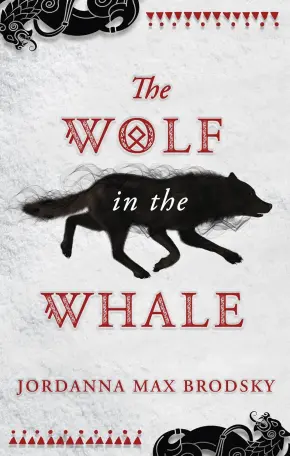
Jordanna Max Brodsky
Average Goodreads rating4.4
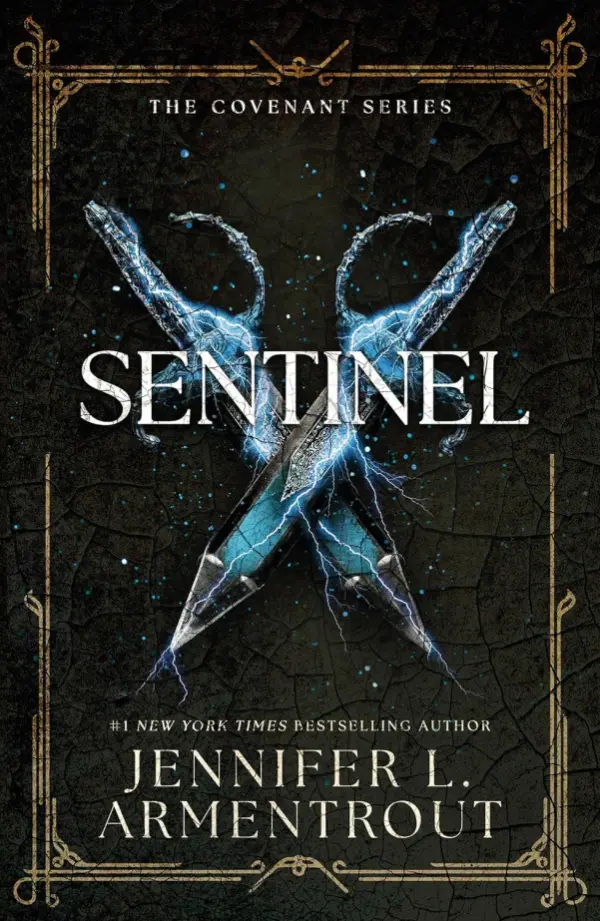
Jennifer L. Armentrout
Covenant, book 5
Average Goodreads rating4.4
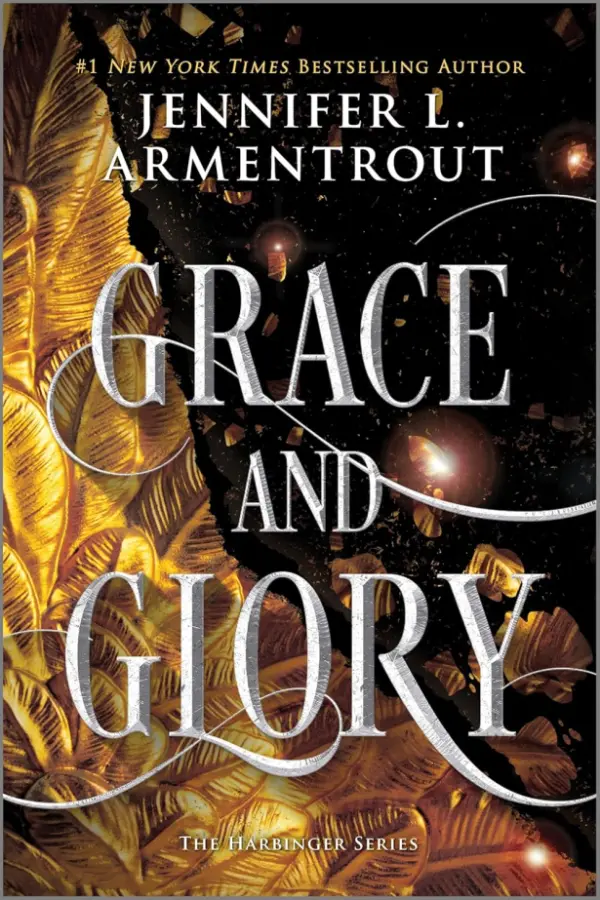
Jennifer L. Armentrout
Harbinger, book 3
Average Goodreads rating4.4
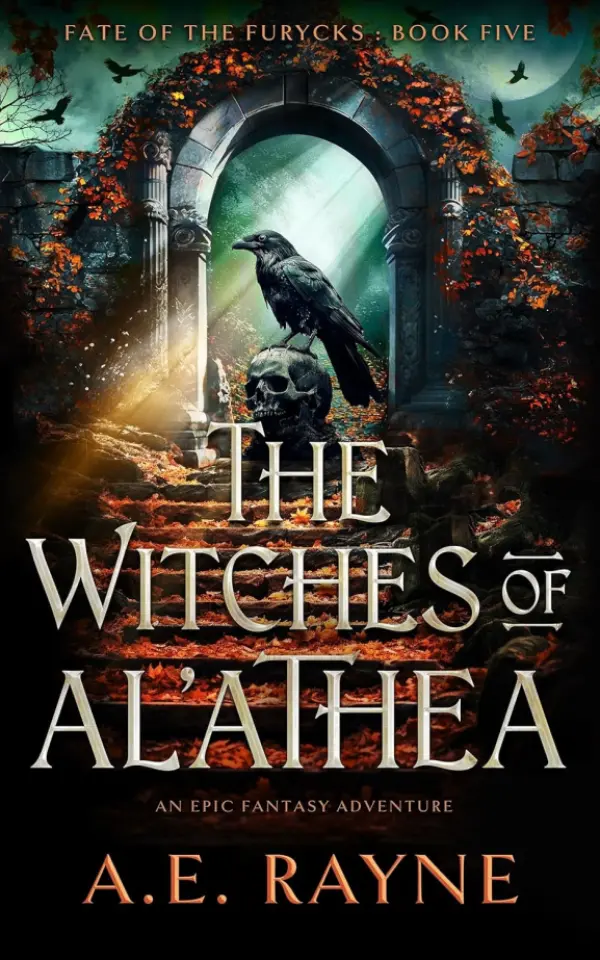
A. E. Rayne
Fate of the Furycks, book 5
Average Goodreads rating4.7

Stephanie Garber
Caraval, book 1
Average Goodreads rating4.2
Matched via its series

Stephanie Garber
Caraval, book 3
Average Goodreads rating4.4
Matched via its series

Stephanie Garber
Caraval, book 2
Average Goodreads rating4.3
Matched via its series

Stephanie Garber
Caraval, book 4
Average Goodreads rating3.8
Matched via its series
Tropes that share the most books with Love vs Duty
At its heart, Love vs Duty is the conflict between what a character wants and what they believe they owe. To their country, their family, their honour, their god. The two things pull in opposite directions, and the character — caught squarely in the middle — must decide which they can actually live with. It's one of the oldest tensions in storytelling, and it hasn't lost an ounce of its power.
Readers are drawn to it because the stakes feel genuinely impossible. There's no clean answer. Choosing love can mean betrayal, exile, or catastrophic consequence. Choosing duty can mean a hollow, loveless existence — or worse, watching someone else suffer for your sacrifice. The best versions of this trope refuse to let the character off lightly either way.
The trope works when both sides of the conflict are real. If duty is merely a flimsy obstacle — a disapproving parent, a minor inconvenience — it doesn't carry weight. What makes Love vs Duty resonate is when the obligation is legitimate. A kingdom that genuinely needs its heir. A vow made in good faith. A war that only one person is positioned to end. The reader has to feel the pull of both, not just root for love to win by default.
Character interiority matters enormously here. We need to be inside the protagonist's head as they wrestle with the choice — the guilt, the longing, the moments where they nearly give in one direction before snapping back. External plot pressure helps, but the real drama lives in the internal negotiation.
The trope appears across fantasy and romance in a striking range of forms. In epic fantasy, it often takes on a political dimension: the crown princess who falls for the enemy general, or the soldier whose loyalty to a cause begins to fracture against their feelings for someone on the other side. The personal and the political are braided together until they're nearly inseparable.
In historical romance, social duty tends to dominate — expectations of rank, family legacy, arranged marriages — which gives the trope a particular kind of claustrophobia. The constraints are social rather than magical, but they're no less binding. Contemporary romance pulls the same thread through modern pressures: career obligations, family caregiving, cultural expectations. The costume changes, the tension doesn't.
There's also a darker variation in which duty isn't external pressure but internalised belief. A character who genuinely thinks they don't deserve love, or that their purpose is larger than personal happiness. These versions tend to be the most emotionally devastating, because the conflict isn't them against the world — it's them against themselves.
Love vs Duty persists because it asks a question most readers have quietly asked themselves: what would I sacrifice, and for whom? It isn't an abstract philosophical puzzle — it's deeply personal, dressed up in armour or ballgowns or battle maps. The trope holds a mirror to the reader's own loyalties and compromises, which is exactly why it hits so hard when it's done well.
When a character finally makes their choice — whatever it is — and owns it fully, that moment carries a weight few other narrative beats can match.
Occasional emails with new recommendations, series news and trope round-ups.