Pride & Prejudice
Jane Austen
Average Goodreads rating4.3
- Enemies to Lovers
- Forbidden Romance

Book trope · 31 books
They should not work. Everything about them points in different directions - backgrounds, temperaments, values, the way they move through the world and the assumptions they carry about how it operates.
More about the Opposites Attract trope16 are tagged with Opposites Attract individually. The others belong to a series tagged with it, which doesn’t mean every book in it features the trope, so they’re marked “Matched via its series”.
Updating books…
31 books found
Jane Austen
Average Goodreads rating4.3
Ali Hazelwood
Average Goodreads rating4.1
Emily Henry
Average Goodreads rating4.1
Emily Henry
Average Goodreads rating4.2
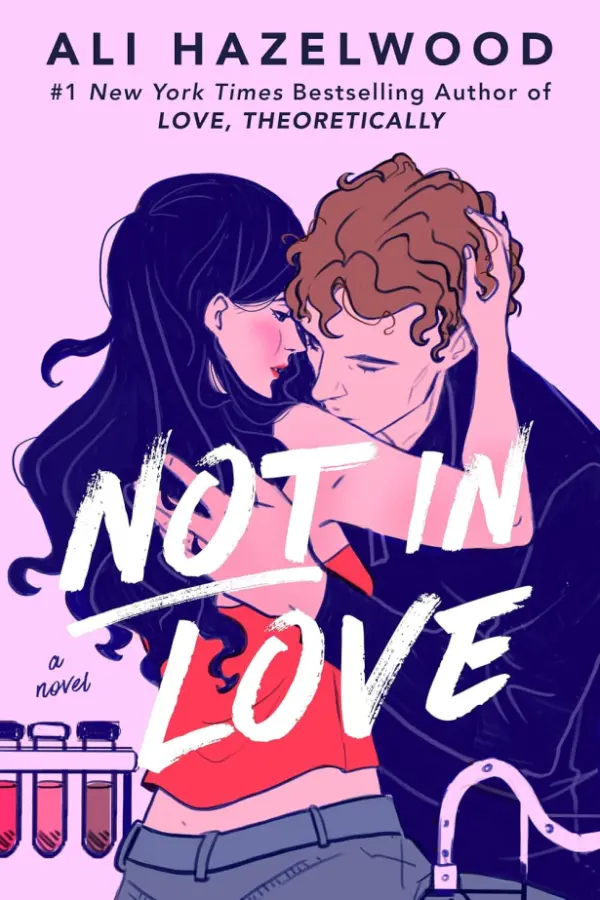
Ali Hazelwood
Average Goodreads rating3.6
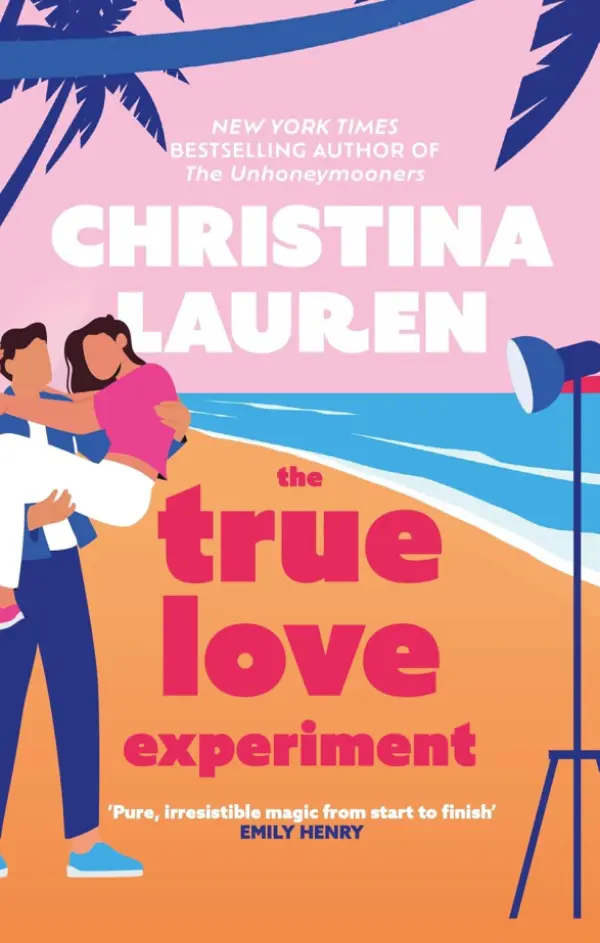
Christina Lauren
Average Goodreads rating4.1
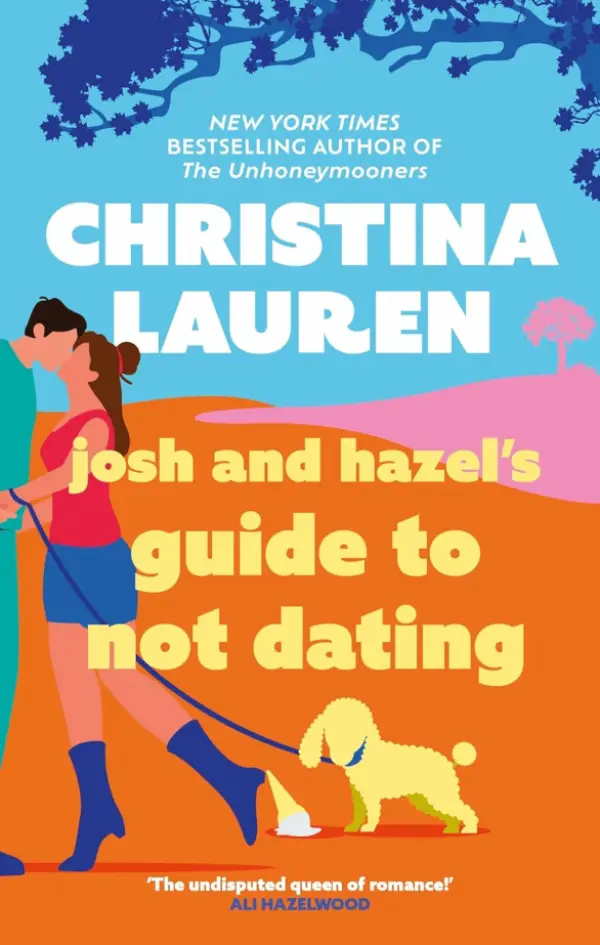
Christina Lauren
Average Goodreads rating3.9
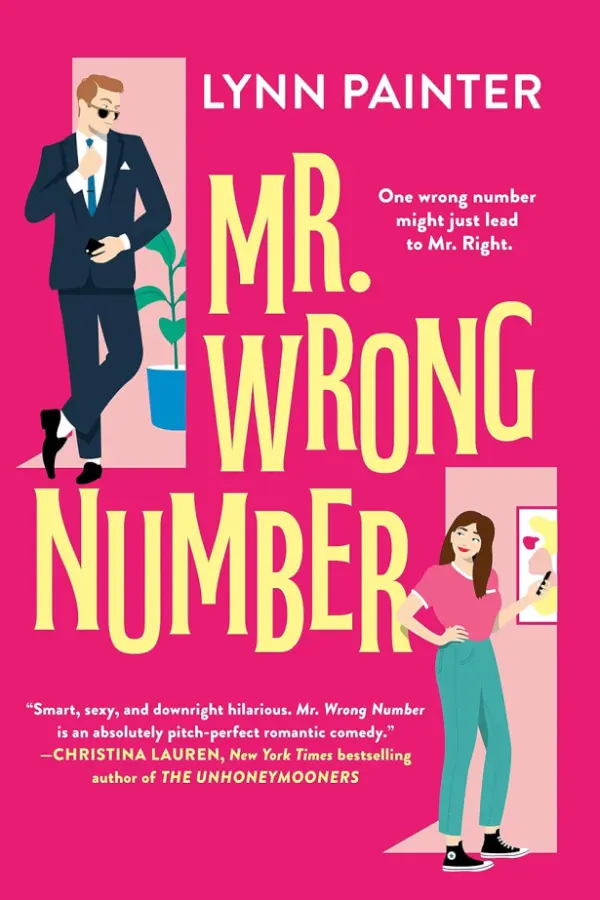
Lynn Painter
Average Goodreads rating3.7
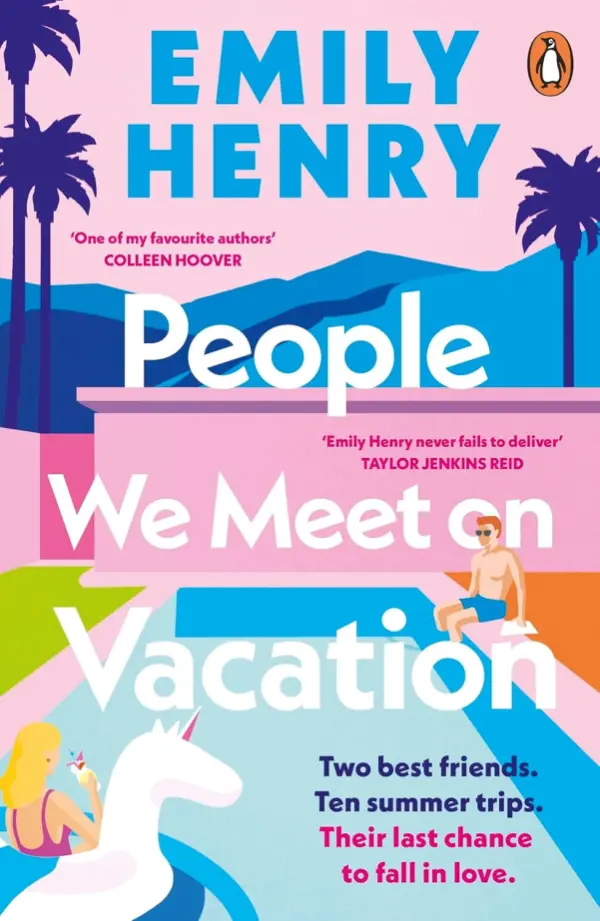
Emily Henry
Average Goodreads rating4.1
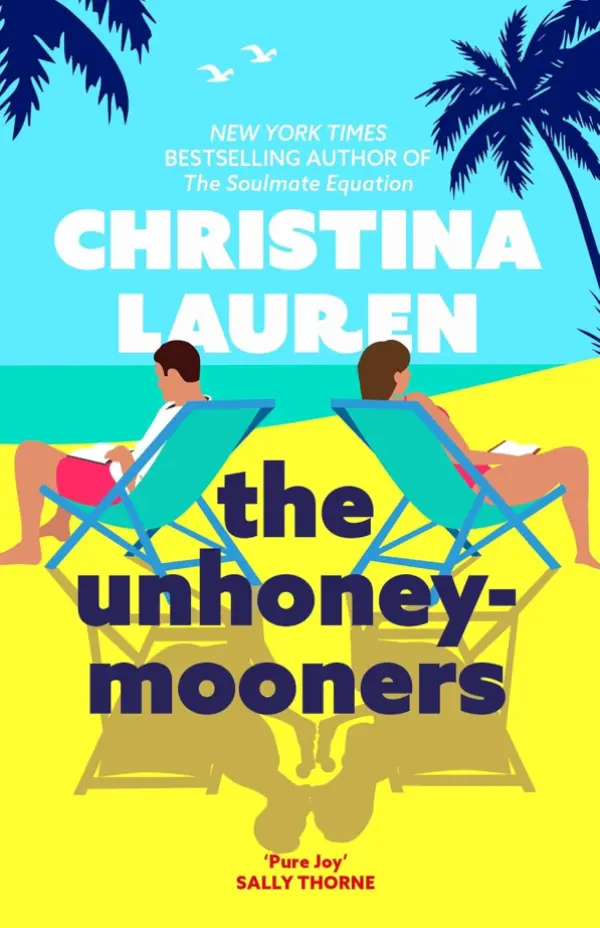
Christina Lauren
Average Goodreads rating4.3
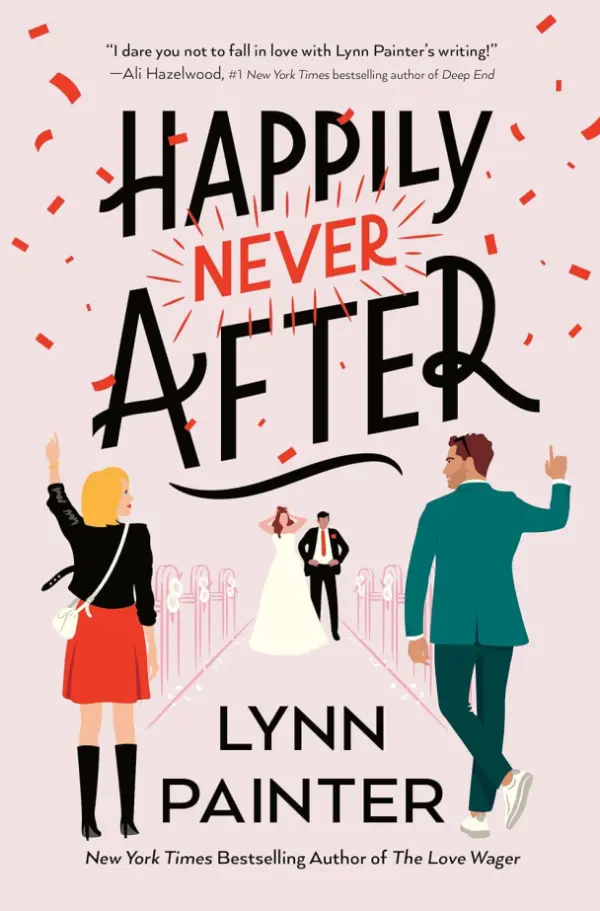
Lynn Painter
Average Goodreads rating3.7
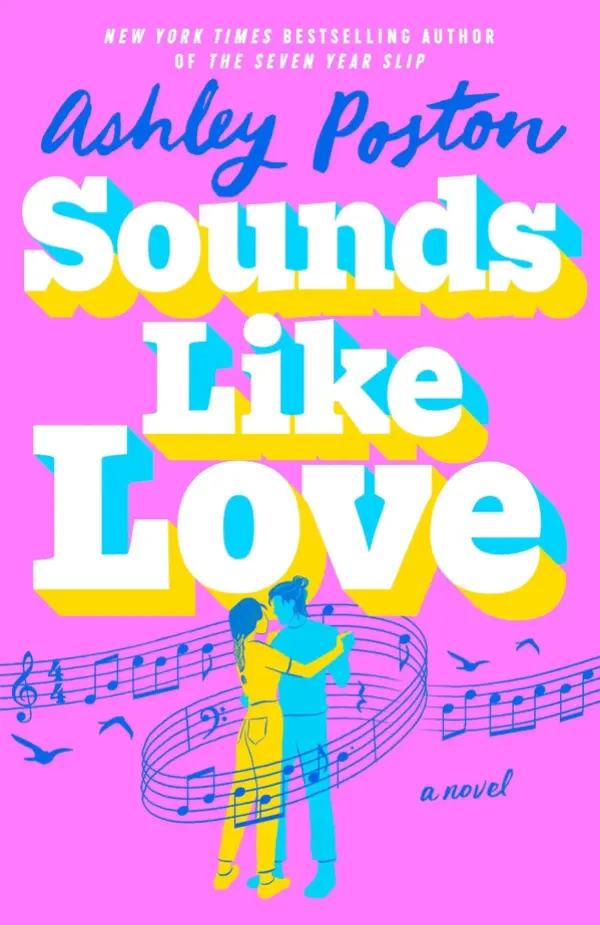
Ashley Poston
Average Goodreads rating3.8
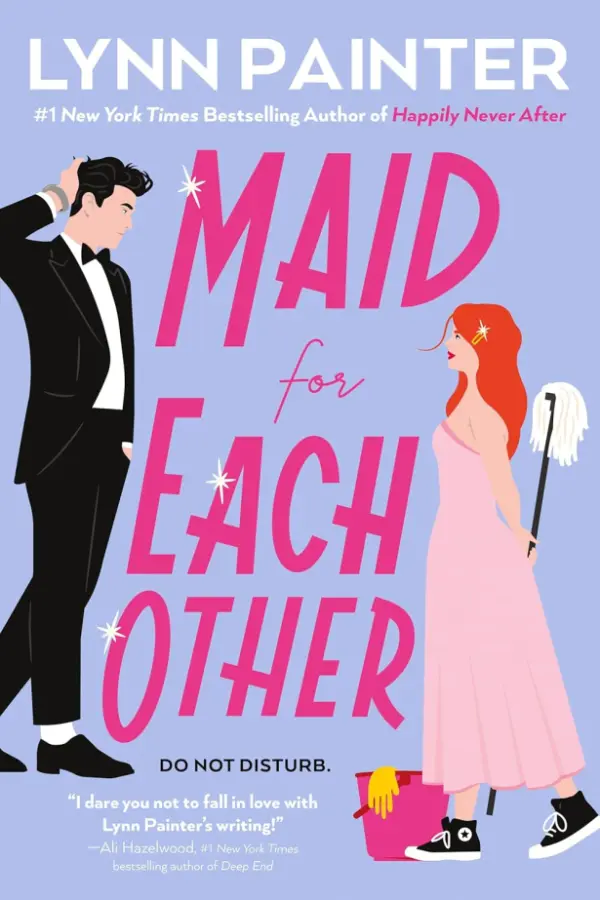
Lynn Painter
Average Goodreads rating3.7
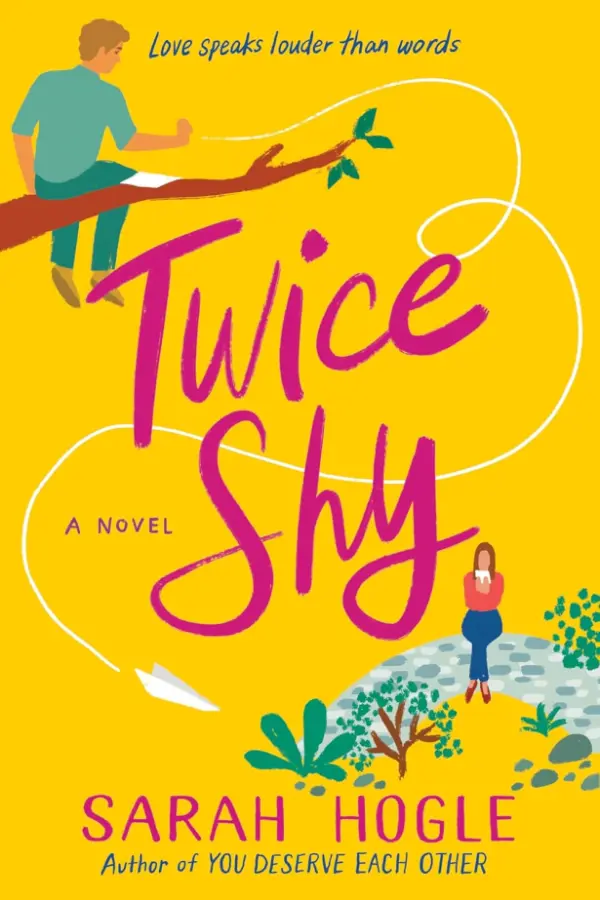
Sarah Hogle
Average Goodreads rating3.6
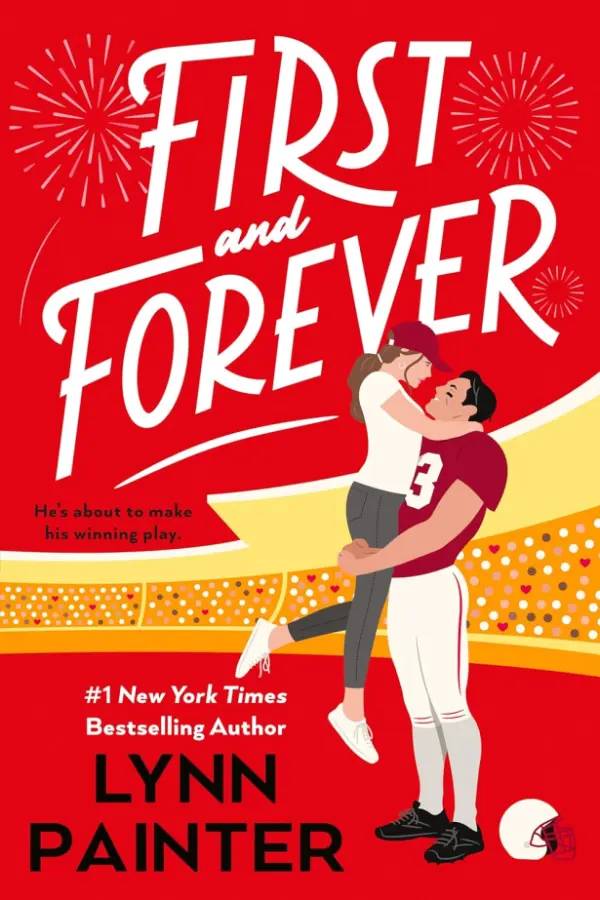
Lynn Painter
Average Goodreads rating3.8
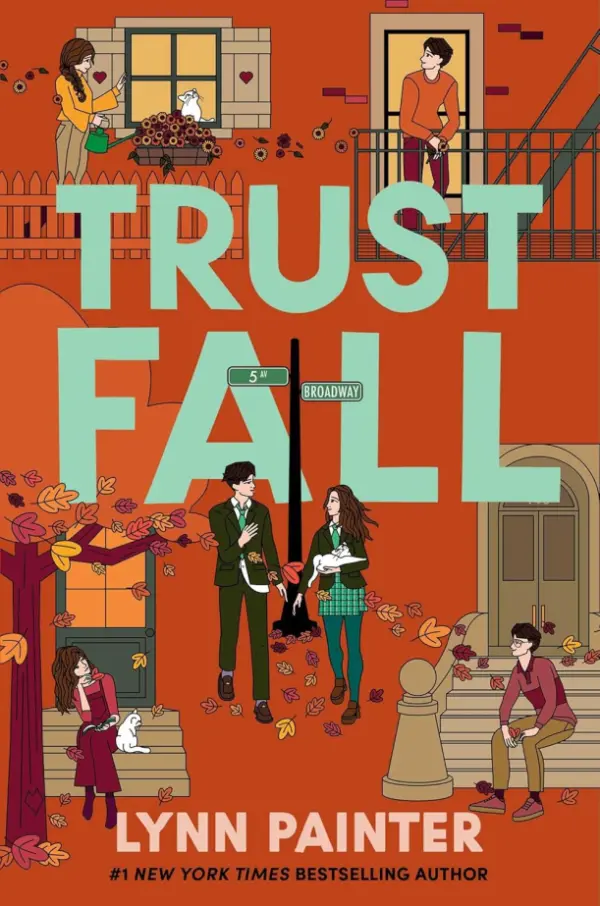
Lynn Painter
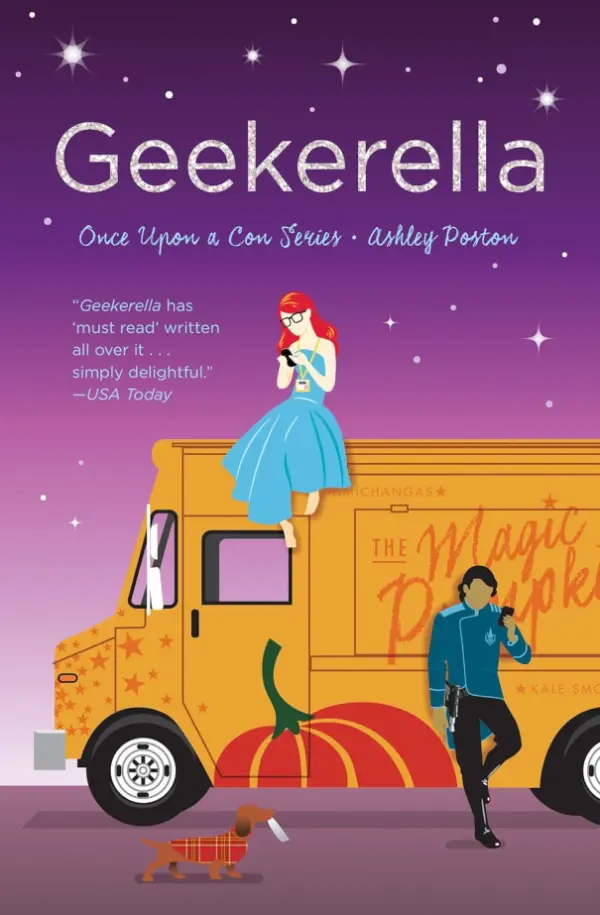
Ashley Poston
Once Upon A Con, book 1
Average Goodreads rating3.9
Matched via its series
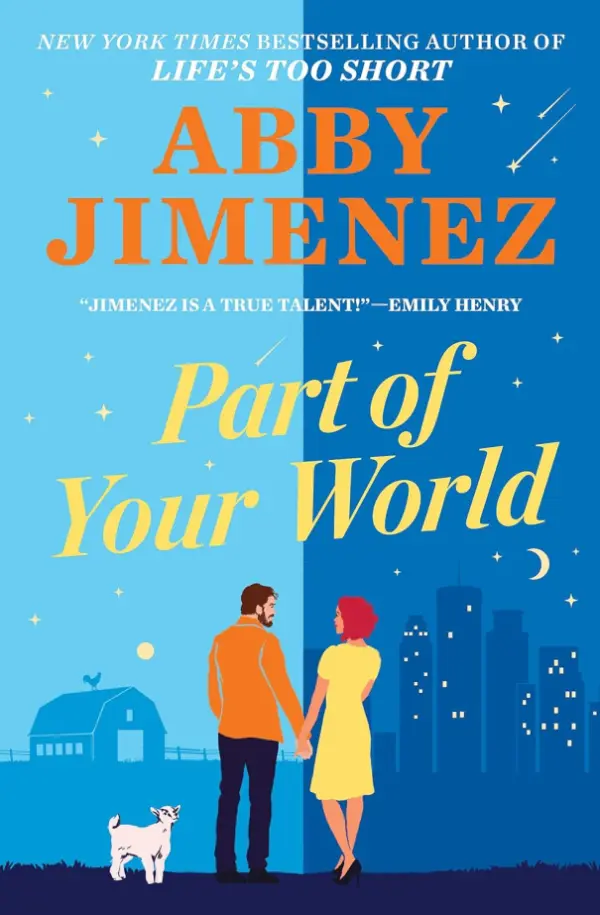
Abby Jimenez
Part of Your World, book 1
Average Goodreads rating4.3
Matched via its series
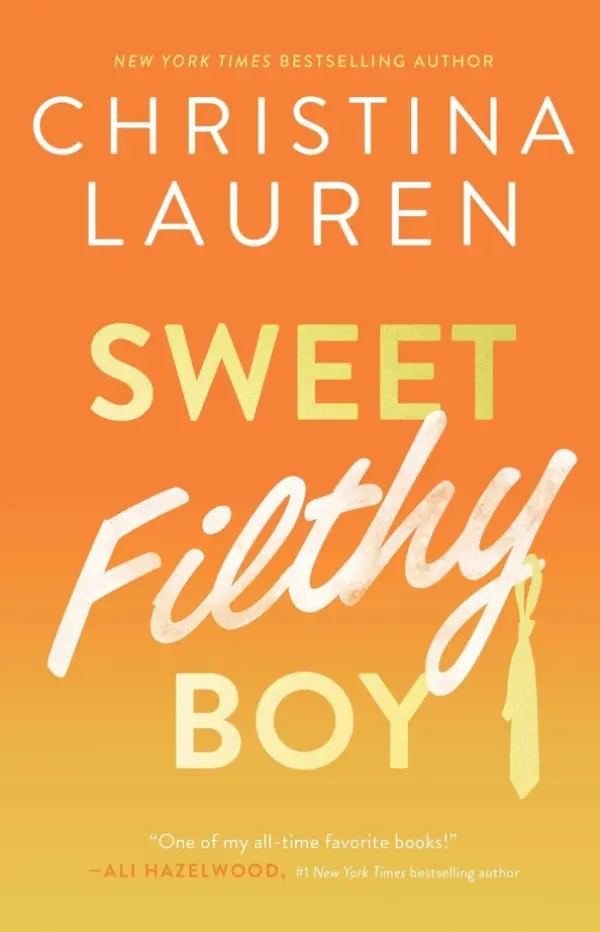
Christina Lauren
Wild Seasons, book 1
Average Goodreads rating3.9
Matched via its series
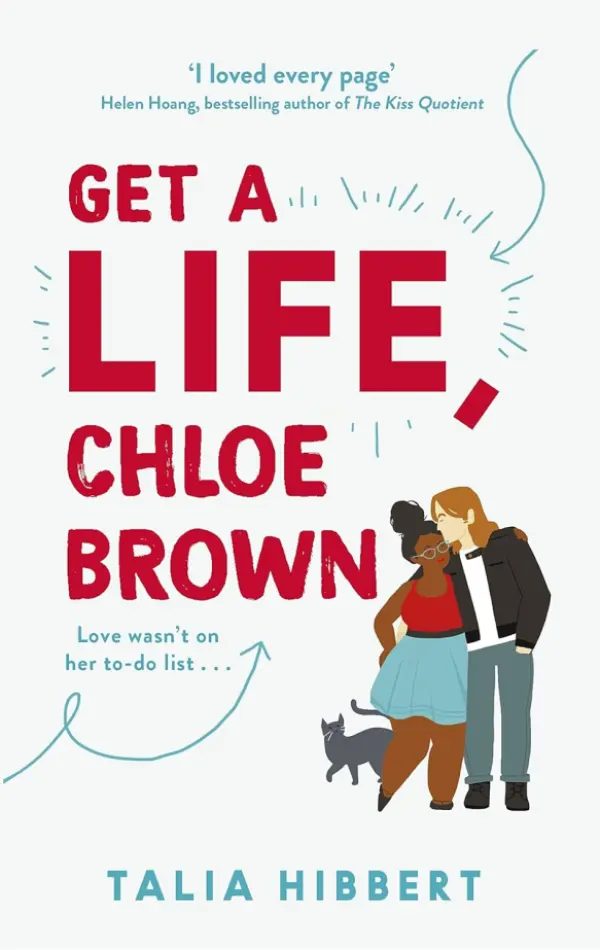
Talia Hibbert
The Brown Sisters, book 1
Average Goodreads rating4.2
Matched via its series
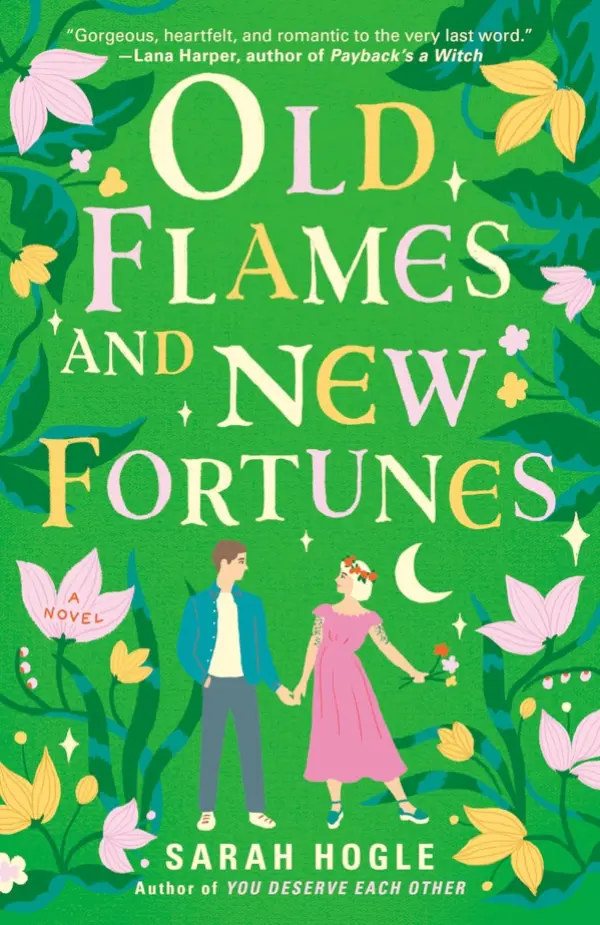
Sarah Hogle
Moonville, book 1
Average Goodreads rating3.5
Matched via its series

Abby Jimenez
Part of Your World, book 3
Average Goodreads rating4.5
Matched via its series
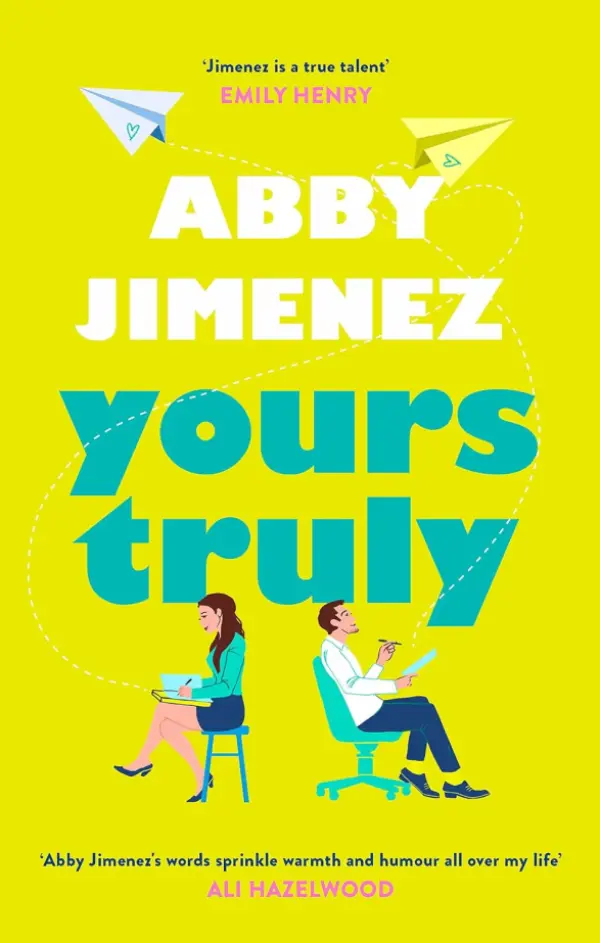
Abby Jimenez
Part of Your World, book 2
Average Goodreads rating4.4
Matched via its series
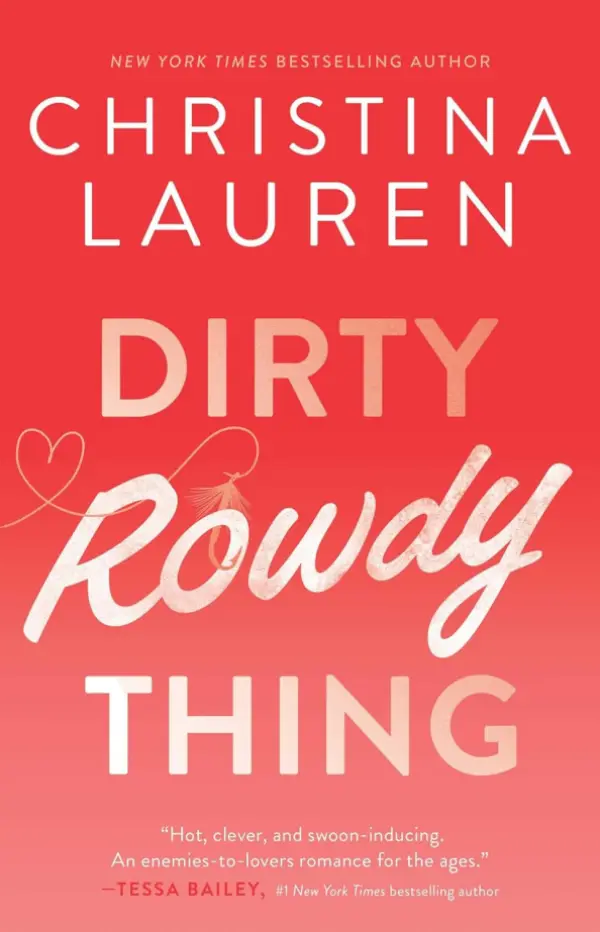
Christina Lauren
Wild Seasons, book 2
Average Goodreads rating4.1
Matched via its series
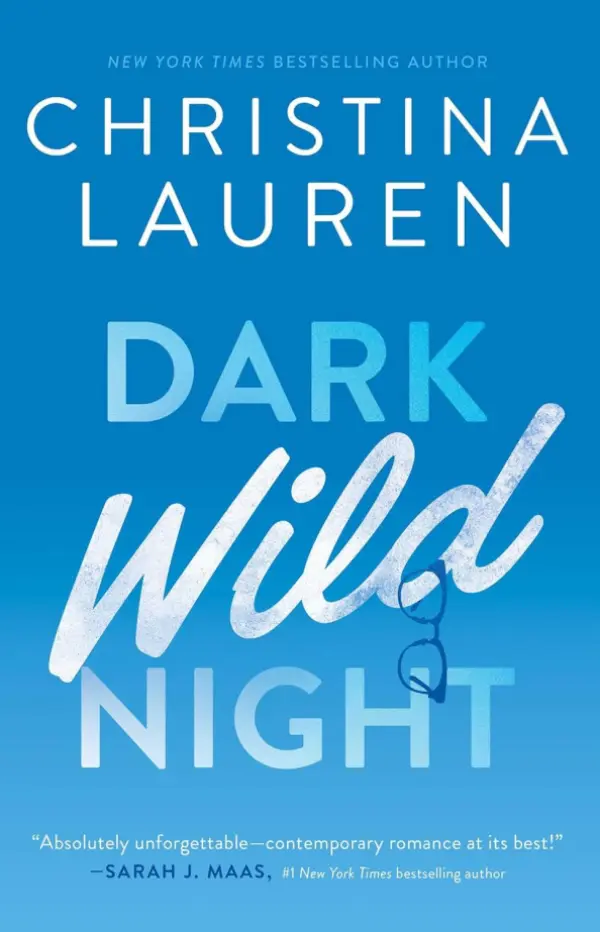
Christina Lauren
Wild Seasons, book 3
Average Goodreads rating3.9
Matched via its series
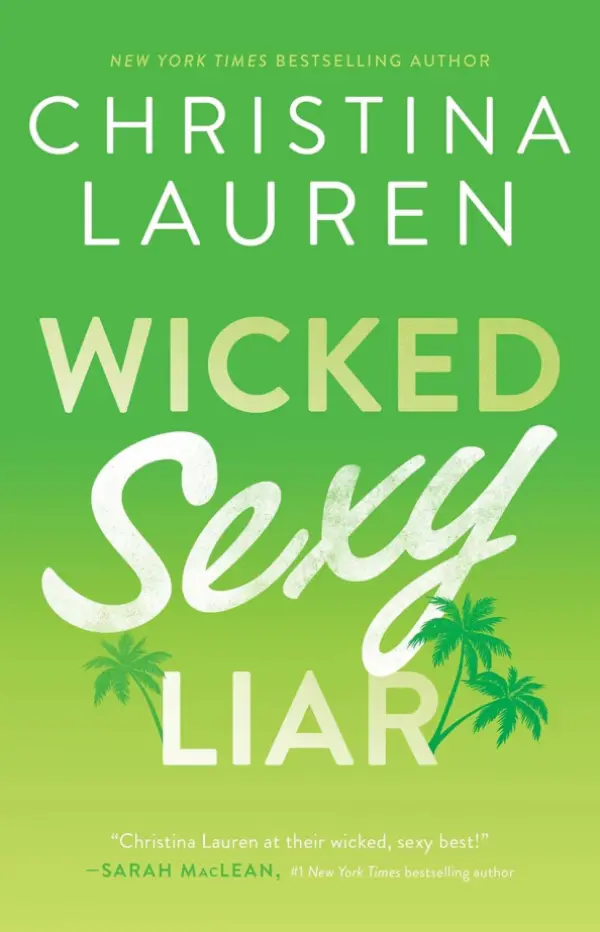
Christina Lauren
Wild Seasons, book 4
Average Goodreads rating4.1
Matched via its series
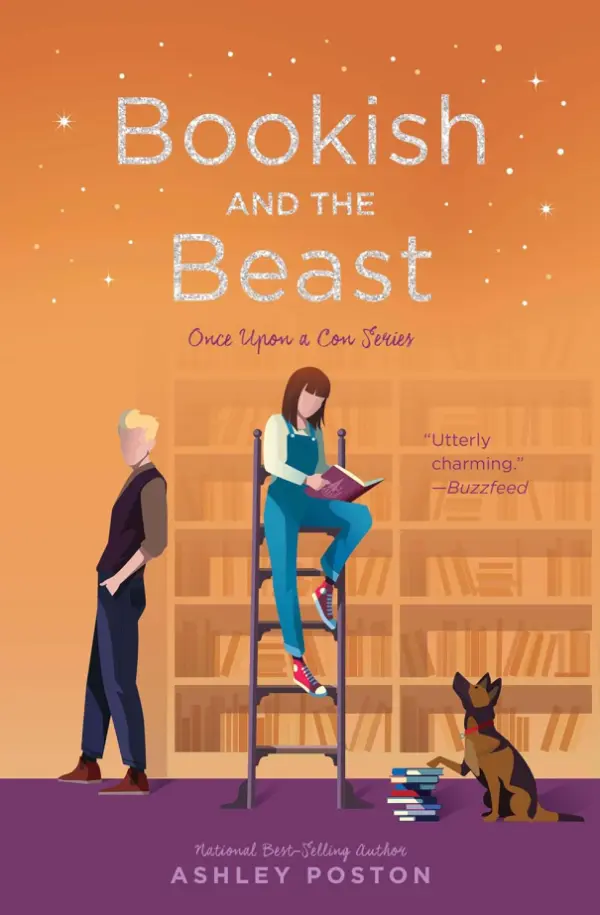
Ashley Poston
Once Upon A Con, book 3
Average Goodreads rating3.7
Matched via its series
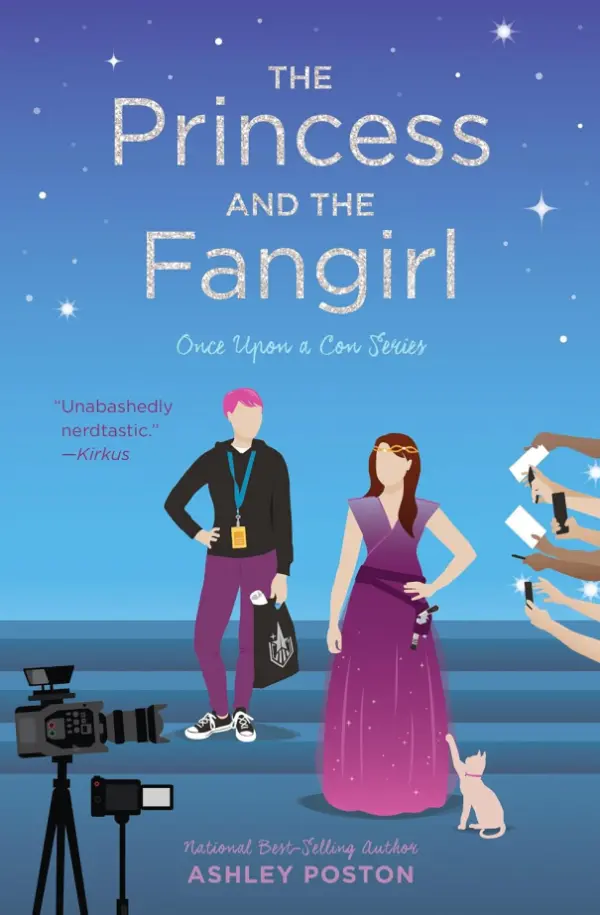
Ashley Poston
Once Upon A Con, book 2
Average Goodreads rating3.7
Matched via its series
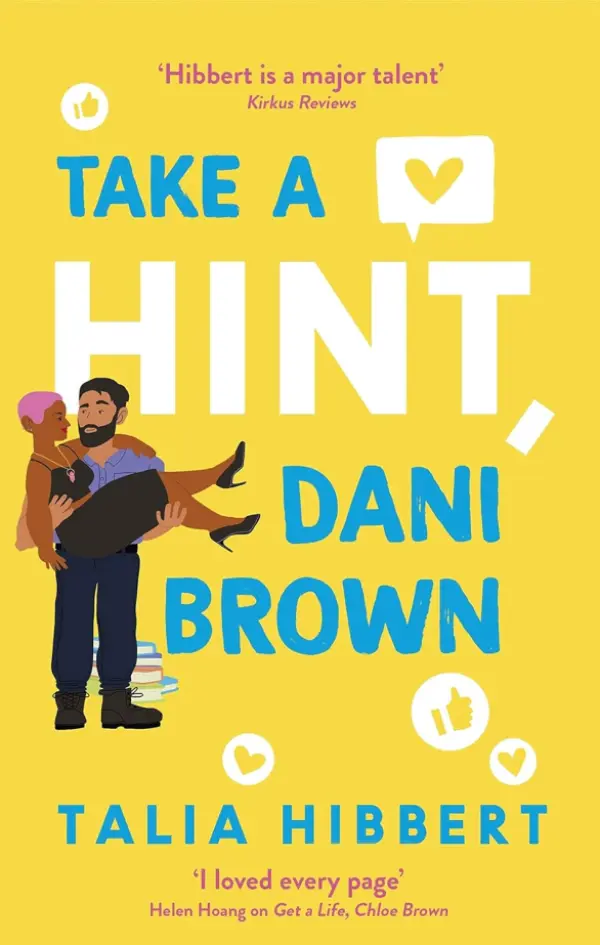
Talia Hibbert
The Brown Sisters, book 2
Average Goodreads rating4.3
Matched via its series
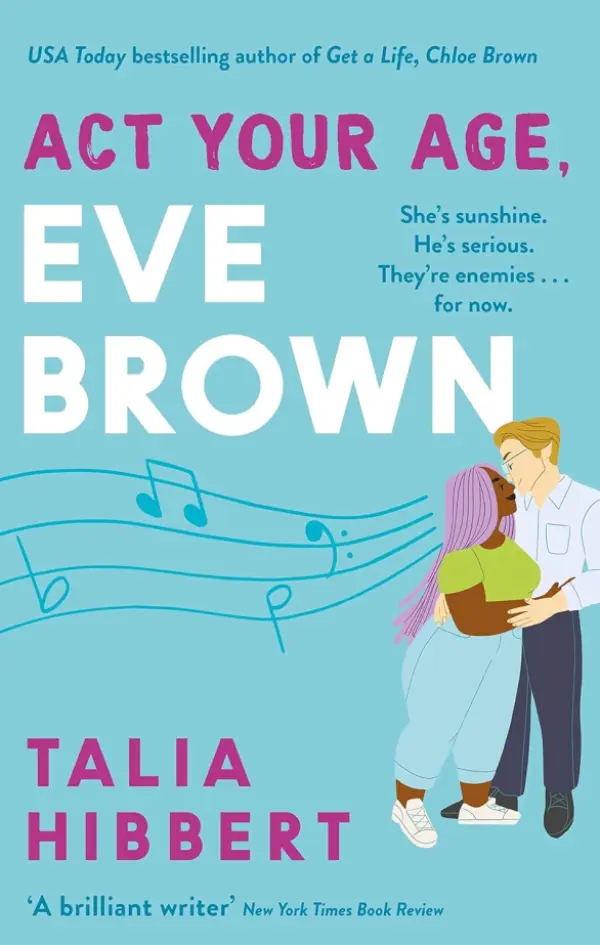
Talia Hibbert
The Brown Sisters, book 3
Average Goodreads rating4.4
Matched via its series
Tropes that share the most books with Opposites Attract
They should not work. Everything about them points in different directions - backgrounds, temperaments, values, the way they move through the world and the assumptions they carry about how it operates. One is meticulous; the other is impulsive. One lives by rules; the other treats rules as suggestions. One has built careful walls; the other knocks on every door they pass. On paper, the pairing makes no sense. And yet the story insists on it - because the Opposites Attract trope understands something that logic does not always account for: that the person least like you is sometimes the one who sees you most clearly, and that the friction of genuine difference can generate a heat that compatibility never quite manages.
Opposites Attract is defined by a central pairing - romantic, platonic, or somewhere in the complicated middle - where the characters' differences are not merely surface-level but genuinely structural. They approach the world from opposing directions, and those opposing directions create both conflict and, eventually, connection. What defines it as a trope rather than simply a character contrast is the way the difference drives the relationship: the characters cannot be neutral about each other, because everything about them invites a reaction. The friction is constant, specific, and loaded with something neither party is entirely ready to name. Their opposition is not an obstacle to the relationship. It is the relationship's engine.
There is something deeply compelling about watching two people who seem wrong for each other discover that the wrongness is, in fact, the point. The Opposites Attract trope works because it dramatises a truth that most readers have encountered in some form: that the people who challenge your assumptions, who refuse to simply confirm what you already believe about yourself and the world, are often the ones who change you most. Readers are drawn to the specific tension this pairing generates - the push and pull of two strong, distinct personalities in close proximity - and to the question of whether what exists between them is antagonism or attraction, and whether those two things are as different as the characters would like them to be.
These stories tend to begin in conflict - genuine, specific conflict rooted in the characters' actual differences rather than manufactured misunderstanding. The opposition is real, and for a significant portion of the narrative it is entirely reasonable. What shifts is not the characters' fundamental natures but their understanding of each other: the moment when the quality that most irritated them is revealed to be the same quality that most impresses them, seen from a different angle. Progress tends to be nonlinear - two steps toward understanding, one step back into old assumptions - and the relationship is at its most interesting in the middle, when both characters are beginning to suspect they were wrong about each other but are not yet ready to admit it.
The Opposites Attract trope endures because it is, at heart, a story about what it means to be genuinely known by someone who has no reason to be generous with you - someone who sees your flaws clearly because your flaws are the first thing they noticed, and who chooses you anyway. That is a more demanding form of acceptance than the kind that comes easily, and fiction that stages it honestly earns its emotional resolution. The opposites do not stop being opposite. They do not sand each other down into comfortable compatibility. They simply find, somewhere in the friction, something worth holding onto - and decide that the collision was, after all, exactly where they needed to be.
Occasional emails with new recommendations, series news and trope round-ups.