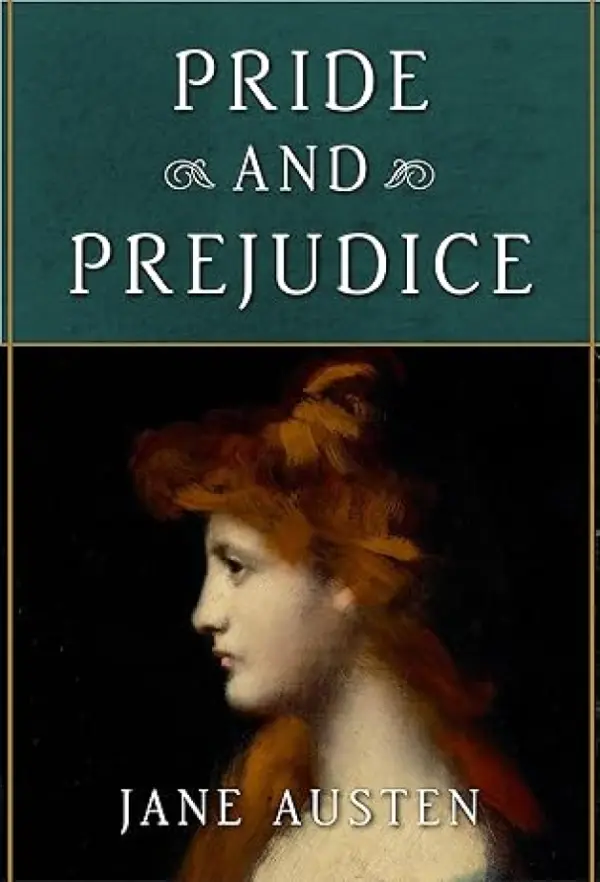
Pride & Prejudice
Jane Austen
Average Goodreads rating4.3
- Forbidden Romance
- Witty Banter & Sharp Dialogue

Book trope · 215 books
Enemies to Lovers is one of romance's most beloved and enduring tropes, transforming antagonism into attraction through a journey of tension, vulnerability, and undeniable chemistry.
More about the Enemies to Lovers trope19 are tagged with Enemies to Lovers individually. The others belong to a series tagged with it, which doesn’t mean every book in it features the trope, so they’re marked “Matched via its series”.
Updating books…
215 books found
Jane Austen
Average Goodreads rating4.3
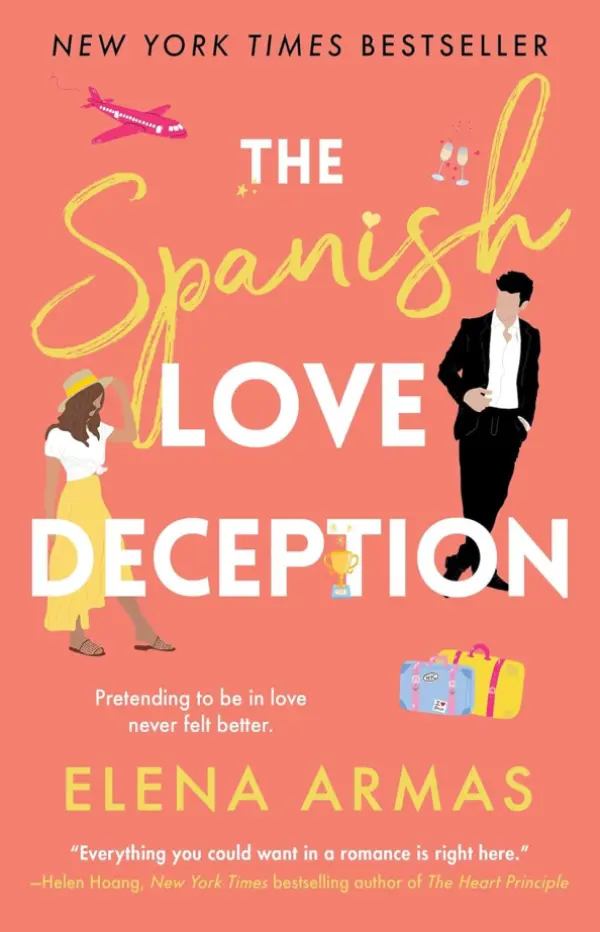
Elena Armas
Average Goodreads rating3.8
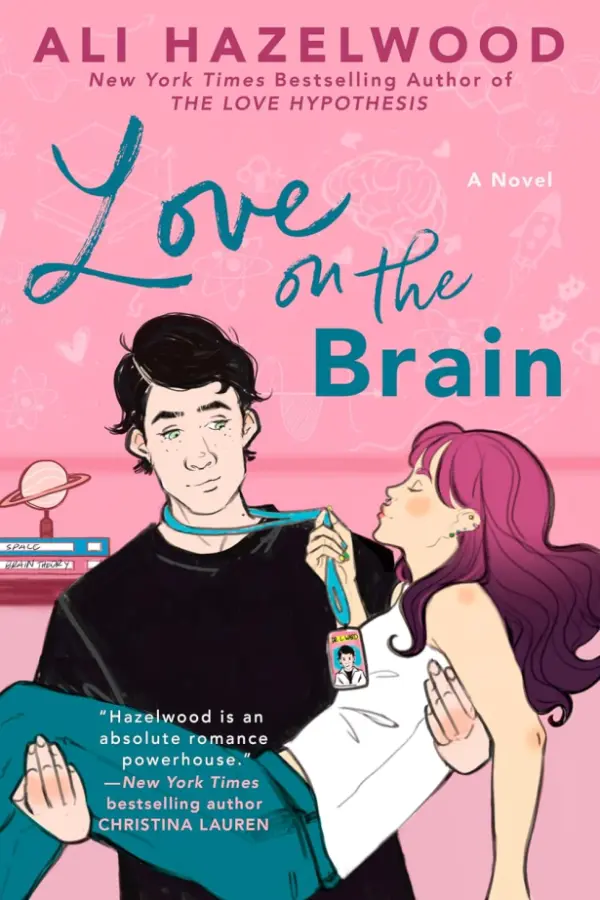
Ali Hazelwood
Average Goodreads rating3.9
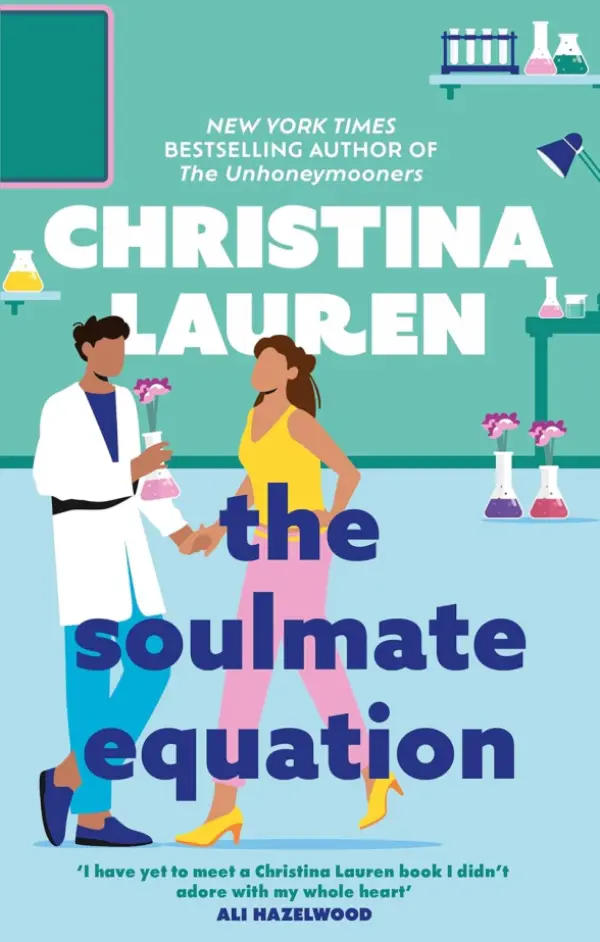
Christina Lauren
Average Goodreads rating4.0
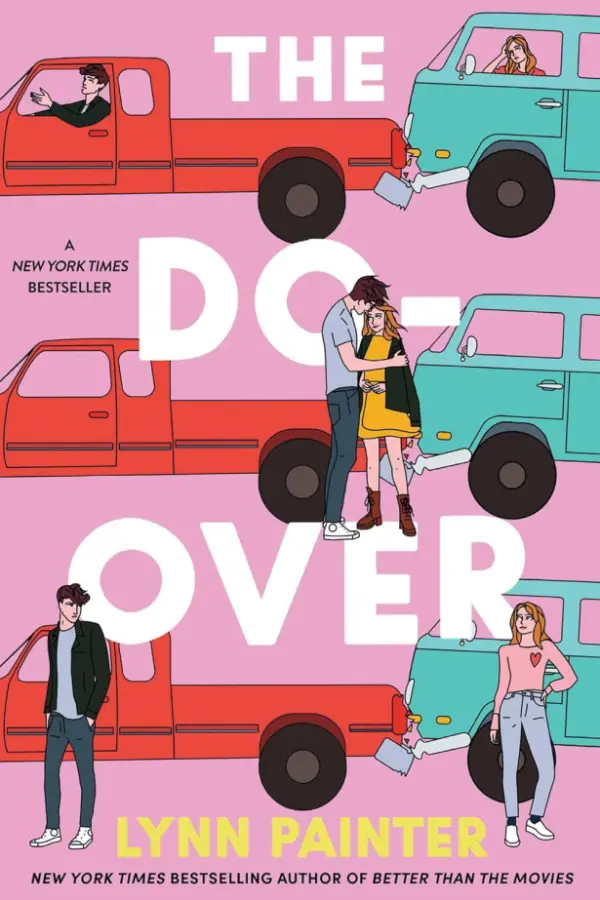
Lynn Painter
Average Goodreads rating3.9
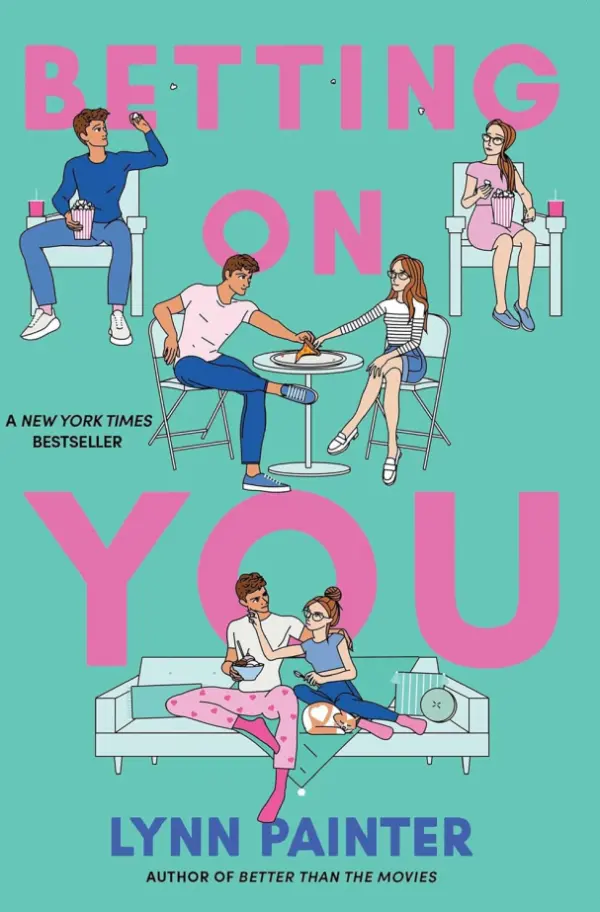
Lynn Painter
Average Goodreads rating4.1
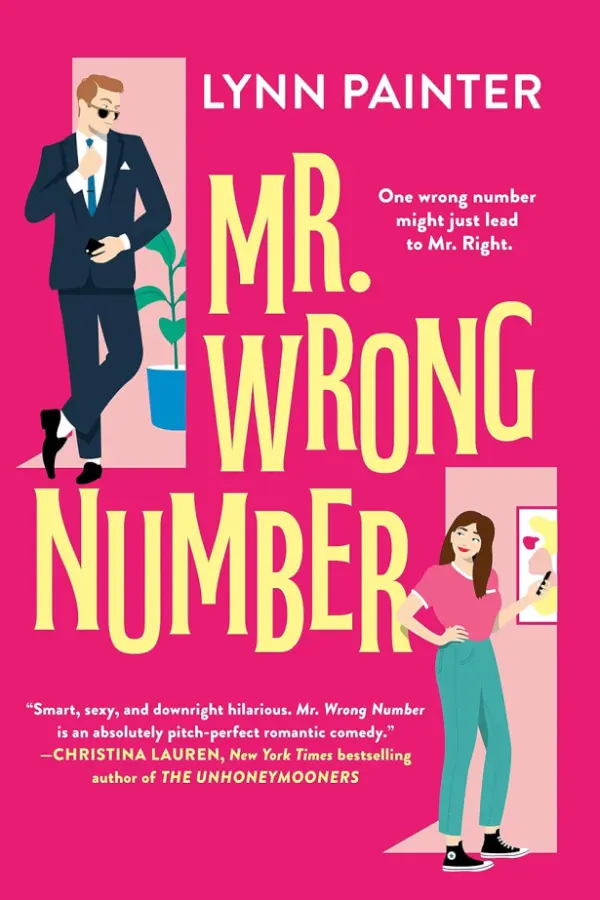
Lynn Painter
Average Goodreads rating3.7
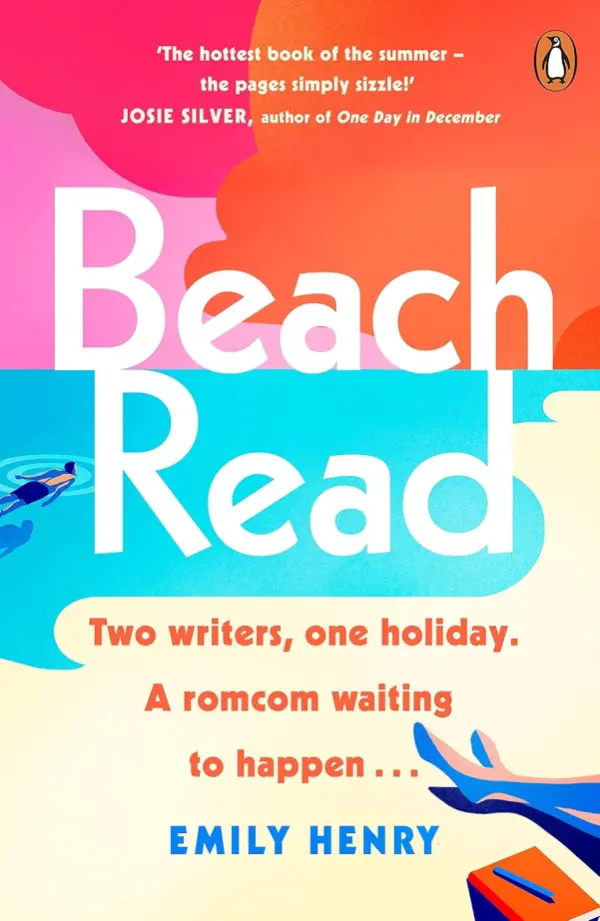
Emily Henry
Average Goodreads rating4.0
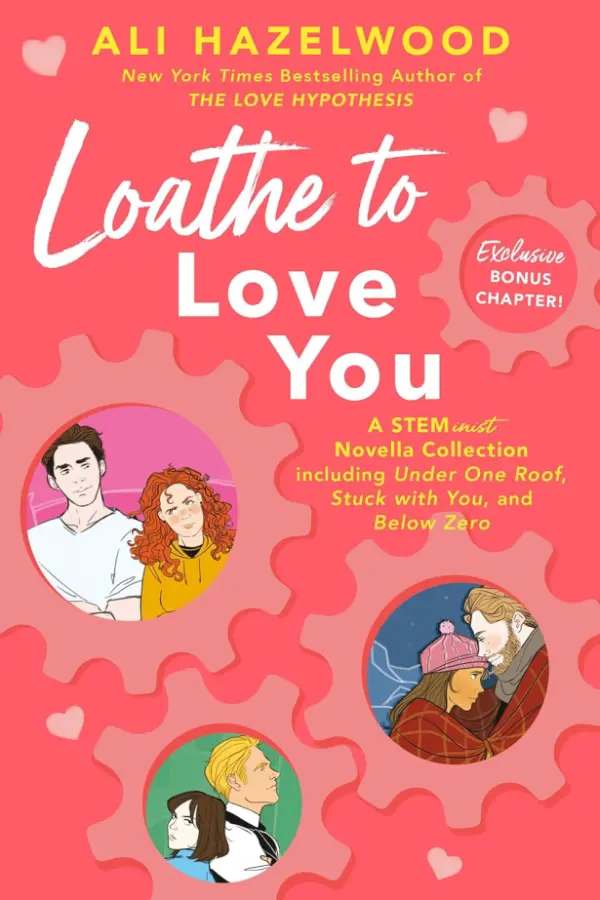
Ali Hazelwood
Average Goodreads rating3.8
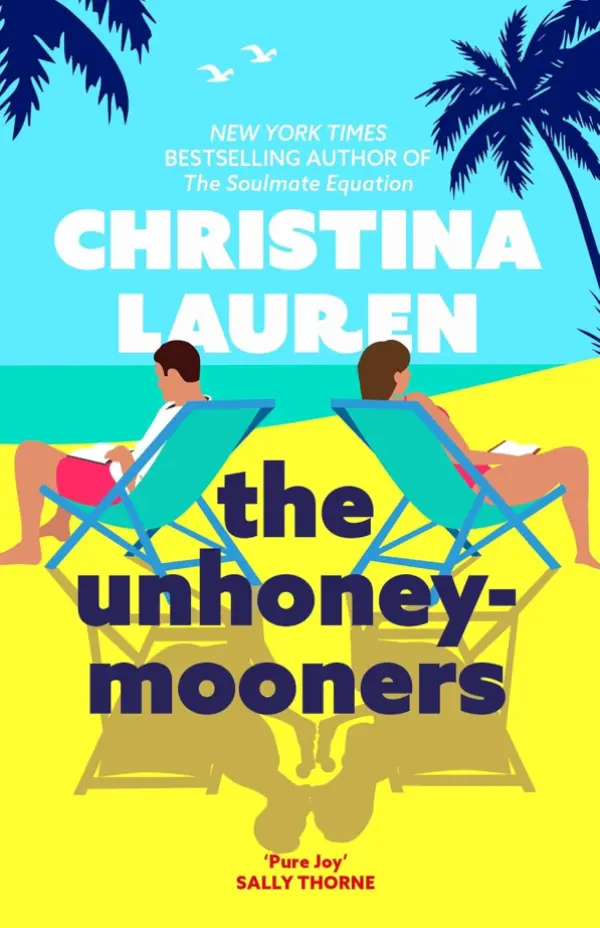
Christina Lauren
Average Goodreads rating4.3
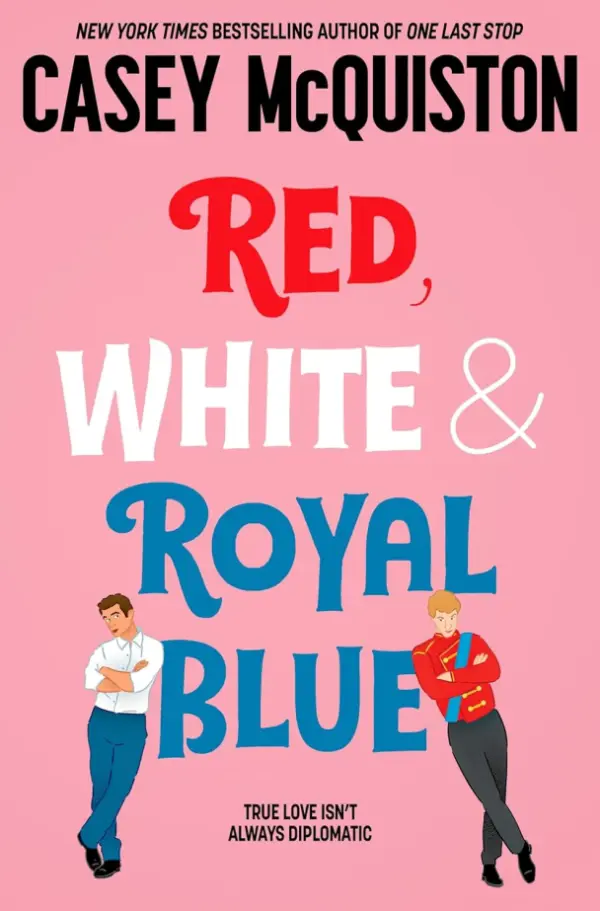
Casey McQuiston
Average Goodreads rating4.5
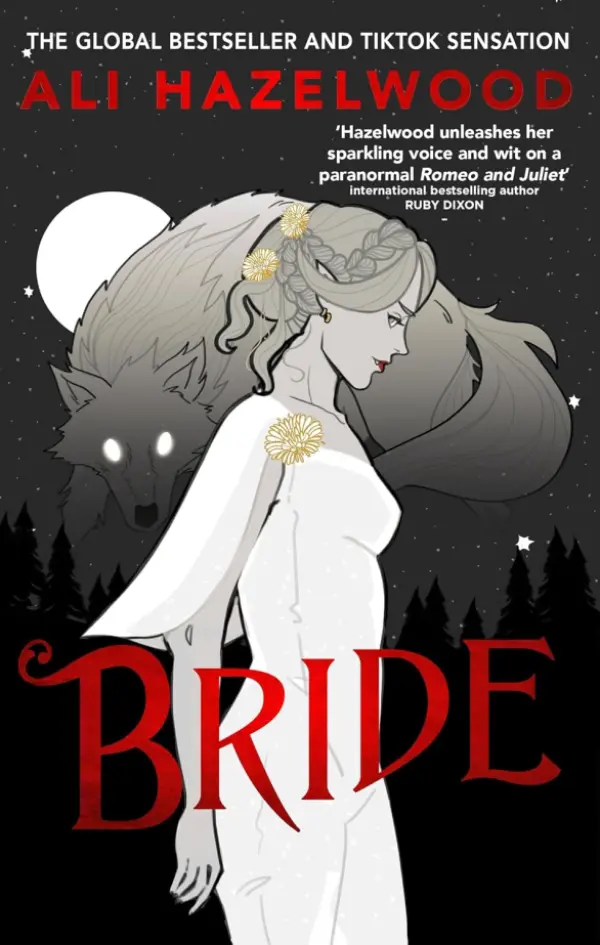
Ali Hazelwood
Average Goodreads rating4.4
Christina Lauren
Average Goodreads rating3.6
Erin Morgenstern
Average Goodreads rating4.3
Sally Thorne
Average Goodreads rating4.4
Sarah Hogle
Average Goodreads rating3.6
Ava Reid
Average Goodreads rating3.9
Lynn Painter
Ashley Poston
Once Upon A Con, book 3
Average Goodreads rating3.7
Lynn Painter
Better Than the Movies, book 1
Average Goodreads rating4.3
Matched via its series

Rebecca Yarros
The Empyrean, book 1
Average Goodreads rating4.8
Matched via its series

Sarah J. Maas
A Court of Thorns and Roses (ACOTAR), book 1
Average Goodreads rating4.5
Matched via its series
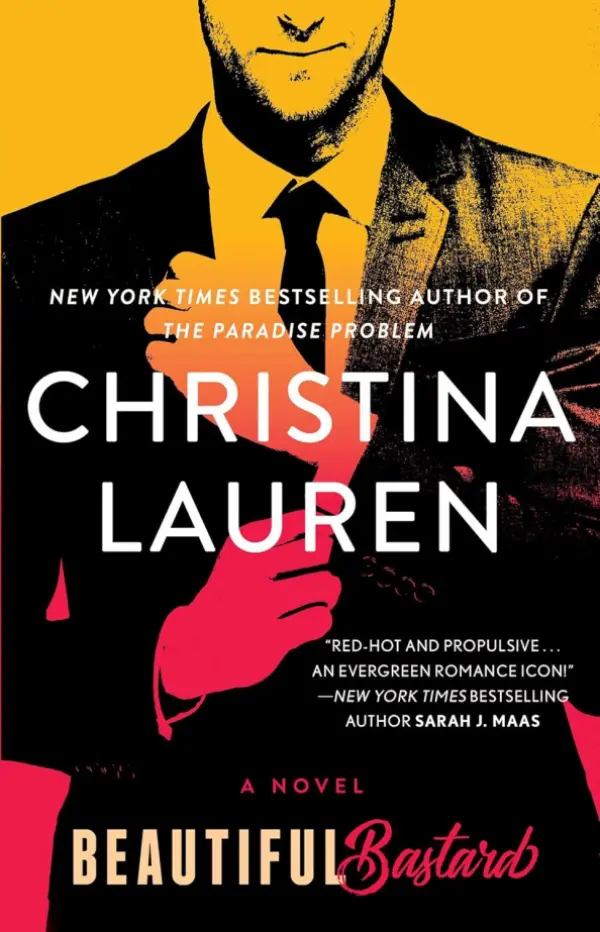
Christina Lauren
Beautiful, book 1
Average Goodreads rating3.9
Matched via its series
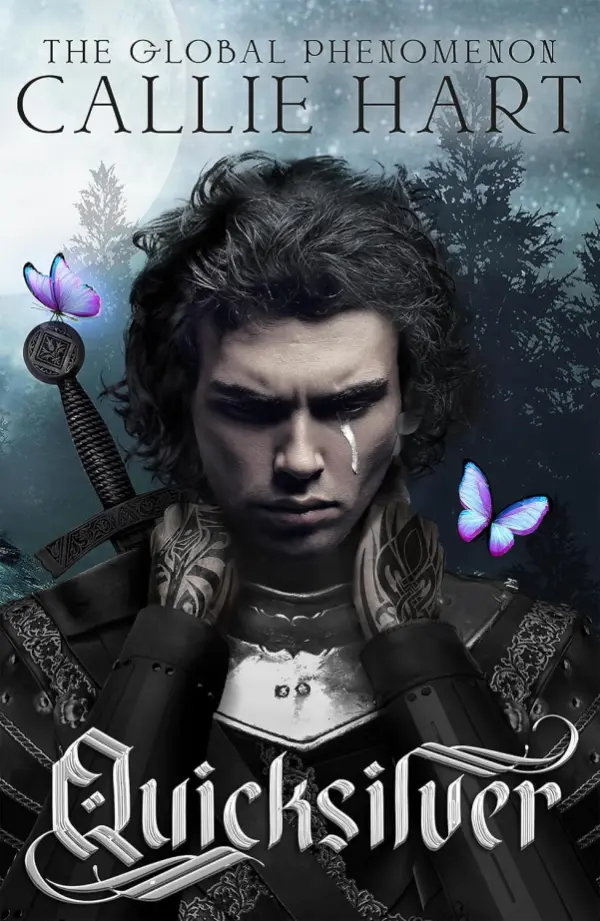
Callie Hart
Fae & Alchemy, book 1
Average Goodreads rating4.6
Matched via its series
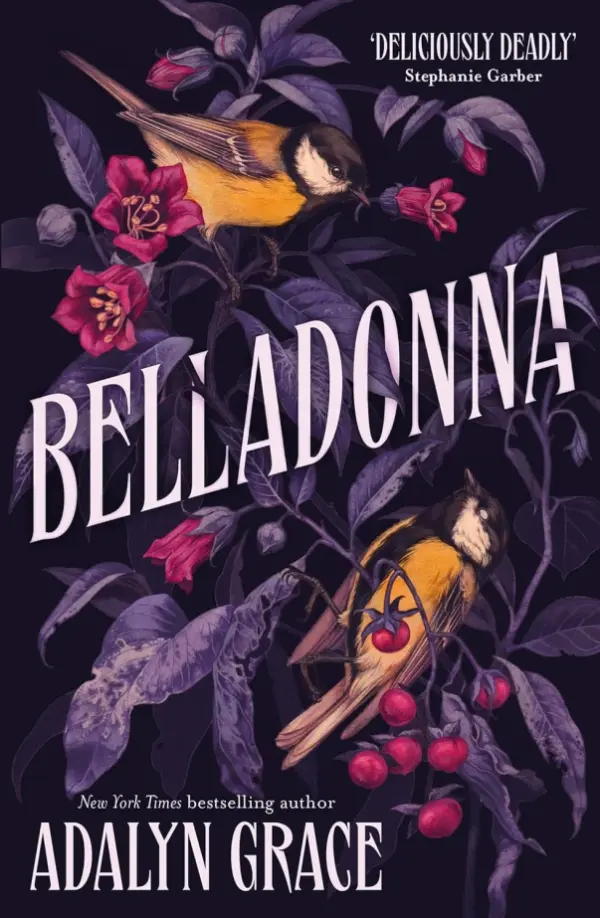
Adalyn Grace
Belladonna, book 1
Average Goodreads rating4.0
Matched via its series
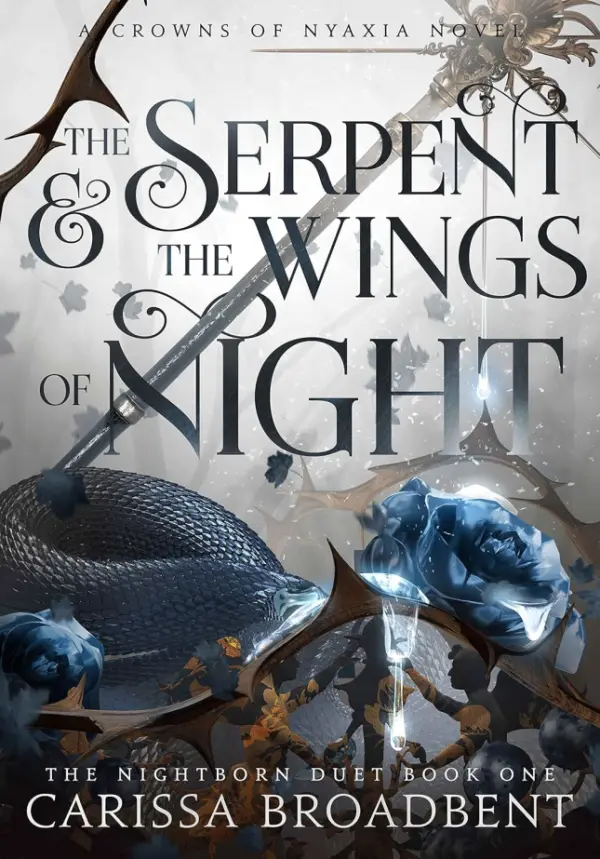
Carissa Broadbent
Crowns of Nyaxia, book 1
Average Goodreads rating4.5
Matched via its series
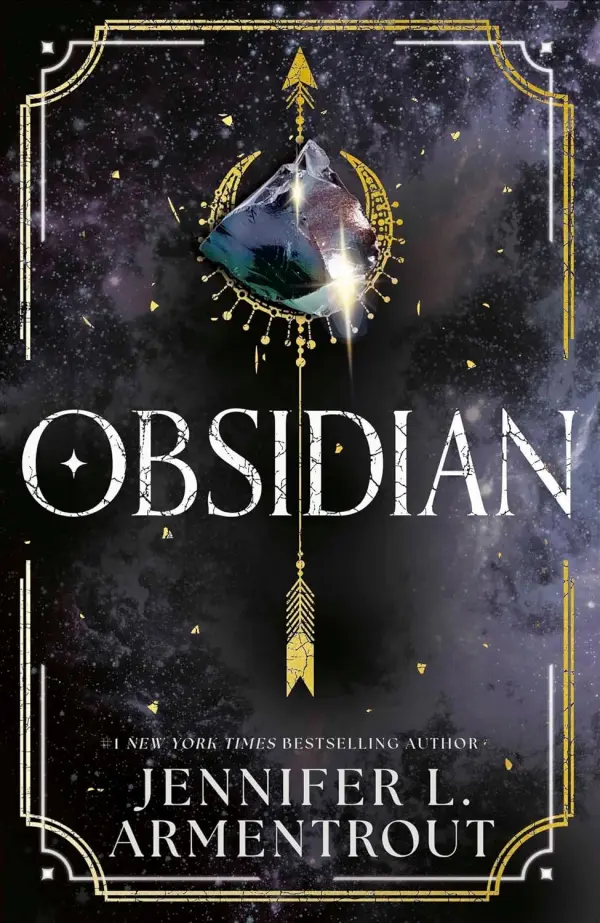
Jennifer L. Armentrout
Lux, book 1
Average Goodreads rating4.1
Matched via its series
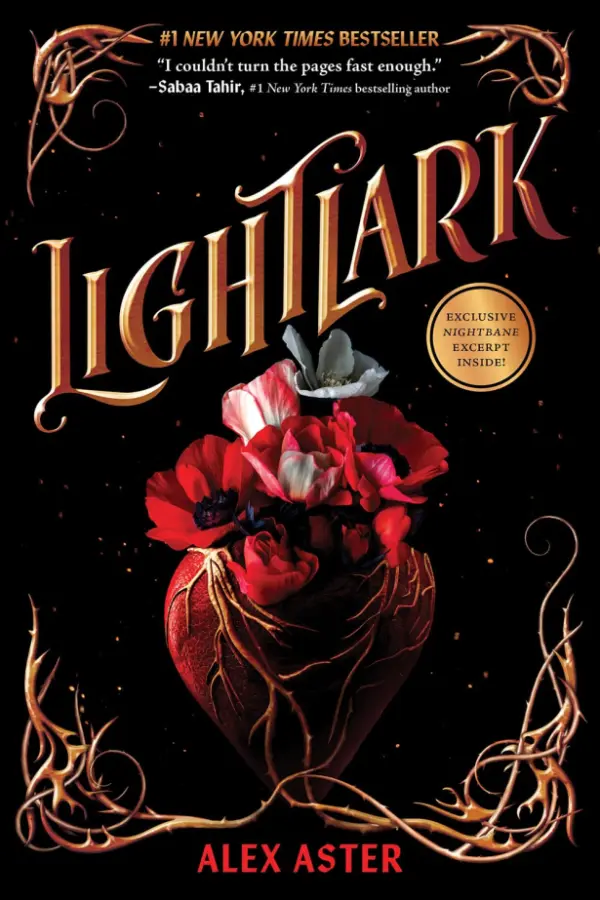
Alex Aster
Lightlark, book 1
Average Goodreads rating4.0
Matched via its series
Hannah Grace
Maple Hills, book 1
Average Goodreads rating4.4
Matched via its series
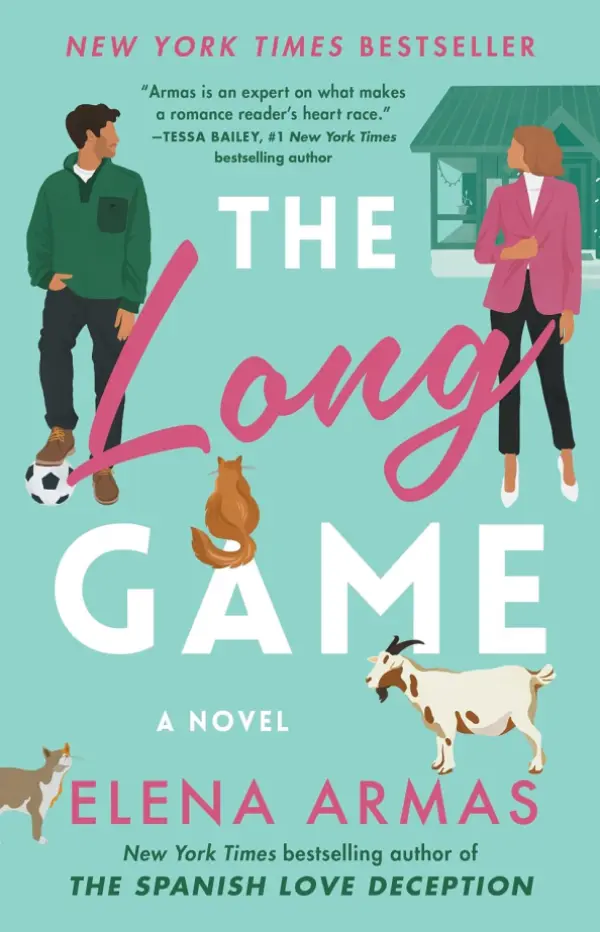
Elena Armas
The Long Game, book 1
Average Goodreads rating3.6
Matched via its series
Tropes that share the most books with Enemies to Lovers
Enemies to Lovers is one of romance's most beloved and enduring tropes, transforming antagonism into attraction through a journey of tension, vulnerability, and undeniable chemistry. This trope captures the intoxicating moment when two people who thought they despised each other realize their intense feelings might actually be something else entirely - something far more dangerous to their hearts.
This trope features characters who begin with genuine animosity, opposition, or rivalry - not mere annoyance, but real conflict with stakes. They might be on opposite sides of a war, competing for the same goal, or simply clash due to fundamental differences in values or personality. The magic happens as forced proximity, shared challenges, or glimpsed vulnerabilities crack their armor, revealing the person beneath and transforming hatred into reluctant respect, then attraction, then all-consuming love.
The trope delivers unmatched tension and emotional payoff. Every heated argument crackles with unresolved chemistry. Every insult masks growing fascination. The journey from enemies to lovers requires characters to challenge their assumptions, admit they were wrong, and become vulnerable with someone they once viewed as a threat. This transformation creates profound intimacy - they've seen each other at their worst and chosen love anyway.
The trope spans rival colleagues competing for promotion, warring faction leaders discovering forbidden attraction, academic rivals hiding mutual respect, and fake dating arrangements between sworn enemies. Often paired with banter, forced proximity, and the delicious "oh no, I'm in love with them" realization.
Enemies to Lovers proves that sometimes the person who infuriates you most is the one who understands you best.
Because the slow burn is the point, and you know it. The best enemies-to-lovers books - from faerie courts to war colleges, workplaces to regency ballrooms.
Finished Fourth Wing and can't move on? Discover 10 romantasy books with the same dragons, enemies-to-lovers tension, and high-stakes magic that made Yarros's series unmissable.
If Lauren Roberts' Powerless left you desperate for more slow-burn romance, deadly trials, and magic-fuelled tension, these eight books belong on your shelf immediately.

Not all fantasy is created equal - and "it's a fantasy novel" tells you almost nothing about whether you'll love it. Choosing by trope is the smartest way to find your next obsession. Here's how to do it.
Occasional emails with new recommendations, series news and trope round-ups.