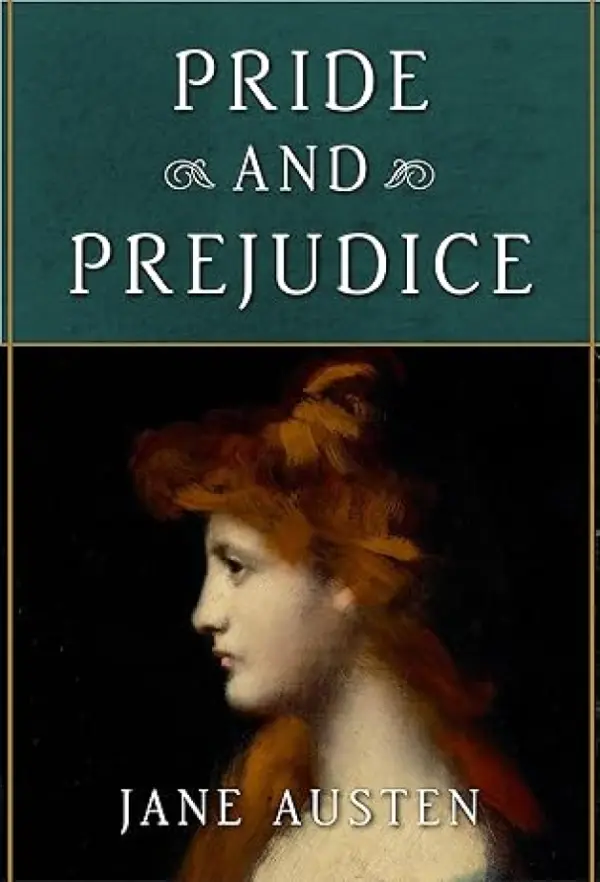
Pride & Prejudice
Average Goodreads rating4.3
- Enemies to Lovers
- Forbidden Romance

Author · British
Jane Austen was an English novelist whose sharply observed comedies of manners defined Regency-era romance. Her six novels remain among the most beloved and widely read works in the English literary canon.
New to Jane Austen? A popular place to start
Pride & Prejudice by Jane Austen is a witty and enduring Regency romance following Elizabeth Bennet and the infuriating Mr Darcy. A masterclass in slow-burn tension, sharp dialogue, and class-conscious courtship.
Picked from Jane Austen’s most widely rated books on Goodreads, starting at the beginning of its series.
Retailer links may earn Trope Trove a commission, at no extra cost to you.
Not part of a series listed on Trope Trove
Average Goodreads rating4.3
Jane Austen is one of the most enduring and influential novelists in the history of English literature - a writer whose six completed novels, produced in the late eighteenth and early nineteenth centuries, continue to define the shape of romantic fiction more than two hundred years after her death. Working within the tight social constraints of Regency England, Austen produced comedy, satire, and some of the most psychologically precise love stories ever committed to the page: books that are simultaneously about manners, money, and the limited choices available to women, and about the far more universal experience of recognising - sometimes reluctantly - where your heart actually lies.
Austen was born in 1775 in Steventon, Hampshire, the seventh of eight children in the family of a country clergyman. She began writing early, producing juvenilia marked by sharp satirical wit that anticipates everything her mature work would become. Her adult novels were written in two distinct periods - a first burst of composition in the 1790s, and a second, more prolific phase after the family's eventual settling in Chawton, Hampshire, in 1809. She published four novels during her lifetime and two were published posthumously. She died in 1817 at the age of forty-one, leaving a body of work that was only slowly recognised as the landmark it now is.
What makes Austen's novels so persistently readable - and so persistently imitated - is the precision of her social intelligence combined with the warmth of her humour. She is one of the great masters of witty banter and sharp dialogue: her characters reveal themselves through speech, and the sparring exchanges between her most memorable couples are models of comic timing and emotional subtext. The famous opening of Pride and Prejudice, the verbal battles between Elizabeth Bennet and Fitzwilliam Darcy, the devastating one-liners of Emma - these are not merely entertaining. They are the primary medium through which Austen conveys everything that matters about who her characters are and what they feel.
Pride and Prejudice remains her most celebrated novel and one of the most-read books in the world. Its rivals to lovers romance between the sharp-tongued, principled Elizabeth Bennet and the proud, seemingly cold Darcy is the archetype from which a large proportion of subsequent romantic fiction descends. But the novel is equally a study in class struggle and the brutal economics of Regency womanhood - a world in which marriage was not merely desirable but financially necessary, and in which the wrong choice or no choice at all had real and lasting consequences. Austen holds both dimensions simultaneously, never allowing the love story to obscure the social critique and never allowing the social critique to flatten the love story.
Sense and Sensibility is her first published novel and an exploration of two contrasting temperaments - the cautious, emotionally contained Elinor Dashwood and her more romantically impulsive sister Marianne - navigating forbidden romance, social expectation, and the particular cruelties of a world in which women's financial survival depends on men they cannot control. The novel's treatment of love vs duty is one of the most nuanced in Austen's work, and Elinor Dashwood remains among her most quietly affecting heroines.
Emma is perhaps Austen's most technically daring novel: a comedy of errors centred on a protagonist who is charming, well-intentioned, and comprehensively wrong about almost everything. Emma Woodhouse's misreadings of the romantic situations around her - and the slow, painful process of her social commentary-inflected self-correction - make the novel a masterclass in dramatic irony and complicated romance. The slow-burn romance at its heart is one that many first-time readers do not see coming, which is precisely the point.
Northanger Abbey, Mansfield Park, and Persuasion round out the six completed novels. Northanger Abbey is a Gothic parody and a spirited piece of literary comedy. Mansfield Park is the most morally serious and formally austere of the six - a study in love vs duty and social inequality that divides readers more sharply than any other Austen title. Persuasion, written in the last years of her life and published posthumously, is her most overtly romantic novel: a second chance romance between Anne Elliot and Captain Wentworth, separated by an act of well-meaning prudence years before, and reunited with a longing that is all the more affecting for the time that has passed.
Across all six novels, Austen's signature is the marriage of opposites attract romantic dynamics with forensic social observation. Her heroines are invariably more perceptive than the world they inhabit, and the men who deserve them must generally earn that judgement rather than simply claim it. Her comedy is rarely cruel but never gentle - it has edges, and she uses them. For readers coming to Austen for the first time, or returning after years away, her novels remain as alive, as funny, and as quietly radical as they have always been.
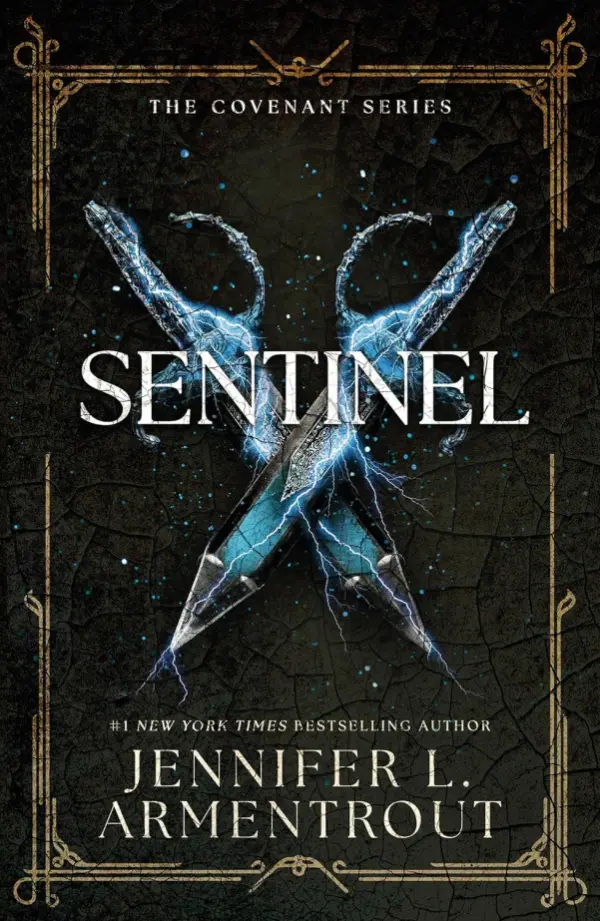
Jennifer L. Armentrout
Covenant, book 5
Average Goodreads rating4.4
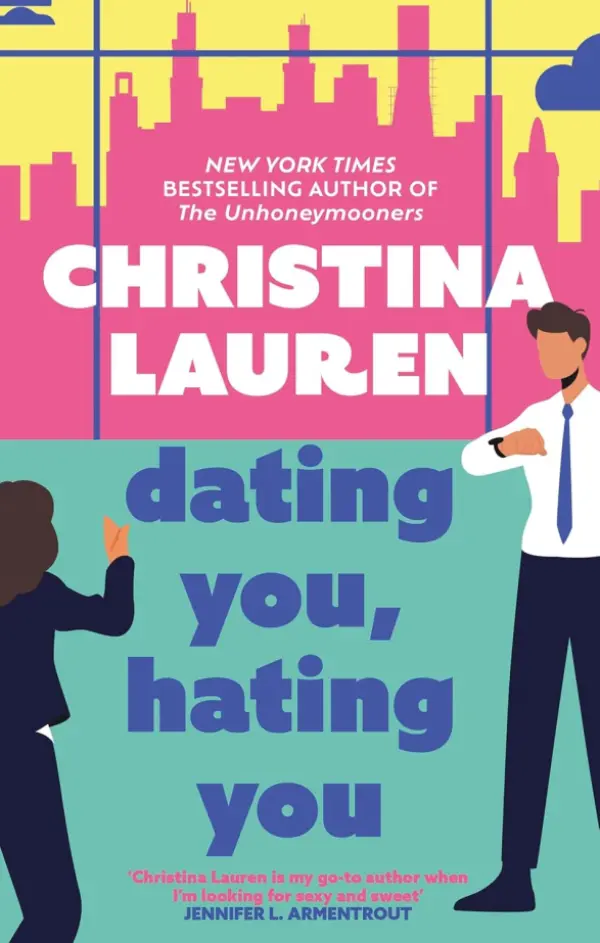
Christina Lauren
Average Goodreads rating3.6
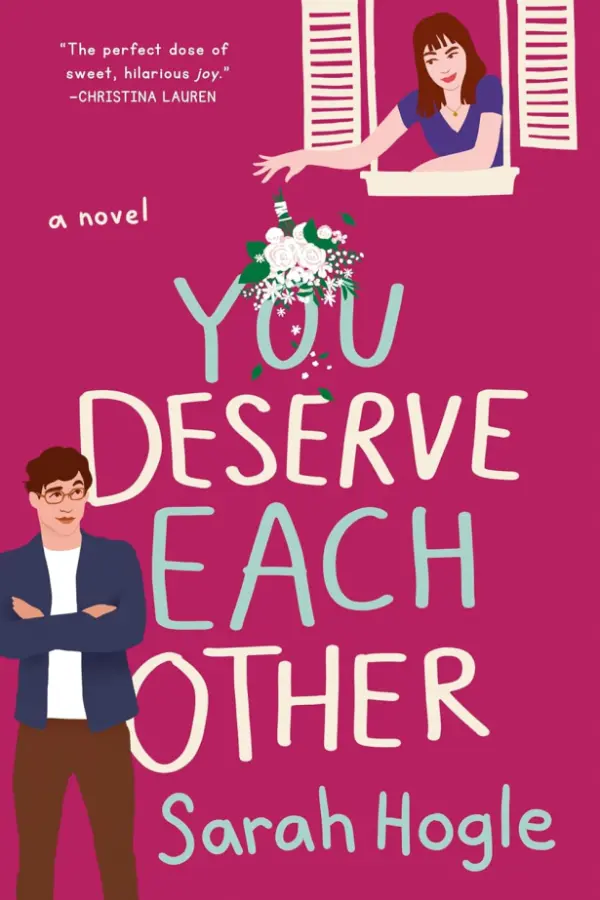
Sarah Hogle
Average Goodreads rating3.8

Stephanie Garber
Caraval, book 1
Average Goodreads rating4.2
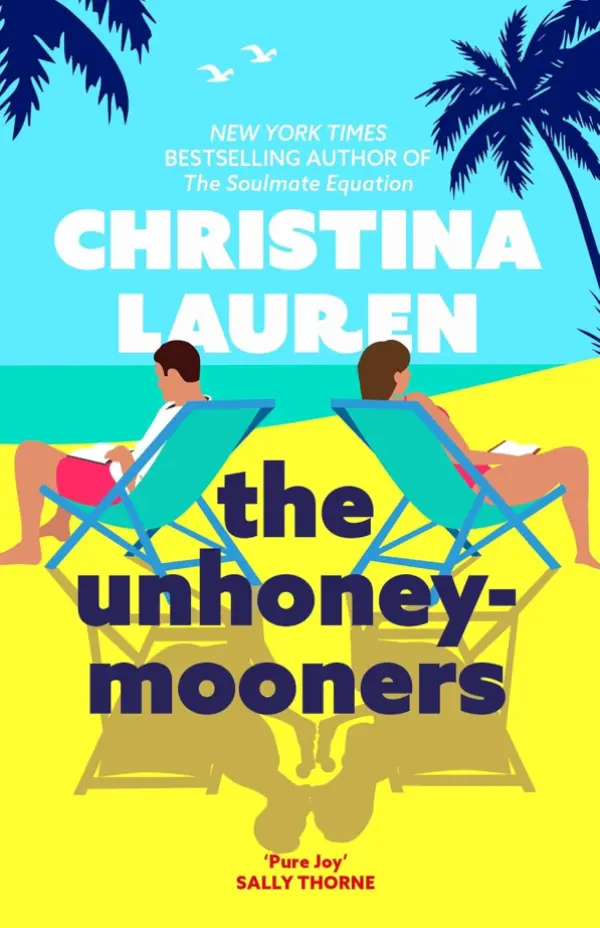
Christina Lauren
Average Goodreads rating4.3
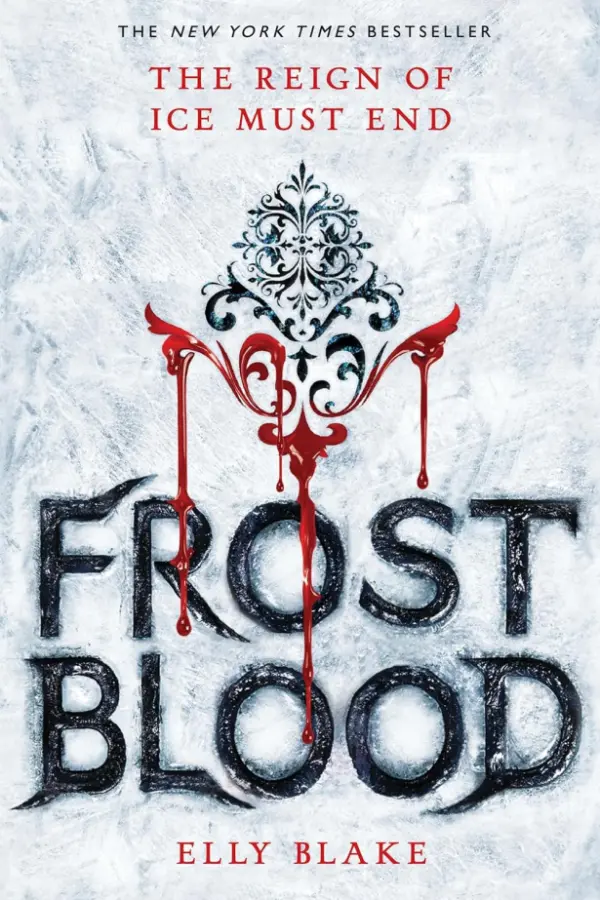
Elly Blake
The Frostblood Saga, book 1
Average Goodreads rating4.3

Because the slow burn is the point, and you know it. The best enemies-to-lovers books - from faerie courts to war colleges, workplaces to regency ballrooms.
Occasional emails with new recommendations, series news and trope round-ups.