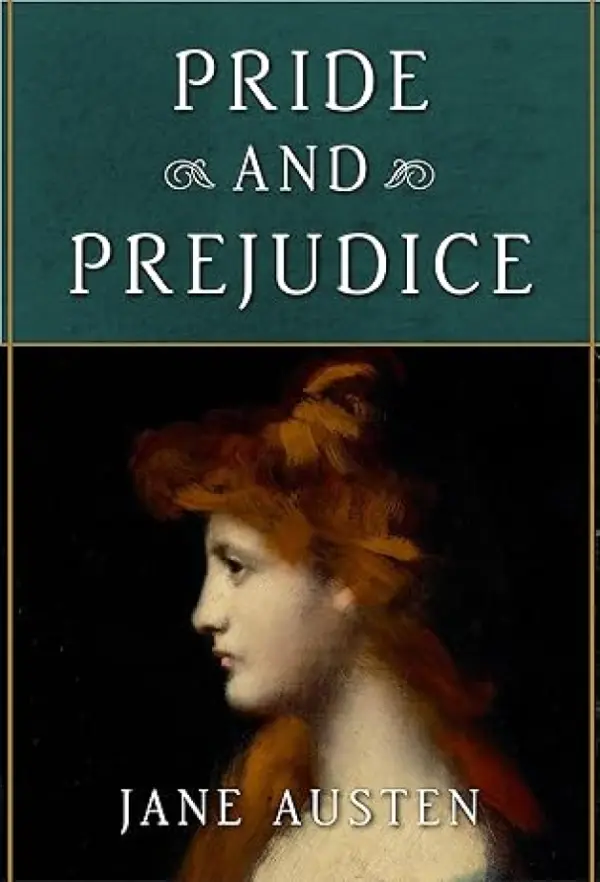
Pride & Prejudice
Jane Austen
Average Goodreads rating4.3
- Enemies to Lovers
- Forbidden Romance

Book trope · 29 books
At its core, the class struggle trope places characters from opposing ends of the social hierarchy into direct, sustained conflict — or, just as often, into an uneasy intimacy that forces both to question everything they've been taught about the other.
More about the Class Struggle trope12 are tagged with Class Struggle individually. The others belong to a series tagged with it, which doesn’t mean every book in it features the trope, so they’re marked “Matched via its series”.
Updating books…
29 books found
Jane Austen
Average Goodreads rating4.3
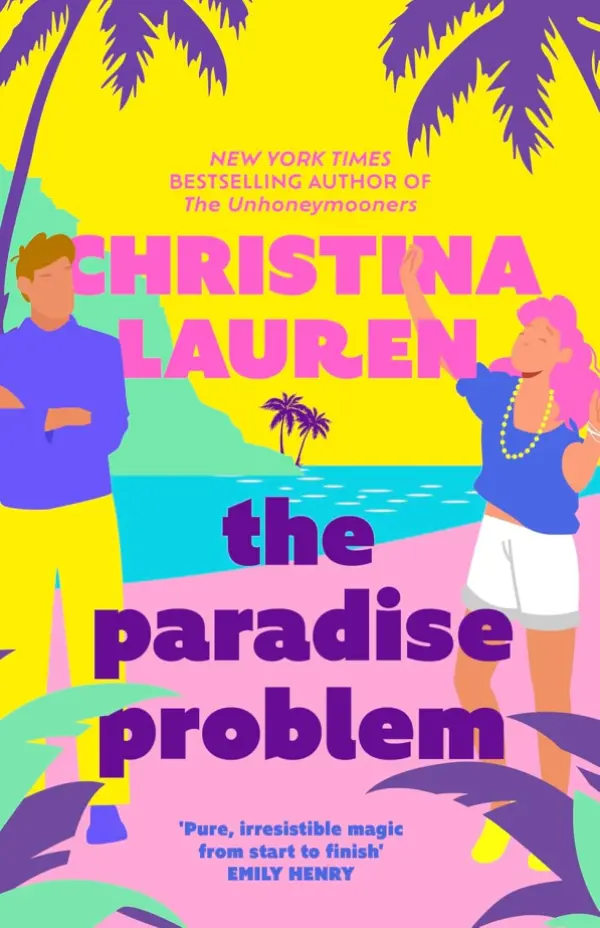
Christina Lauren
Average Goodreads rating4.1
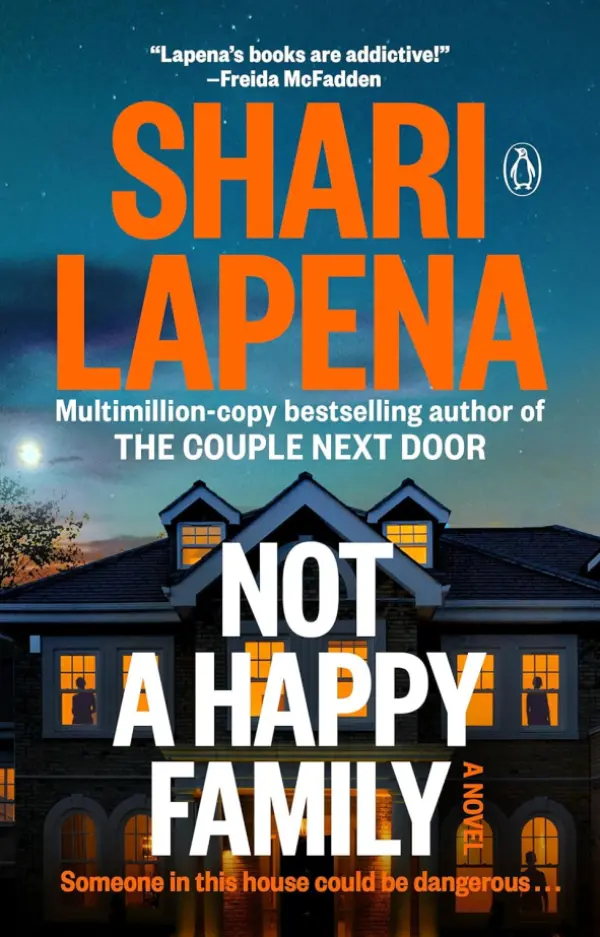
Shari Lapena
Average Goodreads rating3.8

Tana French
Cal Hooper, book 1
Average Goodreads rating3.8
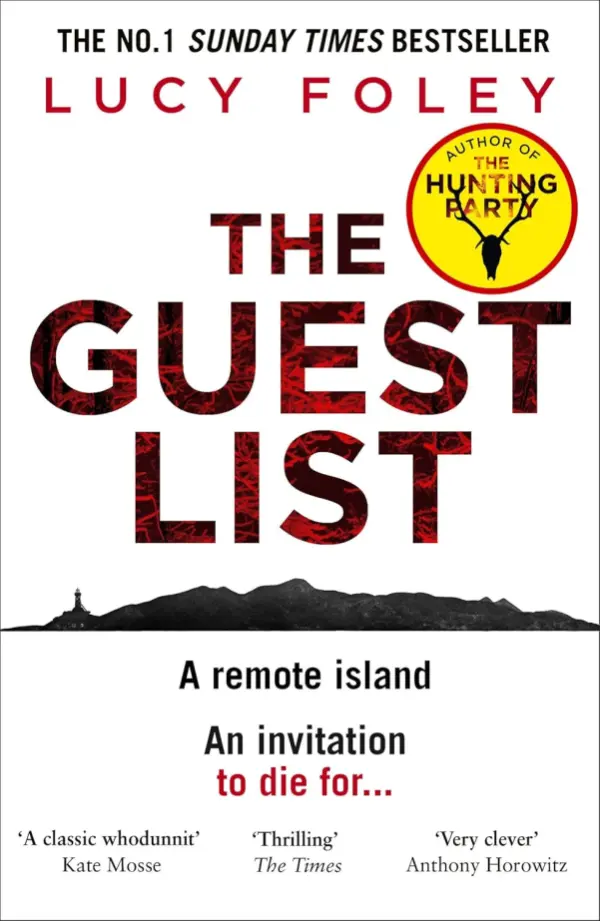
Lucy Foley
Average Goodreads rating4.1
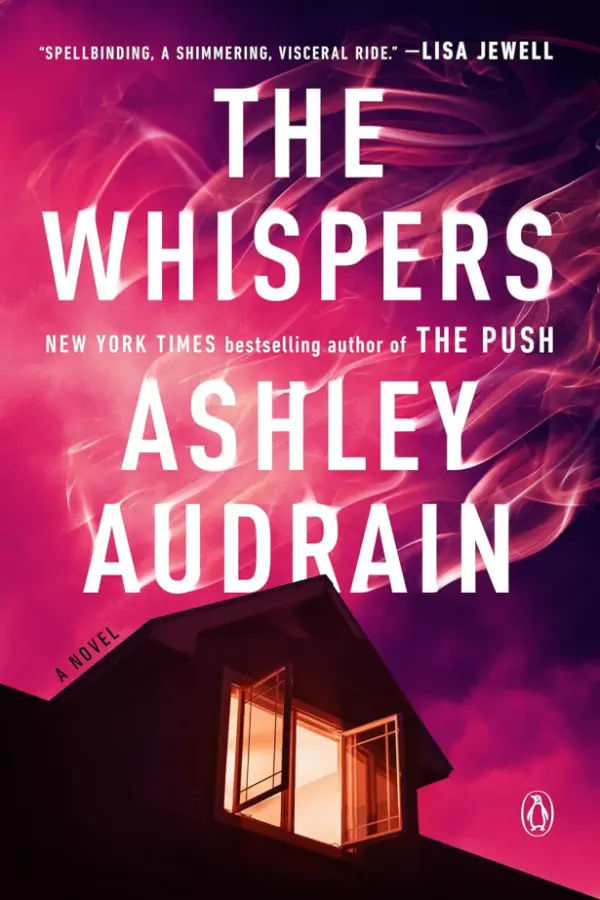
Ashley Audrain
Average Goodreads rating3.8
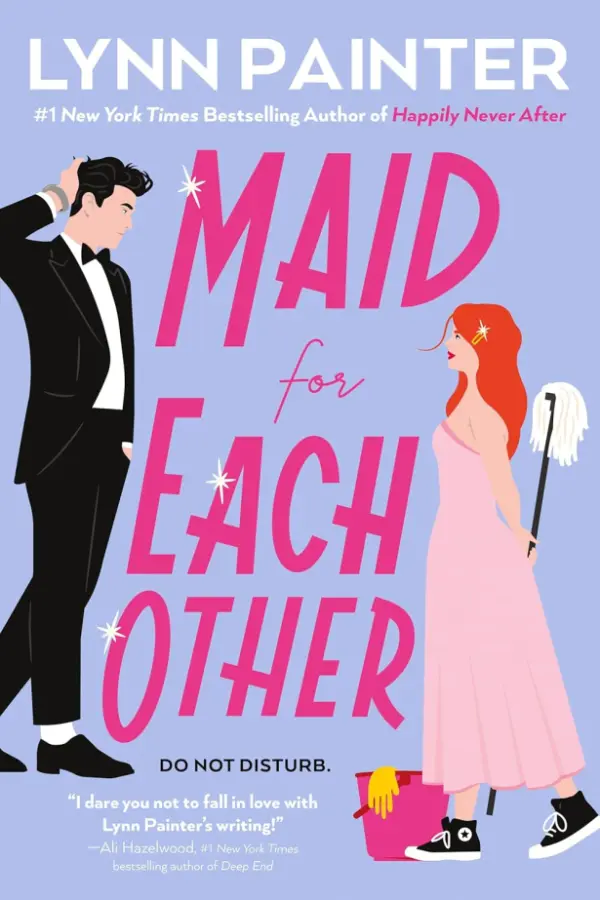
Lynn Painter
Average Goodreads rating3.7
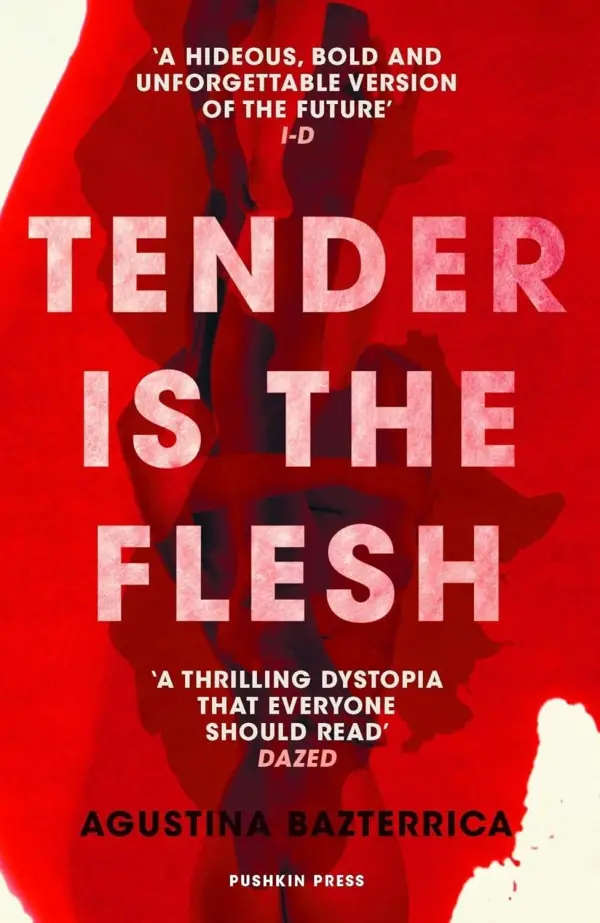
Agustina Bazterrica
Average Goodreads rating4.0

Sarah Pinborough
Average Goodreads rating3.3
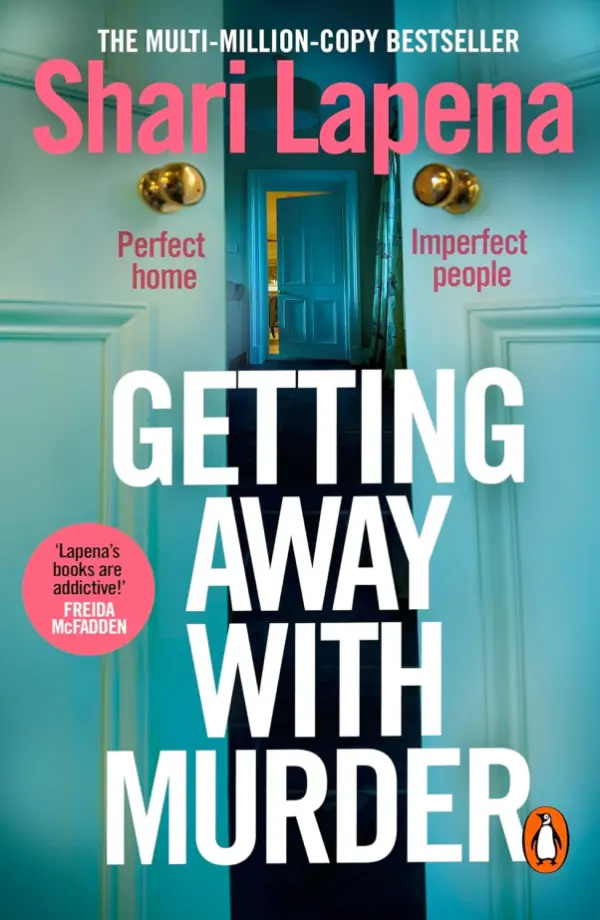
Shari Lapena
Lynn Painter

Tana French
Cal Hooper, book 3
Average Goodreads rating4.3
Tana French
Dublin Murder Squad, book 1
Average Goodreads rating3.8
Matched via its series
Jennifer L. Armentrout
Covenant, book 1
Average Goodreads rating4.1
Matched via its series

Robin Hobb
Liveship Traders Trilogy, book 1
Average Goodreads rating4.5
Matched via its series
Elly Blake
The Frostblood Saga, book 1
Average Goodreads rating4.3
Matched via its series
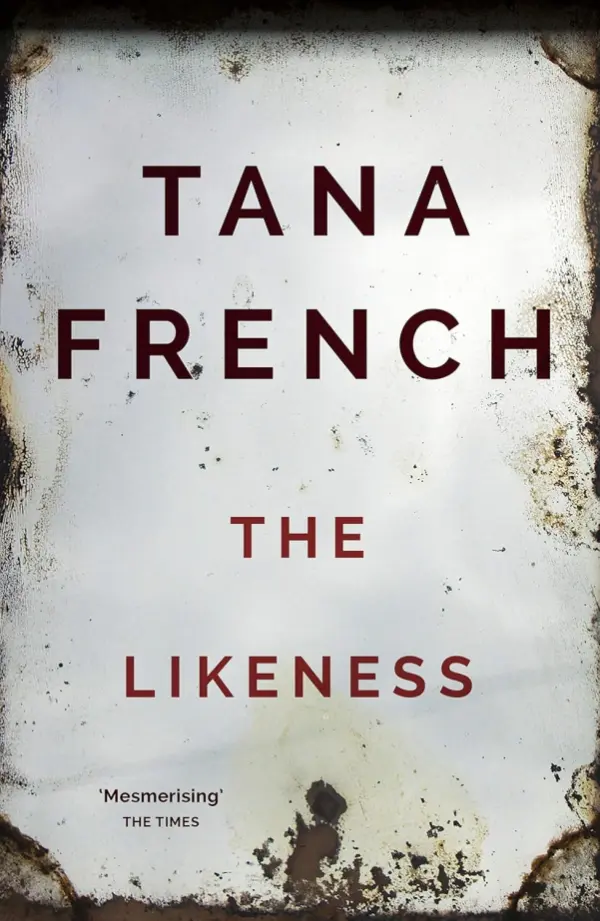
Tana French
Dublin Murder Squad, book 2
Average Goodreads rating4.1
Matched via its series
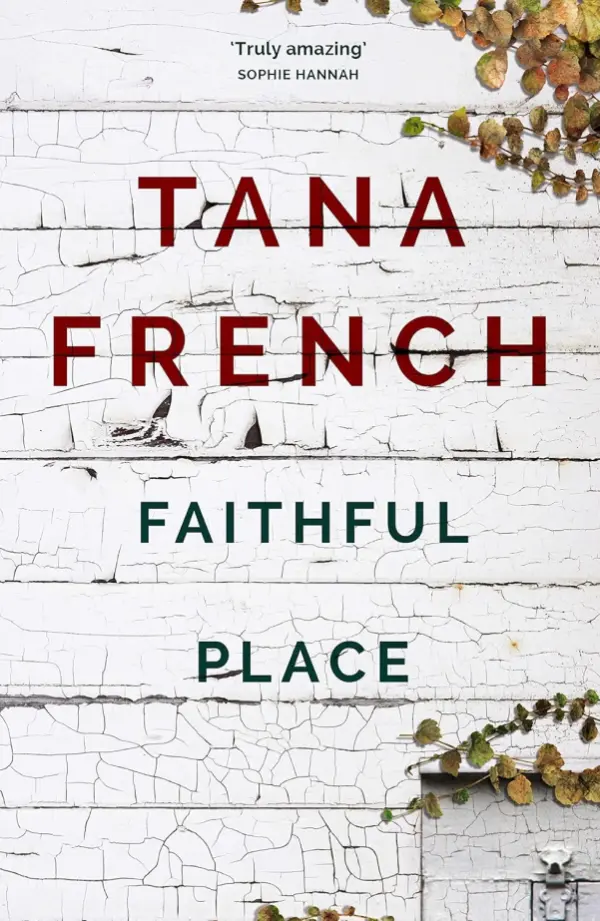
Tana French
Dublin Murder Squad, book 3
Average Goodreads rating4.0
Matched via its series
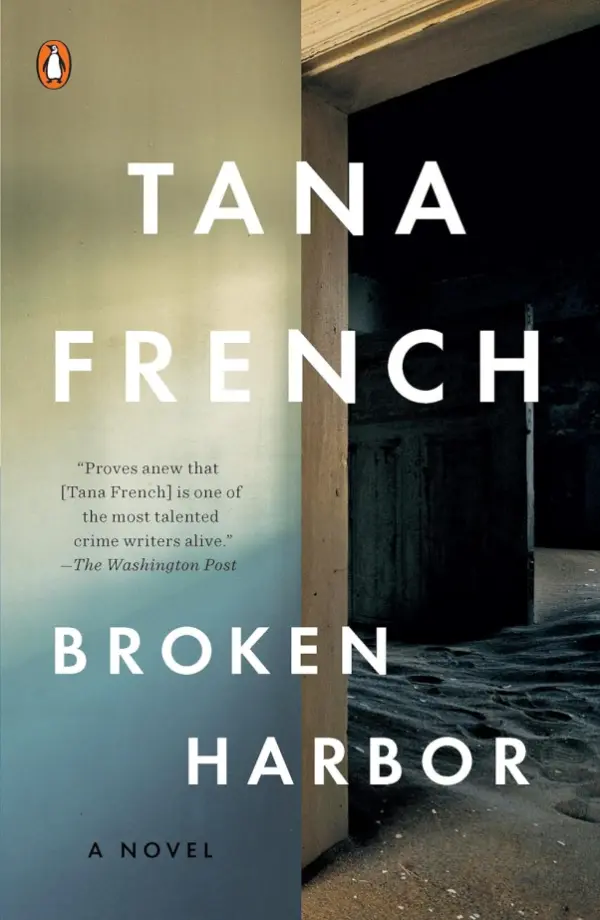
Tana French
Dublin Murder Squad, book 4
Average Goodreads rating4.0
Matched via its series
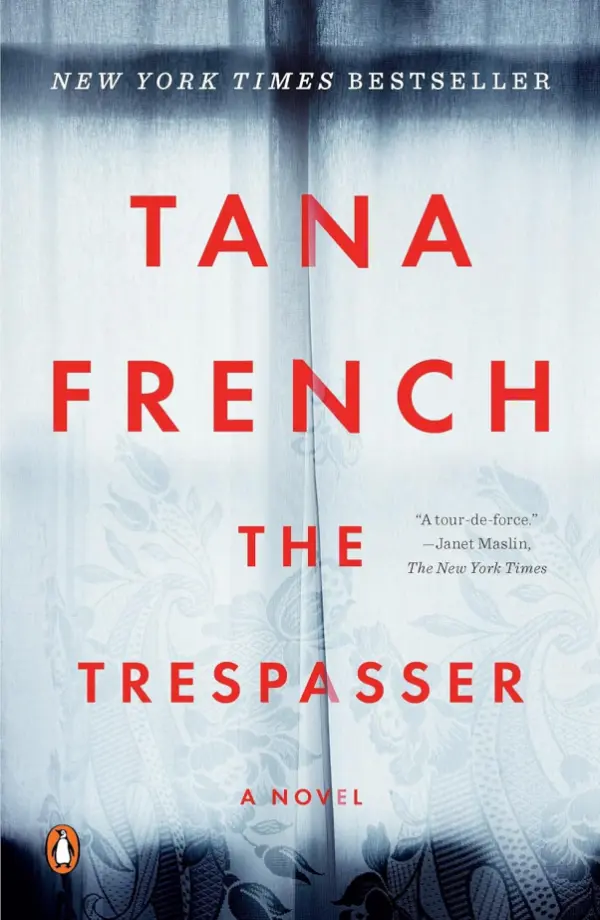
Tana French
Dublin Murder Squad, book 6
Average Goodreads rating4.0
Matched via its series

Tana French
Dublin Murder Squad, book 5
Average Goodreads rating3.8
Matched via its series
Jennifer L. Armentrout
Covenant, book 2
Average Goodreads rating4.1
Matched via its series
Jennifer L. Armentrout
Covenant, book 3
Average Goodreads rating4.2
Matched via its series
Jennifer L. Armentrout
Covenant, book 4
Average Goodreads rating4.3
Matched via its series
Jennifer L. Armentrout
Covenant, book 5
Average Goodreads rating4.4
Matched via its series

Robin Hobb
Liveship Traders Trilogy, book 3
Average Goodreads rating4.7
Matched via its series

Robin Hobb
Liveship Traders Trilogy, book 2
Average Goodreads rating4.6
Matched via its series

Elly Blake
The Frostblood Saga, book 2
Average Goodreads rating4.6
Matched via its series
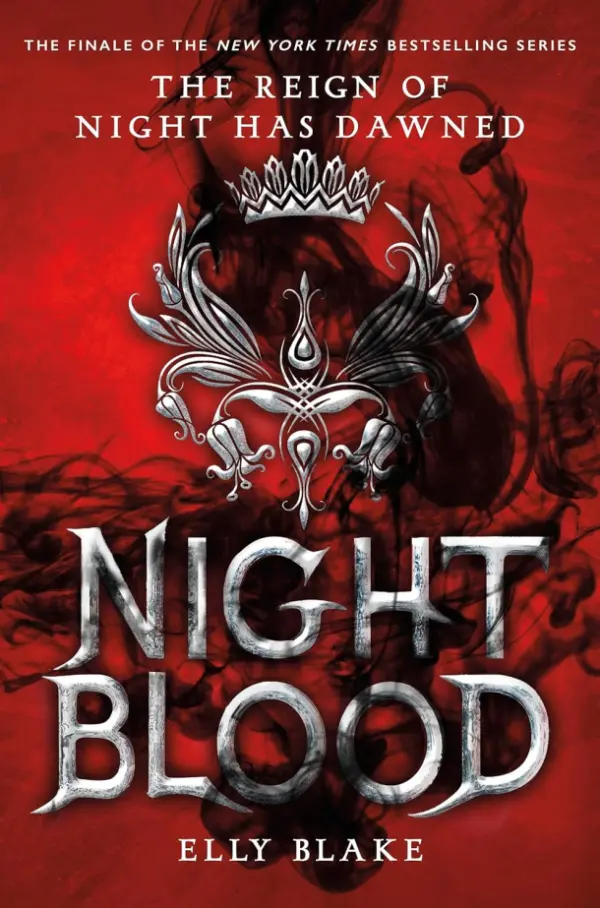
Elly Blake
The Frostblood Saga, book 3
Average Goodreads rating4.6
Matched via its series
Tropes that share the most books with Class Struggle
At its core, the class struggle trope places characters from opposing ends of the social hierarchy into direct, sustained conflict — or, just as often, into an uneasy intimacy that forces both to question everything they've been taught about the other. It's one of the oldest tensions in storytelling, and fantasy and romance have never quite been able to leave it alone. Nor should they.
The conflict can be structural: a system of nobility, magic-based castes, inherited wealth, or rigid guild hierarchies that determines who has power and who doesn't. Or it can be deeply personal — a lord who has never once gone hungry facing a commoner who has never once felt safe. Both versions carry weight. The best books tend to use both at once.
There's something viscerally satisfying about watching a character who has been dismissed, overlooked, or outright oppressed refuse to stay in their lane. The class struggle trope taps into a frustration that feels universal even when the setting is entirely fictional. Readers root hard for the scrappy protagonist clawing their way up — or, alternatively, for the privileged character beginning to see the world as it actually is, not as they've been permitted to see it.
In romance, the tension becomes electric. When attraction develops across a class divide, every stolen glance carries the weight of an entire social order telling them it's wrong. That external pressure does a lot of the narrative heavy lifting, and it means emotional payoffs land harder when they finally arrive.
The trope takes a slightly different shape depending on the genre. In epic and grimdark fantasy, class struggle often powers the political spine of a story — rebellions, revolutions, the question of who gets to hold the sword and who gets to decide the law. Magic systems are frequently used to encode inequality: those born with power, those who must earn it, and those who are explicitly denied access to it.
In romantasy and historical romance, the focus narrows to the personal. A servant and an aristocrat. A merchant's daughter and a duke. A hedge witch and a high court mage. The social gap becomes both the obstacle and the source of friction, and navigating it requires characters to be genuinely honest with one another in ways that feel earned rather than easy.
Some stories play the trope straight, following a clear underdog arc. Others complicate it, asking whether rising through the system is really the same as changing it — and whether the character who escapes poverty is leaving everyone else behind. That second version tends to stay with readers considerably longer.
The trope falls flat when the class divide is pure window dressing — a costume rather than a condition. It earns its place when authors show the material reality of inequality: what it costs to be cold, or hungry, or afraid, or invisible. Equally, it needs characters on the privileged side who are specific people, not cardboard villains, because the most interesting class tension comes from systems rather than monsters.
Done well, the class struggle trope doesn't just create conflict. It forces every character to ask who they are when the rules that defined them are taken away. That question, more than any plot twist, is what keeps readers turning pages.
Occasional emails with new recommendations, series news and trope round-ups.