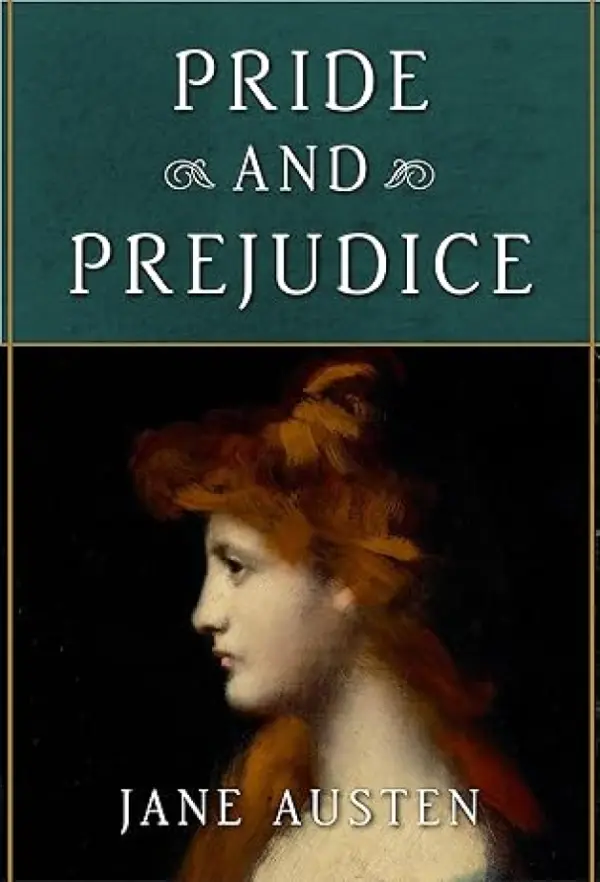
Pride & Prejudice
Jane Austen
Average Goodreads rating4.3
- Enemies to Lovers
- Forbidden Romance

Book trope · 50 books
Some love stories are straightforward. Two people meet, feel something, and find their way to each other without too much standing in the way.
More about the Complicated Romance trope26 are tagged with Complicated Romance individually. The others belong to a series tagged with it, which doesn’t mean every book in it features the trope, so they’re marked “Matched via its series”.
Updating books…
50 books found
Jane Austen
Average Goodreads rating4.3
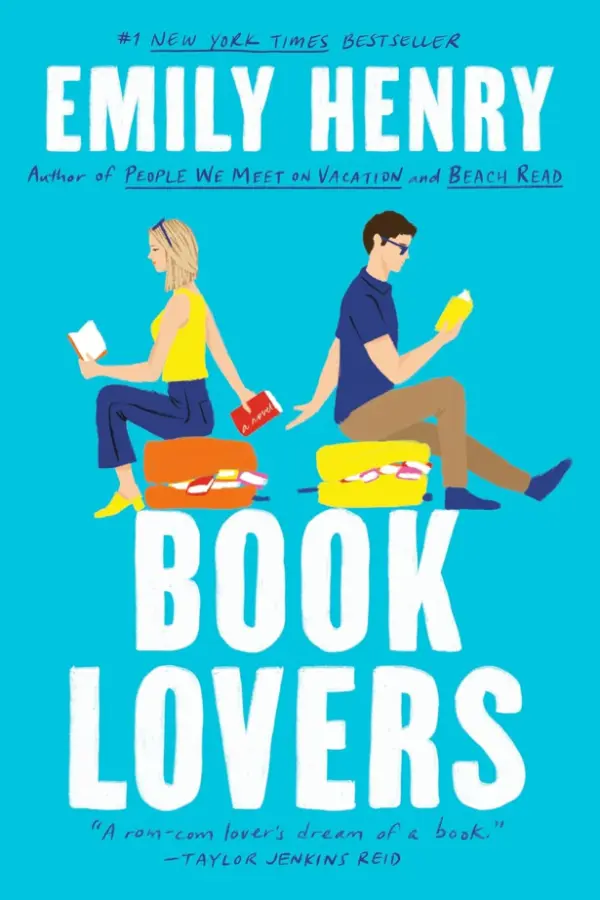
Emily Henry
Average Goodreads rating4.1
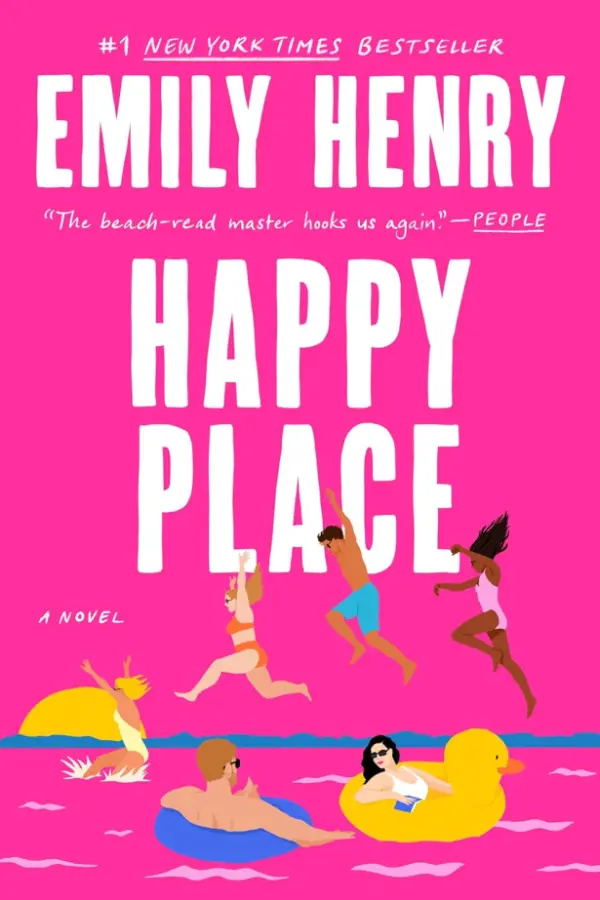
Emily Henry
Average Goodreads rating4.2
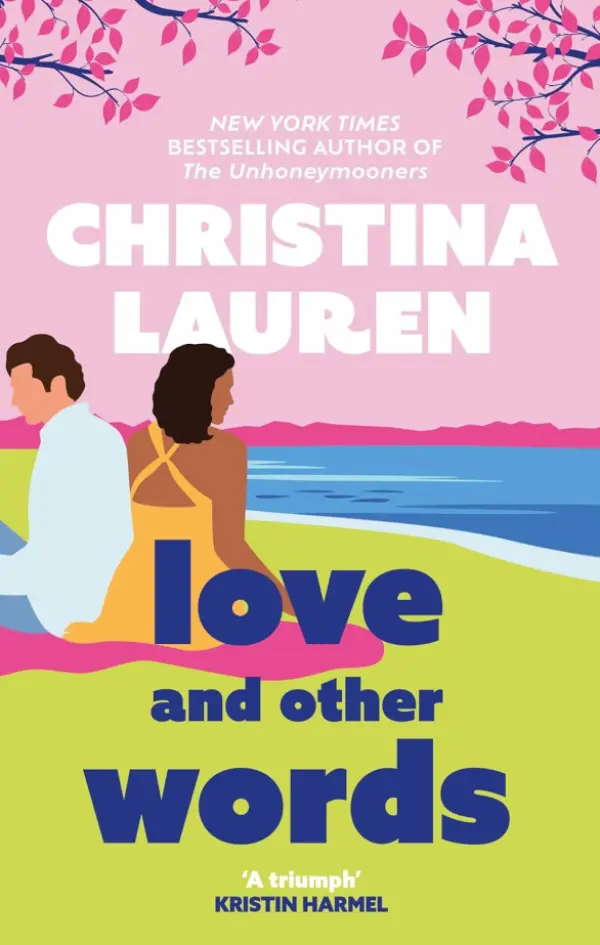
Christina Lauren
Average Goodreads rating4.2

Alice Feeney
Average Goodreads rating3.9
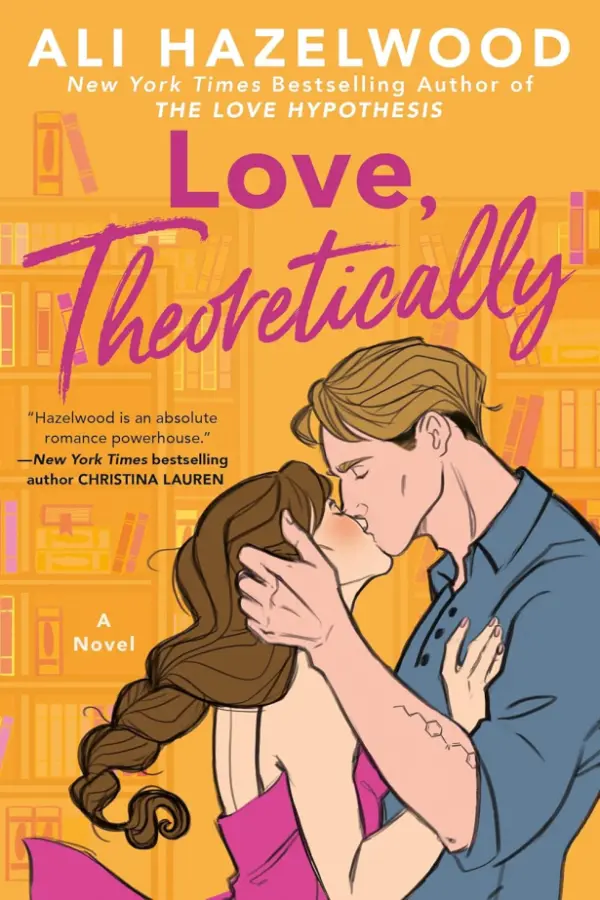
Ali Hazelwood
Average Goodreads rating4.1
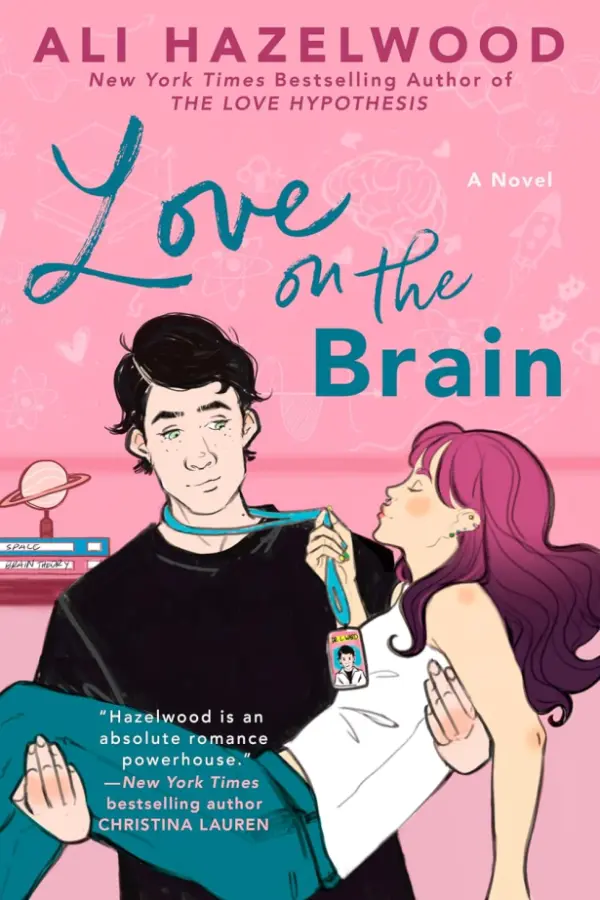
Ali Hazelwood
Average Goodreads rating3.9
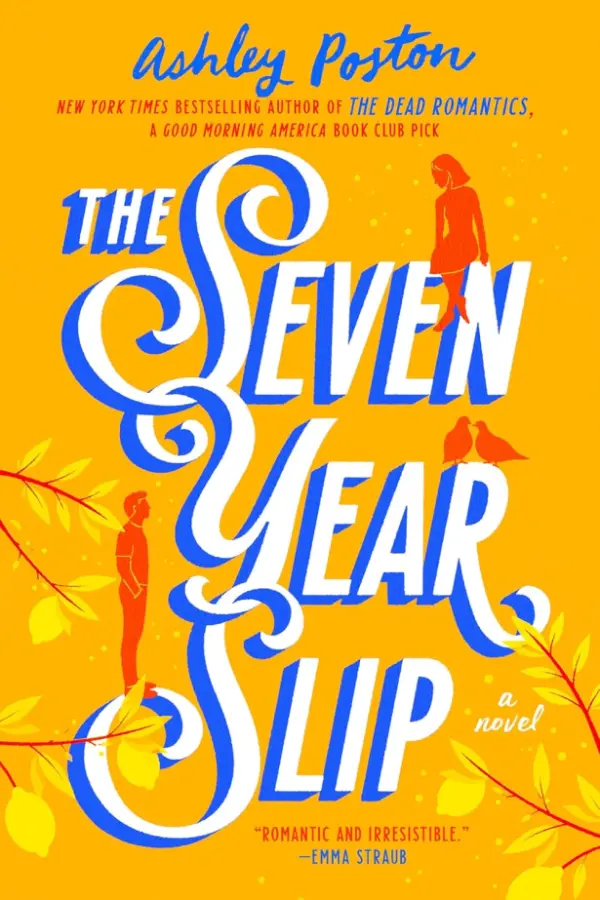
Ashley Poston
Average Goodreads rating4.1
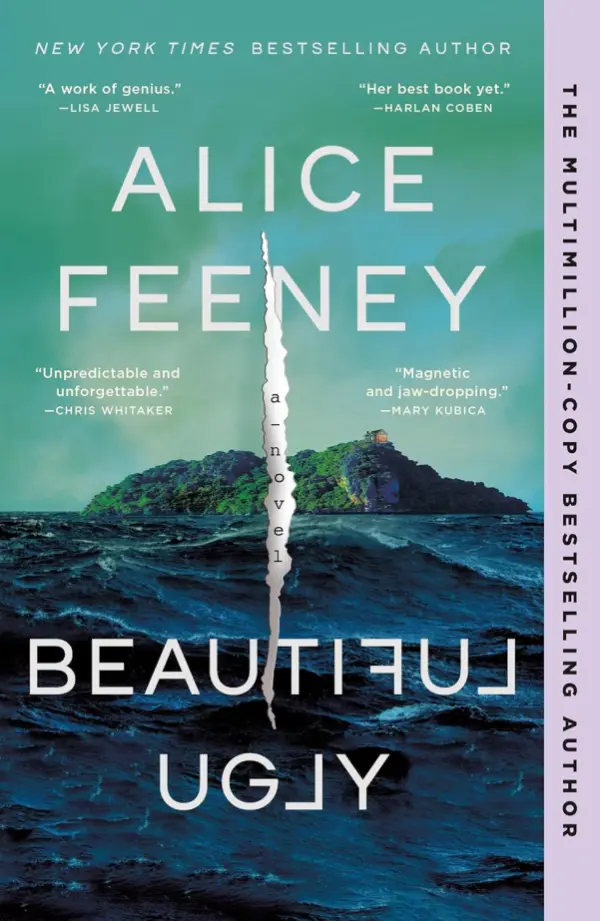
Alice Feeney
Average Goodreads rating3.6
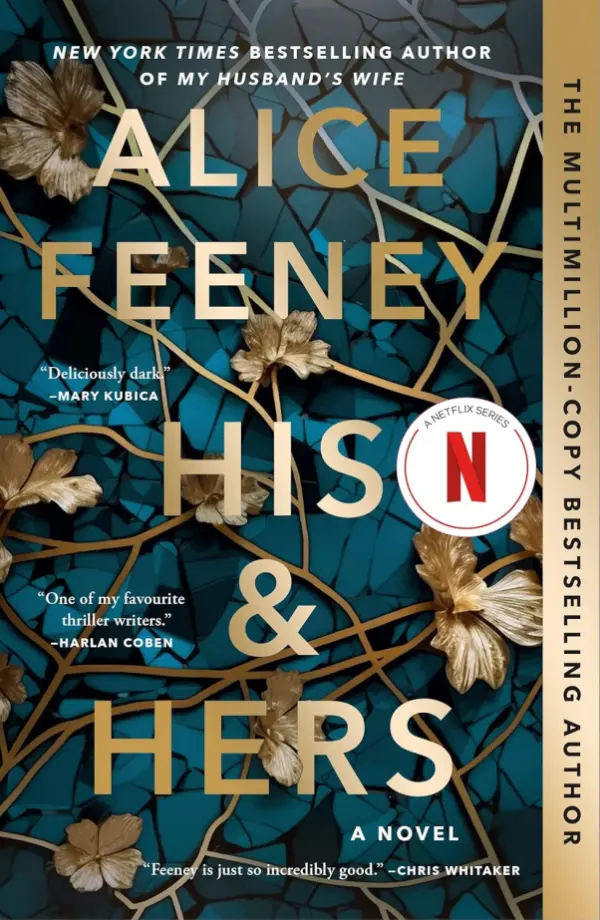
Alice Feeney
Average Goodreads rating4.1
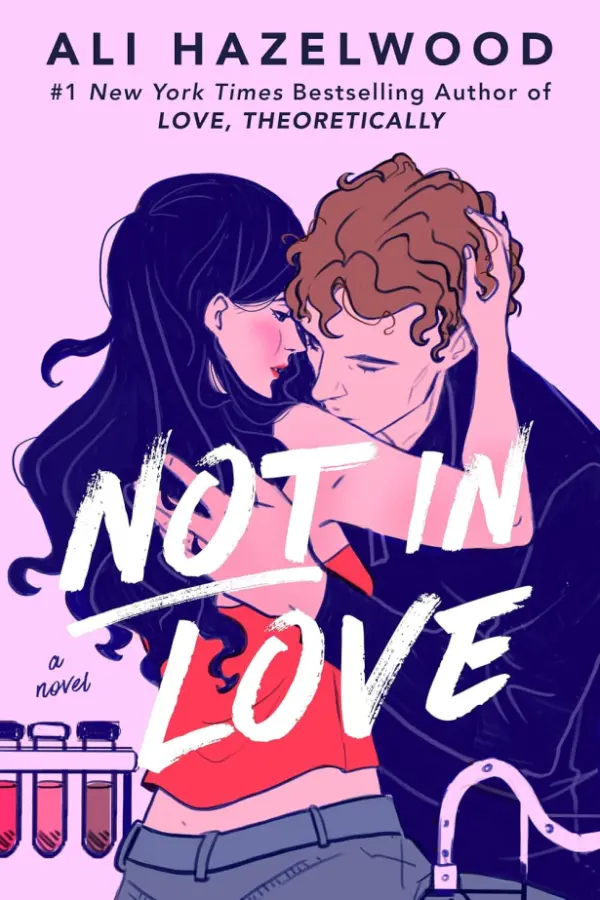
Ali Hazelwood
Average Goodreads rating3.6
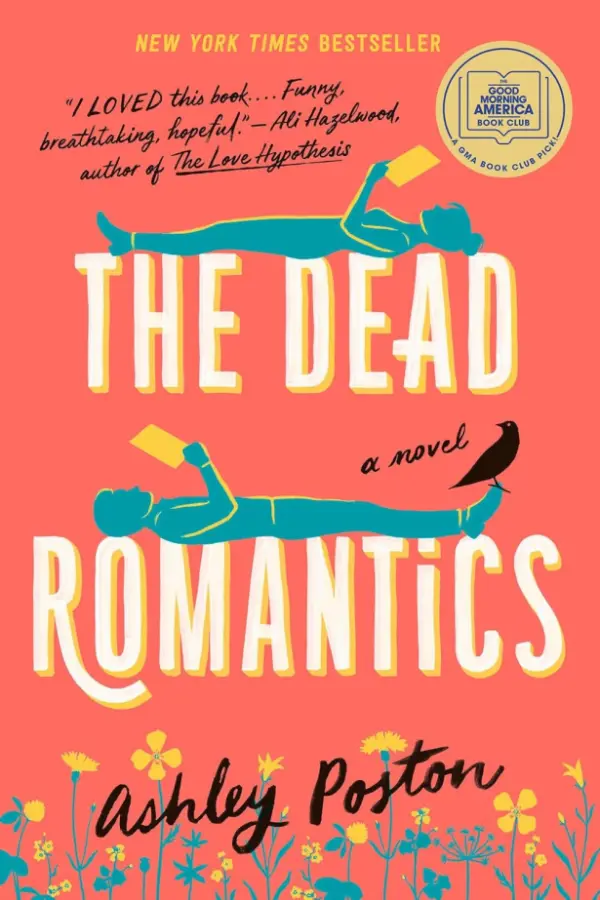
Ashley Poston
Average Goodreads rating3.9
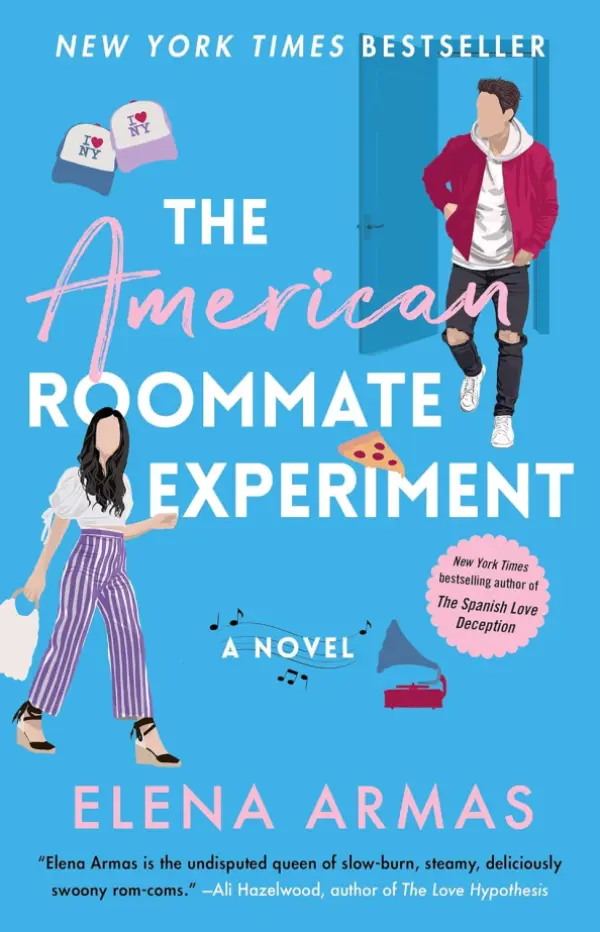
Elena Armas
Average Goodreads rating3.8
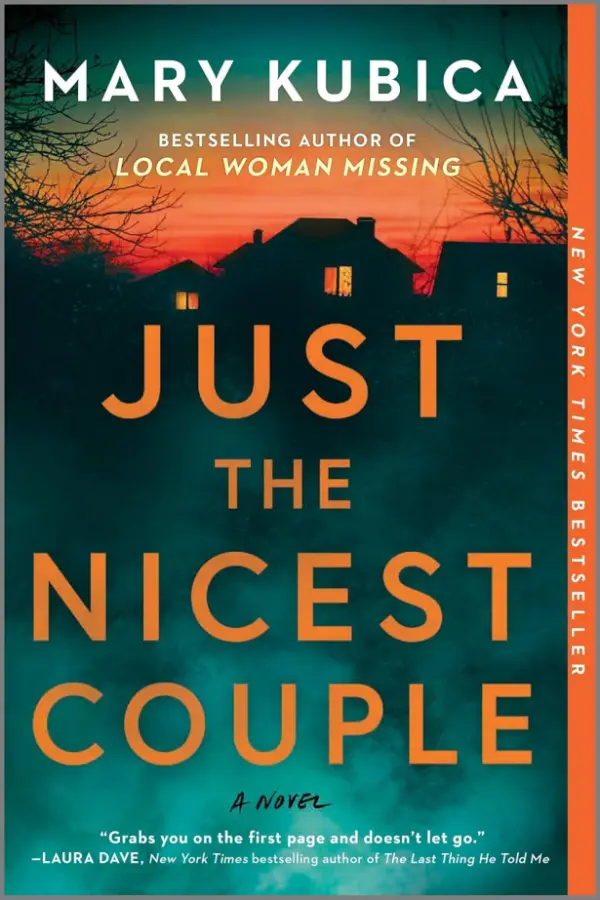
Mary Kubica
Average Goodreads rating3.6
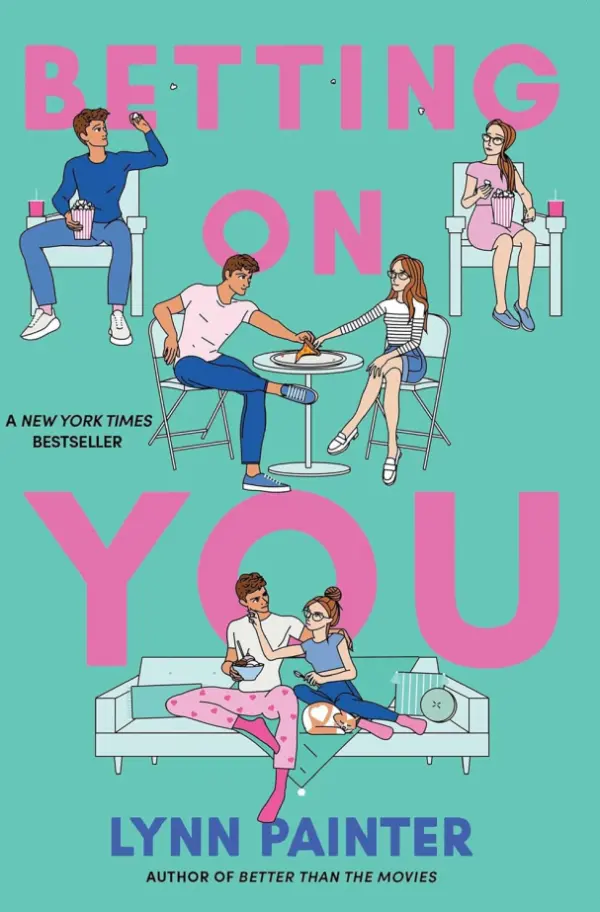
Lynn Painter
Average Goodreads rating4.1
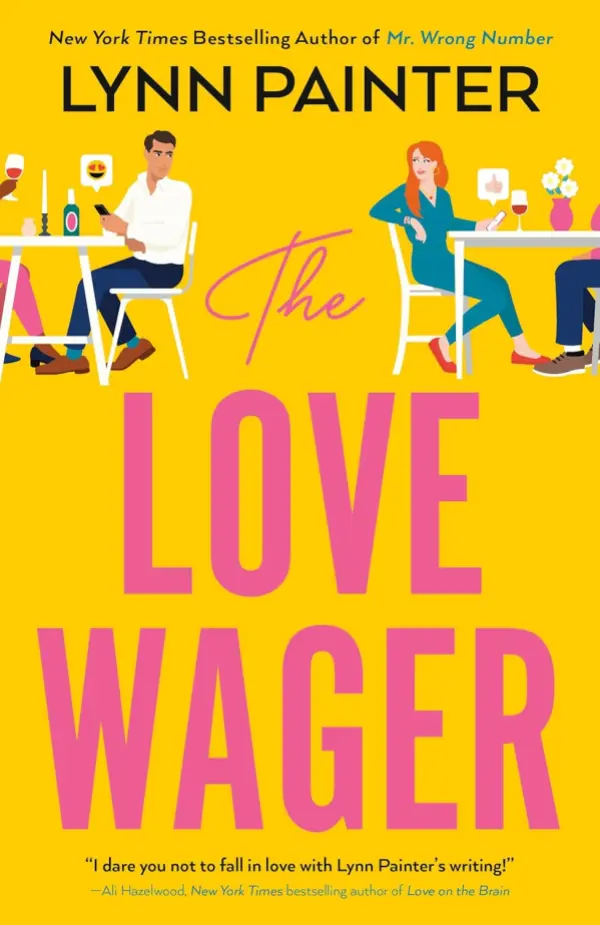
Lynn Painter
Average Goodreads rating3.9
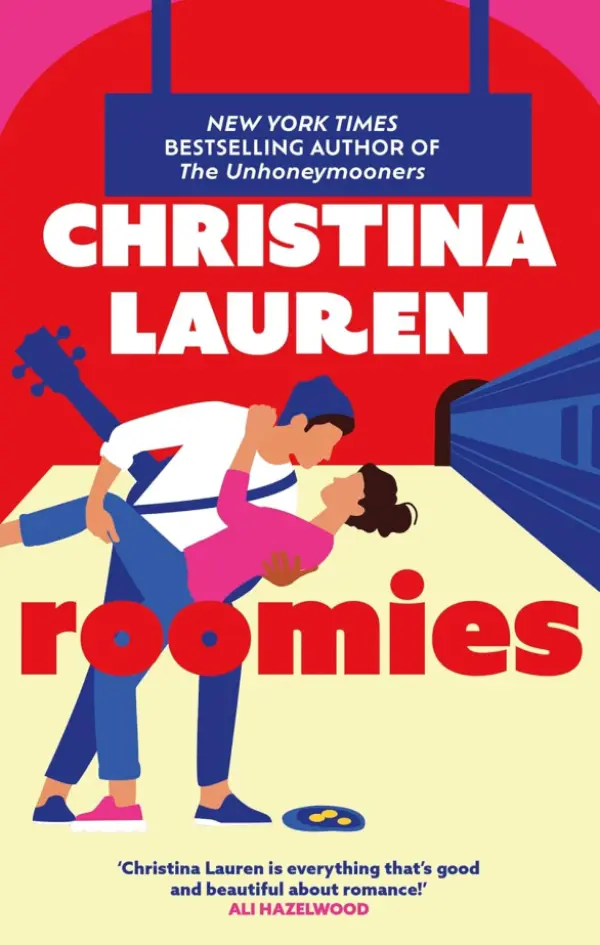
Christina Lauren
Average Goodreads rating3.7
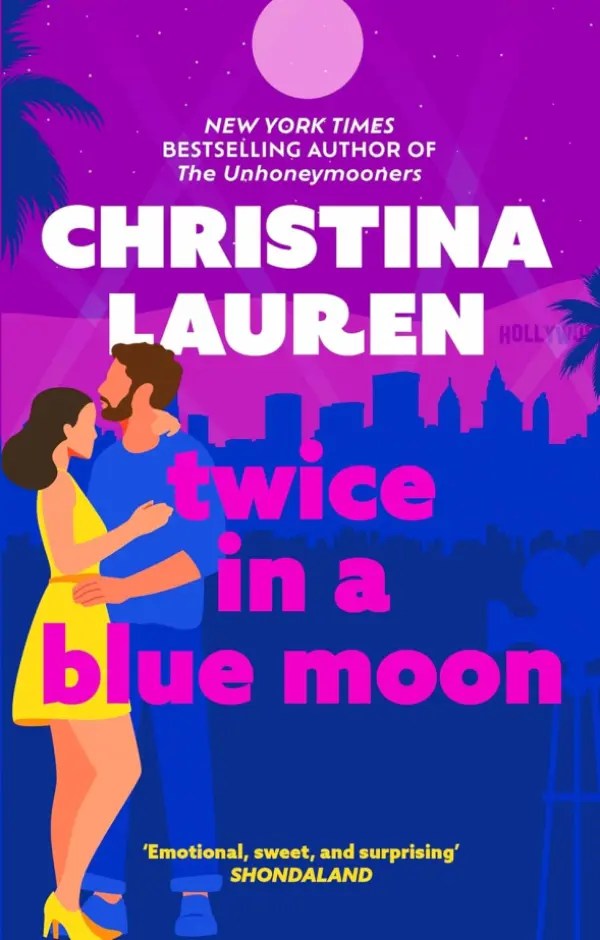
Christina Lauren
Average Goodreads rating3.6
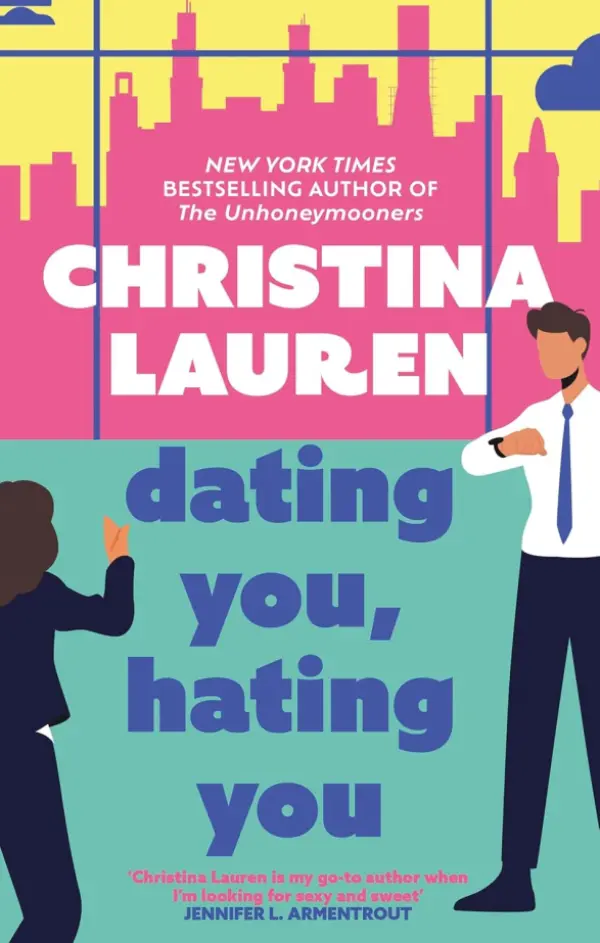
Christina Lauren
Average Goodreads rating3.6
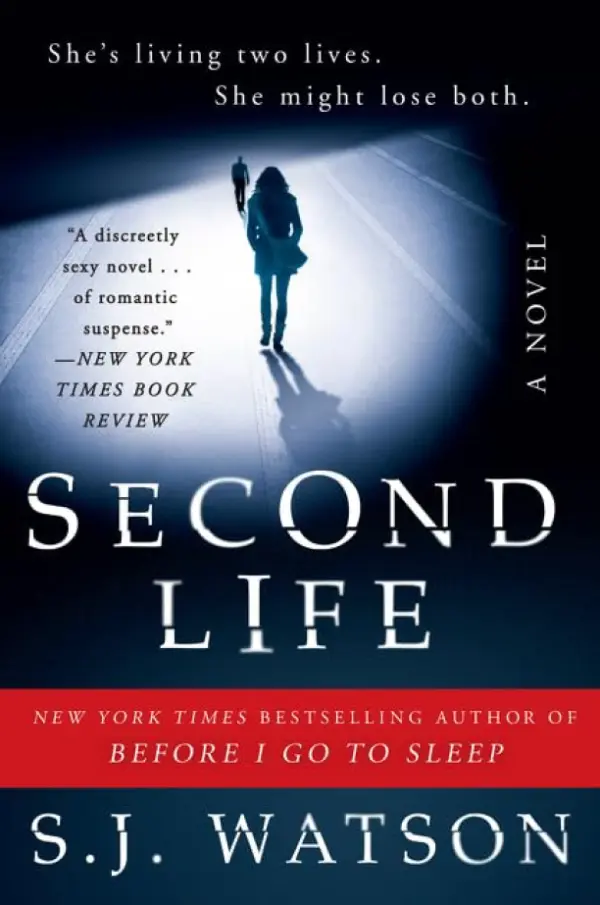
S. J. Watson
Average Goodreads rating3.3
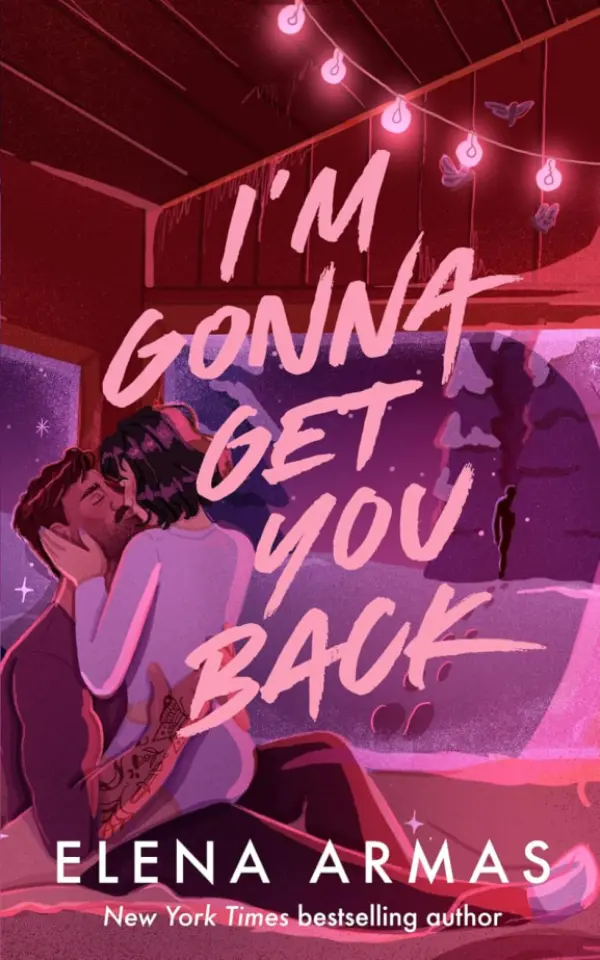
Elena Armas
Average Goodreads rating3.1
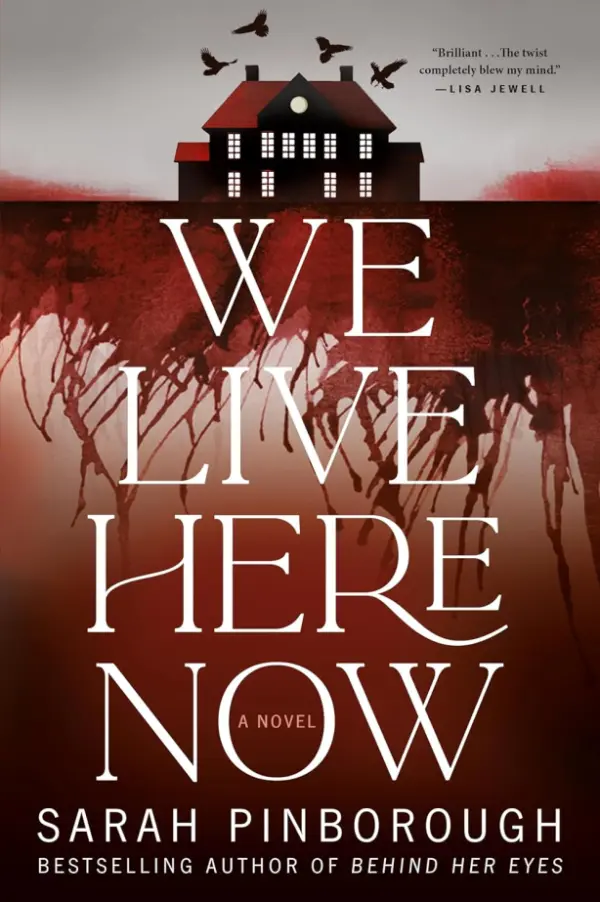
Sarah Pinborough
Average Goodreads rating4.0
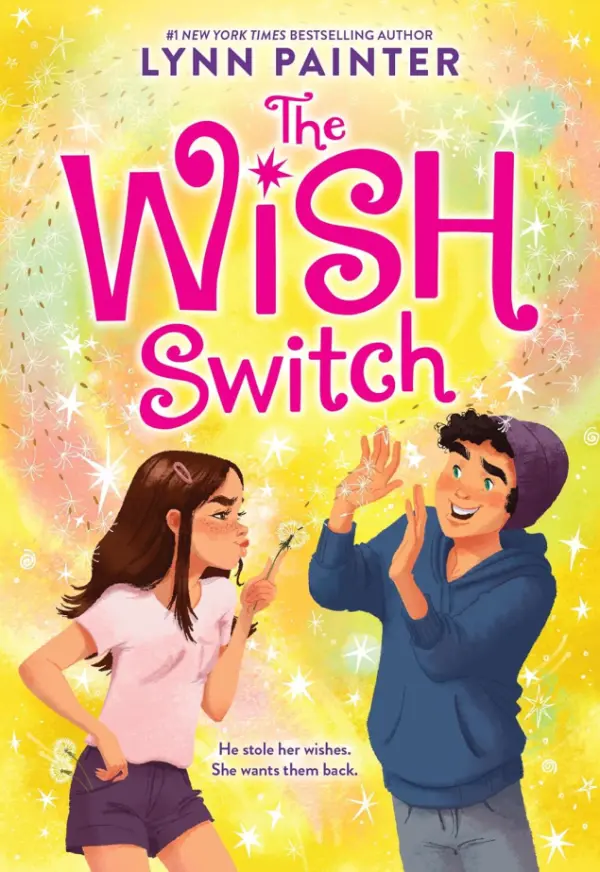
Lynn Painter
Average Goodreads rating3.7
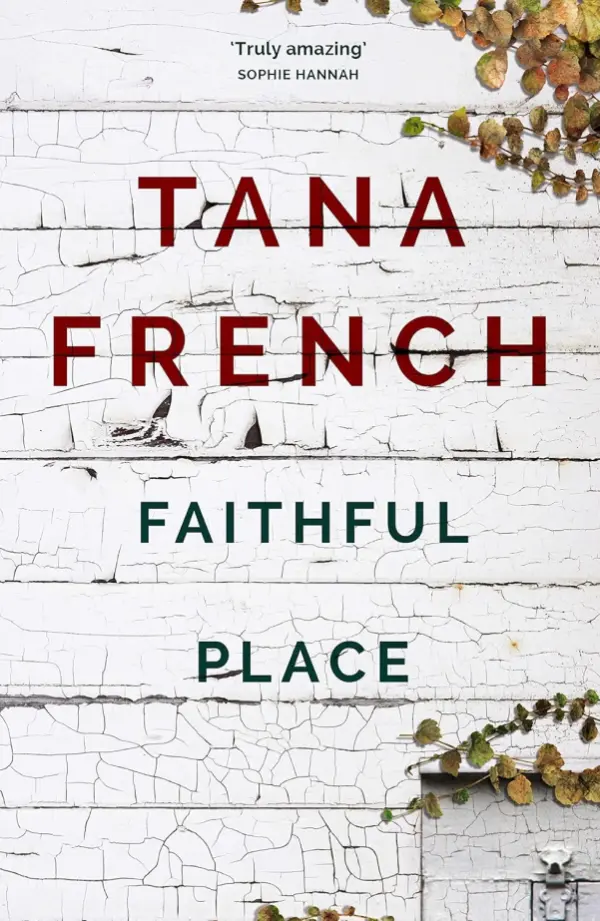
Tana French
Dublin Murder Squad, book 3
Average Goodreads rating4.0
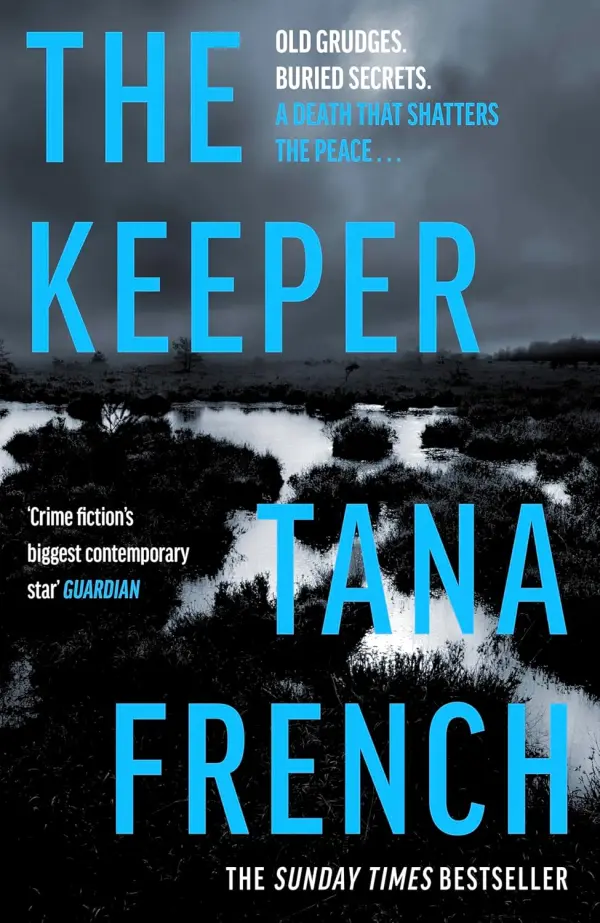
Tana French
Cal Hooper, book 3
Average Goodreads rating4.3
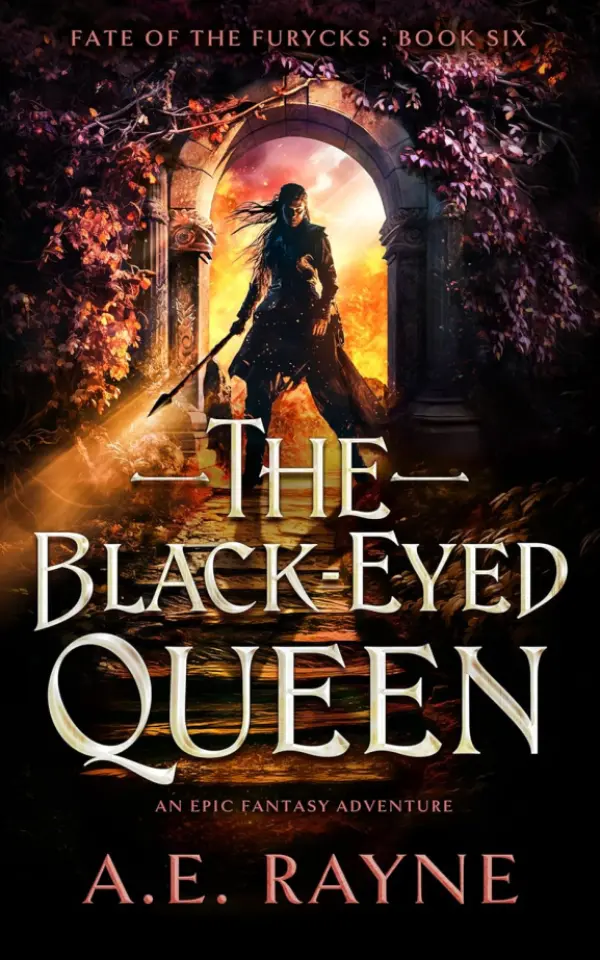
A. E. Rayne
Fate of the Furycks, book 6
Average Goodreads rating4.7

Robin Hobb
Fitz and the Fool, book 1
Average Goodreads rating4.7
Matched via its series

Arkady Martine
Teixcalaan, book 1
Average Goodreads rating4.3
Matched via its series

Robin Hobb
Liveship Traders Trilogy, book 1
Average Goodreads rating4.5
Matched via its series
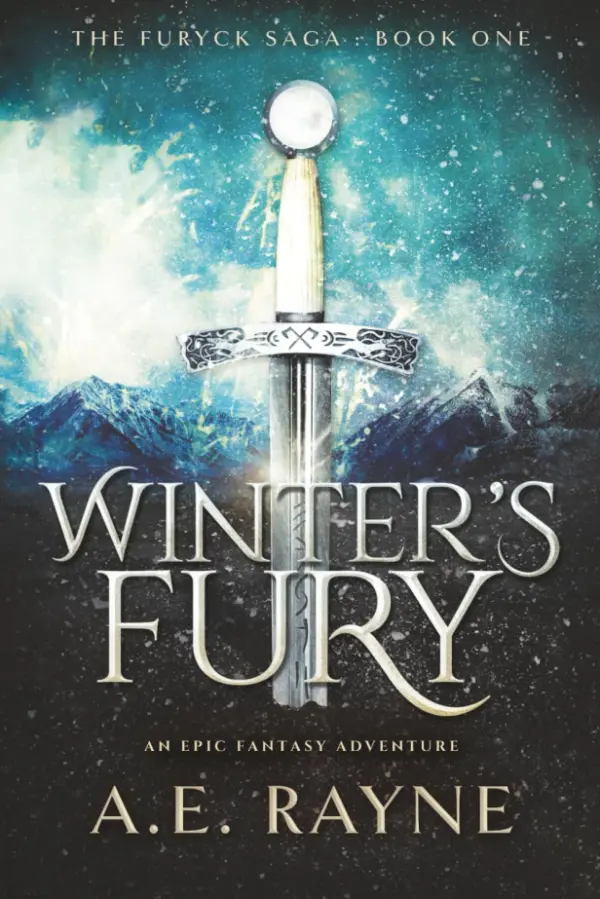
A. E. Rayne
The Furyck Saga, book 1
Average Goodreads rating4.2
Matched via its series
Tropes that share the most books with Complicated Romance
Some love stories are straightforward. Two people meet, feel something, and find their way to each other without too much standing in the way. Complicated Romance is not that story. It is the love that arrives at the wrong time, between the wrong people, in the wrong circumstances - and refuses to leave anyway. The obstacles aren't misunderstandings that a single honest conversation could resolve. They are structural, historical, moral, or deeply personal. The feelings are real. Getting from those feelings to anything resembling a future is the entire point.
Complicated Romance is defined by obstacles that have genuine weight - the kind that can't be brushed aside by a grand gesture or a well-timed confession. The complications might be external: warring loyalties, impossible power dynamics, circumstances that make the relationship actively dangerous. Or they might be internal: trauma that makes closeness feel threatening, wounds from past relationships that colour every interaction, fundamental differences in what each person wants from life. What separates this trope from simpler romance is that the difficulty is not a detour on the way to the relationship - it is woven into the relationship itself, shaping every exchange and every choice the characters make.
Readers are drawn to Complicated Romance because it feels true. Real connection is rarely clean, and fiction that acknowledges this resonates in a way that easier love stories sometimes don't. There is also a particular kind of tension unique to this trope - not the will-they-won't-they suspense of slow-burn romance, but something quieter and more persistent: the question of whether love, however genuine, is actually enough. Watching characters navigate that question - making mistakes, retreating, trying again - is compelling precisely because the outcome is never guaranteed in the way simpler romances often are.
These stories rarely follow a clean trajectory. Progress is made and then undone. Characters get close and then pull back, sometimes for reasons that are entirely understandable and sometimes for reasons they themselves don't fully grasp. The emotional arc tends to be nonlinear - two steps forward, one step back, occasional leaps in the wrong direction entirely. What drives the narrative is not the destination but the accumulation: the small moments of genuine connection that build despite everything working against them, until the weight of what has grown between the characters becomes impossible to ignore or deny.
Complicated Romance endures because it takes love seriously. It refuses to treat connection as something that simply happens to people and then stays put. Instead, it insists that relationships are built - imperfectly, painfully, with setbacks and second-guessing and the persistent, uncomfortable hope that it might still work out. When it does, the resolution lands with far more weight than a straightforward romance could carry, because readers have felt every kilometre of the distance the characters had to cross. When it doesn't, it stays with you for entirely different reasons. Either way, it earns its ending.
Occasional emails with new recommendations, series news and trope round-ups.