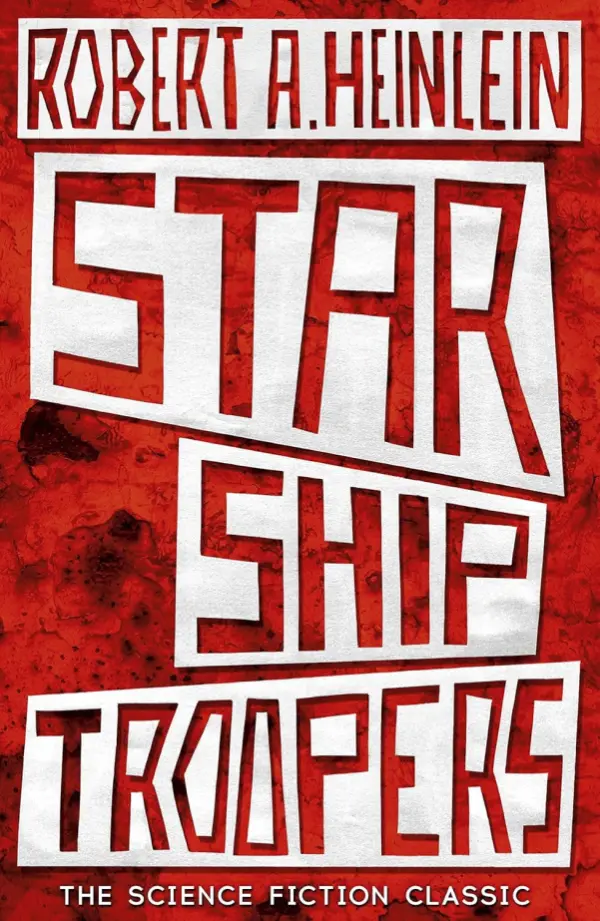
Starship Troopers
Average Goodreads rating4.3
- Coming of Age
- Military Space Adventure

Author · American
Robert A. Heinlein was a science fiction grandmaster who shaped the genre through works like Starship Troopers and The Moon is a Harsh Mistress. Known for provocative ideas, libertarian themes, competent protagonists, and exploring social structures through sci-fi.
New to Robert A. Heinlein? A popular place to start
Starship Troopers by Robert A. Heinlein follows Juan Rico through military service in humanity's war against alien bugs. This controversial 1959 novel explores citizenship, civic duty, military life, and powered armor whilst sparking debates about militarism and democracy.
Picked from Robert A. Heinlein’s most widely rated books on Goodreads, starting at the beginning of its series.
Retailer links may earn Trope Trove a commission, at no extra cost to you.
Not part of a series listed on Trope Trove
Average Goodreads rating4.3
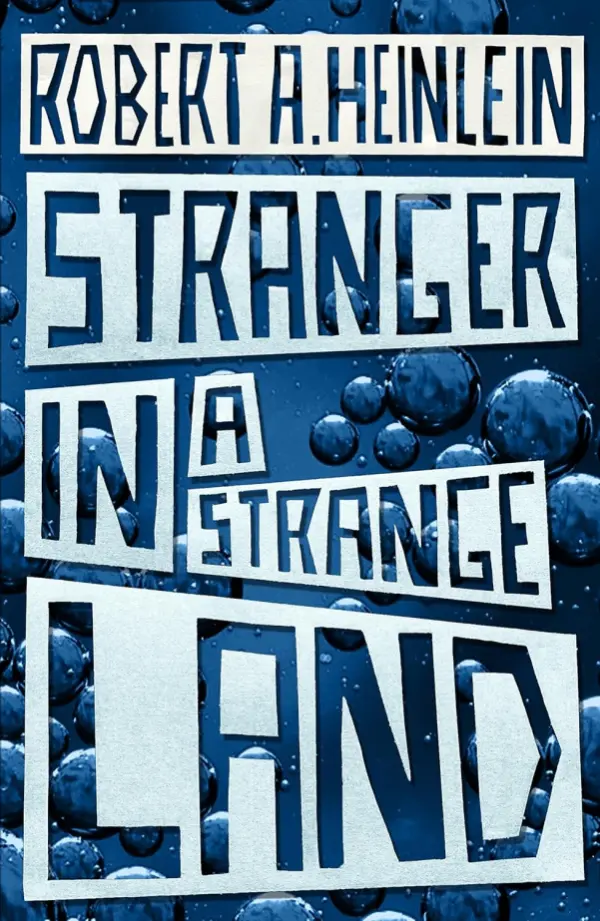
Average Goodreads rating4.0
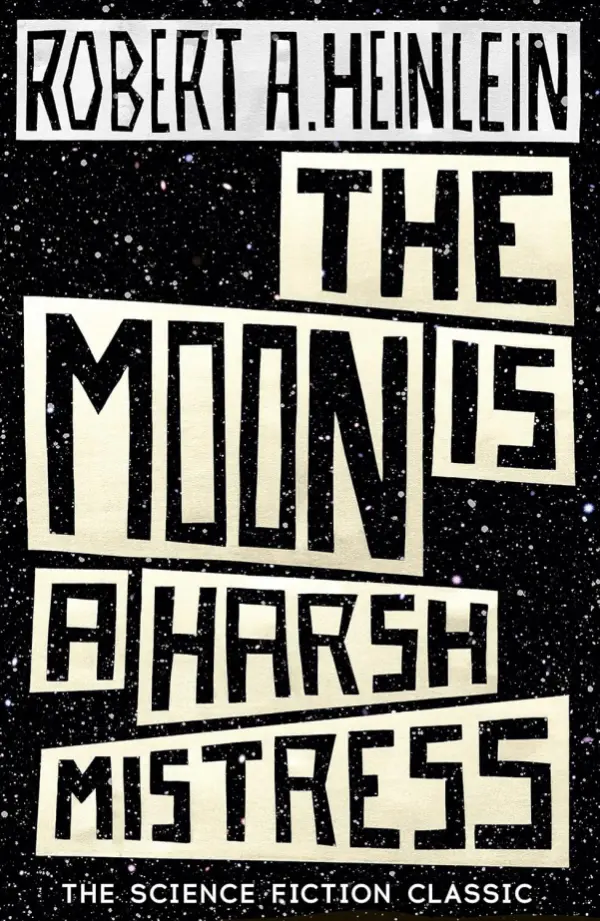
Average Goodreads rating4.4
Robert A. Heinlein (1907-1988) was an American science fiction author whose influence on the genre is difficult to overstate, earning him the title "Dean of Science Fiction Writers" through novels and stories that blended rigorous scientific speculation with provocative social commentary, libertarian political philosophy, and explorations of how human societies might organize themselves under different conditions. From his juvenile novels introducing young readers to space exploration to his later controversial works challenging sexual mores and social conventions, Heinlein created science fiction that inspired generations whilst also dividing readers with his increasingly libertarian politics and unconventional ideas about relationships, government, and individual freedom.
Heinlein's career can be roughly divided into periods:
Early Work and Juveniles (1940s-1950s): Heinlein's juvenile novels - written for younger audiences but appealing to adults - include works like Space Cadet, Red Planet, and Have Space Suit - Will Travel, introducing readers to competent protagonists solving problems through intelligence and self-reliance whilst exploring space. These books influenced countless readers toward science and engineering careers whilst establishing Heinlein's core themes: individual competence, skepticism of authority, and rigorous attention to scientific plausibility.
Middle Period (1950s-1960s): This era produced some of Heinlein's most celebrated and controversial works:
Starship Troopers (1959) depicts a future Earth governed by military veterans, where citizenship must be earned through service. The novel sparked debates about militarism, civic duty, and democracy that continue today - some read it as fascist propaganda whilst others see sophisticated political satire or genuine exploration of civic responsibility.
Stranger in a Strange Land (1961) follows Valentine Michael Smith, a human raised by Martians who returns to Earth and challenges social conventions around religion, sexuality, and relationships. The novel became counterculture phenomenon, influencing the sexual revolution whilst showcasing Heinlein's willingness to challenge social norms.
The Moon is a Harsh Mistress (1966) depicts lunar colonists' revolution against Earth's control, exploring libertarian political theory, revolution mechanics, and artificial intelligence through the story of a sentient computer helping humans achieve independence.
Later Works (1970s-1980s): Novels like Time Enough for Love and Friday pushed boundaries further, exploring polyamory, incest, and other controversial themes whilst continuing to examine freedom, competence, and social organization. These works divided fans - some appreciated Heinlein's continued willingness to provoke whilst others found the content gratuitous or the politics problematic.
Heinlein's writing is characterized by competent protagonists who solve problems through knowledge and self-reliance, libertarian political philosophy emphasizing individual freedom, rigorous attention to scientific plausibility (in earlier works), provocative social commentary, exploration of alternative social structures, skepticism toward authority and collectivism, and direct prose prioritizing ideas over literary flourishes.
Common themes include individual competence and self-reliance, earned citizenship and civic duty, sexual freedom and alternative relationships, revolution and political organization, skepticism toward government authority, exploring how societies organize under different conditions, artificial intelligence, and whether humans can adapt to new environments whilst maintaining essential humanity.
Heinlein's influence extends beyond literature - his ideas about space colonization, military service, and social organization influenced real-world discussions in politics, military theory, and space policy. His rigorous approach to science fiction helped legitimize the genre whilst his provocative ideas ensured his work remained controversial.
What distinguishes Heinlein is his commitment to using science fiction as laboratory for exploring social and political ideas, creating thought experiments that force readers to examine assumptions about government, freedom, and human nature.

Frank Herbert
Dune, book 1
Average Goodreads rating4.3
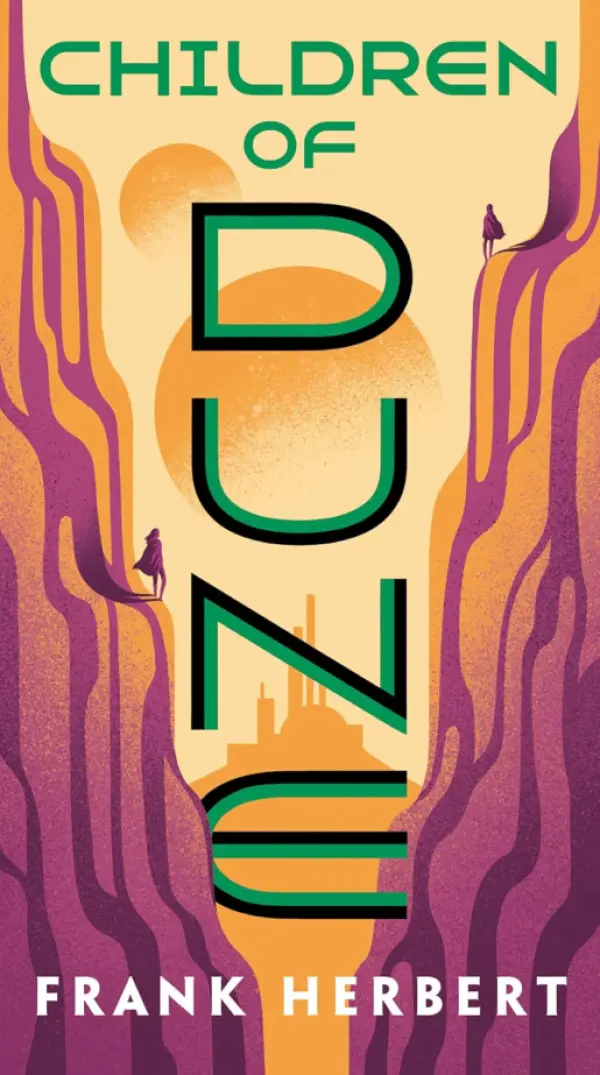
Frank Herbert
Dune, book 3
Average Goodreads rating4.0
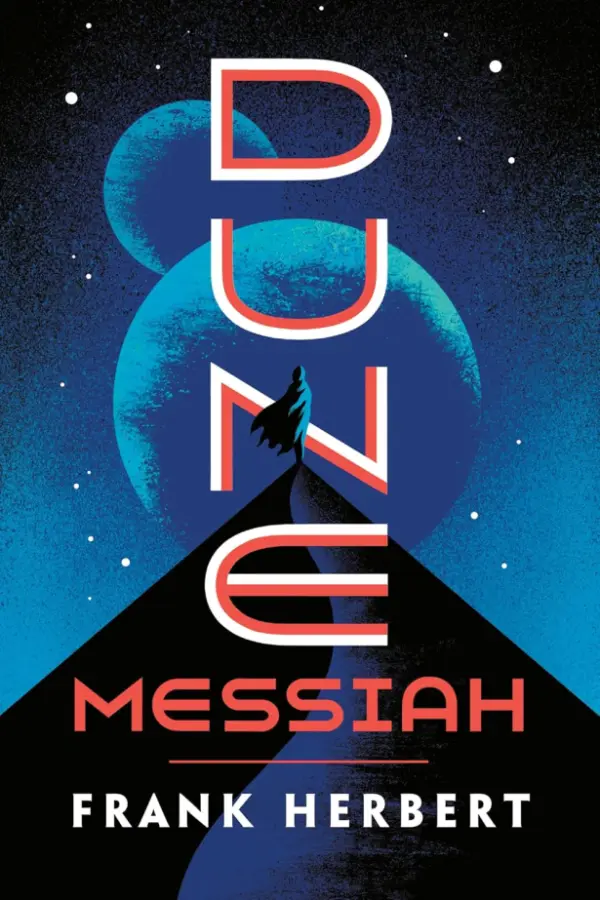
Frank Herbert
Dune, book 2
Average Goodreads rating3.9
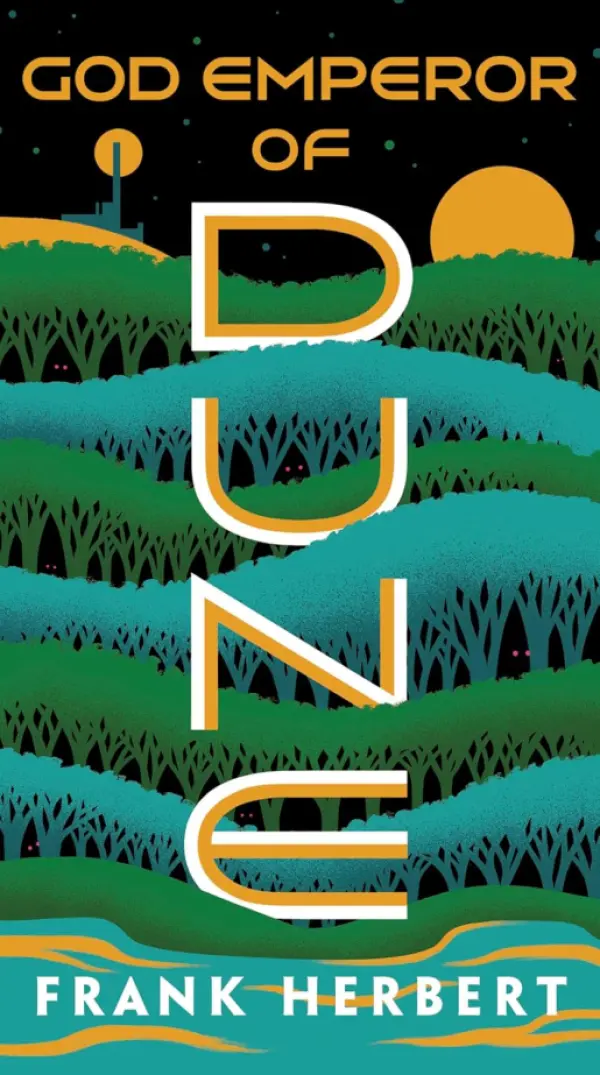
Frank Herbert
Dune, book 4
Average Goodreads rating3.9
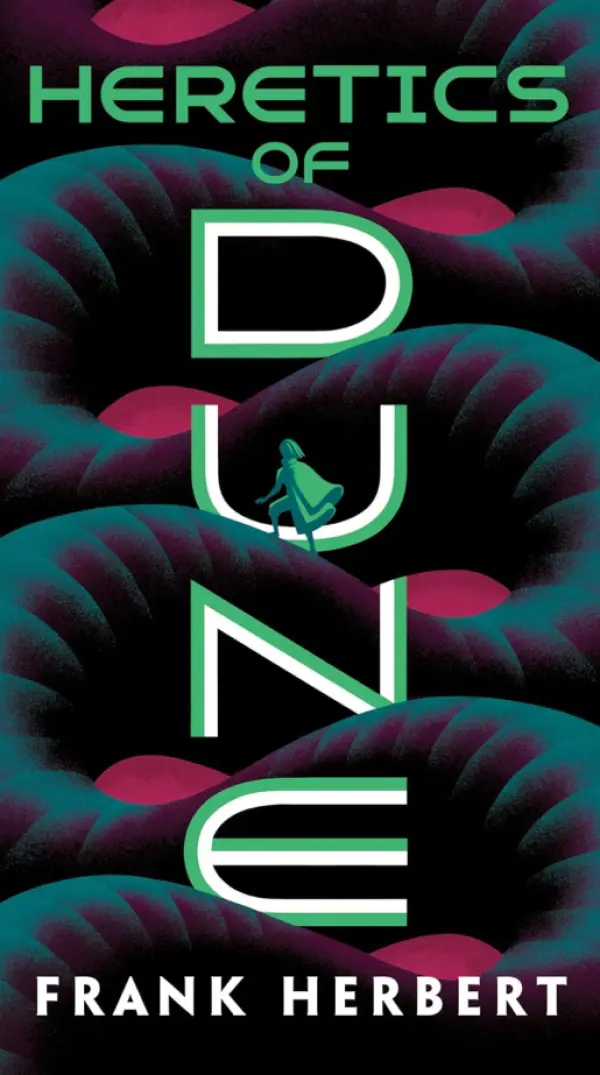
Frank Herbert
Dune, book 5
Average Goodreads rating3.8
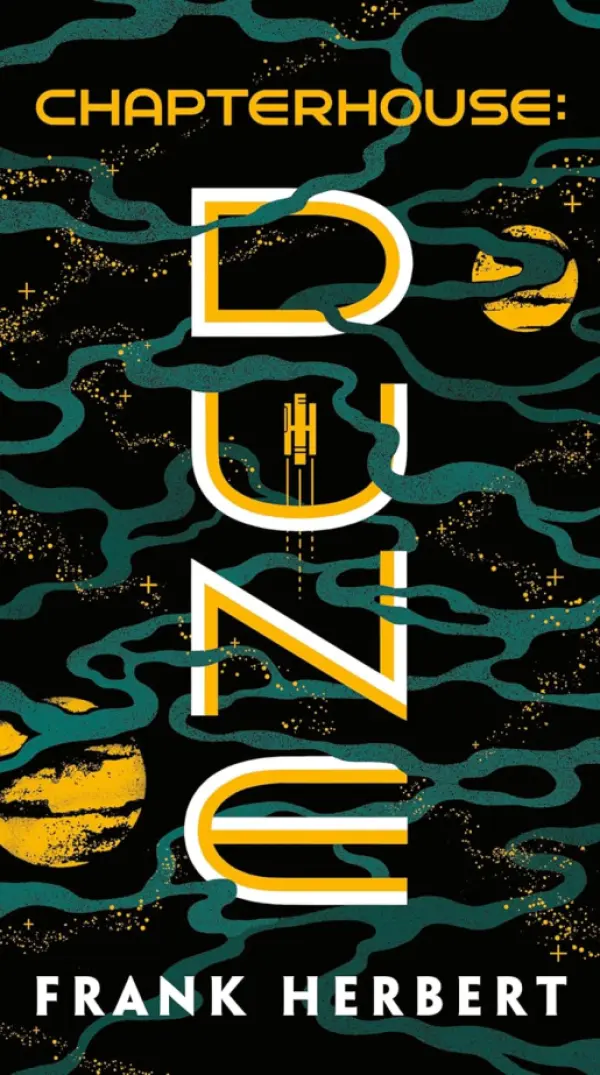
Frank Herbert
Dune, book 6
Average Goodreads rating3.9
Occasional emails with new recommendations, series news and trope round-ups.