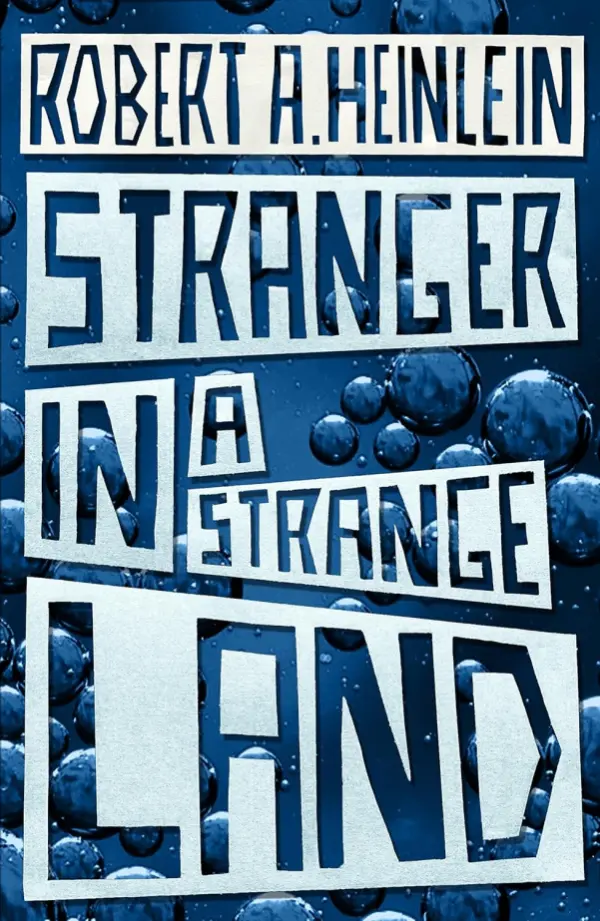
Stranger in a Strange Land
Robert A. Heinlein
Average Goodreads rating4.0
- Award Winning Book
- Psychic Powers

Book trope · 1 book
Alternative relationships in fiction move beyond the conventional two-person romantic pairing to explore how love, intimacy, and commitment can be structured in ways that don't follow a single template.
More about the Alternative Relationships tropeUpdating books…
1 book found
Robert A. Heinlein
Average Goodreads rating4.0
Tropes that share the most books with Alternative Relationships
Alternative relationships in fiction move beyond the conventional two-person romantic pairing to explore how love, intimacy, and commitment can be structured in ways that don't follow a single template. Polyamory, open relationships, relationship anarchy, queerplatonic partnerships, throuples, and chosen-family configurations all fall under this umbrella. What unites them isn't a single set of rules but rather the deliberate, consensual rethinking of what a relationship is allowed to look like.
Readers are drawn to these stories precisely because they ask the questions most romances leave unexamined. Who decided love has to be exclusive? What happens when two people's needs don't neatly complement each other, but three people's do? The genre at its best treats these questions with genuine curiosity rather than using non-traditional structures as mere shock value.
The key word, in almost every well-executed version of this trope, is communication. Alternative relationship structures collapse without it, which means stories built around them tend to foreground honest, sometimes uncomfortable conversations about needs, jealousy, boundaries, and desire. That's part of their appeal. The emotional labour is made visible in a way it rarely is in conventional romance.
Consent and negotiation aren't just plot mechanics here — they're where a lot of the tension and tenderness actually live. A scene where characters hammer out what they want from each other can carry as much romantic weight as any declaration of love. That shift in where the drama sits is one of the things that makes these stories feel distinctive.
Fantasy and science fiction have long been hospitable to alternative relationship structures, partly because worldbuilding allows authors to construct societies where such configurations are culturally normal rather than transgressive. That removes one layer of conflict, freeing the story to focus on the emotional dynamics themselves. Contemporary romance, by contrast, often uses the tension between a character's desires and social expectations as a central source of drama.
Paranormal romance has its own long tradition here, particularly with fated-mate stories involving multiple bonds, or pack dynamics where hierarchy and love become thoroughly entangled. New Adult fiction has increasingly embraced polyamorous storylines with more emotional depth than earlier examples in the genre managed. Literary fiction, meanwhile, tends to explore these structures with a more fractured, introspective lens — less interested in a satisfying resolution and more in the ambiguity of how people actually live.
There's something quietly radical about a story that takes its characters' unconventional desires seriously rather than treating them as a problem to be solved. The best alternative relationship fiction doesn't end with someone choosing one partner and abandoning the others, or with a tidy moral about the dangers of straying from convention. It ends with people who have figured out, imperfectly and with effort, how to build something that works for them specifically.
That specificity is the point. These aren't universal blueprints — they're portraits of particular people finding particular arrangements, and the messiness of that process is exactly what makes them worth reading.
Occasional emails with new recommendations, series news and trope round-ups.