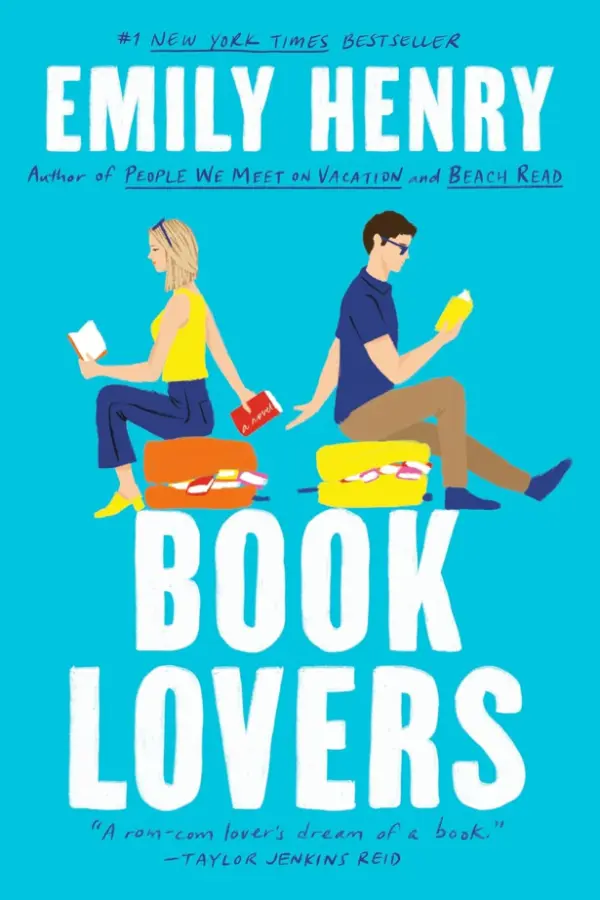
Book Lovers
Emily Henry
Average Goodreads rating4.1
- Witty Banter & Sharp Dialogue
- Trauma and Healing

Book trope · 25 books
First-person point of view places the reader directly inside one character's head, hearing every thought, feeling every hesitation, and experiencing the story exactly as they do.
More about the First-Person POV trope11 are tagged with First-Person POV individually. The others belong to a series tagged with it, which doesn’t mean every book in it features the trope, so they’re marked “Matched via its series”.
Updating books…
25 books found
Emily Henry
Average Goodreads rating4.1

Andy Weir
Average Goodreads rating4.6
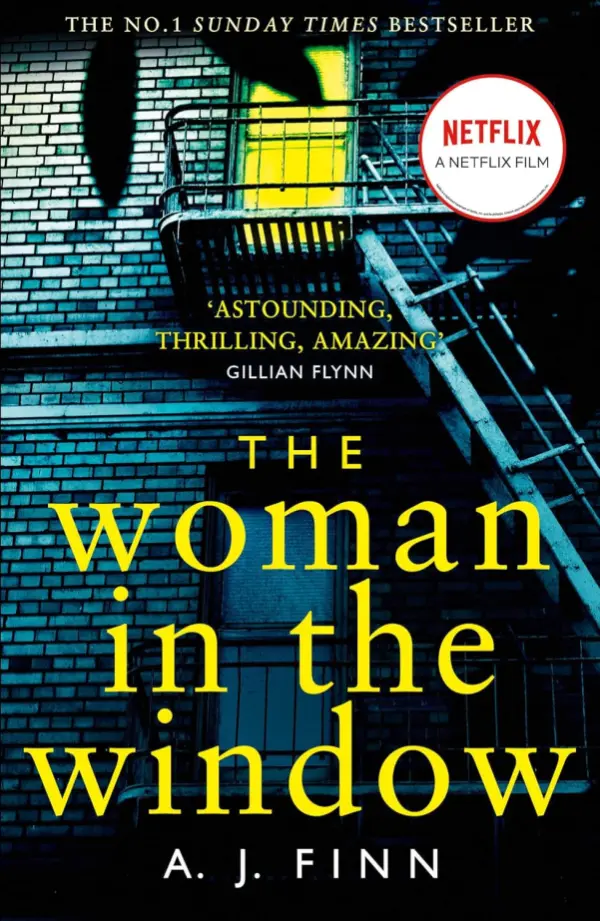
A. J. Finn
Average Goodreads rating4.1
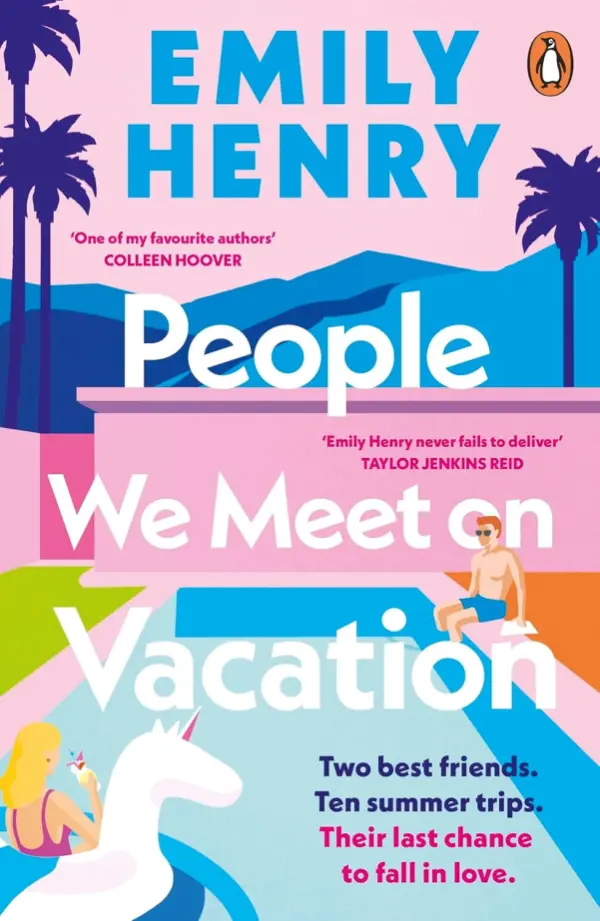
Emily Henry
Average Goodreads rating4.1
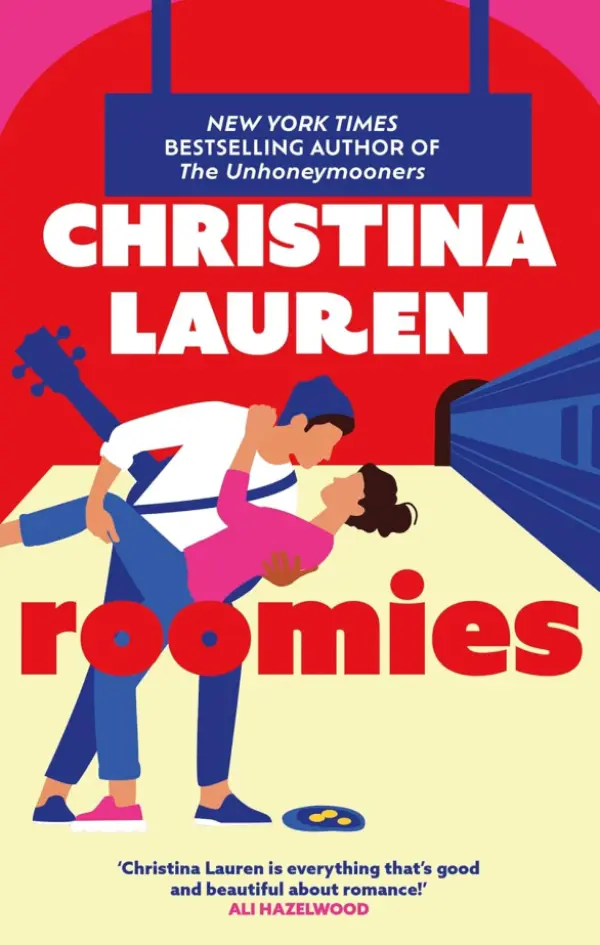
Christina Lauren
Average Goodreads rating3.7
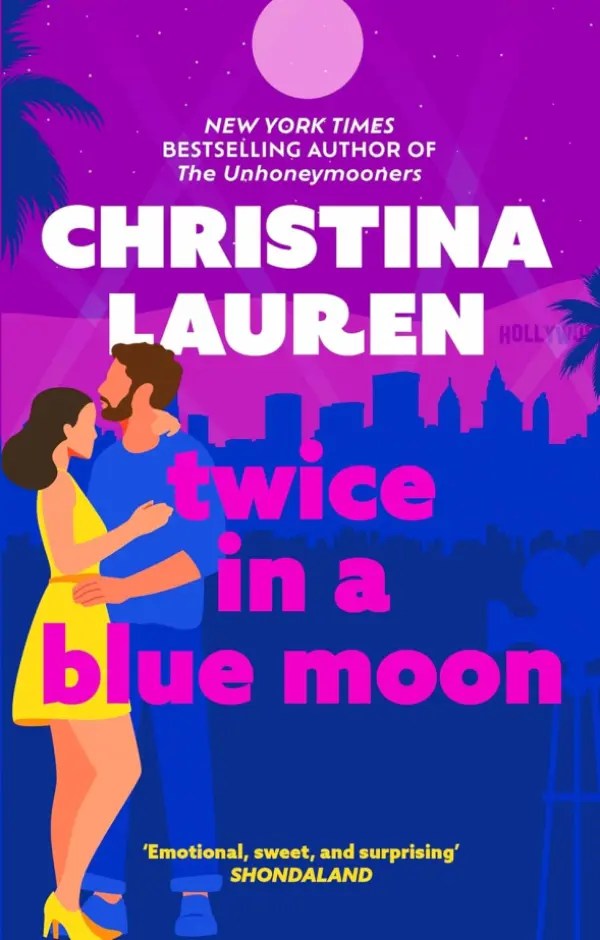
Christina Lauren
Average Goodreads rating3.6
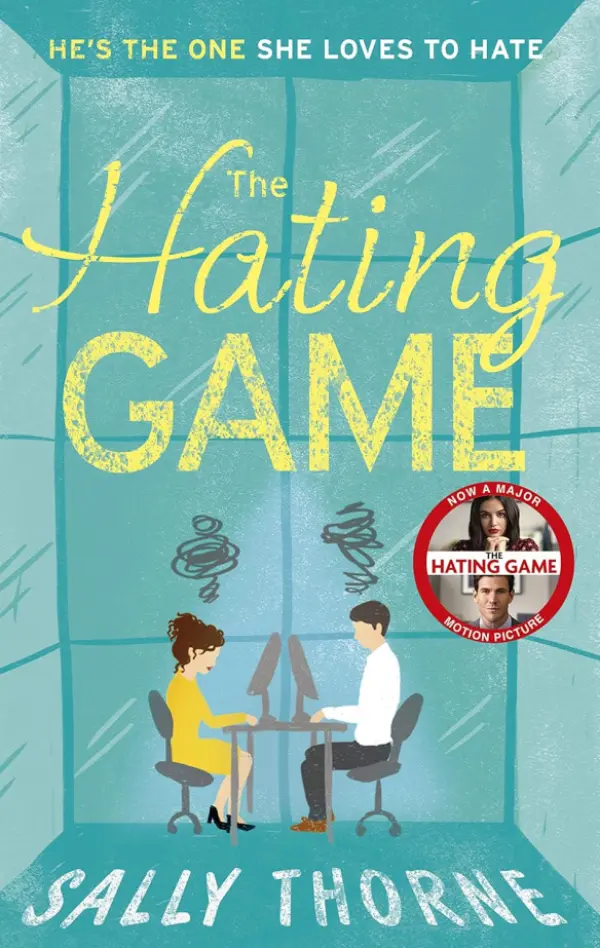
Sally Thorne
Average Goodreads rating4.4
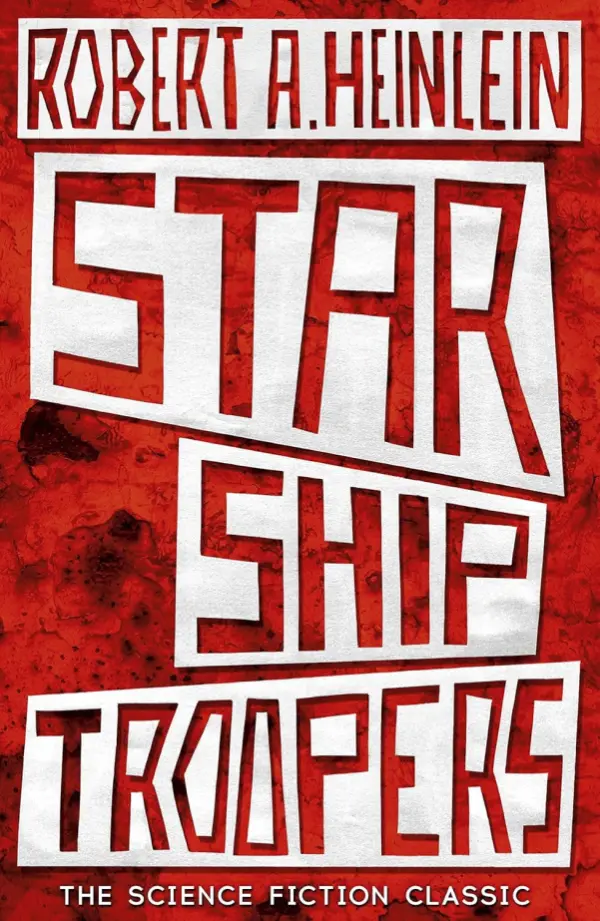
Robert A. Heinlein
Average Goodreads rating4.3
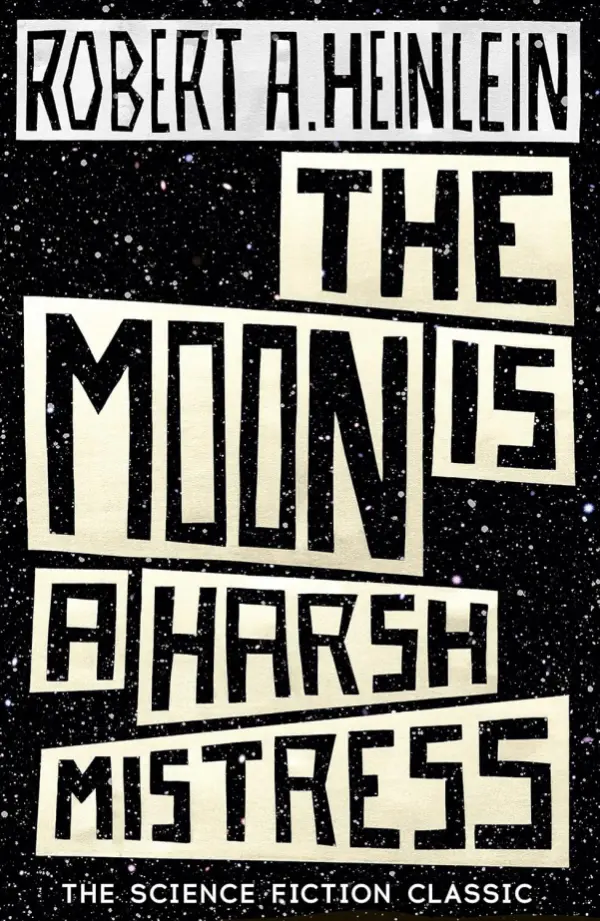
Robert A. Heinlein
Average Goodreads rating4.4
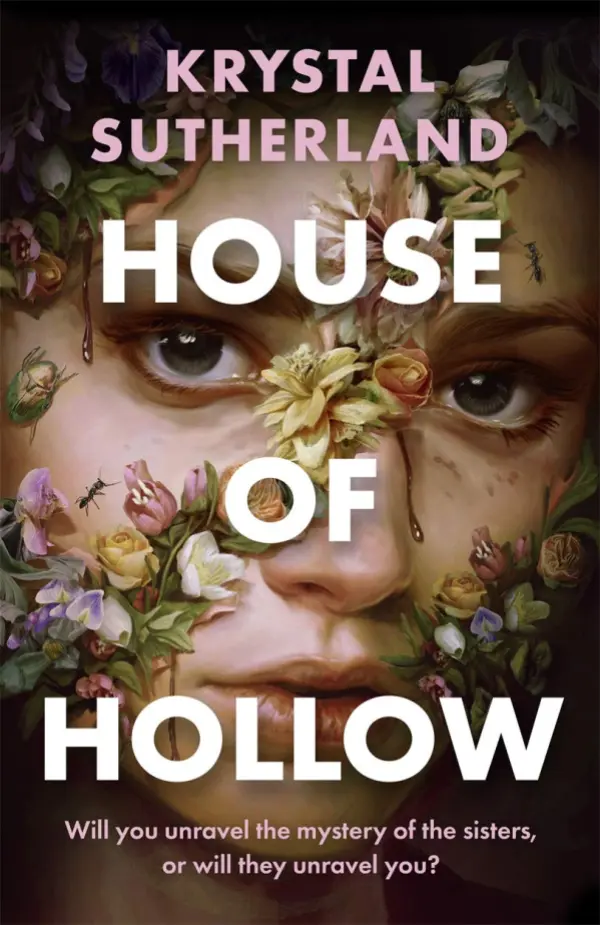
Krystal Sutherland
Average Goodreads rating4.2
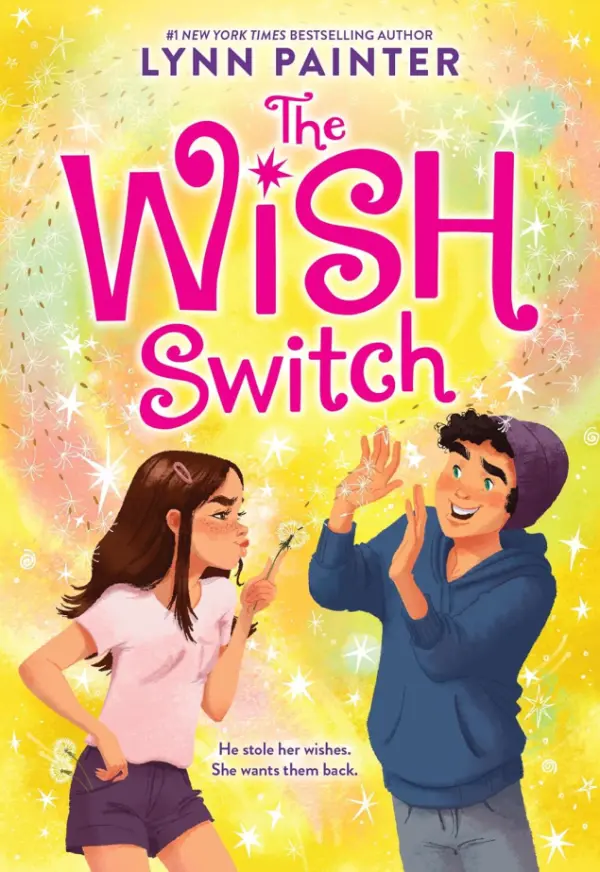
Lynn Painter
Average Goodreads rating3.7
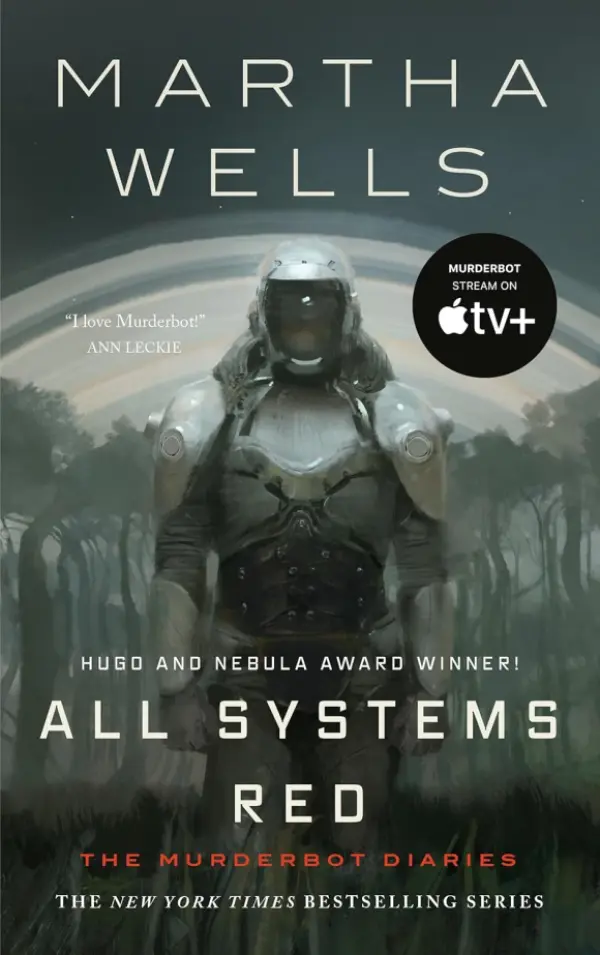
Martha Wells
The Murderbot Diaries, book 1
Average Goodreads rating4.4
Matched via its series

Naomi Novik
The Scholomance, book 1
Average Goodreads rating4.3
Matched via its series
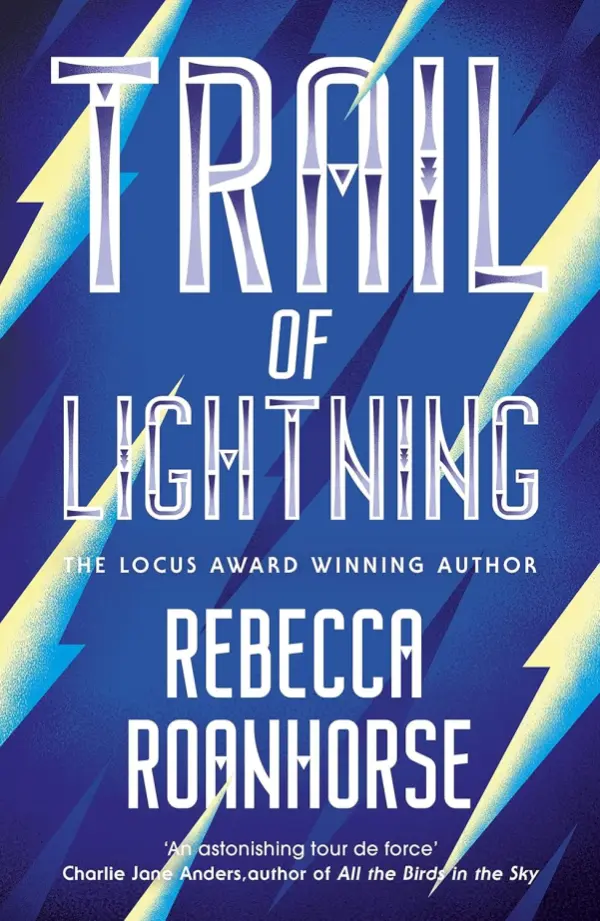
Rebecca Roanhorse
The Sixth World, book 1
Average Goodreads rating4.3
Matched via its series

Shannon Chakraborty
Amina al-Sirafi Adventures, book 1
Average Goodreads rating4.4
Matched via its series
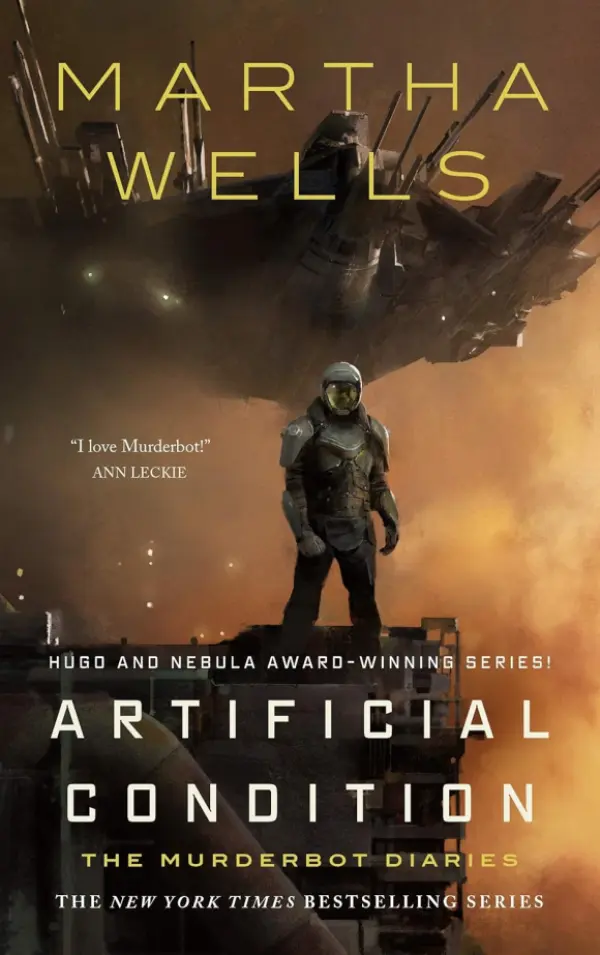
Martha Wells
The Murderbot Diaries, book 2
Average Goodreads rating4.5
Matched via its series
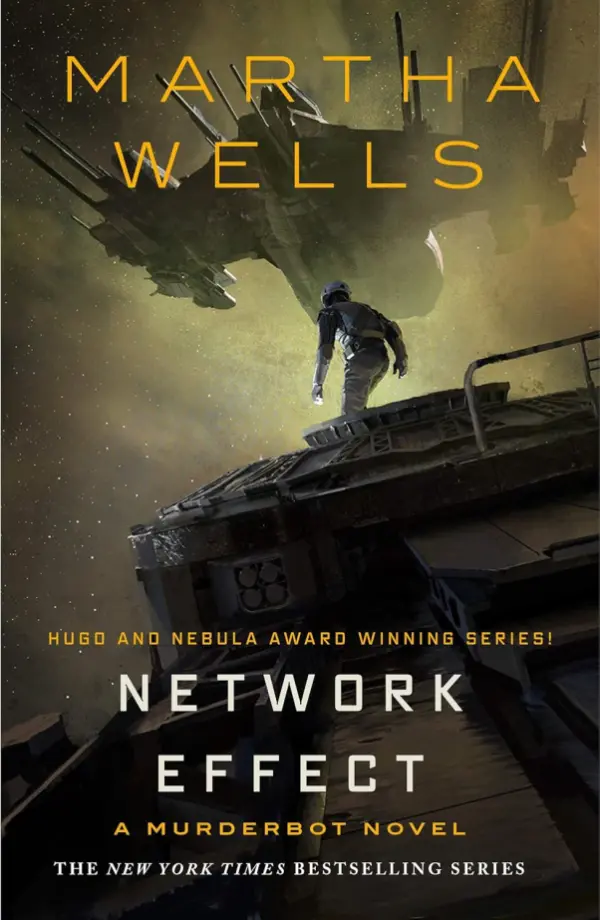
Martha Wells
The Murderbot Diaries, book 5
Average Goodreads rating4.7
Matched via its series
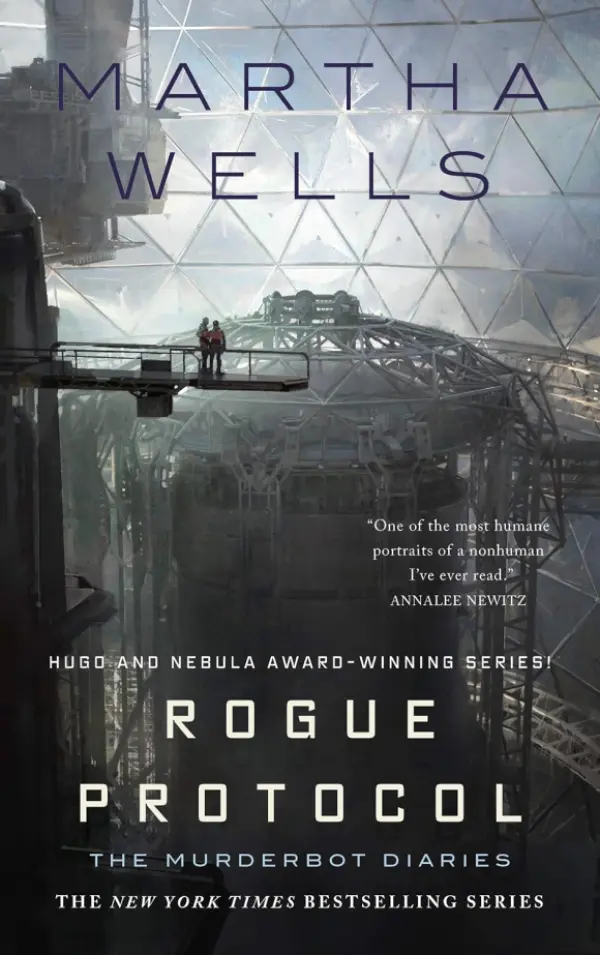
Martha Wells
The Murderbot Diaries, book 3
Average Goodreads rating4.5
Matched via its series
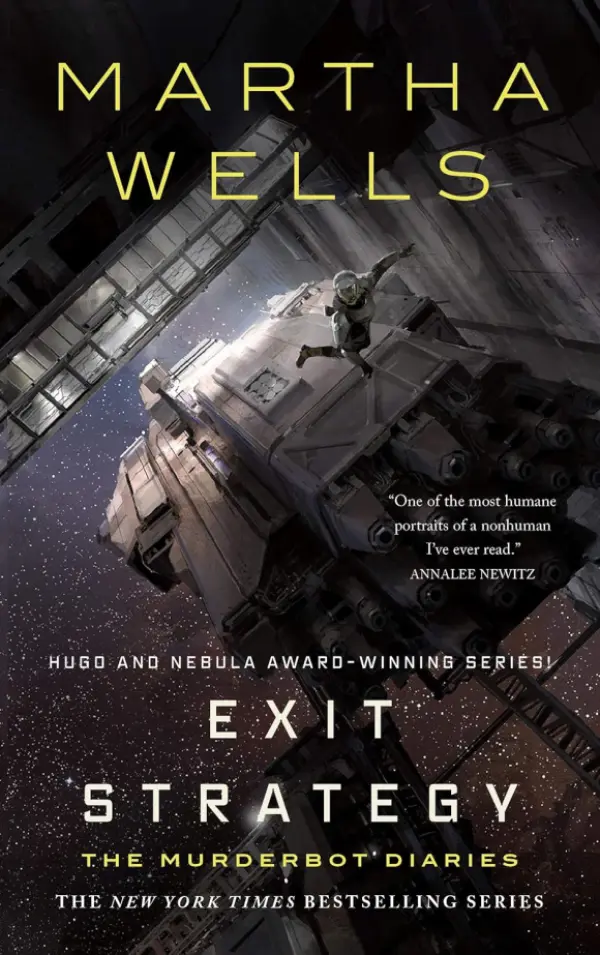
Martha Wells
The Murderbot Diaries, book 4
Average Goodreads rating4.6
Matched via its series
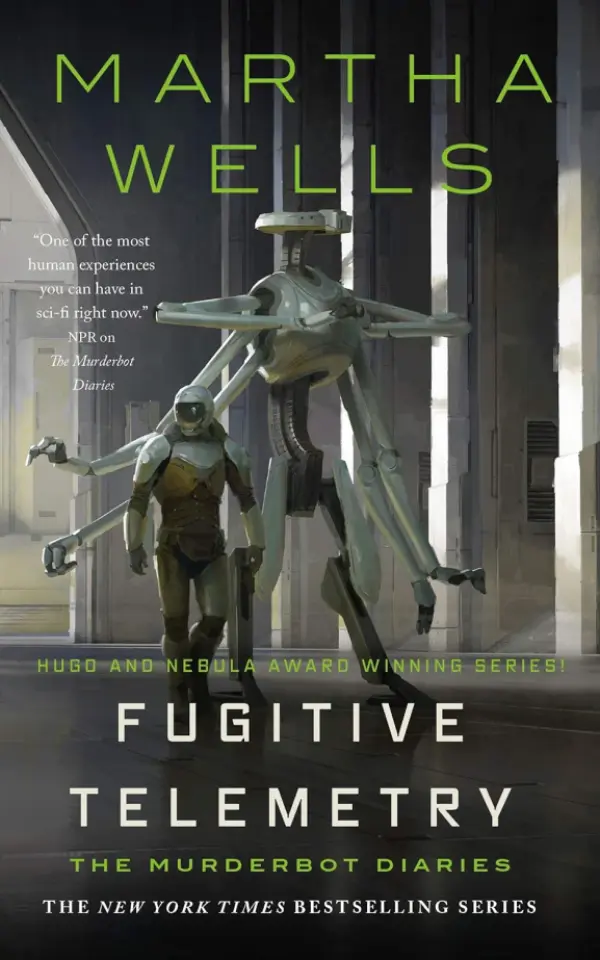
Martha Wells
The Murderbot Diaries, book 6
Average Goodreads rating4.6
Matched via its series
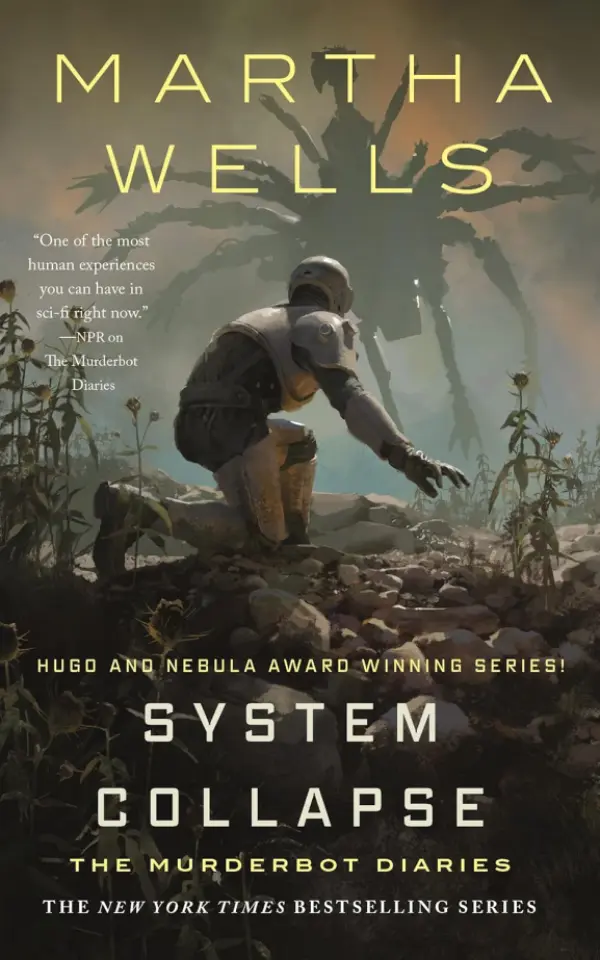
Martha Wells
The Murderbot Diaries, book 7
Average Goodreads rating4.5
Matched via its series

Naomi Novik
The Scholomance, book 2
Average Goodreads rating4.5
Matched via its series

Naomi Novik
The Scholomance, book 3
Average Goodreads rating4.5
Matched via its series
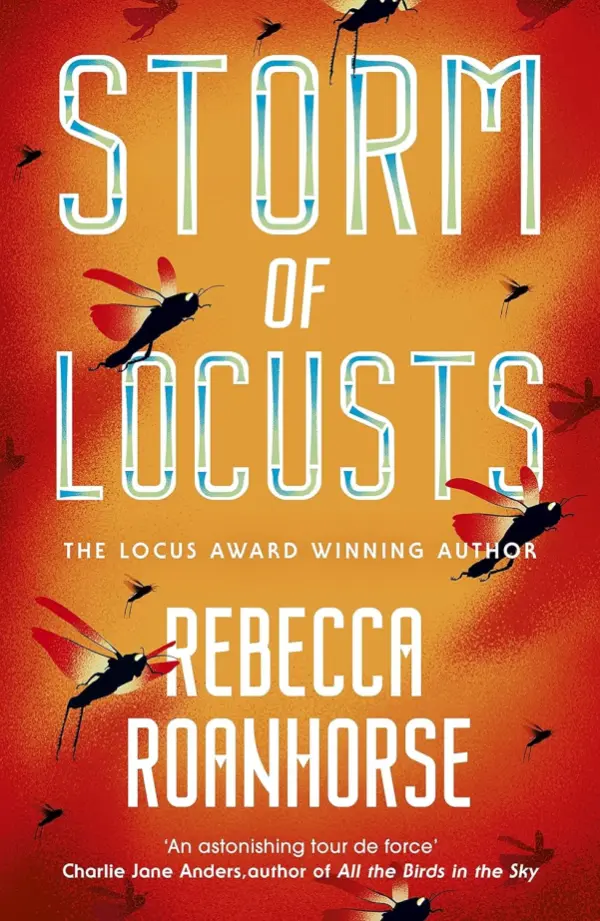
Rebecca Roanhorse
The Sixth World, book 2
Matched via its series

Shannon Chakraborty
Amina al-Sirafi Adventures, book 2
Matched via its series
Tropes that share the most books with First-Person POV
First-person point of view places the reader directly inside one character's head, hearing every thought, feeling every hesitation, and experiencing the story exactly as they do. The narrator speaks as 'I', and that single word shifts everything. There's no omniscient distance, no narrative safety net. You're locked in with them, for better or worse.
In fantasy and romance especially, this intimacy is the whole point. When your protagonist is falling for someone, doubting themselves, or facing something genuinely terrifying, first-person POV makes the reader feel all of it at roughly the same intensity. It's an inherently emotional mode of storytelling.
The defining quality isn't just the pronoun — it's the unreliable gap between what the narrator knows, what they believe, and what's actually true. A first-person narrator can be wrong about other characters, wrong about themselves, and gloriously, stubbornly wrong about what they feel. Readers often clock the truth before the narrator does, which creates a particular kind of tension that's hard to replicate in third person.
Voice becomes everything. A weak or generic first-person narrator can flatten a story entirely, while a distinctive one can make even a familiar plot feel like a fresh experience. The best first-person narrators have opinions about small things, not just the dramatic ones — the way someone laughs, the smell of a room, which detail they notice first in a crowd.
Single first-person POV follows one narrator throughout, creating the tightest possible bond between reader and character. Dual or multi first-person — increasingly common in romance — alternates between two or more narrators, each speaking as 'I'. Done well, this lets readers see the same events refracted through conflicting interpretations, which is especially effective in slow-burn romance where both characters are catastrophically misreading each other.
Present tense first-person has become a near-standard in young adult fantasy, heightening the sense of immediacy and danger. Past tense, meanwhile, implies a narrator who survived long enough to tell the tale — which carries its own quiet reassurance, or occasionally its own dread. Some authors play with first-person narrators who are unreliable by design, whose version of events the reader is quietly invited to question from the very first page.
There's a reason first-person is so dominant in emotionally driven genre fiction. Readers who want to feel transported — not just informed — tend to gravitate toward it instinctively. It collapses the distance between page and person.
The trope also rewards re-reading in a way third-person sometimes doesn't. Once you know a narrator's blind spots, their earlier self-deceptions read completely differently. A character insisting they don't care about someone, when everything else they notice about that person suggests otherwise, is a specific pleasure that first-person delivers better than any other mode. If you want to live inside a story rather than observe it, this is where you belong.
Occasional emails with new recommendations, series news and trope round-ups.