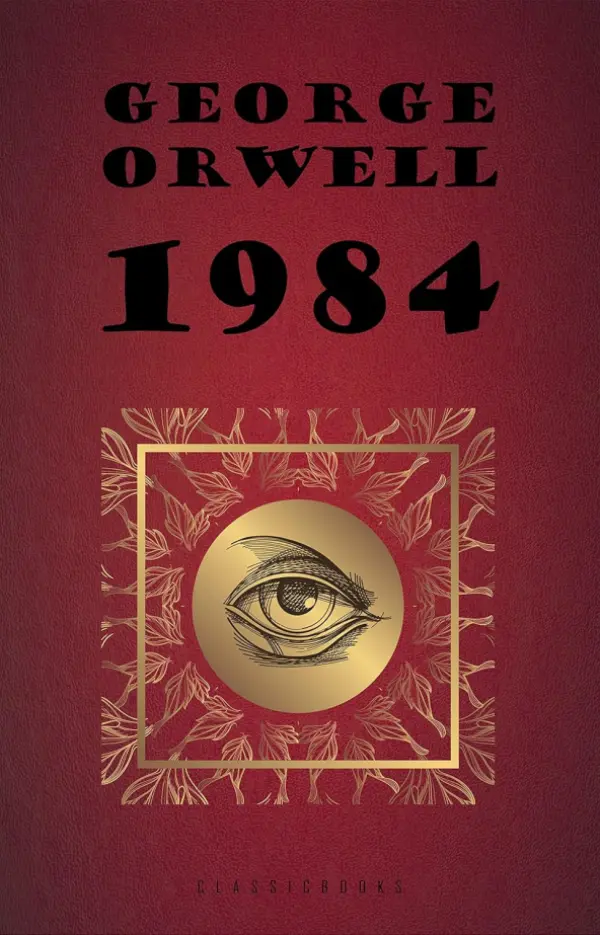
1984
George Orwell
Average Goodreads rating4.4
- Dystopian Society
- Psychological Manipulation

Book trope · 3 books
Someone is lying to the public, and the lie has been so thoroughly baked into daily life that most people don't even know they're consuming it.
More about the Propaganda & Misinformation tropeUpdating books…
3 books found
George Orwell
Average Goodreads rating4.4
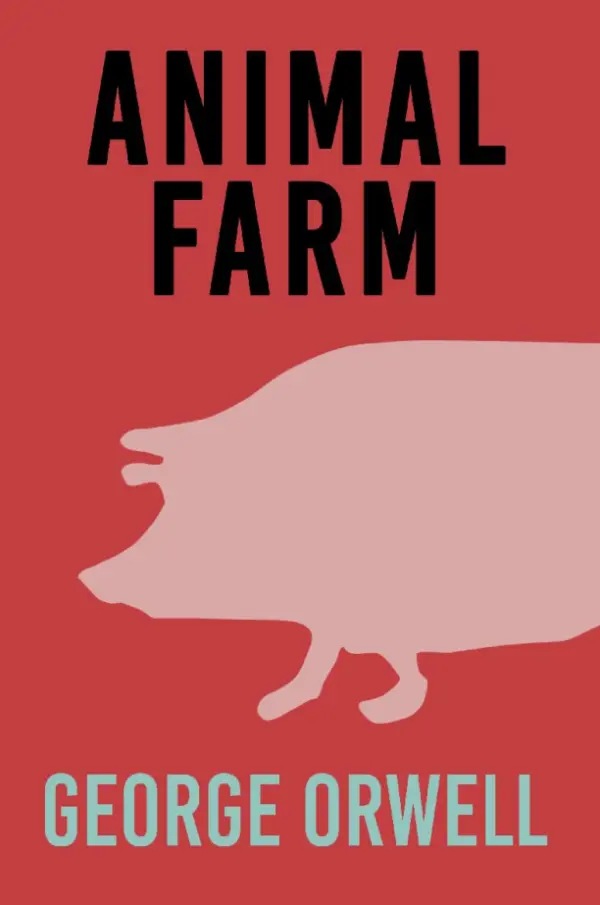
George Orwell
Average Goodreads rating4.6
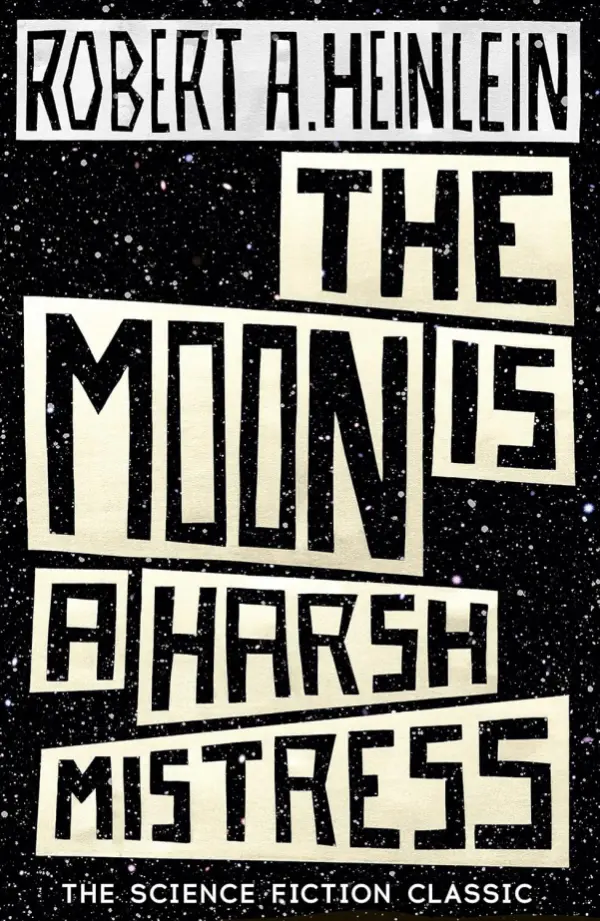
Robert A. Heinlein
Average Goodreads rating4.4
Tropes that share the most books with Propaganda & Misinformation
Someone is lying to the public, and the lie has been so thoroughly baked into daily life that most people don't even know they're consuming it. That's the engine driving the propaganda and misinformation trope — a narrative built around the gap between official truth and actual truth, and the people brave or foolish enough to notice the difference.
At its core, the trope is about power. Whoever controls the story controls the population. Governments suppress dissent through carefully manufactured consensus. Regimes rewrite history to suit the present. Media outlets broadcast whatever keeps the ruling class comfortable. The protagonist usually starts somewhere on a spectrum from true believer to uneasy doubter, and the story traces the painful, often dangerous process of waking up.
There's something deeply unsettling about a world where the ground truth keeps shifting — and that discomfort is exactly what makes this trope so compelling. Readers get to experience the paranoia of not knowing who to trust, the vertigo of realising everything you were taught might be engineered, and the sharp satisfaction of piecing together what's actually going on before the protagonist does.
It also asks genuinely difficult questions. Is it better to know a painful truth or live inside a comfortable lie? When a society is built on misinformation, is the person who speaks up a hero or simply someone who's made everyone else's life harder? The trope rarely lets readers off the hook with easy answers.
In dystopian fantasy, propaganda is practically structural — state broadcasts, restricted books, doctored maps, and enforced ceremonies all serve the same function of keeping citizens compliant. But the trope stretches well beyond dystopia. Historical fantasy uses it to examine how myths about noble bloodlines or divine mandate were manufactured and maintained. Political fantasy deploys it through court intrigue, where reputation is a weapon and rumour is policy. Even romantic subplots can pivot on misinformation — two characters kept apart by deliberate lies fed to one or both of them by outside forces.
The mechanics vary too. Sometimes misinformation is top-down, issued by a single authoritarian source. Other times it's more diffuse: a culture of silence, an unspoken agreement not to ask certain questions, or centuries of accumulated half-truths that no single person orchestrated but everyone perpetuates. The latter tends to produce the most morally complex stories, because there's no obvious villain to defeat.
The best versions of this trope don't just use propaganda as wallpaper for a chase plot. They make the reader feel the machinery — the repetition, the plausibility, the way misinformation wraps itself in the language of safety and patriotism and common sense. Characters who've spent their whole lives inside a lie don't usually shout eureka the moment they see the cracks. They deny. They grieve. They wonder whether knowing was worth it.
That psychological texture is what separates a memorable propaganda narrative from a forgettable one. When the trope is working properly, you finish the book slightly suspicious of the next official-sounding thing you read. Which, arguably, is the point.
Occasional emails with new recommendations, series news and trope round-ups.