
Skyward
Brandon Sanderson
Skyward, book 1
Average Goodreads rating4.6

We independently select and recommend books. Purchases made through our links may earn us a commission, at no extra cost to you. Prices and availability are set by each retailer.
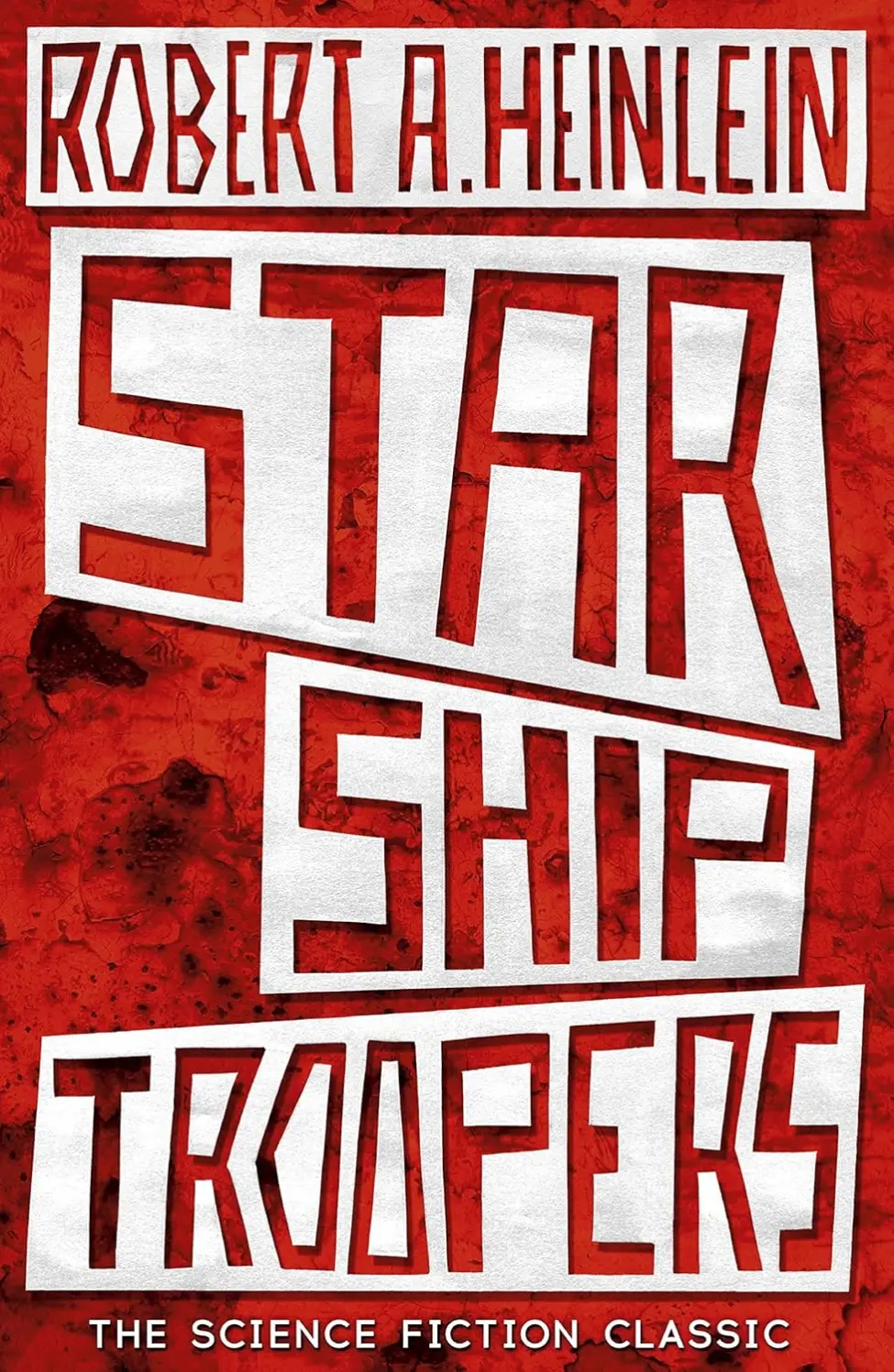
Starship Troopers by Robert A. Heinlein follows Juan Rico through military service in humanity's war against alien bugs. This controversial 1959 novel explores citizenship, civic duty, military life, and powered armor whilst sparking debates about militarism and democracy.
Starship Troopers is Robert A. Heinlein's 1959 science fiction novel that remains one of the genre's most controversial and debated works, exploring themes of citizenship, civic duty, military service, and political philosophy through the story of young Juan "Johnny" Rico's journey from privileged civilian to Mobile Infantry soldier fighting in humanity's interstellar war against an alien species called the "Bugs" or Arachnids. The novel sparked immediate controversy upon publication and continues generating passionate arguments about whether it represents fascist propaganda, sophisticated political satire, genuine exploration of civic responsibility, or complex examination of how societies organize themselves during existential threats.
The novel follows Johnny Rico from his decision to join the military despite his wealthy parents' objections, through his training in boot camp under the harsh but effective Sergeant Zim, to his combat experiences as part of the Mobile Infantry - soldiers equipped with powered armor suits that make individual infantrymen devastating combat forces. Heinlein structures the narrative around Rico's military career whilst incorporating classroom scenes from Rico's History and Moral Philosophy course, where his teacher Mr. Dubois explicates the political philosophy underlying the Terran Federation's government.
The Terran Federation operates under a system where full citizenship - including the franchise (right to vote) - must be earned through voluntary federal service, typically military but also including other dangerous public service roles. The novel's political philosophy argues that voting rights should be restricted to those who have demonstrated willingness to put society's welfare above personal safety, that service creates civic virtue, and that societies allowing unrestricted franchise inevitably collapse because voters without "skin in the game" make irresponsible choices.
The powered armor became one of science fiction's most influential technological concepts - exoskeletons amplifying human strength and speed, equipped with weapons systems, jump jets for mobility, and sensors giving soldiers superhuman awareness. Heinlein's detailed descriptions of Mobile Infantry tactics, training, and combat operations influenced military science fiction for decades whilst also exploring how technology changes warfare and what qualities matter in soldiers when individual combatants possess such devastating capabilities.
The bug war provides the backdrop for exploring how humans organize during existential conflict with genuinely alien enemy - the Arachnids communicate through pheromones rather than language, organize as hive intelligence, and pursue goals humans struggle to understand. The alien nature of the enemy raises questions about communication, whether peaceful coexistence is possible with truly alien intelligence, and how warfare operates when opponents don't share common frameworks for negotiation or surrender.
Heinlein's presentation of the Terran Federation and its philosophy remains ambiguous enough that readers continue debating his intentions - whether he endorsed the system described, satirized it, or simply explored it as thought experiment about civic duty and political organization. The novel doesn't present alternative systems or extended critique, instead focusing on how the Federation operates and the experiences of those serving within it.
Themes of citizenship and earned franchise, civic duty and service, military life and camaraderie, sacrifice for society, whether democracies require civic virtue, alien warfare, technological change in combat, and coming-of-age through military service run throughout.
The novel won the Hugo Award and influenced countless works of military science fiction whilst remaining controversial.
Brandon Sanderson
Skyward, book 1
Average Goodreads rating4.6
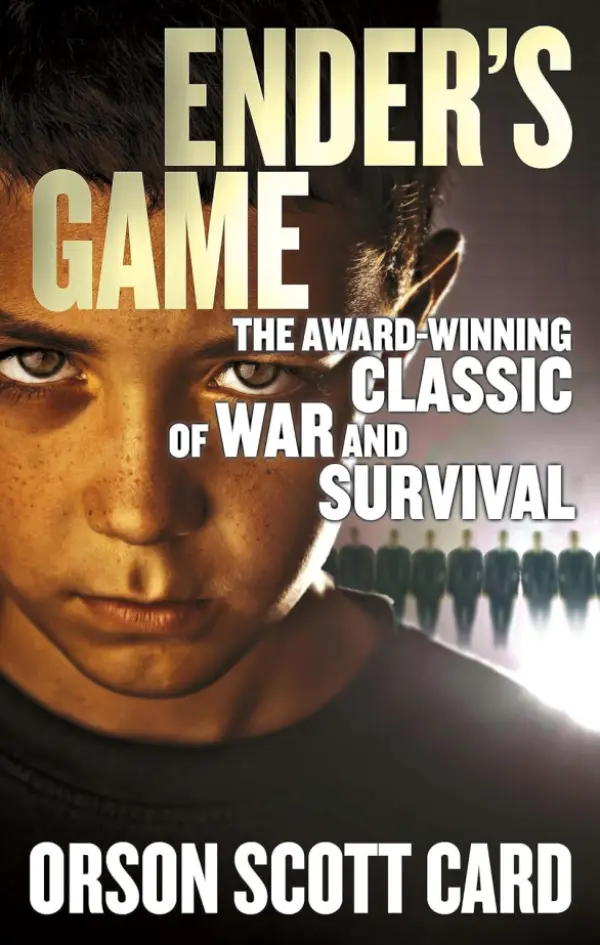
Orson Scott Card
Ender Quintet, book 1
Average Goodreads rating4.5
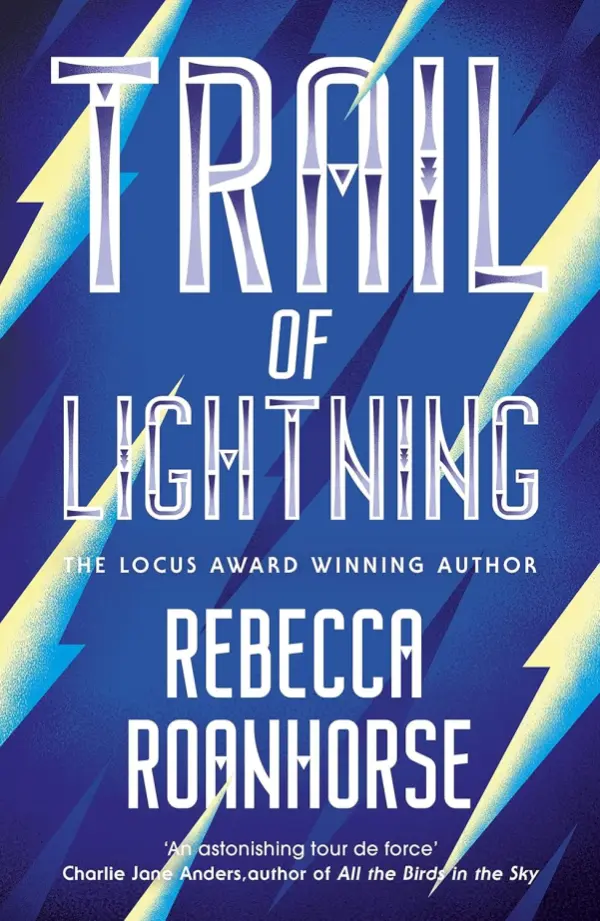
Rebecca Roanhorse
The Sixth World, book 1
Average Goodreads rating4.3
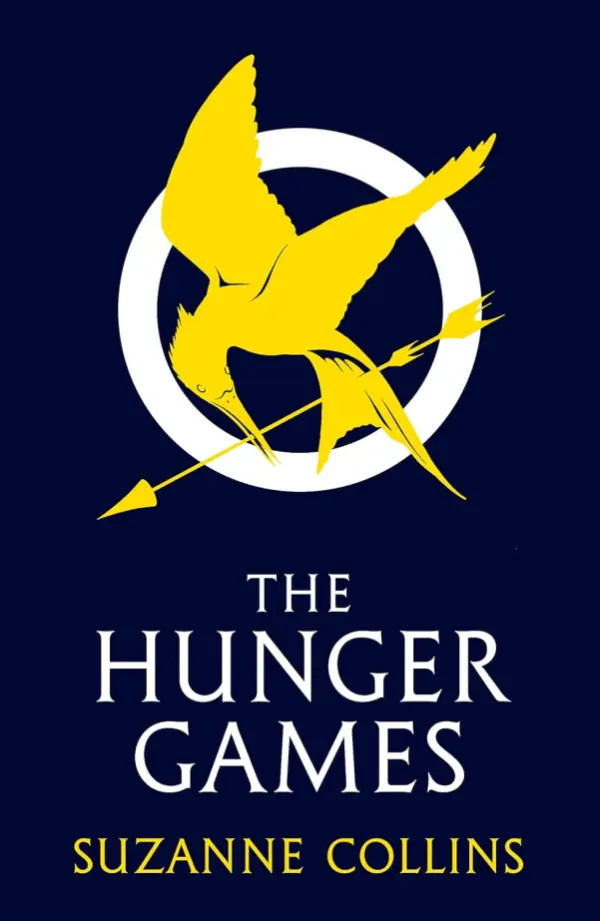
Suzanne Collins
Hunger Games, book 1
Average Goodreads rating4.7

Adam Silvera
They Both Die at the End, book 1
Average Goodreads rating4.5

Jay Kristoff
LIFEL1K3, book 1
Average Goodreads rating4.3
Still Looking?
Further down our similarity list, but still sharing tropes and genres with this book.

Christopher Ruocchio
The Sun Eater, book 1
Average Goodreads rating4.3
Buy from Amazon (opens Amazon in a new tab)
Megan O'Keefe
The Protectorate, book 1
Average Goodreads rating4.1
Buy from Amazon (opens Amazon in a new tab)
Neal Shusterman
Arc of a Scythe, book 1
Average Goodreads rating4.5
Buy from Amazon (opens Amazon in a new tab)Robert A. Heinlein was a science fiction grandmaster who shaped the genre through works like Starship Troopers and The Moon is a Harsh Mistress. Known for provocative ideas, libertarian themes, competent protagonists, and exploring social structures through sci-fi.
Books, series and tropes by Robert A. HeinleinStarship Troopers
Buy from Amazon (opens Amazon in a new tab)Occasional emails with new recommendations, series news and trope round-ups.