
Skyward
Brandon Sanderson
Skyward, book 1
Average Goodreads rating4.6

We don’t have a retailer link for this book in your region yet.
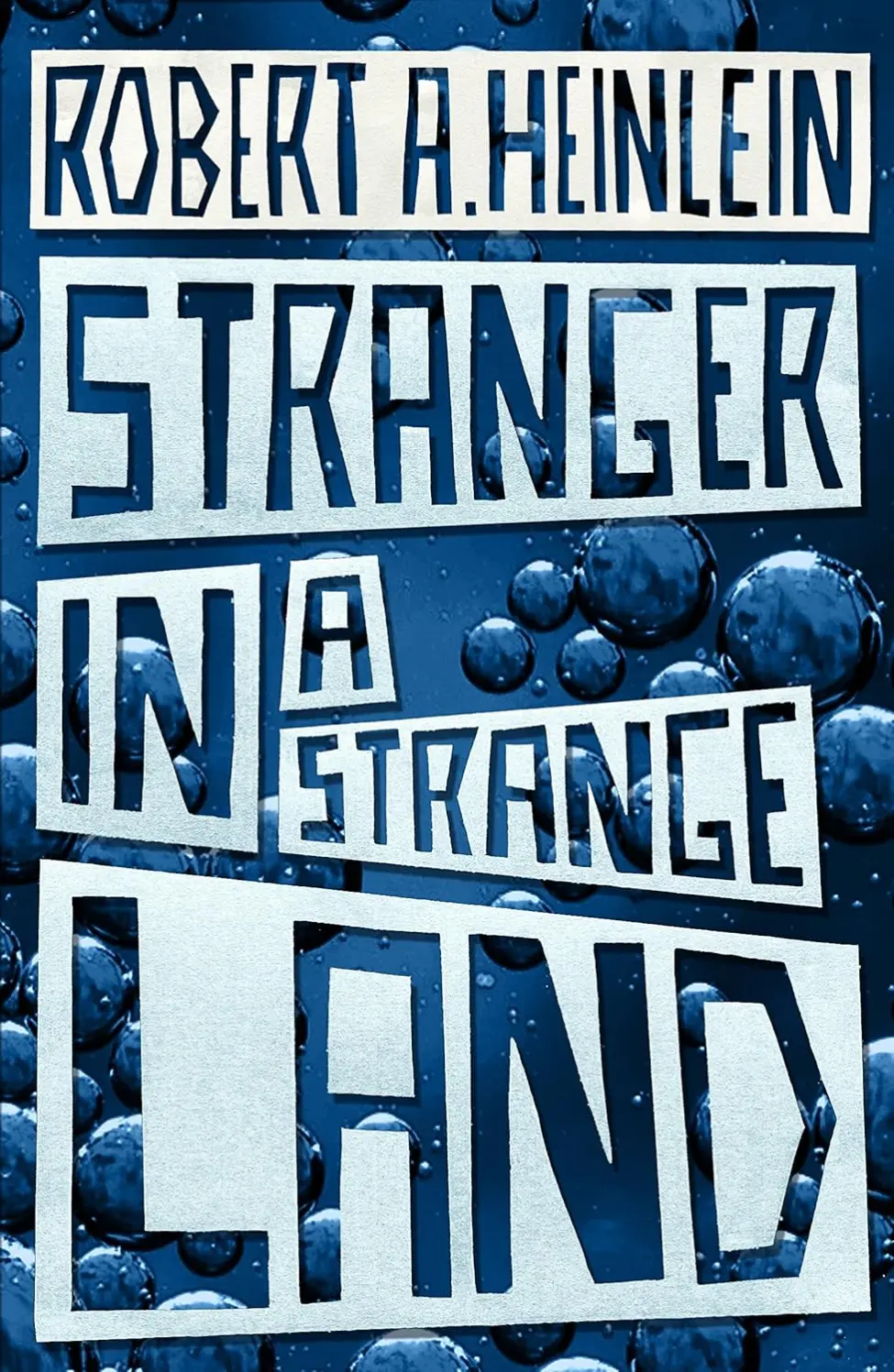
Stranger in a Strange Land by Robert A. Heinlein follows Valentine Michael Smith, a human raised by Martians who returns to Earth. This counterculture classic explores religion, sexuality, social conventions, and what it means to be human through alien eyes.
Stranger in a Strange Land is Robert A. Heinlein's 1961 science fiction novel that became a cultural phenomenon, influencing the counterculture movement of the 1960s whilst challenging contemporary social conventions around religion, sexuality, relationships, and the nature of humanity. Following Valentine Michael Smith, a human born during the first crewed mission to Mars who was raised by Martians after his parents died and who returns to Earth as a young adult with no understanding of human culture, the novel explores what human society looks like through genuinely alien perspective—someone who possesses human biology but Martian psychology, abilities, and worldview. Through Smith's encounters with Earth's customs, religions, political structures, and social expectations, Heinlein creates thought experiment examining which aspects of human society are essential and which are merely conventional.
Valentine Michael Smith arrives on Earth as legal adult with unique status—he's technically the heir to the Mars expedition and possesses wealth and legal rights whilst knowing nothing about Earth customs, language, or social interaction. His Martian upbringing has given him abilities humans lack, including mental powers that seem supernatural to Earth observers, whilst also leaving him completely unprepared for human emotional responses, social hierarchies, or the concept of ownership beyond Martian frameworks.
Smith's guardian and protector becomes Jubal Harshaw, a wealthy, cantankerous writer, lawyer, and doctor who lives on a private estate with his secretaries and staff. Harshaw recognizes that Smith's innocence and legal status make him vulnerable to exploitation by governments, corporations, and religious organizations who see opportunities for profit or control. Harshaw provides Smith sanctuary whilst attempting to educate him about Earth society and protect him from those who would use him.
As Smith learns about human culture, he begins teaching others about Martian concepts—particularly "grok," a Martian word meaning to understand something so completely that you merge with it, becoming part of what you understand. Smith's interpretation of human behaviors through Martian frameworks creates friction with established institutions, particularly organized religion, which Smith analyzes with genuine confusion about why humans approach spirituality through the structures and hierarchies he observes.
Heinlein uses Smith's alien perspective to examine and critique mid-20th-century American social conventions, particularly around sexuality, monogamy, and the relationship between spiritual and physical intimacy. The novel's exploration of alternative relationship structures, communal living, and rejection of sexual jealousy made it controversial upon publication whilst also resonating with readers questioning conventional morality and seeking alternative ways of organizing relationships and communities.
The novel explores what aspects of humanity are biological versus cultural, whether Earth's social structures serve human needs or merely perpetuate tradition, and what genuinely enlightened society might look like when examined through perspective unburdened by cultural conditioning. Smith's journey from innocent alien to someone attempting to bridge Martian and human worldviews provides the narrative structure whilst the philosophical and social commentary drives the thematic exploration.
Themes of cultural relativism, religion and spirituality examined critically, alternative relationship structures, sexuality and social conventions, what it means to be human, innocence confronting corruption, and whether enlightenment is possible within or requires rejection of established social structures run throughout.
The novel's cultural impact extended beyond literature, with "grok" entering common usage and Smith's philosophy influencing various countercultural movements.
Brandon Sanderson
Skyward, book 1
Average Goodreads rating4.6

Jay Kristoff
LIFEL1K3, book 1
Average Goodreads rating4.3

Arkady Martine
Teixcalaan, book 1
Average Goodreads rating4.3

Christopher Ruocchio
The Sun Eater, book 1
Average Goodreads rating4.3

Adrian Tchaikovsky
Children of Time, book 1
Average Goodreads rating4.5

Octavia E. Butler
Parable, book 1
Average Goodreads rating4.4
Still Looking?
Further down our similarity list, but still sharing tropes and genres with this book.

Megan O'Keefe
The Scorched Continent, book 1
Average Goodreads rating4.1
Buy from Amazon (opens Amazon in a new tab)
Neal Shusterman
Arc of a Scythe, book 1
Average Goodreads rating4.5
Buy from Amazon (opens Amazon in a new tab)
Pierce Brown
Red Rising, book 1
Average Goodreads rating4.5
Buy from Amazon (opens Amazon in a new tab)Robert A. Heinlein was a science fiction grandmaster who shaped the genre through works like Starship Troopers and The Moon is a Harsh Mistress. Known for provocative ideas, libertarian themes, competent protagonists, and exploring social structures through sci-fi.
Books, series and tropes by Robert A. HeinleinOccasional emails with new recommendations, series news and trope round-ups.