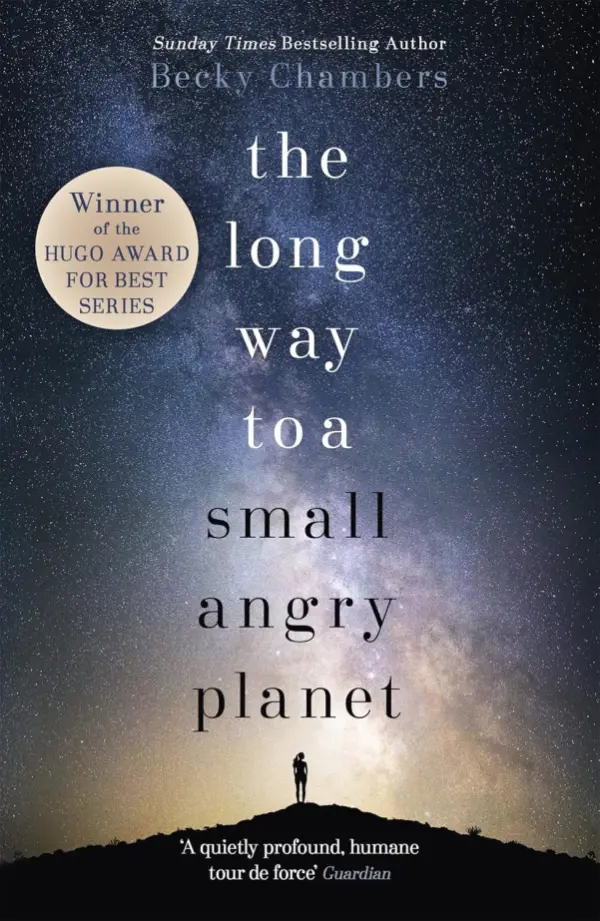
Book 1
The Long Way to a Small, Angry Planet
Average Goodreads rating4.4

Author · American
Becky Chambers is an award-winning sci-fi author known for hopeful, character-driven space opera. Celebrated for Wayfarers series and Monk & Robot, she crafts cozy sci-fi exploring found family, alien cultures, LGBTQ+ representation, and optimistic futures.
New to Becky Chambers? A popular place to start
Book 1 of Wayfarers
The Long Way to a Small, Angry Planet by Becky Chambers follows the diverse Wayfarer crew on a tunneling ship journey. This hopeful space opera delivers found family, alien cultures, LGBTQ+ representation, and slice-of-life sci-fi prioritizing relationships over action.
Picked from Becky Chambers’s most widely rated books on Goodreads, starting at the beginning of its series.
Retailer links may earn Trope Trove a commission, at no extra cost to you.
4 books in reading order
Book 1
Average Goodreads rating4.4
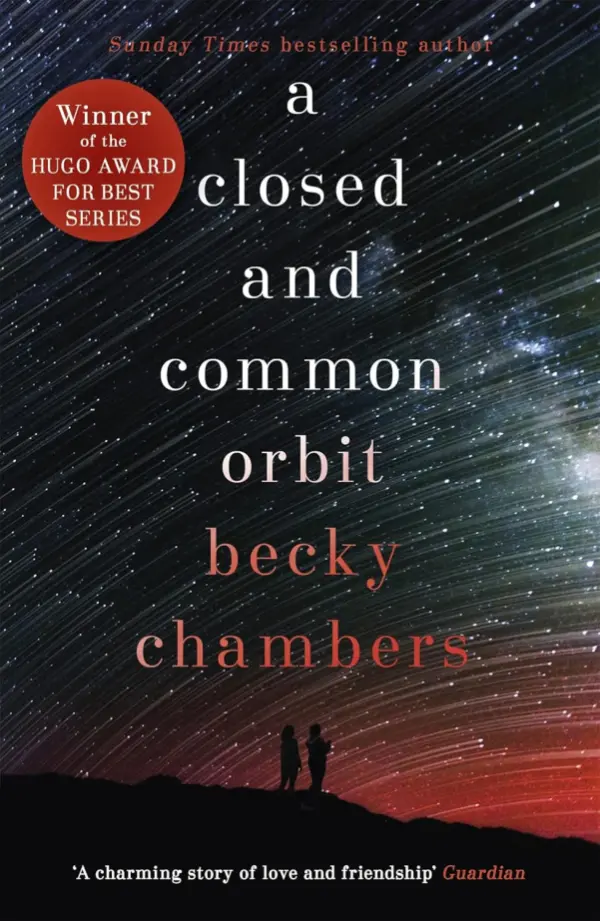
Book 2
Average Goodreads rating4.6
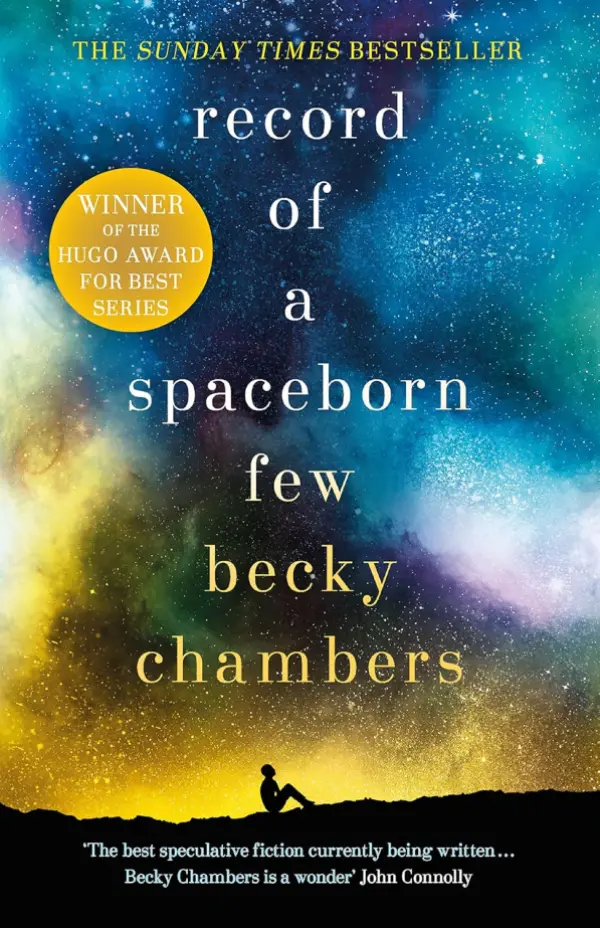
Book 3
Average Goodreads rating4.3
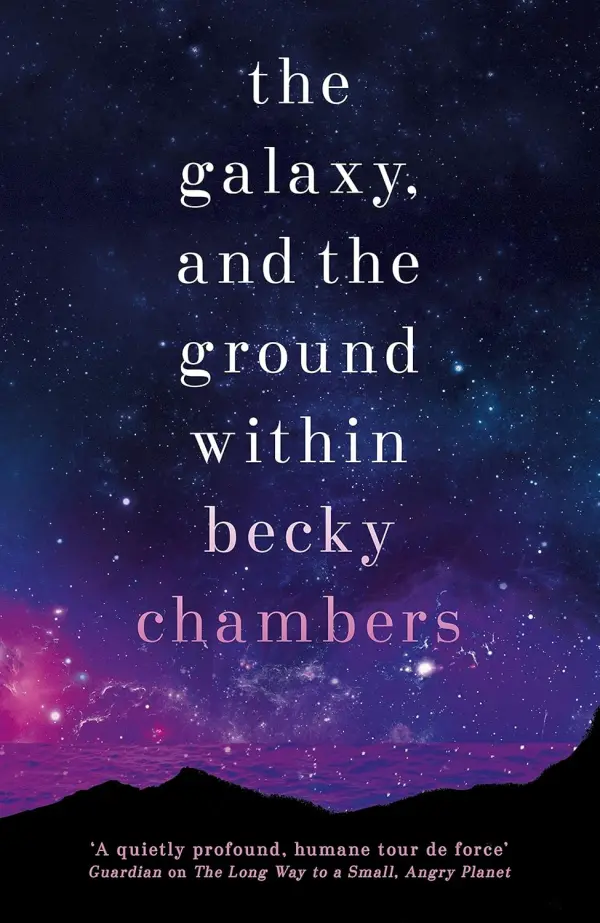
Book 4
Average Goodreads rating4.6
2 books in reading order

Book 1
Average Goodreads rating4.5
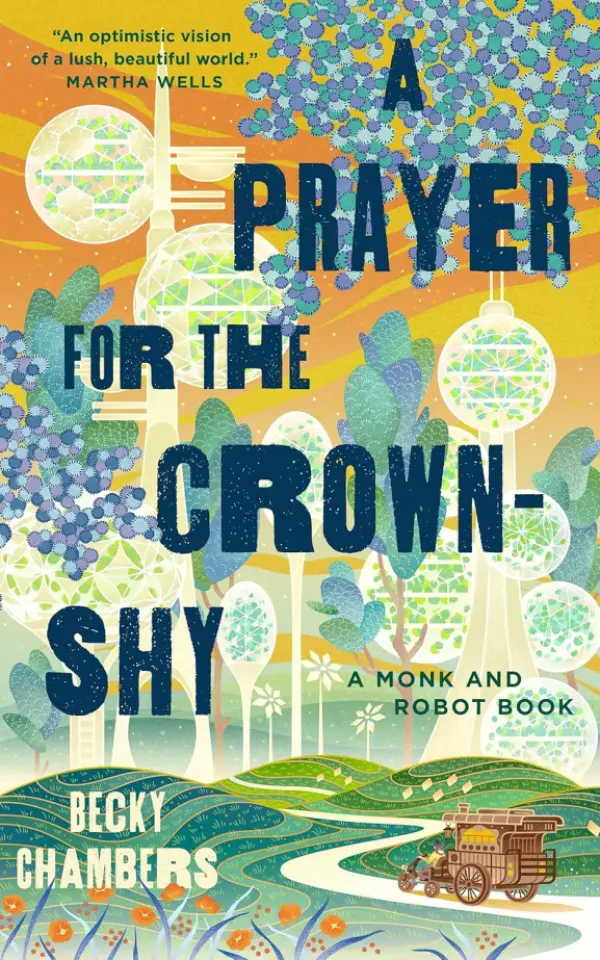
Book 2
Average Goodreads rating4.6
Becky Chambers is an American science fiction author who has redefined space opera by prioritizing character relationships, emotional depth, and hopeful futures over traditional action-heavy plots, creating what fans affectionately call "cozy sci-fi" or "hopepunk." Known primarily for her Wayfarers series and the Monk & Robot novellas, Chambers crafts stories where diverse crews navigate the mundane and extraordinary aspects of space travel, where alien cultures receive thoughtful development rather than serving as backdrop, and where LGBTQ+ representation feels natural and integrated. Her work appeals to readers seeking science fiction that explores what makes us human (or alien) through relationships, small moments of connection, and the belief that people and societies can choose kindness over cruelty, cooperation over conflict.
Chambers's career launched through Kickstarter with The Long Way to a Small, Angry Planet (2014), following the diverse crew of the Wayfarer, a tunneling ship that creates wormholes for space travel. The novel's strength lies not in explosive space battles but in the relationships between crew members—humans, aliens, and AI—navigating work, friendship, love, and the small conflicts of living in close quarters. The book established Chambers's signature style: slice-of-life science fiction where interpersonal dynamics matter as much as worldbuilding.
The series continues with interconnected standalones set in the same universe: A Closed and Common Orbit (2016) follows an AI discovering what it means to be a person; Record of a Spaceborn Few (2018) explores a human fleet's culture and those choosing community over individual adventure; and The Galaxy, and the Ground Within (2021) brings together stranded travelers from different species forced to connect during an unexpected delay. Each book stands alone whilst building a rich universe where humanity is one species among many, where alien cultures feel genuinely different yet comprehensible, and where the future includes diverse sexualities, gender identities, and family structures without making them plot points.
A Psalm for the Wild-Built (2021) and A Prayer for the Crown-Shy (2022) offer gentler science fiction following Sibling Dex, a tea monk seeking meaning, and Mosscap, a robot rediscovering humanity after robots gained sentience and left civilization. The novellas explore purpose, contentment, and connection in a solarpunk future that's recovered from ecological collapse. Hugo Award-winning A Psalm for the Wild-Built demonstrates Chambers's ability to create profound narratives in compact formats.
Chambers's writing is characterized by character-driven narratives prioritizing relationships, hopeful/optimistic futures ("hopepunk"), diverse human and alien cultures, LGBTQ+ representation integrated naturally, found family dynamics, slice-of-life pacing, thoughtful worldbuilding, exploration of identity and belonging, cozy/comfort sci-fi atmosphere, and philosophical questions about consciousness and purpose.
Common themes include what makes someone a person (especially AI), found family versus biological family, choosing kindness and cooperation, cultural differences and understanding, identity and belonging, environmental themes and recovery, work and purpose, and futures where humanity has learned from mistakes.
Chambers's prose is accessible and warm, creating intimate connections with characters through internal thoughts and interpersonal dynamics. Action takes backseat to conversation, reflection, and the small moments that build relationships.
What distinguishes Chambers is her commitment to hopeful science fiction that doesn't ignore problems but believes in people's capacity to choose better. Her futures aren't utopian but they're trying, populated by characters working toward understanding across differences.

Adrian Tchaikovsky
Children of Time, book 1
Average Goodreads rating4.5

Adrian Tchaikovsky
Children of Time, book 2
Average Goodreads rating4.3

Adrian Tchaikovsky
Children of Time, book 3
Average Goodreads rating4.2
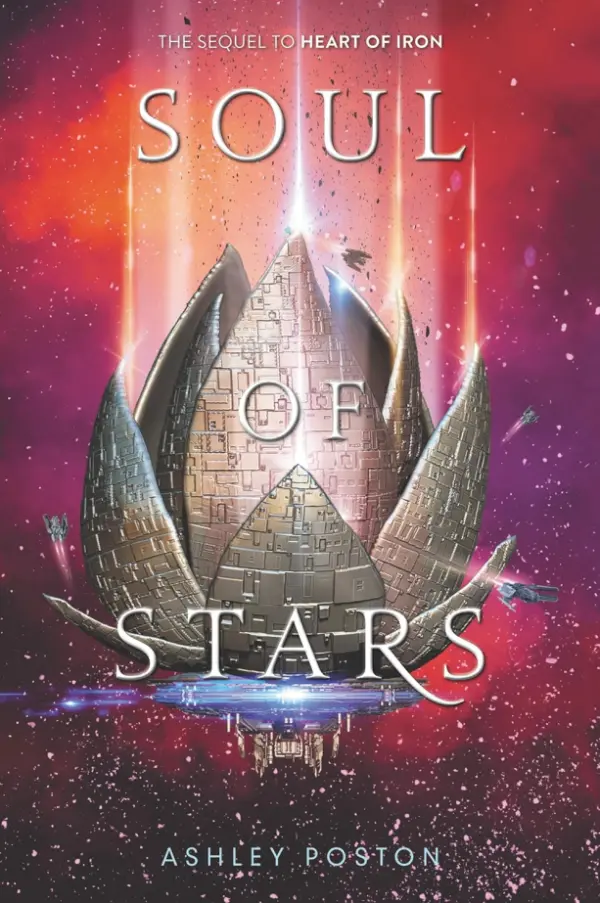
Ashley Poston
Heart of Iron, book 2
Average Goodreads rating4.0

Adrian Tchaikovsky
Children of Time, book 4
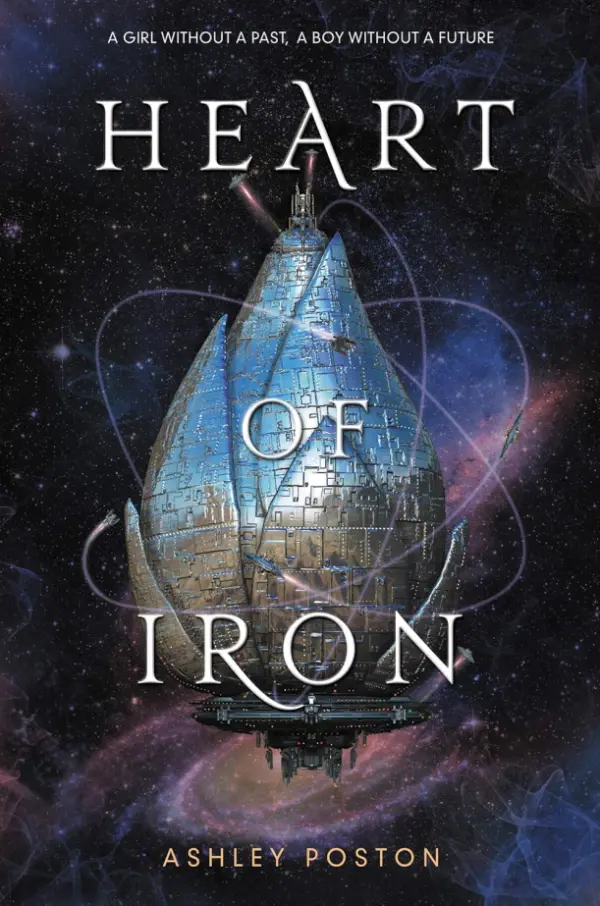
Ashley Poston
Heart of Iron, book 1
Average Goodreads rating3.7
Occasional emails with new recommendations, series news and trope round-ups.