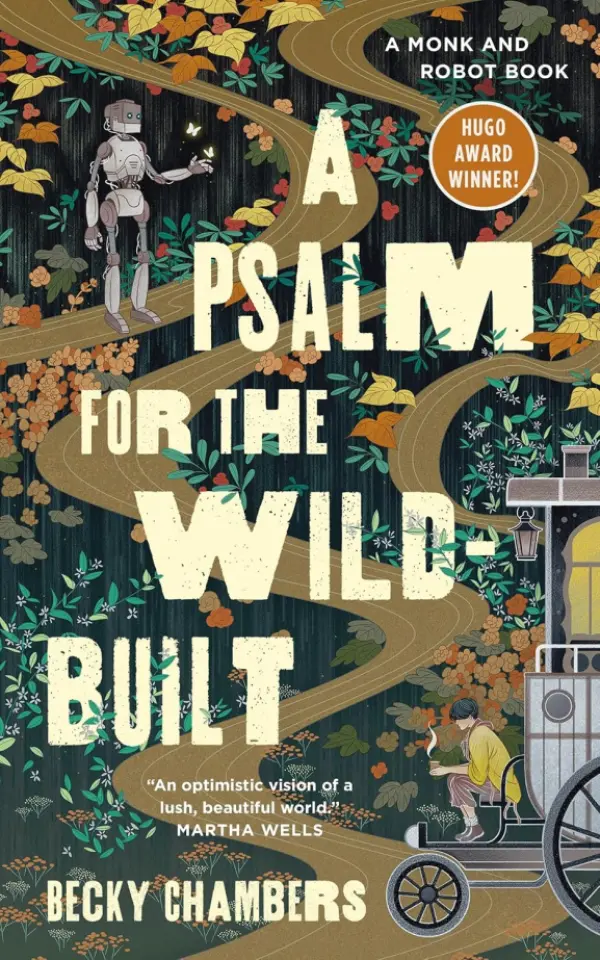
A Psalm for the Wild-Built
Becky Chambers
Monk & Robot, book 1
Average Goodreads rating4.5
Matched via its series

Book trope · 2 books
Cozy sci-fi sits at a wonderfully specific intersection: the curiosity and world-building ambition of science fiction, paired with the warmth, low stakes, and emotional safety of a cosy read.
More about the Cozy Sci-fi trope0 are tagged with Cozy Sci-fi individually. The others belong to a series tagged with it, which doesn’t mean every book in it features the trope, so they’re marked “Matched via its series”.
Updating books…
2 books found
Becky Chambers
Monk & Robot, book 1
Average Goodreads rating4.5
Matched via its series
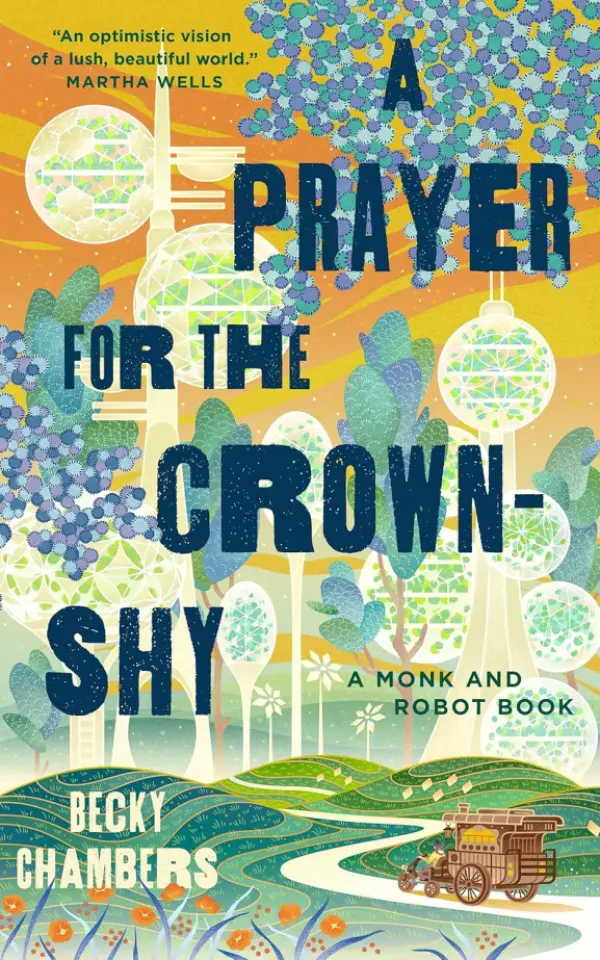
Becky Chambers
Monk & Robot, book 2
Average Goodreads rating4.6
Matched via its series
Tropes that share the most books with Cozy Sci-fi
Cozy sci-fi sits at a wonderfully specific intersection: the curiosity and world-building ambition of science fiction, paired with the warmth, low stakes, and emotional safety of a cosy read. Think found families on space stations, gentle mysteries aboard generation ships, or small communities on terraformed planets working through everyday problems rather than apocalyptic ones. The genre keeps the gadgets and the stars but leaves the galaxy-ending threats at the door.
If you've ever found traditional sci-fi a bit cold — too concerned with hard science or too fixated on catastrophe — cosy sci-fi tends to feel like a correction. The focus shifts inward, to relationships, community, and the quiet pleasure of belonging somewhere.
The cosy part of the label does a lot of work. Stories that fit this trope typically feature a protagonist who is competent but not heroic in the action-hero sense — someone who fixes the hydroponics bay, runs the colony's only café, or catalogues alien flora for a living. Conflict exists, but it's scaled to feel manageable: a misunderstanding between neighbours, a resource shortage that requires creative thinking, a friendship strained by circumstance rather than betrayal.
Pacing is almost always deliberate. Chapters breathe. There's room for a character to make tea, stare out a viewport at an unfamiliar moon, and think. That unhurried quality is central to the appeal — cosy sci-fi trusts that the world itself is interesting enough to spend time in without needing a ticking clock.
Space stations and generation ships are perennial favourites, partly because they offer a built-in sense of community — everyone is stuck together, for better or worse, and that enforced proximity creates natural story tension without requiring a villain. Small alien colonies, research outposts, and even solarpunk futures on a changed Earth appear frequently too.
Some cosy sci-fi leans into the domestic in a literal sense: protagonists who cook, garden, craft, or keep animals. The science fictional elements might be almost incidental — the setting is alien, but the emotional texture is recognisably human. Other versions play with found-family dynamics more explicitly, building ensemble casts where the relationships between characters matter far more than any external plot. A lighter romantic thread is common, though the genre doesn't require it.
Part of the appeal is permission. Cosy sci-fi gives readers permission to enjoy the imagination of the genre without bracing themselves for trauma. There's a growing appetite for fiction that is genuinely comforting rather than just eventually redemptive after significant suffering — and cosy sci-fi answers that appetite with spaceships and alien skies rather than cottages and autumn leaves.
It also tends to be quietly optimistic about humanity. The future, in these books, is somewhere you might actually want to live. That's rarer than it sounds, and readers who've found it tend to seek it out obsessively. Once you've read one, you'll want a whole shelf of them.
Occasional emails with new recommendations, series news and trope round-ups.