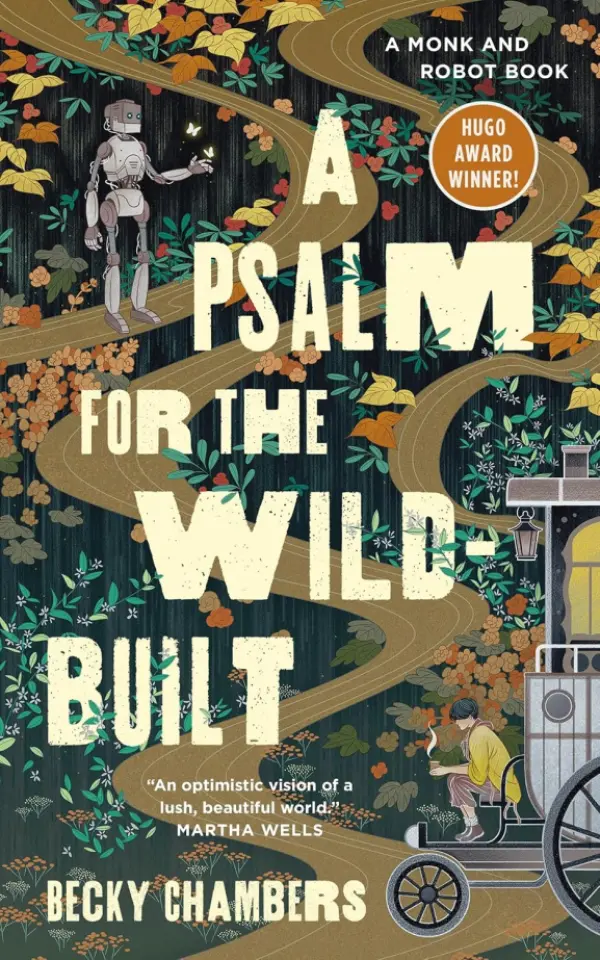
A Psalm for the Wild-Built
Becky Chambers
Monk & Robot, book 1
Average Goodreads rating4.5
Matched via its series

Book trope · 2 books
Solarpunk is optimism with teeth. Where dystopia asks what happens when civilisation collapses, solarpunk asks what happens if we actually get it right — and then digs into the complications, contradictions, and hard work that 'getting it right' genuinely involves.
More about the Solarpunk Future trope0 are tagged with Solarpunk Future individually. The others belong to a series tagged with it, which doesn’t mean every book in it features the trope, so they’re marked “Matched via its series”.
Updating books…
2 books found
Becky Chambers
Monk & Robot, book 1
Average Goodreads rating4.5
Matched via its series
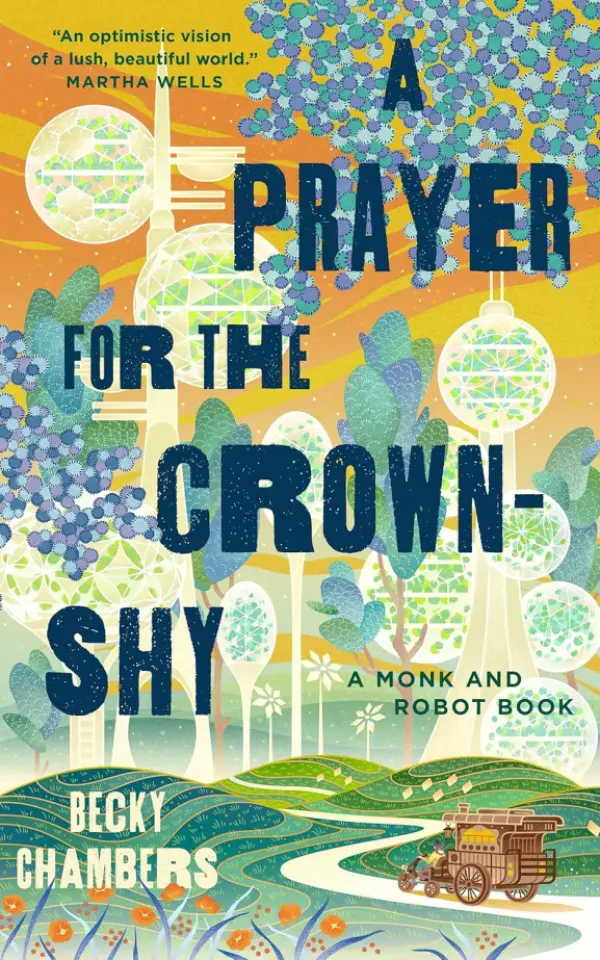
Becky Chambers
Monk & Robot, book 2
Average Goodreads rating4.6
Matched via its series
Tropes that share the most books with Solarpunk Future
Solarpunk is optimism with teeth. Where dystopia asks what happens when civilisation collapses, solarpunk asks what happens if we actually get it right — and then digs into the complications, contradictions, and hard work that 'getting it right' genuinely involves. Stories built around a solarpunk future imagine societies that have moved beyond fossil fuels, found balance with the natural world, and reorganised themselves around community and care rather than extraction and profit.
The aesthetic is as important as the ideology. Think solar panels threaded through living walls of ivy and fern, cities where food forests line the boulevards, architecture grown as much as built. It borrows from Art Nouveau's love of organic form and fuses it with speculative technology — but crucially, that technology exists to serve people and ecosystems, not to dominate them.
After decades of grimdark and apocalyptic fiction, a lot of readers are simply exhausted by despair. Solarpunk offers something rarer and, in its own way, more radical: hope treated as a serious literary subject. These aren't naive utopias where conflict has been abolished. The best solarpunk stories are honest about how difficult collective life is, how tensions arise between tradition and innovation, between individual freedom and communal responsibility.
There's also something genuinely pleasurable about spending time in these worlds. The sensory detail — the warmth, the colour, the hum of a society that has chosen abundance over scarcity — makes solarpunk fiction feel immersive in a way that resonates long after the last page.
Several recurring features mark the trope out. Decentralised governance is nearly always present — power distributed across communities rather than concentrated in corporations or nation-states. Renewable energy, regenerative agriculture, and ecological restoration aren't background details but active parts of the plot. Characters often work as builders, growers, engineers, or mediators, and that labour is treated with dignity rather than dismissed as mundane.
Diversity is structural, not decorative. Solarpunk futures tend to imagine what genuine pluralism looks like when systems are designed around it from the start, rather than retrofitted. Indigenous knowledge systems, non-Western philosophies of land stewardship, and queer community models frequently inform the world-building in ways that feel considered rather than cosmetic.
Conflict in these stories rarely comes from a single villain. More often it arises from the messy reality of cooperation — old wounds that haven't fully healed, resources that aren't infinite even in a more equitable world, or the presence of neighbouring societies that haven't made the same choices.
Solarpunk intersects with several other traditions. It shares ground with hopepunk in its insistence that kindness and resistance are not opposites. It brushes up against biopunk when biotechnology drives the ecological rebuilding. Some stories set their solarpunk world generations after a collapse, so there are ruins beneath the greenery — which gives authors room to explore memory, guilt, and what gets lost even in a better future.
The trope appears most prominently in science fiction and speculative fiction, but it's begun to influence secondary-world fantasy too, particularly in stories where magitech or elemental systems mirror renewable-energy logic. Short fiction anthologies have been especially important in developing the genre's ideas, though novels and series have increasingly given it room to breathe.
If you've ever wanted a future worth actually living in — complicated, collective, and stubbornly alive — solarpunk is where to look.
Occasional emails with new recommendations, series news and trope round-ups.