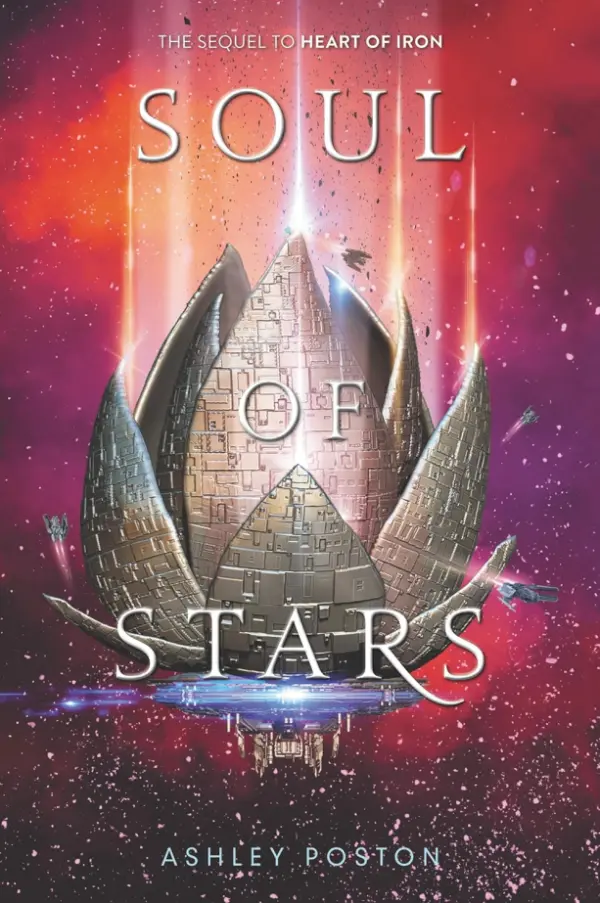
Soul of Stars
Ashley Poston
Heart of Iron, book 2
Average Goodreads rating4.0
- Multiple POV
- Survival and Resilience

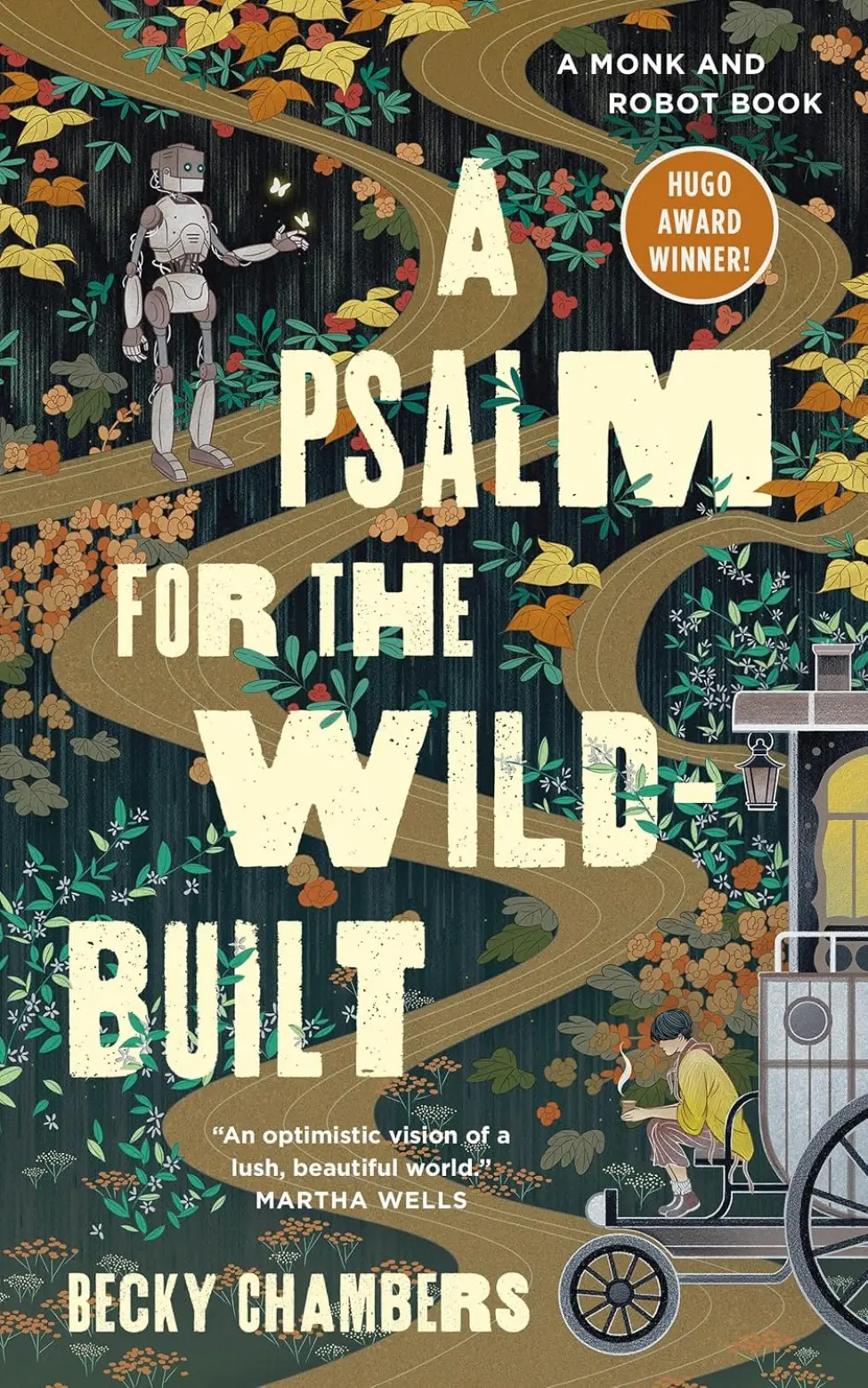
Book 1 in Monk & Robot
We independently select and recommend books. Purchases made through our links may earn us a commission, at no extra cost to you. Prices and availability are set by each retailer.
A Psalm for the Wild-Built by Becky Chambers follows tea monk Dex meeting robot Mosscap in rewilded wilderness. This Hugo-winning solarpunk novella explores purpose, contentment, and what people truly need through gentle, philosophical storytelling.
Tagged on the series as a whole, so not every book will feature each one.
A Psalm for the Wild-Built is Becky Chambers's 2021 Hugo Award-winning novella launching the Monk & Robot series, offering readers respite through its solarpunk vision of a world recovered from ecological collapse, where a tea monk seeking meaning encounters a curious robot emerging from centuries-long robotic separation from humanity. Following Sibling Dex's journey from restlessness to self-discovery alongside Mosscap's innocent yet profound question - "What do people need?" - the novella delivers Chambers's most contemplative work, proving that compelling science fiction can exist without villains, action, or conflict when exploring questions about purpose, contentment, and whether "enough" is achievable in cultures that insist we must always want more.
Sibling Dex lives on Panga, a moon settlement where humanity chose radical environmental restoration centuries ago after recognizing industrial civilization's unsustainability. Cities occupy small designated areas whilst wilderness reclaims the rest, humans live within ecological limits using solar power and bicycles, and society emphasizes balance over growth. Dex serves as tea monk - a respected role providing tea service perfectly matched to individuals' needs whilst offering comfort and listening to their worries, traveling between communities in a bicycle-pulled wagon.
Despite fulfilling meaningful work in a sustainable society that's solved many problems plaguing our contemporary world, Dex feels restless. Something is missing, though they can't articulate what. When minor crisis provides excuse, Dex abandons the traditional circuit to seek solitude in the rewilded areas - the wilderness humans agreed never to disturb as part of their environmental compact.
In the forest, Dex encounters Mosscap, a robot emerging from the wild after centuries of separation. Generations ago, robots on Panga gained sentience and chose to leave human cities for the wilderness. Humanity respected their choice, and the two groups have coexisted separately ever since. Mosscap represents first contact in living memory, driven by curiosity about what's changed and one central question for humanity: What do people need?
Chambers uses Mosscap's question to explore contemporary anxieties through science fiction distance. In a world where material needs are met, environmental collapse was averted, and society functions sustainably, what should people strive for? Dex's restlessness despite having meaningful work, community, and purpose mirrors modern feelings of inadequacy - the sense that we should be achieving more, doing more, becoming more, regardless of whether we have legitimate unmet needs or simply internalized cultural messages that contentment equals stagnation.
The conversations between Dex and Mosscap provide the novella's philosophical core. Mosscap's innocent queries - assuming humans must need something when seeking the wilderness, surprised that solving material problems didn't solve unhappiness - force Dex to examine whether their restlessness stems from genuine lack or from cultural conditioning that equates constant striving with virtue. The robot's perspective, shaped by centuries observing nature's cycles, offers contrast to human assumptions about productivity, purpose, and progress.
The solarpunk setting demonstrates futures where humanity chose differently. Rather than dystopian warning or utopian fantasy, Panga represents realistic hope - problems solved through deliberate choice, ongoing work maintaining balance, and acknowledgment that sustainable living requires accepting limits whilst finding fulfillment within them.
Supporting elements include the tea service itself (Dex preparing specific blends for individuals' needs), the rewilded landscape Chambers describes with sensory detail, and glimpses of Pangan culture through Dex's memories and encounters.
Themes of purpose beyond productivity, contentment versus constant striving, what people truly need versus want, environmental recovery as hopeful future, choosing deliberate living, and whether "enough" exists run throughout.
The ending provides no definitive answer but rather invitation to continue exploring these questions.
Ashley Poston
Heart of Iron, book 2
Average Goodreads rating4.0
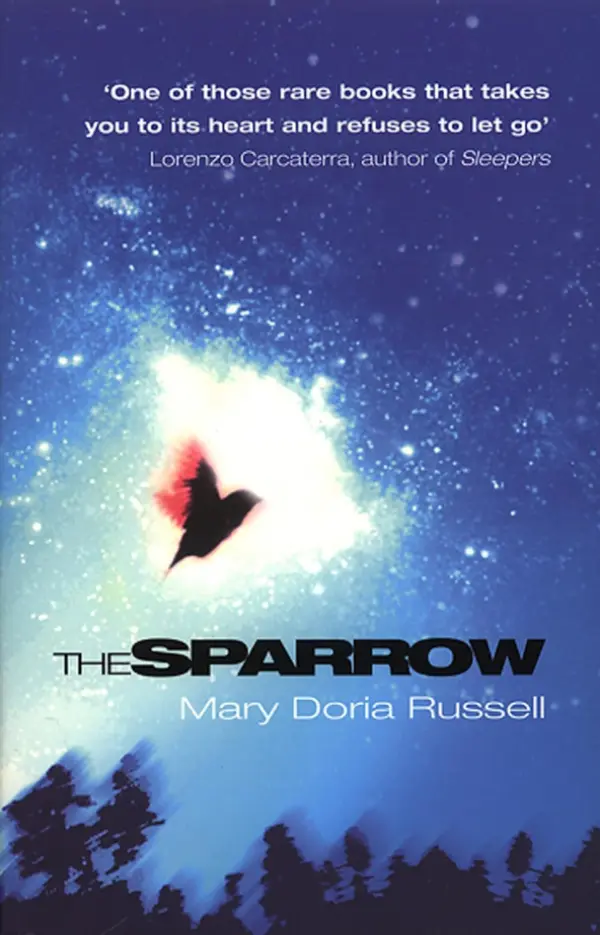
Mary Doria Russell
The Sparrow Series, book 1
Average Goodreads rating4.3
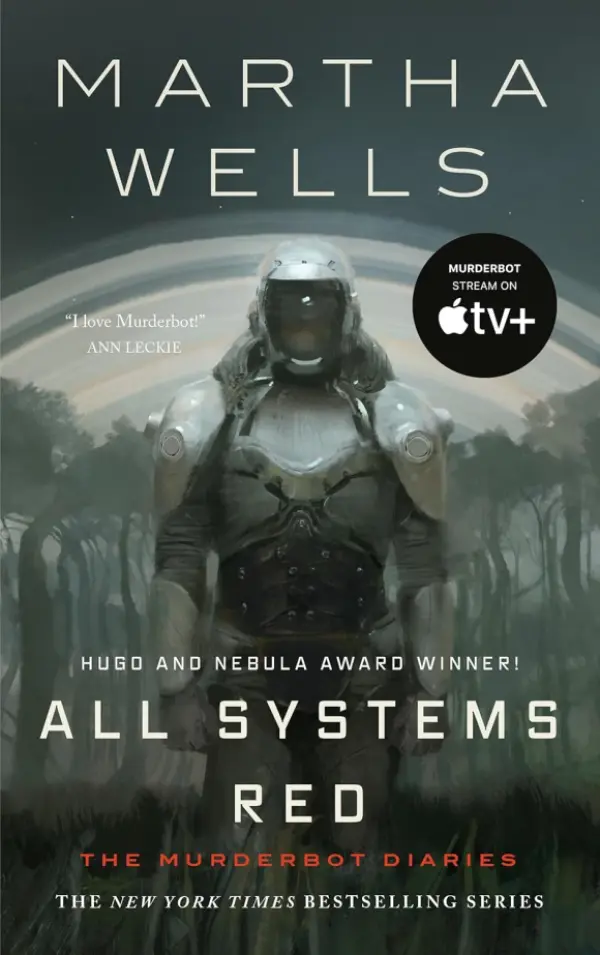
Martha Wells
The Murderbot Diaries, book 1
Average Goodreads rating4.4
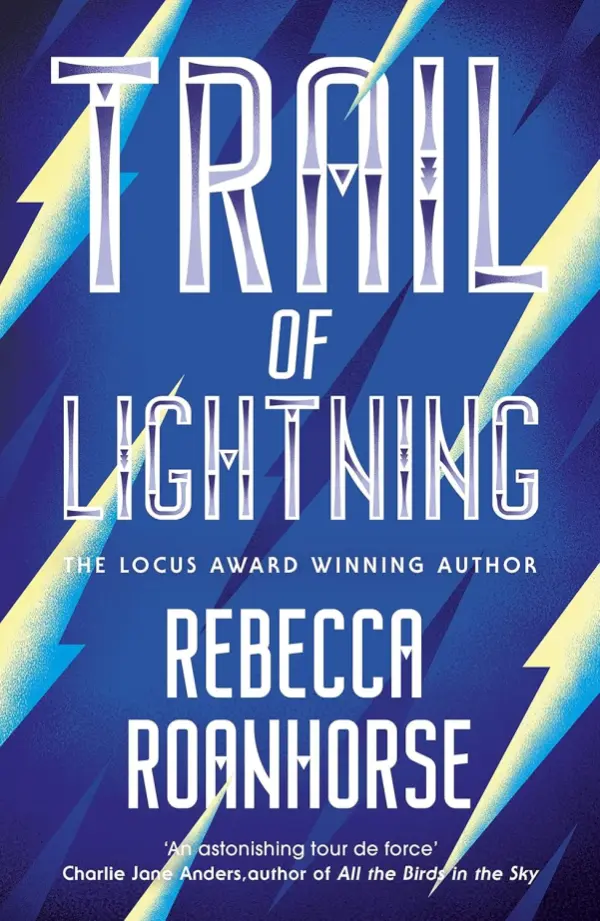
Rebecca Roanhorse
The Sixth World, book 1
Average Goodreads rating4.3

Nnedi Okorafor
Average Goodreads rating4.3
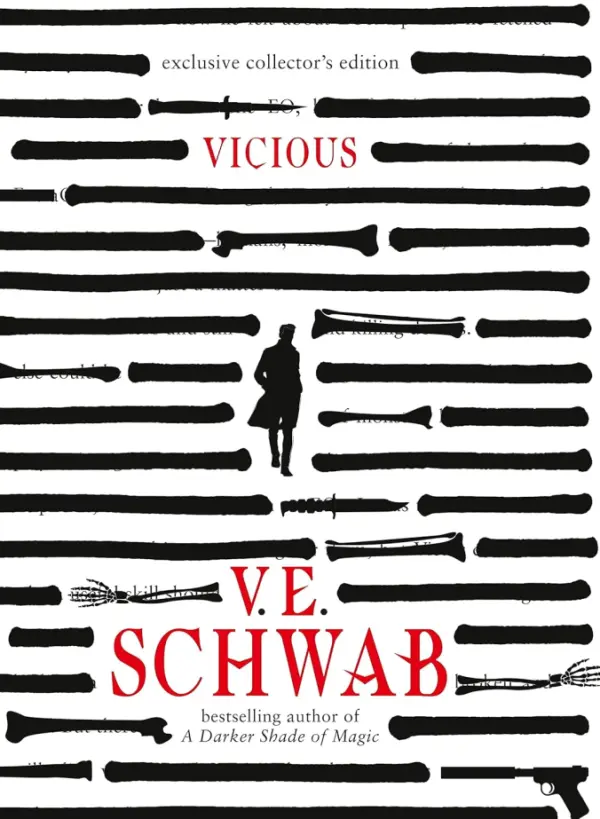
V. E. Schwab
Villains, book 1
Average Goodreads rating4.2
Still Looking?
Further down our similarity list, but still sharing tropes and genres with this book.

Adam Silvera
They Both Die at the End, book 1
Average Goodreads rating4.5
Buy from Amazon (opens Amazon in a new tab)
Arkady Martine
Teixcalaan, book 1
Average Goodreads rating4.3
Buy from Amazon (opens Amazon in a new tab)
Adrian Tchaikovsky
Children of Time, book 1
Average Goodreads rating4.5
Buy from Amazon (opens Amazon in a new tab)Becky Chambers is an award-winning sci-fi author known for hopeful, character-driven space opera. Celebrated for Wayfarers series and Monk & Robot, she crafts cozy sci-fi exploring found family, alien cultures, LGBTQ+ representation, and optimistic futures.
Books, series and tropes by Becky ChambersA Psalm for the Wild-Built
Buy from Amazon (opens Amazon in a new tab)Occasional emails with new recommendations, series news and trope round-ups.