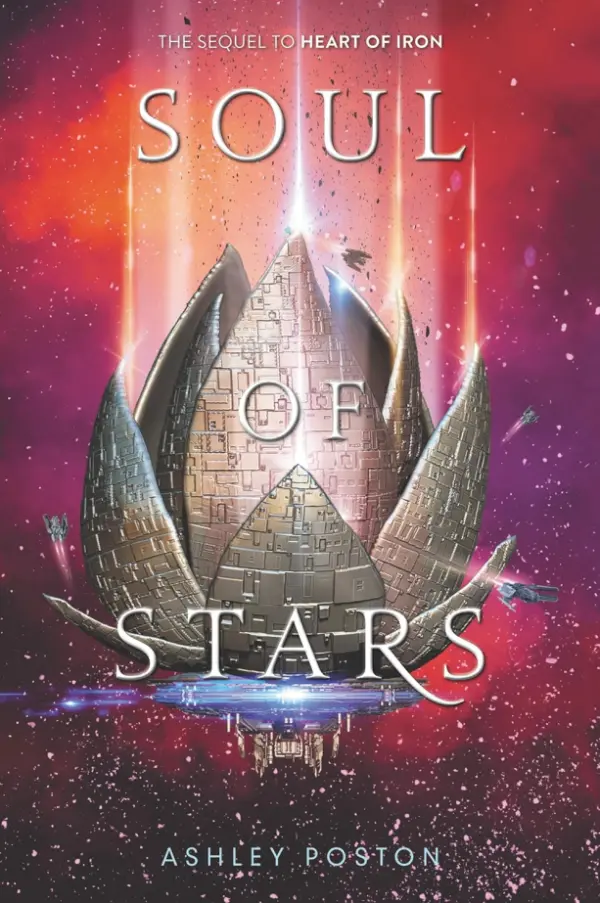
Soul of Stars
Ashley Poston
Heart of Iron, book 2
Average Goodreads rating4.0
- Multiple POV
- Survival and Resilience

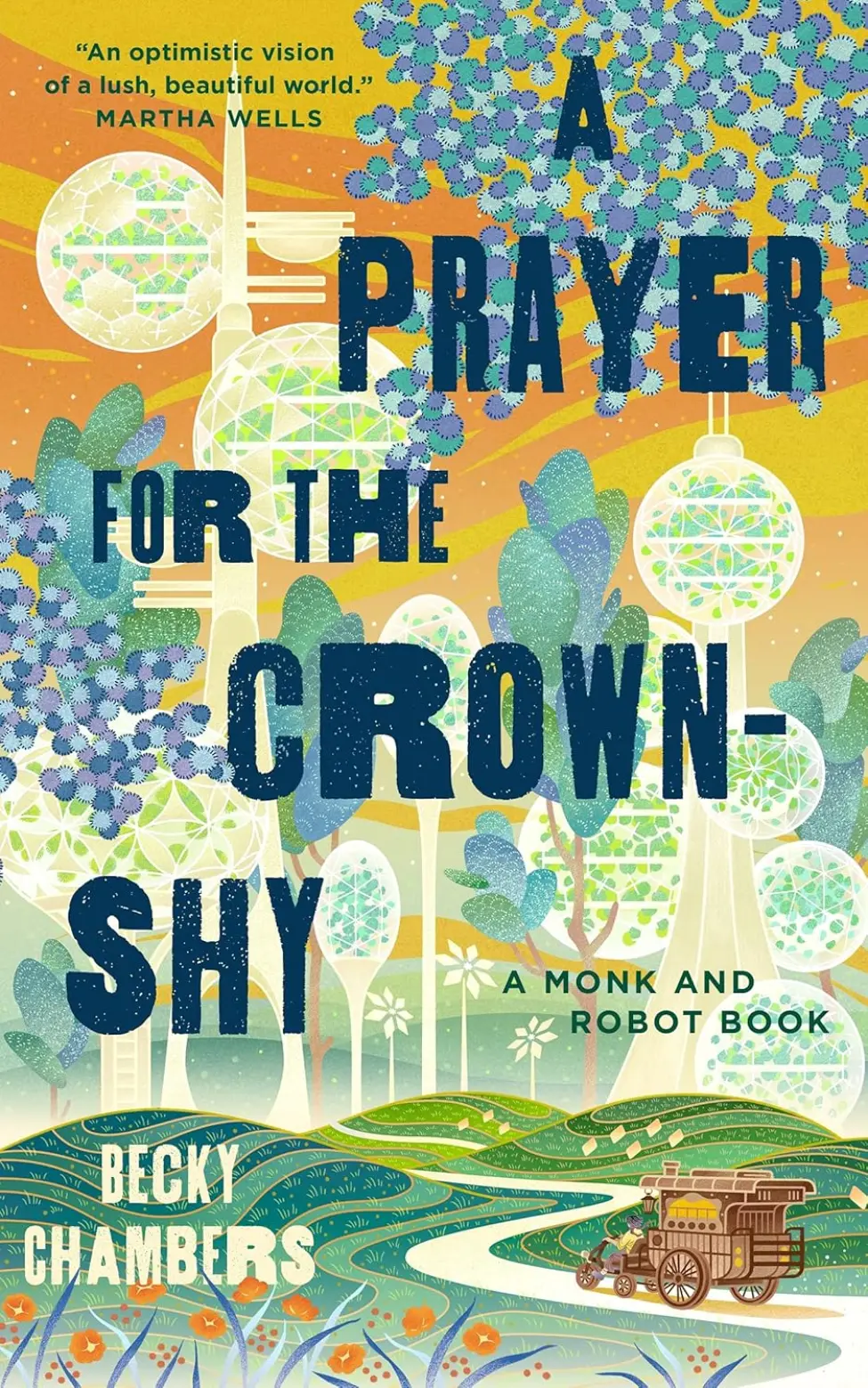
Book 2 in Monk & Robot
We independently select and recommend books. Purchases made through our links may earn us a commission, at no extra cost to you. Prices and availability are set by each retailer.
A Prayer for the Crown-Shy by Becky Chambers continues Dex and Mosscap's journey as the robot visits human cities. This Monk & Robot sequel explores work, identity, and contentment through gentle philosophical conversations in a solarpunk future.
Tagged on the series as a whole, so not every book will feature each one.
A Prayer for the Crown-Shy is Becky Chambers's 2022 sequel in the Monk & Robot series, continuing the contemplative journey of tea monk Dex and robot Mosscap as they reverse the premise of A Psalm for the Wild-Built - rather than Dex seeking wilderness, Mosscap now explores human cities whilst Dex serves as guide and companion. Following the curious robot encountering human society directly and asking increasingly uncomfortable questions about work, purpose, productivity, and whether people are truly content in their sustainable yet still structured lives, the novella deepens the philosophical exploration begun in the first book whilst maintaining the gentle, hopeful tone and proving that compelling narratives can exist in conversations between friends questioning what makes life meaningful.
The sequel picks up with Mosscap deciding to visit human settlements, driven by curiosity about how people live and the question that's haunted both characters since their meeting: What do people need? Dex, still processing their own journey toward contentment, agrees to show Mosscap around whilst resuming tea service - now with a robot companion whose presence attracts attention and raises questions about the centuries-long separation between humans and robots.
Chambers structures the novella as series of visits to different communities across Panga, each offering distinct perspective on how humans have organized their post-collapse society. The cities demonstrate solarpunk principles in practice - solar panels and bicycles, vertical gardens and communal spaces, work organized around sustainability rather than growth. But Mosscap's innocent observations reveal tensions humans have normalized: people still define themselves through work, productivity remains valued over rest, and the cultural messaging around always improving or achieving more persists even when material needs are met.
The philosophical conversations deepen as Mosscap asks questions humans stopped asking because the answers seemed obvious: Why do people work when their needs are met? What does "contributing to society" mean, and who decides what contributions matter? If robots chose to leave cities because they found purpose elsewhere, why do humans assume their purpose must involve structured work and productivity? The robot's outsider perspective, shaped by centuries observing natural cycles and ecosystems, challenges assumptions Dex and other humans haven't examined.
Dex's own journey continues as they navigate being seen differently - no longer just a tea monk but the tea monk who met a robot, whose experience in the wilderness has made them minor celebrity. The attention complicates their search for contentment, forcing examination of whether being known and validated by others serves genuine need or feeds the same restless wanting that drove them to the wilderness initially.
Supporting characters include various Pangans whose responses to Mosscap range from curiosity to fear to philosophical engagement, each representing different relationships with work, purpose, and contentment. The encounters demonstrate that even in functional, sustainable society, humans struggle with questions about meaning and fulfillment - solving environmental and economic problems doesn't automatically solve existential ones.
The tea service provides structure whilst allowing Chambers to explore how Dex's practice has evolved. Preparing tea for individuals whilst Mosscap observes creates moments where ancient human ritual meets robotic curiosity, where tradition meets questioning, and where both monk and robot learn from witnessing how others navigate the space between needs and wants.
Themes continuing from book one include purpose beyond productivity, what people truly need versus cultural conditioning, work and identity, contentment as achievable state, whether constant striving serves humans or systems, and choosing deliberate living.
Chambers's prose maintains the contemplative warmth of the first novella, creating space for reflection rather than rushing toward resolution. The pacing invites readers to sit with uncomfortable questions rather than demanding immediate answers.
The ending provides closure whilst acknowledging that questions about meaning and contentment don't resolve through single journey but require ongoing examination and choice.
Ashley Poston
Heart of Iron, book 2
Average Goodreads rating4.0

Mary Doria Russell
The Sparrow Series, book 1
Average Goodreads rating4.3
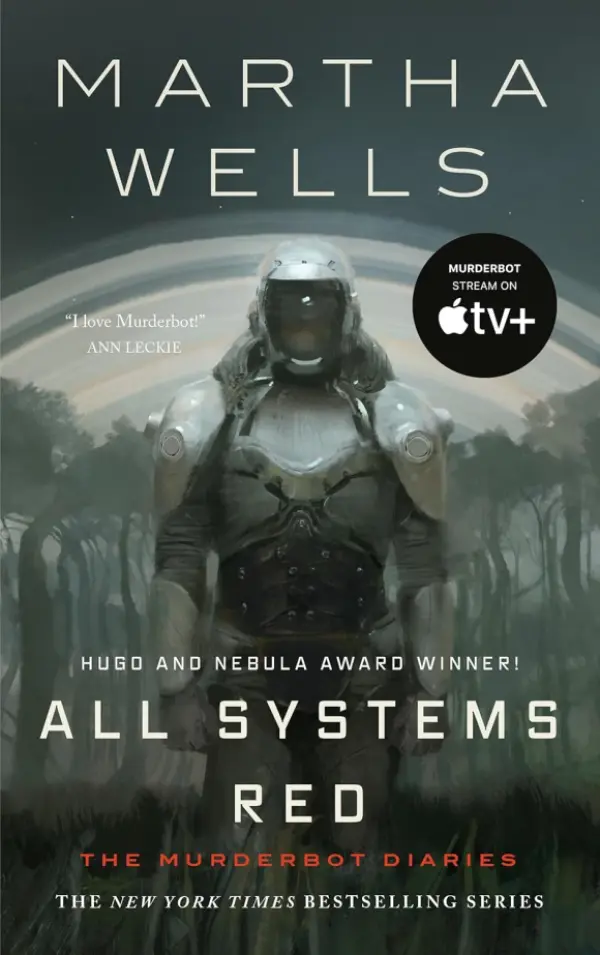
Martha Wells
The Murderbot Diaries, book 1
Average Goodreads rating4.4
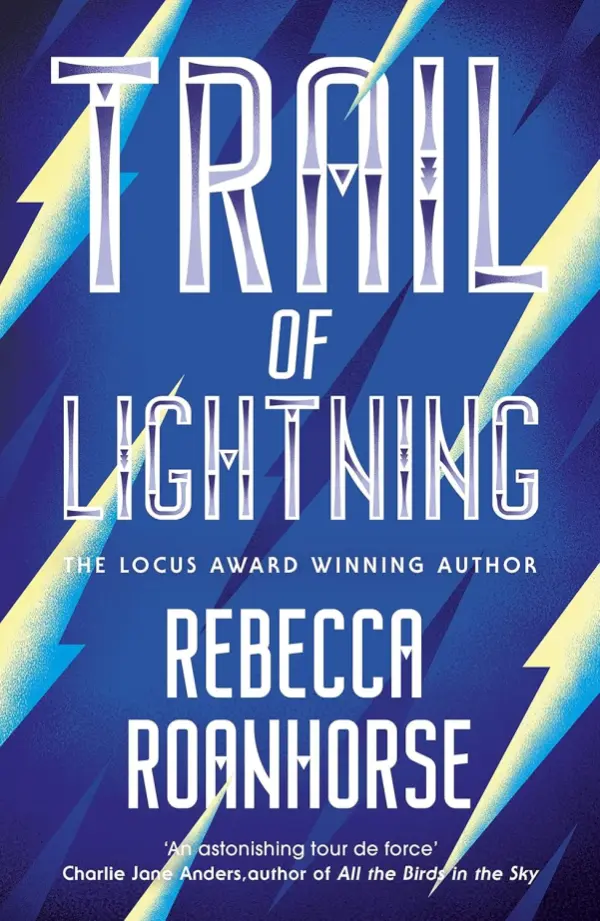
Rebecca Roanhorse
The Sixth World, book 1
Average Goodreads rating4.3

Nnedi Okorafor
Average Goodreads rating4.3
V. E. Schwab
Villains, book 1
Average Goodreads rating4.2
Still Looking?
Further down our similarity list, but still sharing tropes and genres with this book.

Adam Silvera
They Both Die at the End, book 1
Average Goodreads rating4.5
Buy from Amazon (opens Amazon in a new tab)
Arkady Martine
Teixcalaan, book 1
Average Goodreads rating4.3
Buy from Amazon (opens Amazon in a new tab)
Adrian Tchaikovsky
Children of Time, book 1
Average Goodreads rating4.5
Buy from Amazon (opens Amazon in a new tab)Becky Chambers is an award-winning sci-fi author known for hopeful, character-driven space opera. Celebrated for Wayfarers series and Monk & Robot, she crafts cozy sci-fi exploring found family, alien cultures, LGBTQ+ representation, and optimistic futures.
Books, series and tropes by Becky ChambersA Prayer for the Crown-Shy
Buy from Amazon (opens Amazon in a new tab)Occasional emails with new recommendations, series news and trope round-ups.