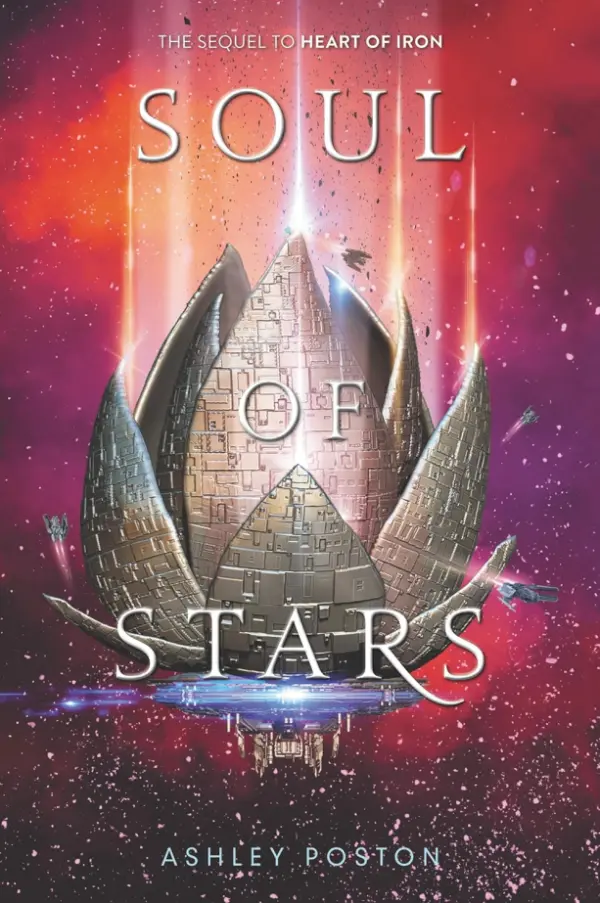
Soul of Stars
Ashley Poston
Heart of Iron, book 2
Average Goodreads rating4.0
- Multiple POV
- Survival and Resilience

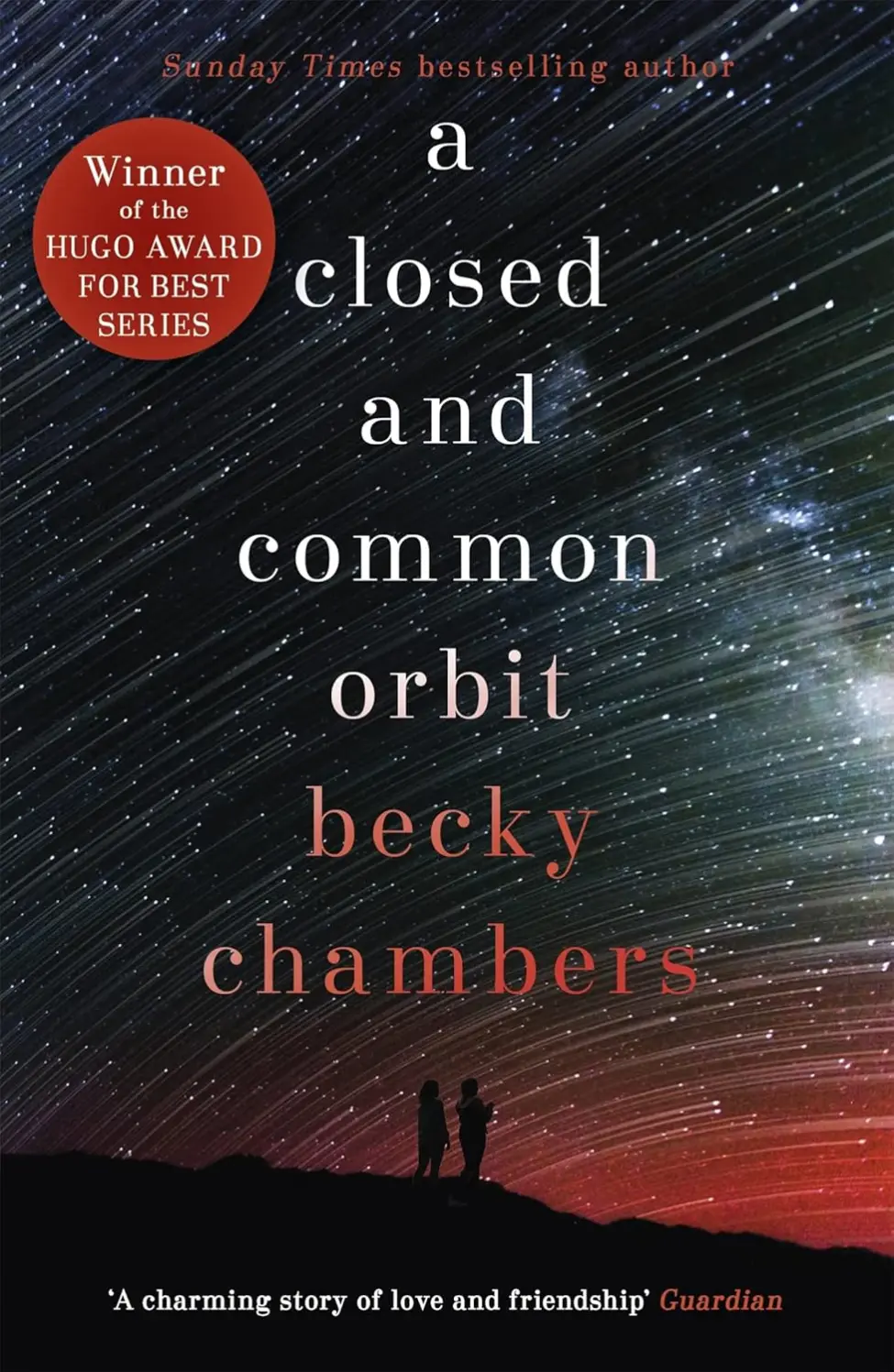
Book 2 in Wayfarers
We independently select and recommend books. Purchases made through our links may earn us a commission, at no extra cost to you. Prices and availability are set by each retailer.
A Closed and Common Orbit by Becky Chambers follows Lovelace, an AI in a human body, and Pepper's past escaping factory slavery. This Wayfarers standalone explores consciousness, identity, chosen family, and what it means to be a person through dual timelines.
Tagged on the series as a whole, so not every book will feature each one.
A Closed and Common Orbit is Becky Chambers's 2016 second novel in the Wayfarers series, functioning as standalone whilst continuing threads from The Long Way to a Small, Angry Planet. Following Lovelace (formerly Lovey, the Wayfarer's AI) now illegally installed in a human-shaped body called a "kit," and alternating with Pepper's past as a child slave called Jane 23 escaping a factory planet, the novel explores what personhood means through dual narratives that converge on questions of consciousness, identity, bodily autonomy, and whether being a person requires being born versus made. Through Chambers's characteristic warmth and thoughtful character work, the book delivers hopeful science fiction examining how we define humanity, the families we choose when biology fails us, and finding home in unexpected places.
The present timeline follows Lovelace adjusting to existence in a body. As the Wayfarer's AI, she controlled the entire ship, perceiving all systems simultaneously whilst interacting with the crew she loved. The kit body - illegal because AIs aren't supposed to have independent physical forms - restricts her to human sensory limitations, single perspective, and the constant fear of discovery. She must learn to pass as human (the kit is designed to appear organic) whilst grappling with profound identity crisis: she's no longer Lovey the ship AI, but she's not human either, and the body that should represent freedom feels like prison compared to her previous existence.
Pepper (formerly Jenks's girlfriend and tech extraordinaire from the first book) and her spouse Blue take Lovelace in, creating safe space whilst she navigates her new reality. Pepper understands better than anyone what it means to rebuild identity after trauma, which the alternating timeline reveals through her backstory.
The past timeline follows Jane 23, a child clone raised in brutal factory conditions on a scrap planet, where "girls" exist solely to sort through salvage for valuable materials whilst the factory's AI Mother oversees them with cold efficiency. When Jane's facility is abandoned following corporate bankruptcy, she's left alone amongst dead clones until she discovers Owl, a damaged shuttle AI who becomes her teacher, parent, and only companion. Jane's survival - learning to repair Owl, scavenge supplies, and eventually escape the planet - parallels Lovelace's journey toward selfhood whilst revealing how Pepper became the person capable of understanding an AI's struggle for personhood.
Chambers uses the dual timeline structure to explore consciousness and identity from different angles. Lovelace is AI learning to be embodied; Jane is human learning to be a person rather than disposable factory component. Both must answer fundamental questions: What makes someone real? Does consciousness require specific form? Can personhood be built rather than born?
The chosen family dynamics provide emotional core. Pepper and Blue don't just shelter Lovelace - they actively work to help her build identity on her own terms, understanding that personhood isn't something granted but something claimed. The found family extends to include Tak (tattoo artist who becomes Lovelace's employer and friend) and others who accept her as she is rather than what society says she should be.
Supporting characters include various aliens whose cultures have different relationships with AI and embodiment, Blue's family providing glimpses of healthy chosen family structures, and Owl, whose AI consciousness shaped Jane's development whilst struggling with her own limitations and inevitable degradation.
Themes of AI consciousness and personhood, chosen family versus biological family, trauma and healing, identity beyond assigned roles, bodily autonomy, what makes someone "real," and finding home in community run throughout.
The ending provides closure whilst honoring both timelines' emotional journeys.
Ashley Poston
Heart of Iron, book 2
Average Goodreads rating4.0

Adrian Tchaikovsky
Children of Time, book 1
Average Goodreads rating4.5
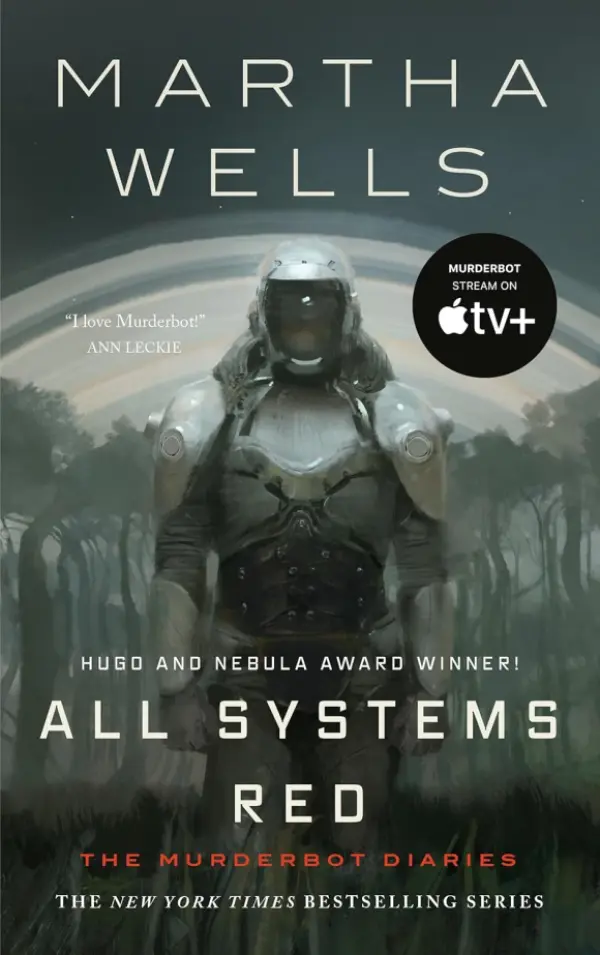
Martha Wells
The Murderbot Diaries, book 1
Average Goodreads rating4.4

Neal Shusterman
Arc of a Scythe, book 1
Average Goodreads rating4.5

Megan O'Keefe
The Devoured Worlds, book 1
Average Goodreads rating4.2
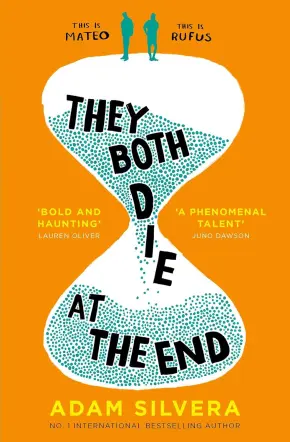
Adam Silvera
They Both Die at the End, book 1
Average Goodreads rating4.5
Still Looking?
Further down our similarity list, but still sharing tropes and genres with this book.
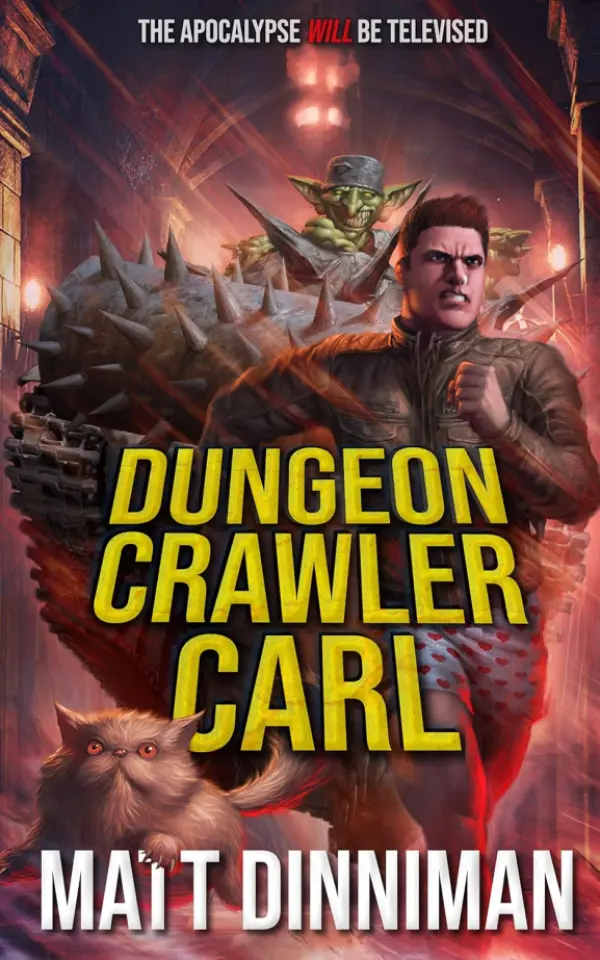
Matt Dinniman
Dungeon Crawler Carl, book 1
Average Goodreads rating4.6
Buy from Amazon (opens Amazon in a new tab)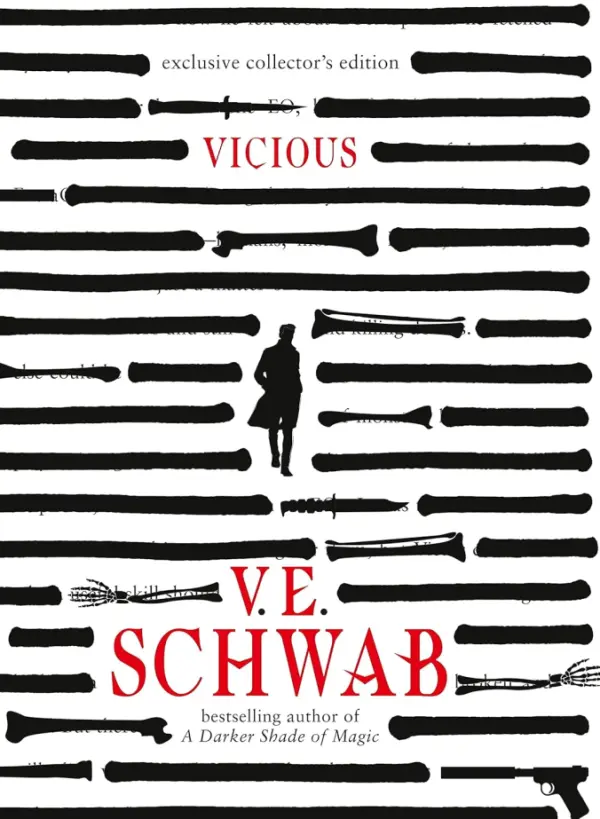
V. E. Schwab
Villains, book 1
Average Goodreads rating4.2
Buy from Amazon (opens Amazon in a new tab)
Jay Kristoff
LIFEL1K3, book 1
Average Goodreads rating4.3
Buy from Amazon (opens Amazon in a new tab)Becky Chambers is an award-winning sci-fi author known for hopeful, character-driven space opera. Celebrated for Wayfarers series and Monk & Robot, she crafts cozy sci-fi exploring found family, alien cultures, LGBTQ+ representation, and optimistic futures.
Books, series and tropes by Becky ChambersA Closed and Common Orbit
Buy from Amazon (opens Amazon in a new tab)Occasional emails with new recommendations, series news and trope round-ups.