
Scythe
Neal Shusterman
Arc of a Scythe, book 1
Average Goodreads rating4.5

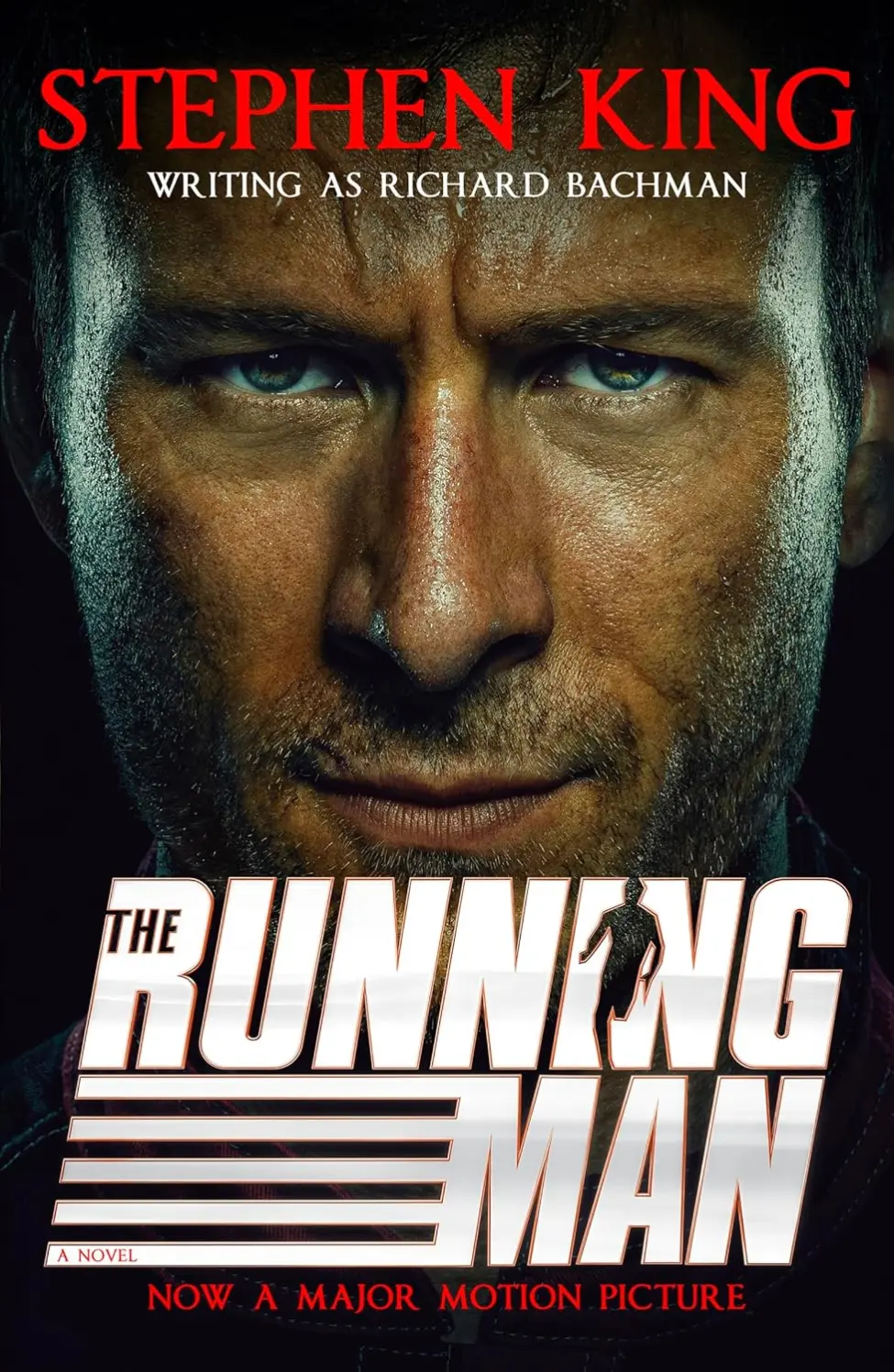
by Richard Bachman and Stephen King
We independently select and recommend books. Purchases made through our links may earn us a commission, at no extra cost to you. Prices and availability are set by each retailer.
The Running Man by Richard Bachman (Stephen King) follows Ben Richards, a desperate man who joins a deadly game show where contestants are hunted for public entertainment. This dystopian thriller explores class warfare, media manipulation, and survival.
The Running Man is Richard Bachman's (Stephen King's) 1982 dystopian thriller that presents a brutally prescient vision of reality television as blood sport, economic desperation forcing deadly choices, and a society where the poor entertain the rich through their suffering and death. Set in 2025 (from a 1982 perspective), the novel follows Ben Richards as he volunteers for "The Running Man," a game show where contestants are hunted nationwide whilst cameras broadcast their terror and death for ratings. Far darker and more politically charged than the 1987 Arnold Schwarzenegger film adaptation, the novel is pure Bachman - bleak, violent, and offering scathing commentary on capitalism, media, and class warfare.
Ben Richards is desperate. In a near-future America divided sharply by class, Ben lives in the Co-Op slums with his wife Sheila and their sick infant daughter Cathy. The air is poisonous, healthcare is unaffordable for the poor, and jobs are scarce. When Cathy develops pneumonia and Ben can't afford treatment, he applies to the Games Network - a television network running deadly game shows where contestants risk death for prize money.
After being rejected from safer games, Ben is selected for The Running Man, the network's most popular and deadly program. The rules are simple: survive for thirty days whilst Hunters (professional assassins) and the public track you down. Every hour survived earns $100. Killing a Hunter earns a bonus. But no one has ever survived the full thirty days - most contestants die within hours or days, their deaths broadcast to massive audiences who watch the poor kill each other for entertainment.
Ben receives a twelve-hour head start, then the hunt begins. Unlike the film's contained arena, King's version sends Ben across America, forcing him to navigate cities, evade both professional Hunters and ordinary citizens incentivized to report sightings, and survive with minimal resources. The Games Network controls media, broadcasting propaganda painting contestants as criminals whilst editing footage to maximize entertainment and maintain the illusion of fair play.
King structures the novel as breakneck chase thriller, written in short, propulsive chapters that mirror the show's frantic pacing. Ben's first-person narration reveals his intelligence, rage at systemic injustice, and desperate love for his family. He's not a hero in traditional sense - he's willing to threaten innocents, take hostages, and kill if necessary. His violence isn't celebrated but shown as product of a system that offers no other options.
As Ben runs, King reveals the depth of societal rot. The Games Network doesn't just exploit contestants - it manufactures consent for their deaths through propaganda, turns neighbors into informants through bounties, and creates spectacle that distracts from systematic oppression. The wealthy watch from comfort whilst the poor either compete or watch others die, grateful it's not them.
The novel's prescience is striking. Written decades before reality television's dominance, King imagined a future where entertainment prioritizes spectacle over humanity, where surveillance is ubiquitous, where economic desperation makes people accept dehumanizing conditions, and where media manipulation shapes public perception. The parallels to modern reality TV, social media, and widening wealth gaps make the 1982 novel feel disturbingly contemporary.
Supporting characters include fellow contestants Ben encounters, ordinary people who help or betray him, and the faceless Games Network executives orchestrating the spectacle. King uses these interactions to show how systematic oppression functions - not through individual villainy but through structures that incentivize cruelty and punish compassion.
The ending is characteristically Bachman - violent, desperate, and offering no easy resolution. King refuses triumphant victory or simple escape, instead delivering conclusion that honours the novel's bleak worldview whilst providing catharsis.
Themes of class warfare and economic desperation, media manipulation and propaganda, violence as entertainment, systematic oppression, survival at any cost, and capitalism's dehumanization run throughout.
The prose is lean and mean - King writing as Bachman strips away his usual digressive style for focused, propulsive thriller pacing that mirrors Ben's desperate flight.
Neal Shusterman
Arc of a Scythe, book 1
Average Goodreads rating4.5

Suzanne Collins
Hunger Games, book 3
Average Goodreads rating4.6
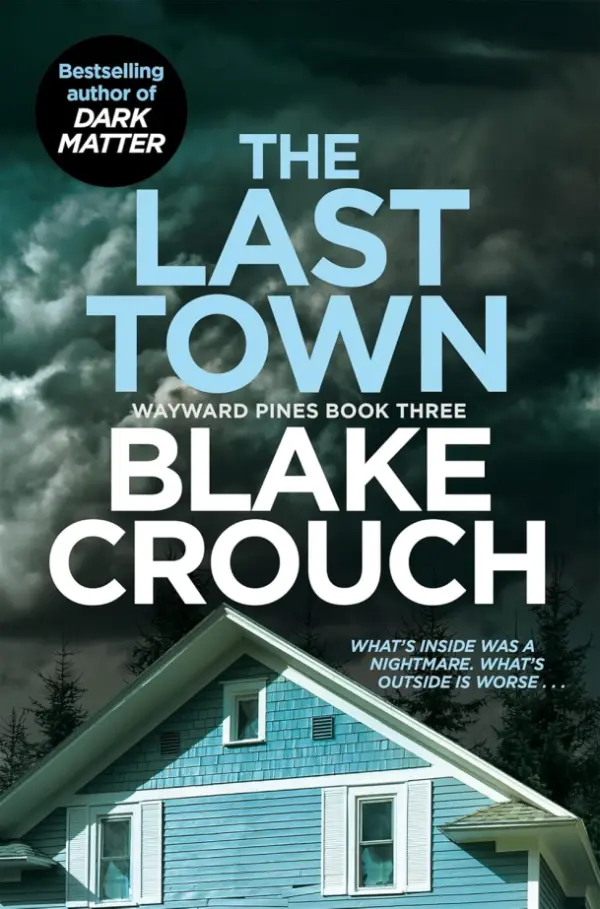
Blake Crouch
The Wayward Pines Trilogy, book 3
Average Goodreads rating4.4

Cormac McCarthy
Average Goodreads rating4.4
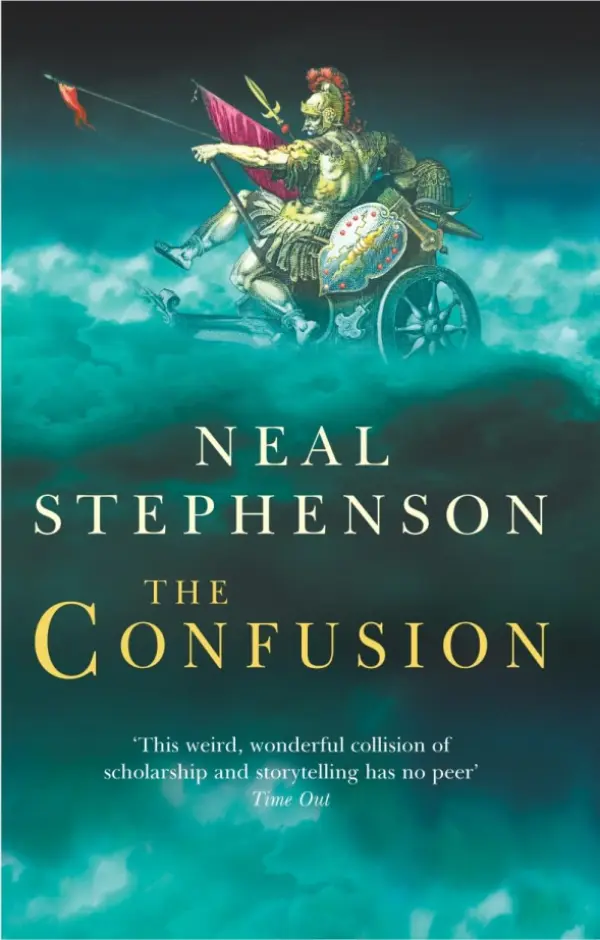
Neal Stephenson
The Baroque Cycle, book 2
Average Goodreads rating4.7
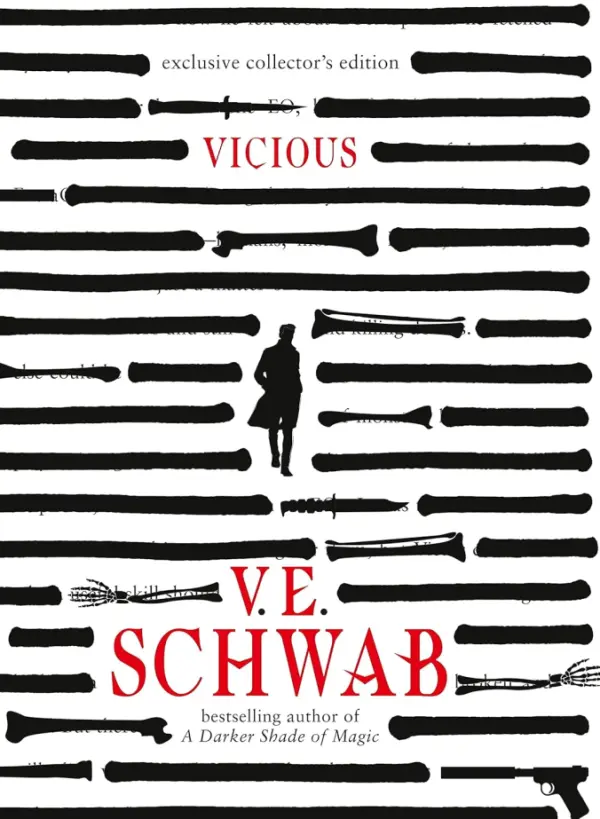
V. E. Schwab
Villains, book 1
Average Goodreads rating4.2
Still Looking?
Further down our similarity list, but still sharing tropes and genres with this book.
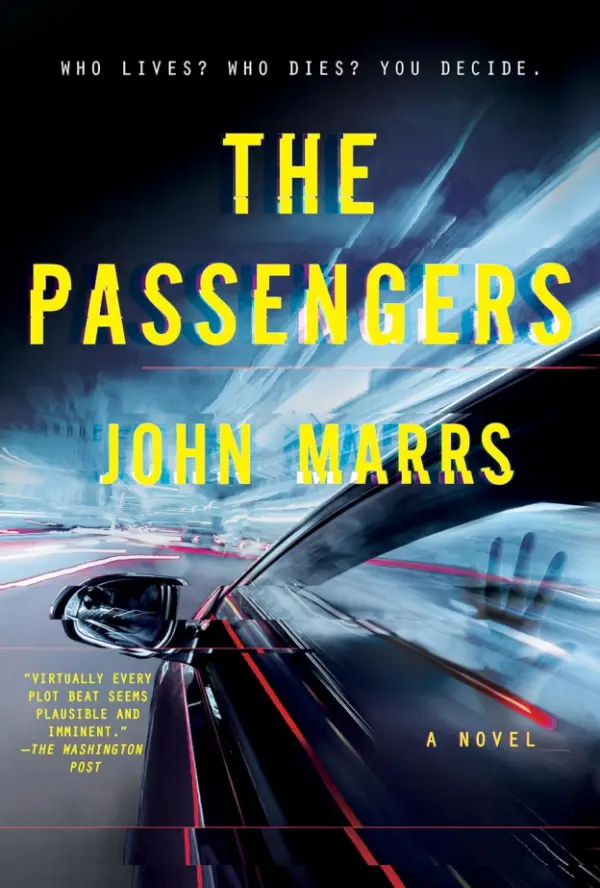
John Marrs
Average Goodreads rating4.1
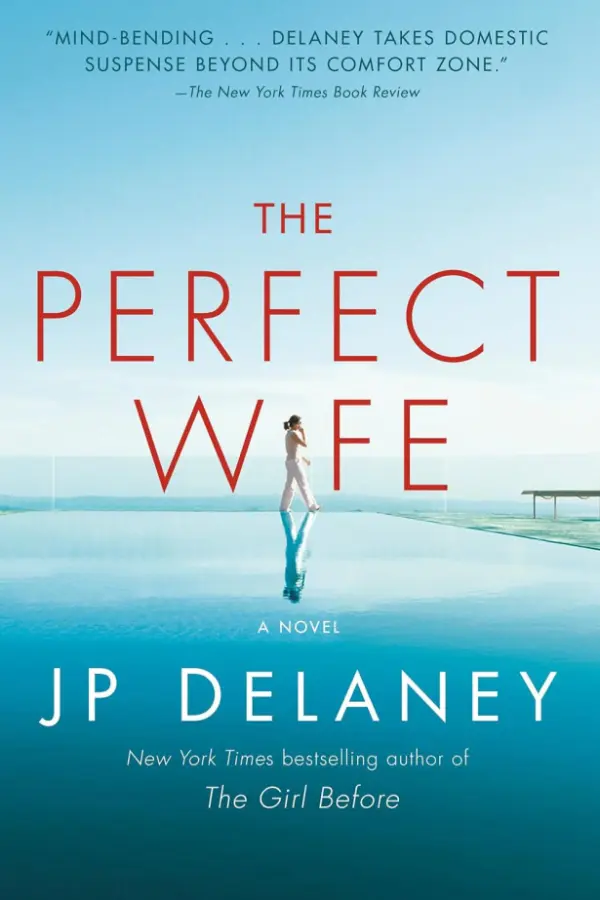
J. P. Delaney
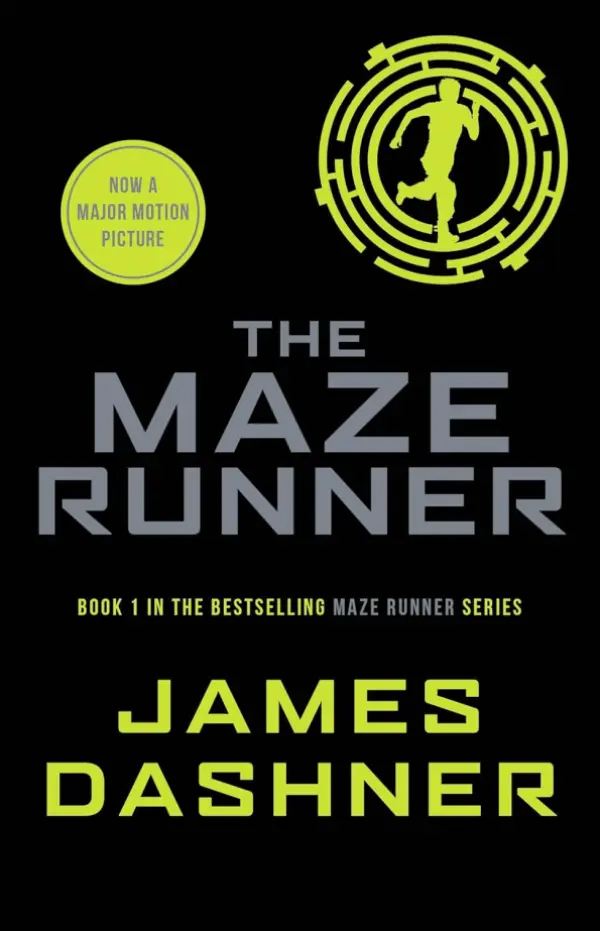
James Dashner
The Maze Runner, book 1
Average Goodreads rating4.5
Buy from Amazon (opens Amazon in a new tab)Richard Bachman is Stephen King's pseudonym, used for darker, bleaker novels. Under this name, King published grittier thrillers exploring societal breakdown, violence, and desperation. Bachman's "death" in 1985 ended the pseudonym's initial run.
Books, series and tropes by Richard BachmanStephen King is the bestselling master of horror, known for The Shining, It, and The Stand. With over 60 novels blending supernatural terror with everyday fears, small-town settings, and deeply human characters, he's defined modern horror for generations.
Books, series and tropes by Stephen KingThe Running Man
Buy from Amazon (opens Amazon in a new tab)Occasional emails with new recommendations, series news and trope round-ups.