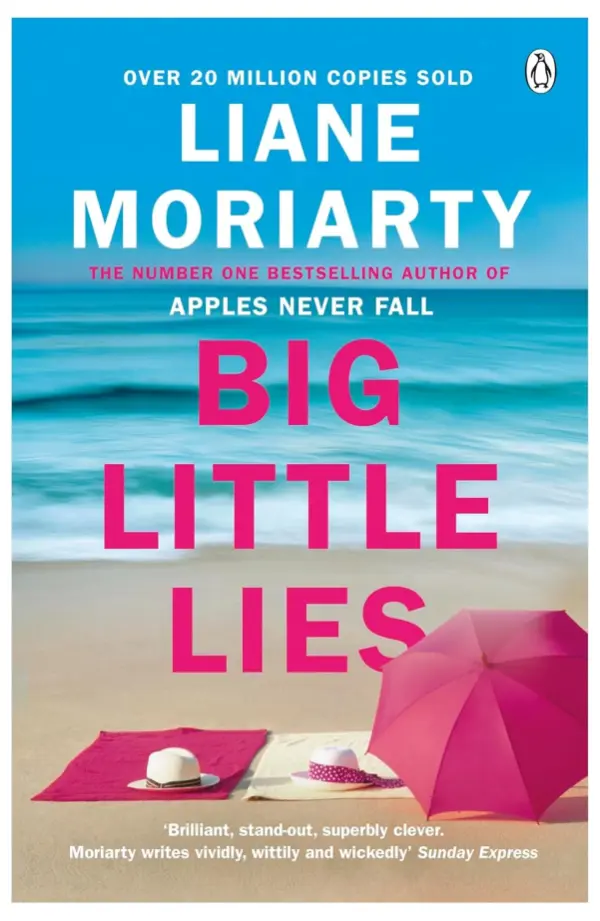
Big Little Lies
Liane Moriarty
Average Goodreads rating4.5
- Multiple POV
- Unreliable Narrator
Book trope · 27 books
Dark humour is the art of finding comedy in places that probably shouldn't be funny. Death, disaster, moral failure, existential dread — all fair game.
More about the Dark Humour trope4 are tagged with Dark Humour individually. The others belong to a series tagged with it, which doesn’t mean every book in it features the trope, so they’re marked “Matched via its series”.
Updating books…
27 books found
Liane Moriarty
Average Goodreads rating4.5
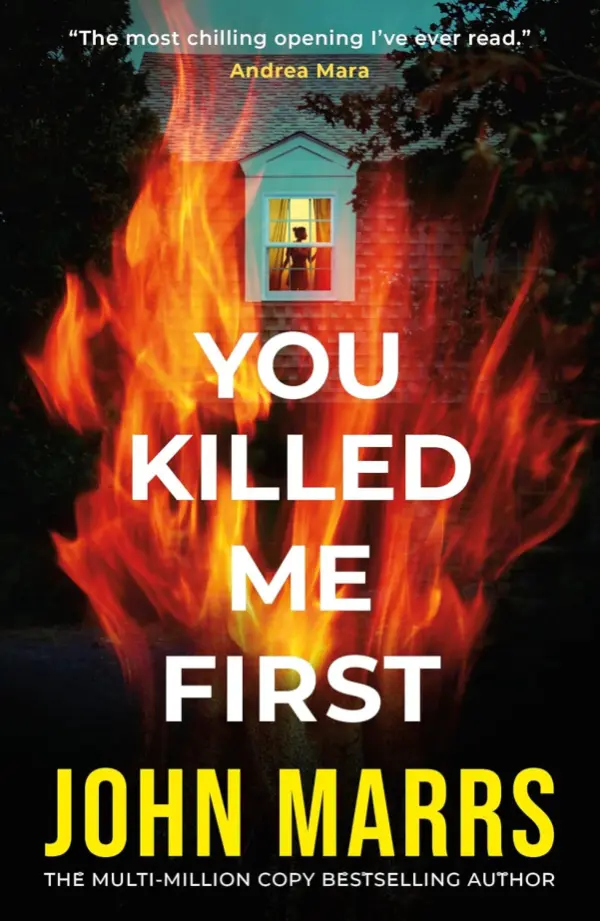
John Marrs
Average Goodreads rating4.0
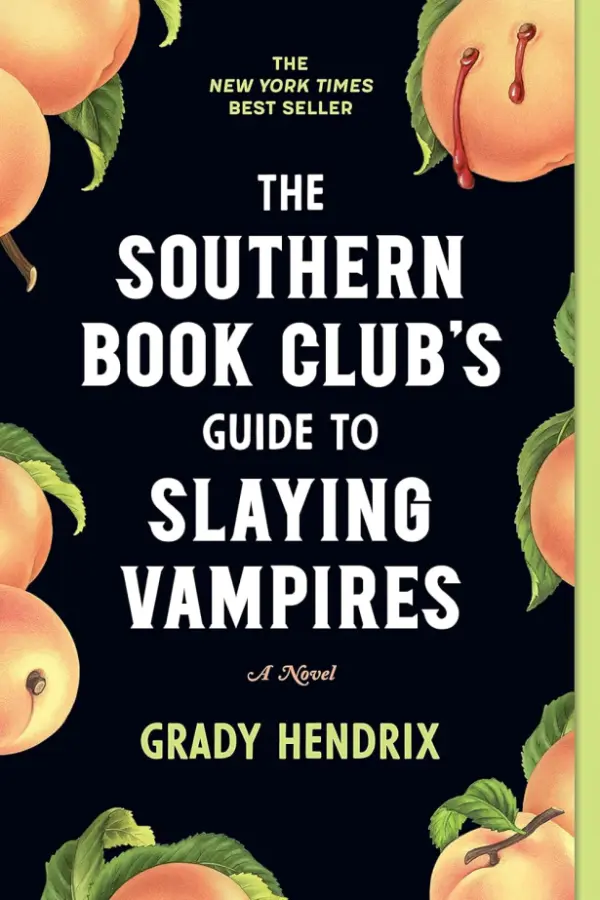
Grady Hendrix
Average Goodreads rating4.4
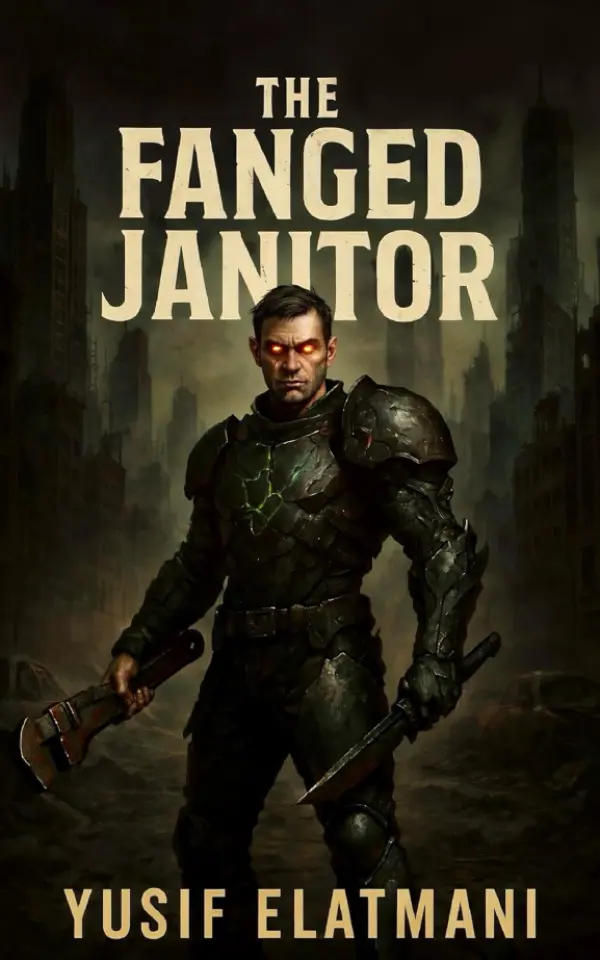
Yusif Elatmani
Average Goodreads rating4.2
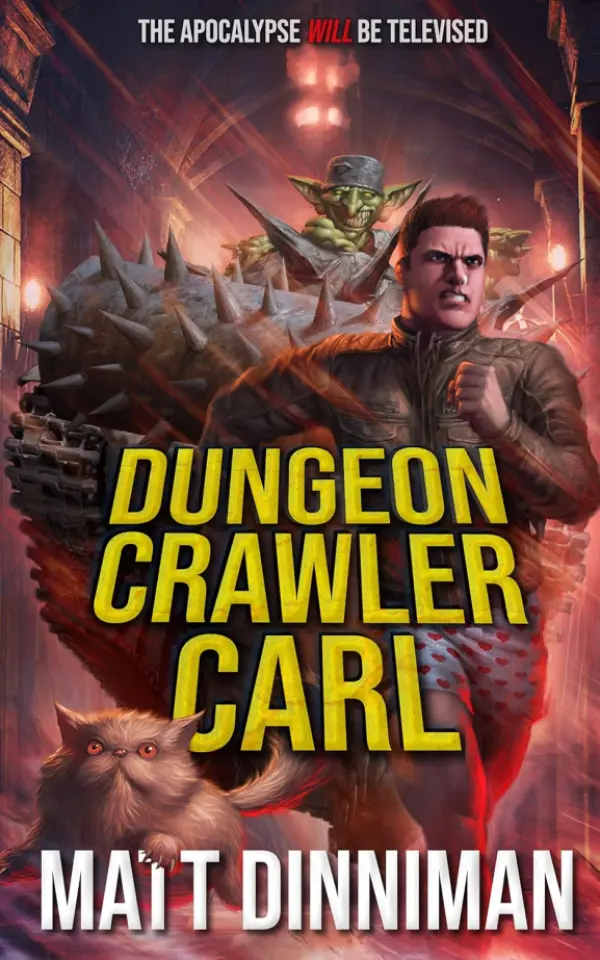
Matt Dinniman
Dungeon Crawler Carl, book 1
Average Goodreads rating4.6
Matched via its series
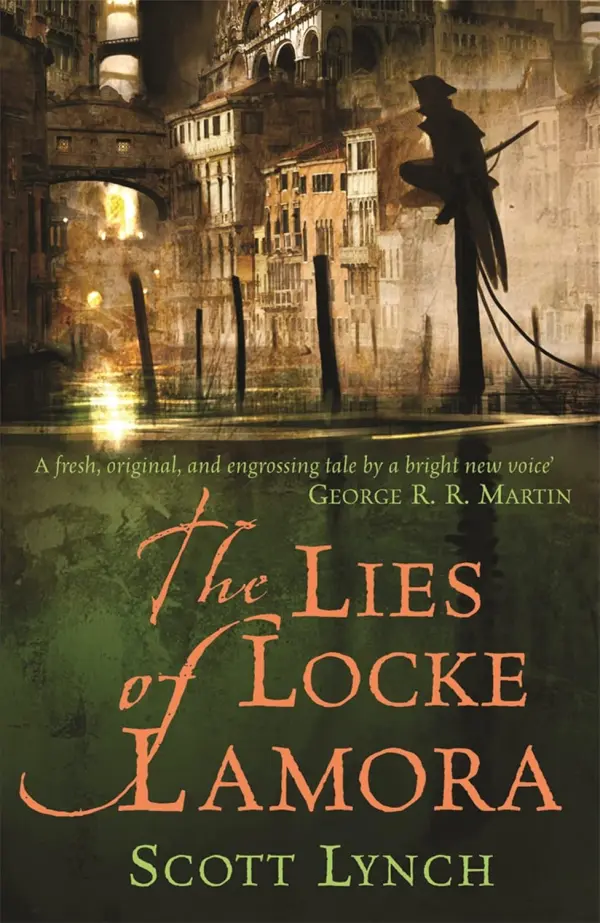
Scott Lynch
The Gentleman Bastard Sequence, book 1
Average Goodreads rating4.6
Matched via its series
Joe Abercrombie
The First Law Trilogy, book 1
Average Goodreads rating4.7
Matched via its series
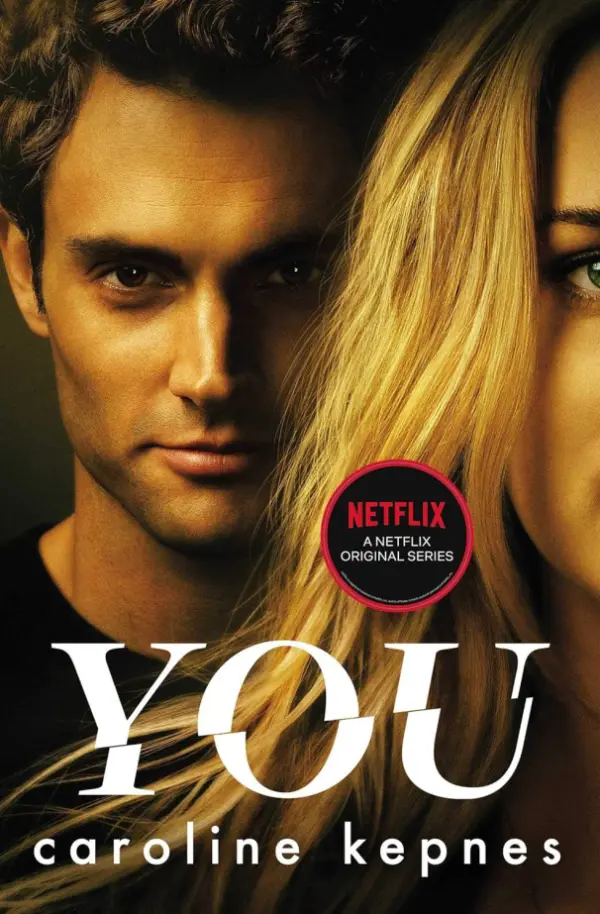
Caroline Kepnes
You, book 1
Average Goodreads rating4.2
Matched via its series
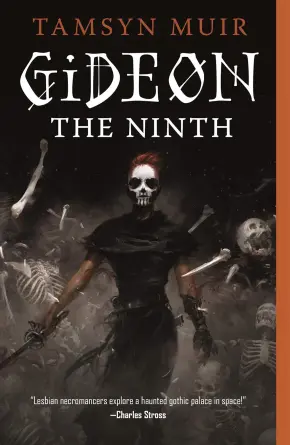
Tamsyn Muir
The Locked Tomb Series, book 1
Average Goodreads rating4.5
Matched via its series

Jay Kristoff
LIFEL1K3, book 1
Average Goodreads rating4.3
Matched via its series
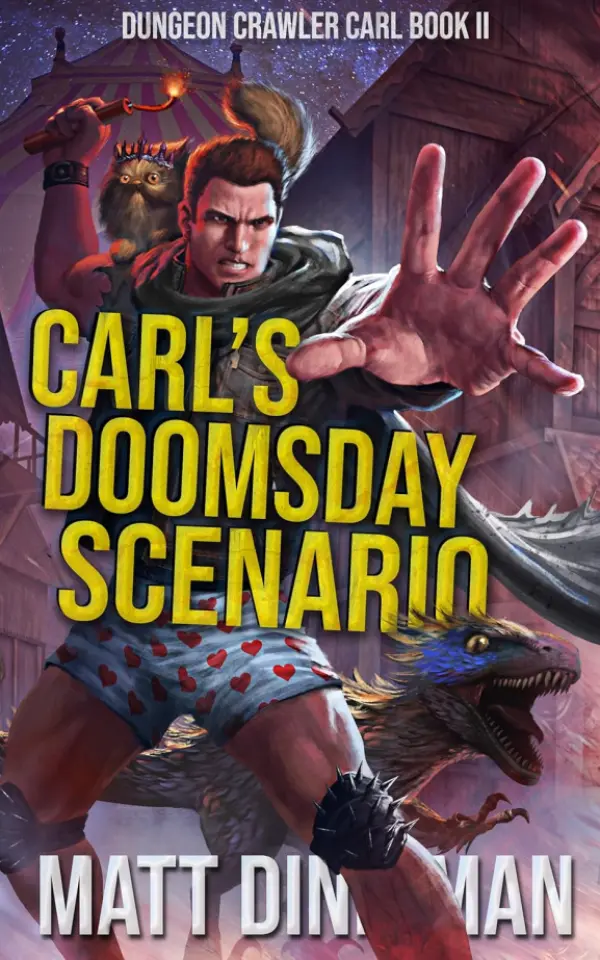
Matt Dinniman
Dungeon Crawler Carl, book 2
Average Goodreads rating4.7
Matched via its series
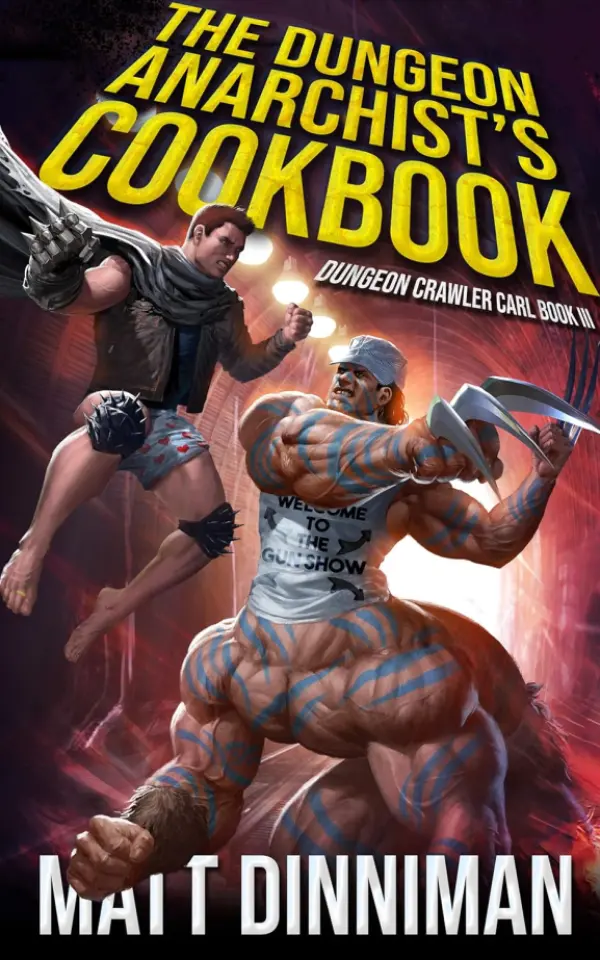
Matt Dinniman
Dungeon Crawler Carl, book 3
Average Goodreads rating4.6
Matched via its series
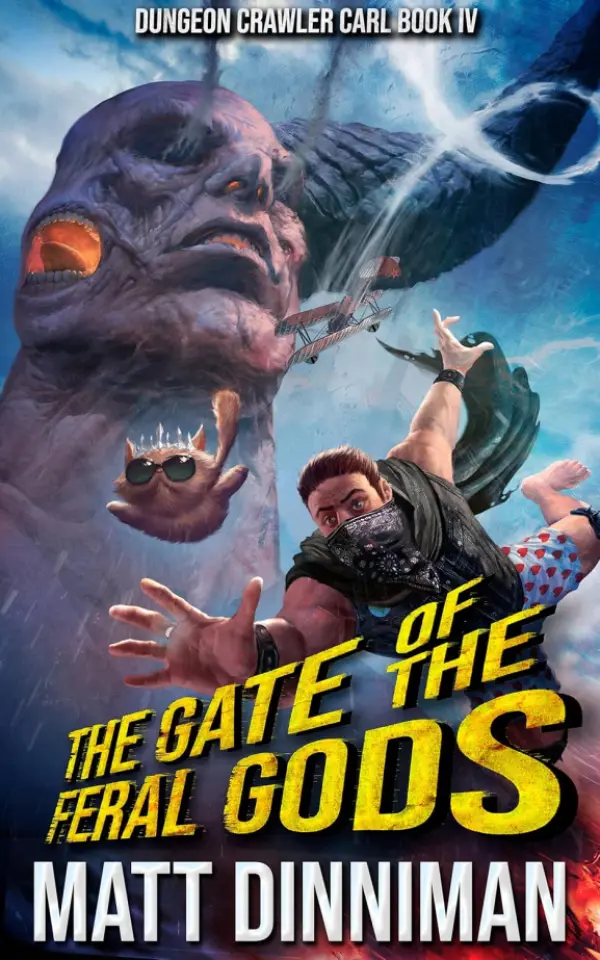
Matt Dinniman
Dungeon Crawler Carl, book 4
Average Goodreads rating4.7
Matched via its series
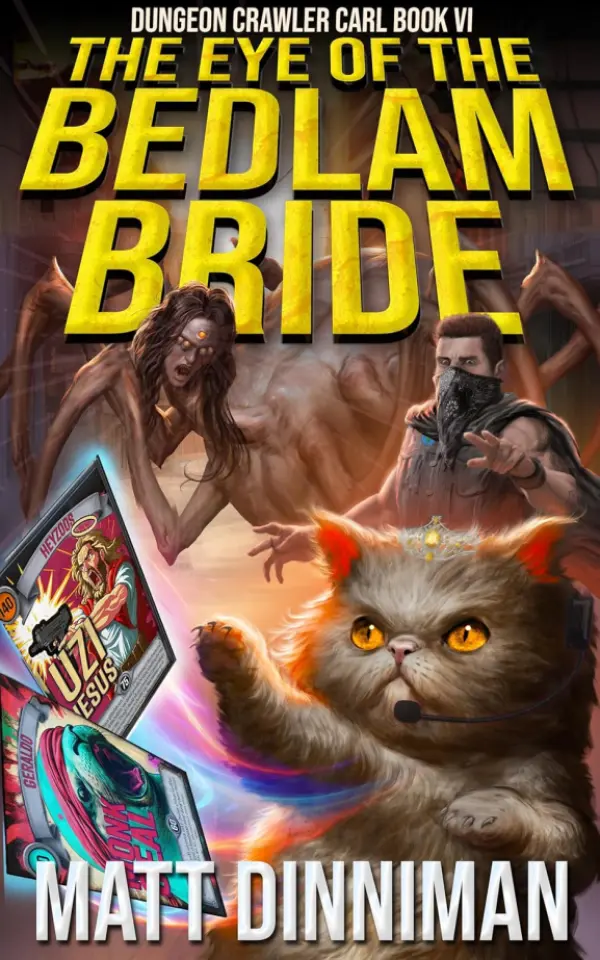
Matt Dinniman
Dungeon Crawler Carl, book 6
Average Goodreads rating4.8
Matched via its series
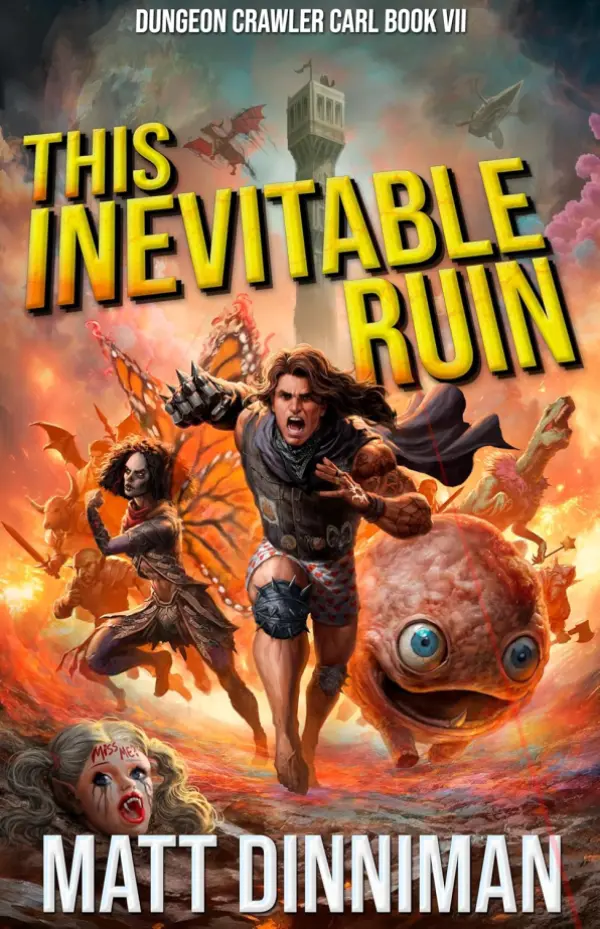
Matt Dinniman
Dungeon Crawler Carl, book 7
Average Goodreads rating4.8
Matched via its series
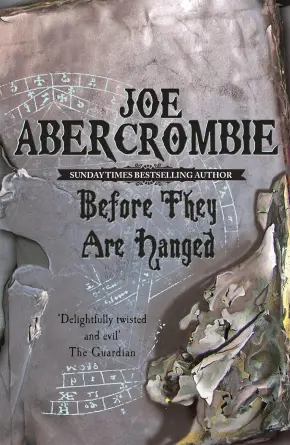
Joe Abercrombie
The First Law Trilogy, book 2
Average Goodreads rating4.6
Matched via its series
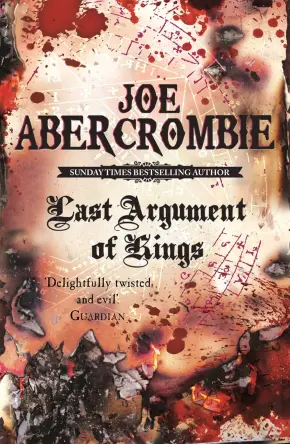
Joe Abercrombie
The First Law Trilogy, book 3
Average Goodreads rating4.6
Matched via its series
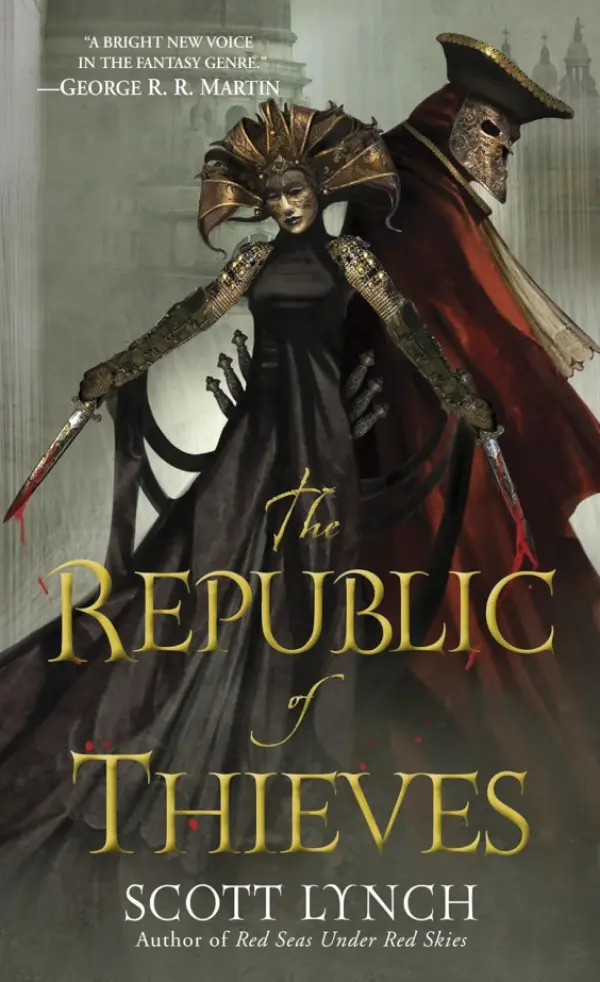
Scott Lynch
The Gentleman Bastard Sequence, book 3
Average Goodreads rating4.4
Matched via its series
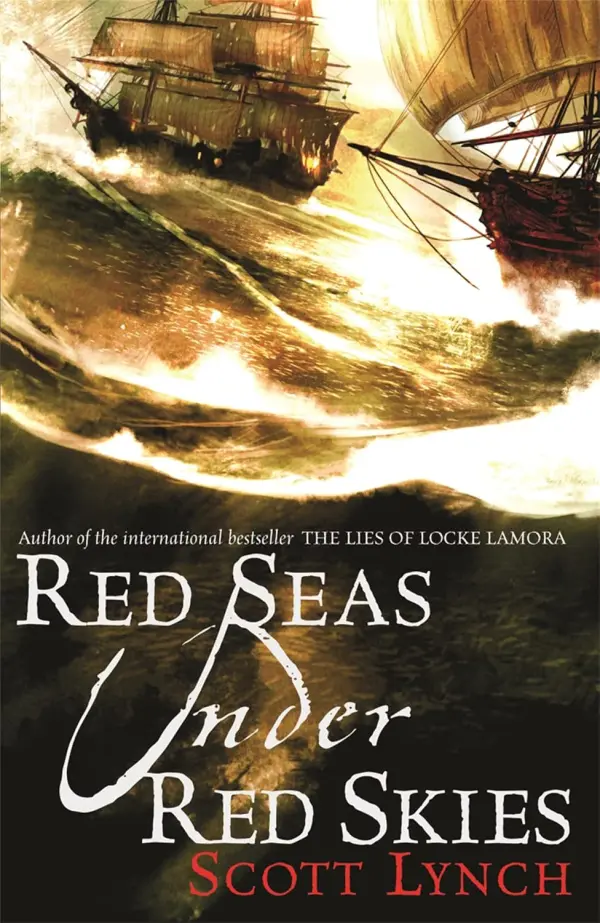
Scott Lynch
The Gentleman Bastard Sequence, book 2
Average Goodreads rating4.5
Matched via its series
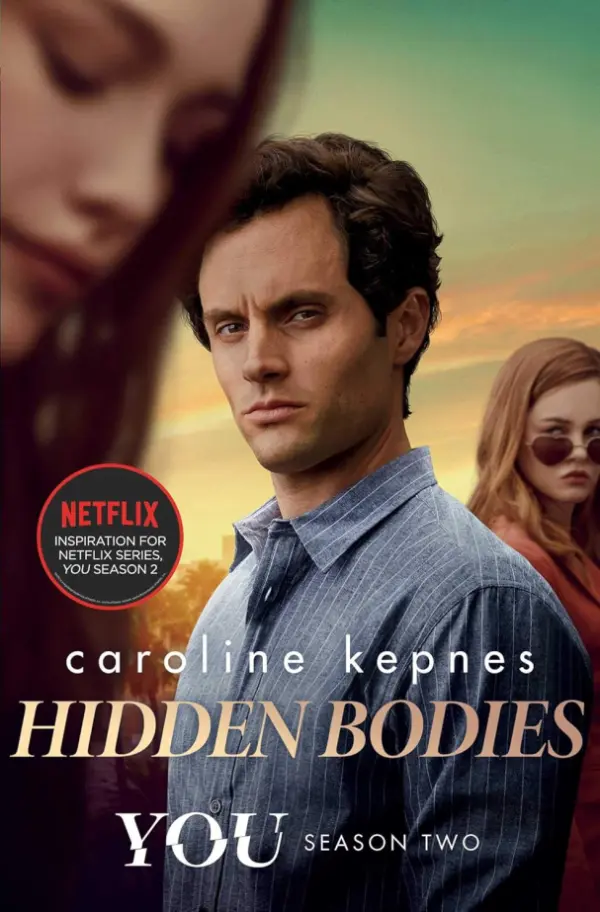
Caroline Kepnes
You, book 2
Average Goodreads rating4.3
Matched via its series
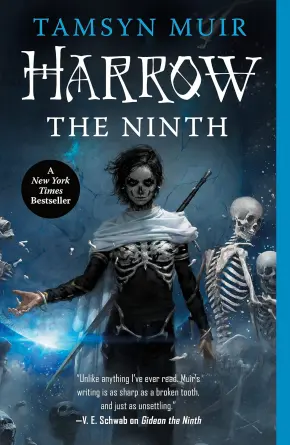
Tamsyn Muir
The Locked Tomb Series, book 2
Average Goodreads rating4.5
Matched via its series
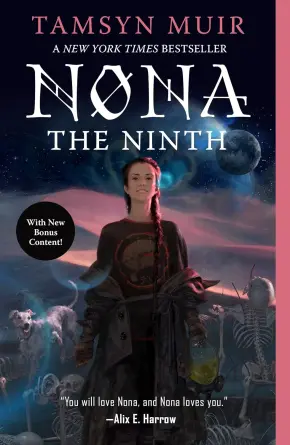
Tamsyn Muir
The Locked Tomb Series, book 3
Average Goodreads rating4.6
Matched via its series
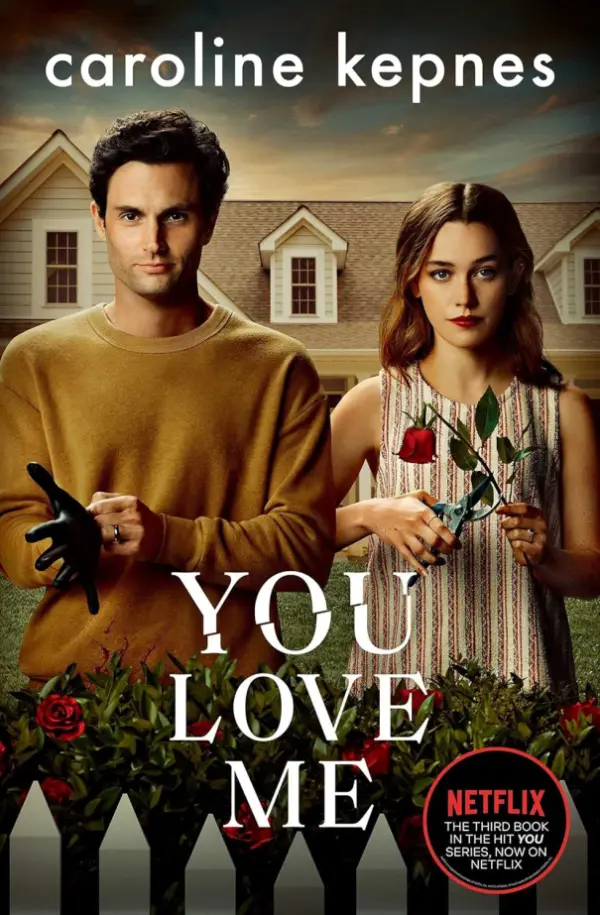
Caroline Kepnes
You, book 3
Average Goodreads rating4.3
Matched via its series
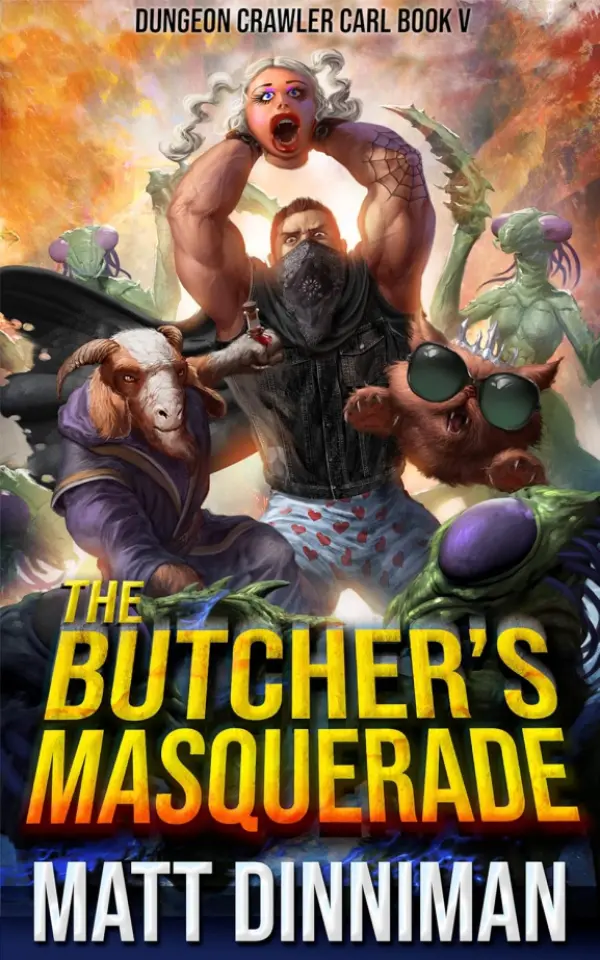
Matt Dinniman
Dungeon Crawler Carl, book 5
Average Goodreads rating4.8
Matched via its series
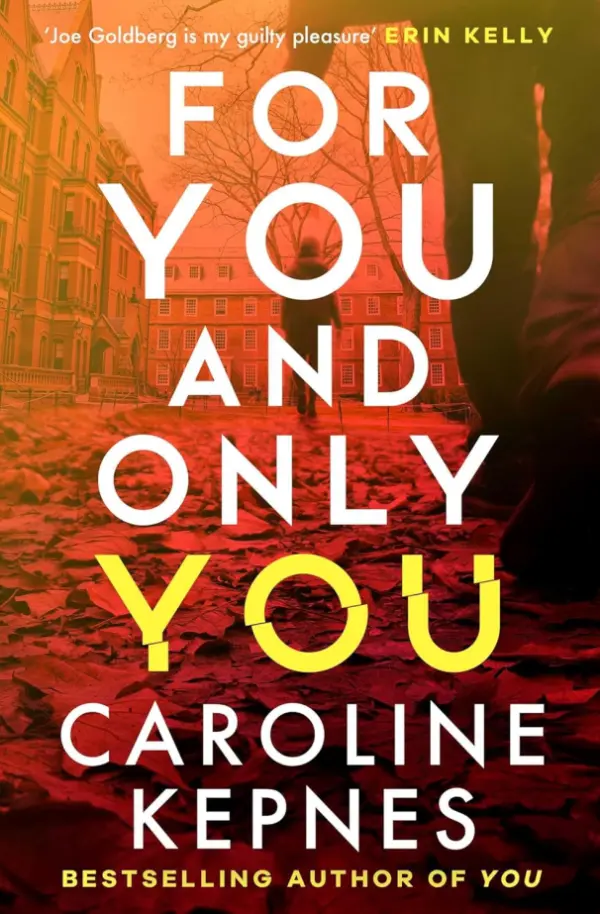
Caroline Kepnes
You, book 4
Average Goodreads rating3.8
Matched via its series

Jay Kristoff
LIFEL1K3, book 2
Average Goodreads rating4.6
Matched via its series

Jay Kristoff
LIFEL1K3, book 3
Average Goodreads rating4.6
Matched via its series
Tropes that share the most books with Dark Humour
Dark humour is the art of finding comedy in places that probably shouldn't be funny. Death, disaster, moral failure, existential dread — all fair game. In fiction, it's the narrative voice that raises an eyebrow at a funeral, or the character who makes a deeply inappropriate joke at exactly the wrong moment and somehow lands it. Readers love it because it's honest. Life is absurd and often terrible, and stories that acknowledge this while still making you laugh feel more truthful than those that don't.
It's a tonal tightrope. Done well, dark humour doesn't trivialise pain — it reframes it. The laugh doesn't erase the grief or the horror; it sits alongside it, which can make both feel more real. Done badly, it's just cruelty dressed up as wit. The best writers in this mode know exactly where the line is, and they draw it themselves.
Fantasy has always had a soft spot for dark humour, particularly in stories that push back against the genre's grander traditions. A narrator who remarks on the inconvenience of apocalyptic prophecies, a necromancer with a bureaucratic streak, a morally grey protagonist who treats their own terrible decisions with cheerful detachment — these are the signatures of the mode. The contrast between epic stakes and deadpan delivery is half the joke.
In romance, dark humour tends to show up in the banter between leads, particularly when one or both characters use wit as armour. There's something revealing about a person who jokes about the worst things. It can be a survival mechanism, a coping strategy, or simply a worldview — and watching two characters find that shared frequency is its own kind of intimacy. The moment when both characters laugh at something they probably shouldn't is often more romantic than any grand declaration.
Dark humour isn't a single flavour. There's the pitch-black gallows variety, where the comedy is so grim it's almost shocking. There's the sardonic, where the humour comes from a character's withering contempt for the world around them. There's absurdist dark comedy, which finds the joke in the sheer senselessness of events rather than in any character's cleverness. And there's the quieter kind — a single dry observation buried in an otherwise serious scene that catches you off guard and makes you feel slightly guilty for laughing.
Many books blend more than one of these registers, shifting between them depending on what the scene demands. A story might be broadly funny and strange, then drop into something genuinely bleak, then use a dark joke to breathe again. That rhythm, when an author controls it well, is what makes dark humour so effective as a structural tool rather than just a surface trait.
There's a particular kind of reader who seeks out dark humour specifically — someone who wants fiction that doesn't flinch, that trusts them to hold comedy and tragedy at the same time. But the trope has a much wider appeal than that niche suggests. Humour lowers defences. A book that makes you laugh has already got under your skin before you notice it's also breaking your heart.
Stories built around dark humour often carry surprisingly sharp moral observations. The joke is frequently the argument. When a character laughs at something awful, it forces the reader to examine why they're laughing too — which is, arguably, more ethically interesting than straightforward solemnity. If you want fiction that takes nothing too seriously and everything seriously at once, this is the trope for you.
Occasional emails with new recommendations, series news and trope round-ups.