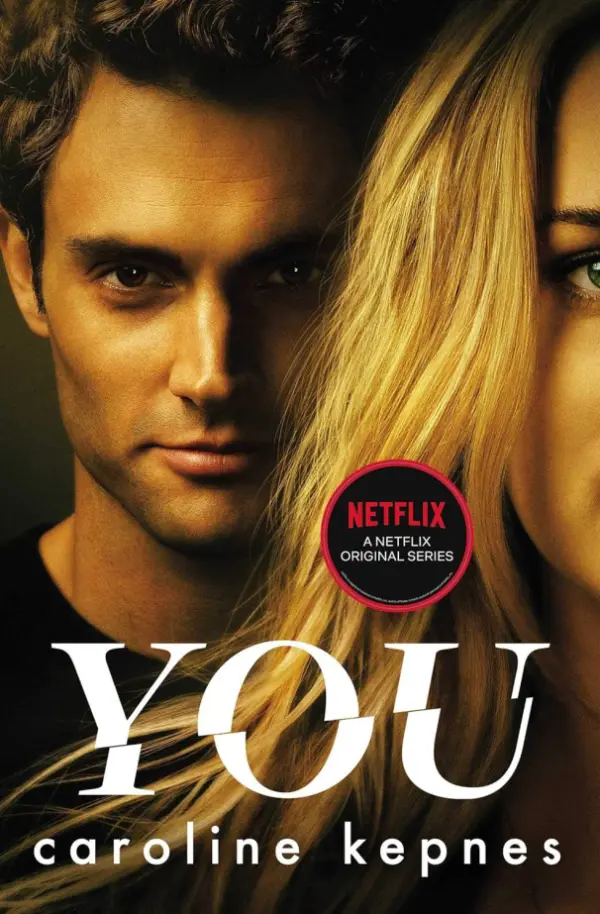
You
Caroline Kepnes
You, book 1
Average Goodreads rating4.2
Matched via its series

Book trope · 4 books
The stalker protagonist is exactly what it sounds like, and that's precisely why it works. This trope centres a narrative voice — usually first-person — on a character who watches, follows, or obsessively fixates on another person, often framed not as villainy but as devotion.
More about the Stalker Protagonist trope0 are tagged with Stalker Protagonist individually. The others belong to a series tagged with it, which doesn’t mean every book in it features the trope, so they’re marked “Matched via its series”.
Updating books…
4 books found
Caroline Kepnes
You, book 1
Average Goodreads rating4.2
Matched via its series
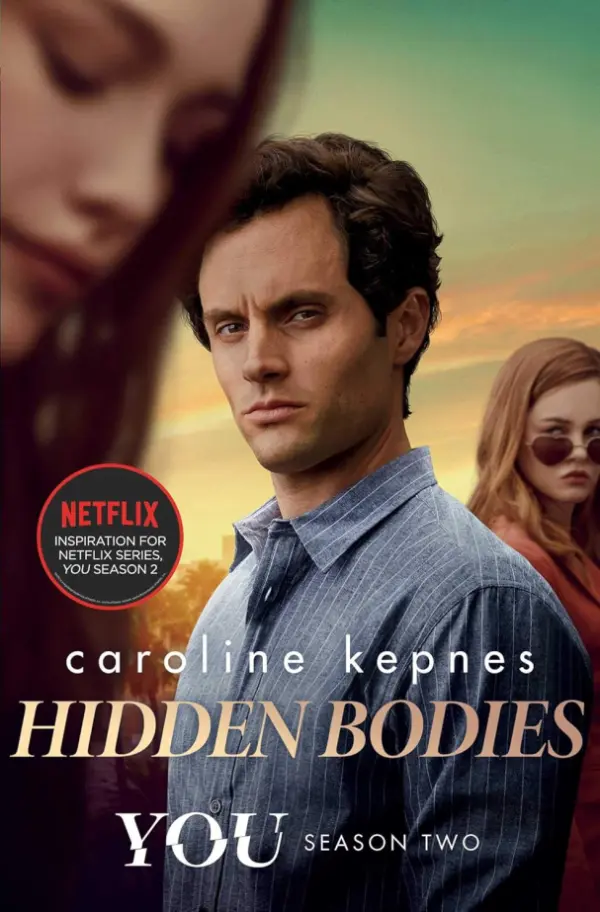
Caroline Kepnes
You, book 2
Average Goodreads rating4.3
Matched via its series
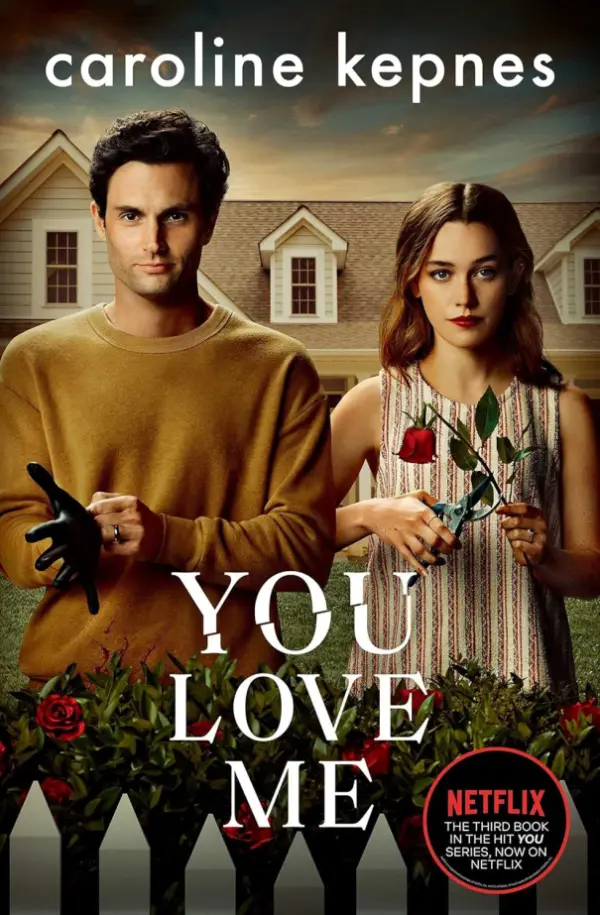
Caroline Kepnes
You, book 3
Average Goodreads rating4.3
Matched via its series
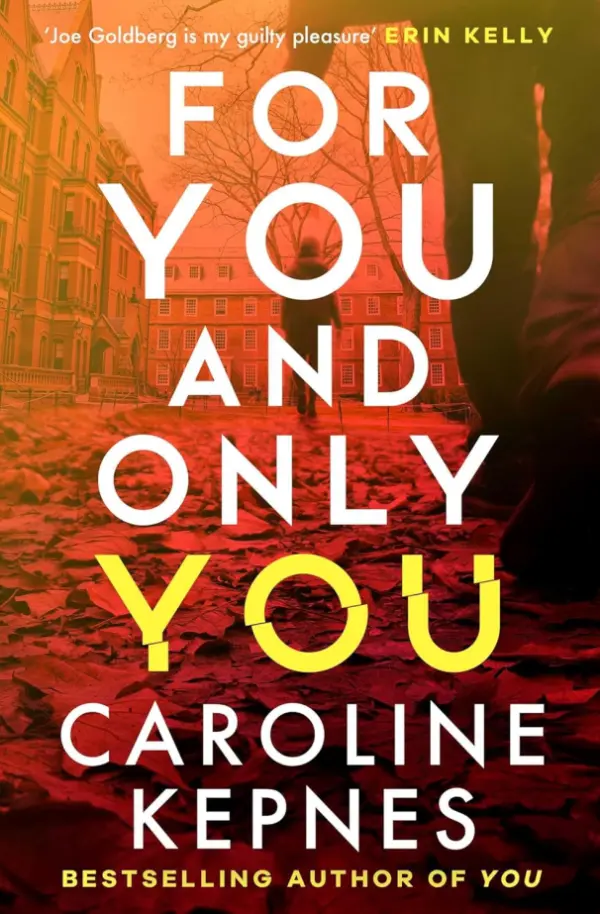
Caroline Kepnes
You, book 4
Average Goodreads rating3.8
Matched via its series
Tropes that share the most books with Stalker Protagonist
The stalker protagonist is exactly what it sounds like, and that's precisely why it works. This trope centres a narrative voice — usually first-person — on a character who watches, follows, or obsessively fixates on another person, often framed not as villainy but as devotion. The reader is locked inside the head of someone whose behaviour would, in any ordinary context, be deeply alarming. The tension comes from that gap: between what the protagonist believes they're doing and what they're actually doing.
It's a deliberately uncomfortable place to sit. That discomfort is the point.
There's something compulsive about a perspective that most of us would never inhabit. Readers who gravitate toward dark romance or psychological fiction often cite the same appeal: the thrill of full access to a mind operating outside social norms, without the real-world stakes. The stalker protagonist strips away the polite fictions people tell themselves and replaces them with obsession rendered in vivid, often disturbingly tender detail.
It's also, in many cases, a character study in self-deception. The protagonist genuinely believes their surveillance is love, their intrusion is protection, their presence is fate. Watching that logic unfold — and sometimes unravel — is what keeps pages turning.
The trope tends to hinge on a few consistent features. First, unreliable narration: the reader sees the world filtered through a consciousness that cannot be fully trusted. Second, a power imbalance that's maintained, at least for much of the story, through secrecy. The object of fixation typically doesn't know they're being watched, and that asymmetry drives the plot forward. Third, a strange intimacy — the protagonist knows their subject in extraordinary detail, often more than that person knows themselves, which creates a warped kind of closeness the narrative can exploit.
Whether the story treats this as horror, tragedy, dark comedy, or a genuine romance varies enormously. Some books want you unsettled. Others want you rooting for the obsessive, which is its own uncomfortable experience.
The trope appears most frequently in dark romance, psychological thriller, and literary fiction that leans into moral ambiguity. In dark romance, the stalker protagonist is often coded as a possessive love interest rather than a threat — the fixation becomes passion, the surveillance becomes care, and the story resolves in ways that would be dystopian in a different genre. In thriller and literary fiction, the same behaviours tend to be examined with a colder eye, the protagonist's distortions laid bare rather than celebrated.
There are also gentler interpretations: the socially isolated character who watches from afar without malice, the grieving person who fixates on a stranger as a way of processing loss, the unrequited lover whose devotion tips into something they themselves recognise as wrong. These versions are less about threat and more about loneliness taken to its logical, painful extreme.
Whatever the flavour, the stalker protagonist endures because fiction has always been a safe place to ask uncomfortable questions — and few questions are more uncomfortable than: what does it feel like to love someone who doesn't know you exist?
Occasional emails with new recommendations, series news and trope round-ups.