
The Girl on the Train
Paula Hawkins
Average Goodreads rating4.1
- Multiple POV
- Twist Ending

Book trope · 16 books
At its core, this trope places a character — or sometimes an entire system — at the centre of a slow, deliberate campaign to distort another person's sense of reality, loyalty, or self-worth.
More about the Psychological Manipulation trope9 are tagged with Psychological Manipulation individually. The others belong to a series tagged with it, which doesn’t mean every book in it features the trope, so they’re marked “Matched via its series”.
Updating books…
16 books found
Paula Hawkins
Average Goodreads rating4.1
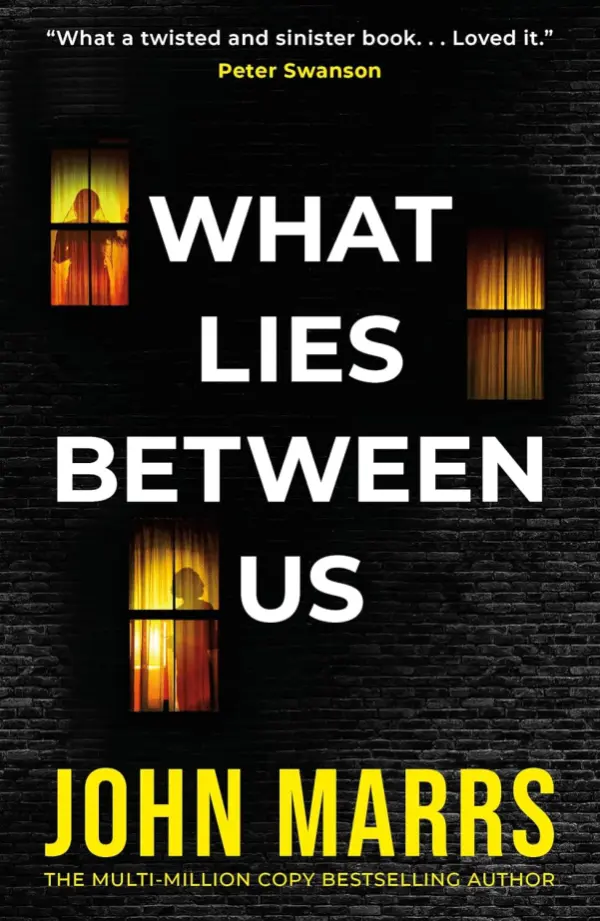
John Marrs
Average Goodreads rating4.0

Mary Kubica
Average Goodreads rating3.8

George Orwell
Average Goodreads rating4.4

A. J. Finn
Average Goodreads rating4.1

John Marrs
Average Goodreads rating4.1

John Marrs
Average Goodreads rating3.9

Sarah Pinborough
Average Goodreads rating3.7

Tana French
Dublin Murder Squad, book 6
Average Goodreads rating4.0

Freida McFadden
The Housemaid, book 1
Average Goodreads rating4.5
Matched via its series

Caroline Kepnes
You, book 1
Average Goodreads rating4.2
Matched via its series

Freida McFadden
The Housemaid, book 2
Average Goodreads rating4.4
Matched via its series

Freida McFadden
The Housemaid, book 3
Average Goodreads rating4.3
Matched via its series

Caroline Kepnes
You, book 2
Average Goodreads rating4.3
Matched via its series

Caroline Kepnes
You, book 3
Average Goodreads rating4.3
Matched via its series

Caroline Kepnes
You, book 4
Average Goodreads rating3.8
Matched via its series
Tropes that share the most books with Psychological Manipulation
At its core, this trope places a character — or sometimes an entire system — at the centre of a slow, deliberate campaign to distort another person's sense of reality, loyalty, or self-worth. It's not brute force. It's the carefully worded comment that lands like a splinter, the withheld information that breeds dependency, the manufactured doubt that makes someone question everything they thought they knew. Readers are drawn to it precisely because the danger is invisible until it isn't.
What makes it so compelling is the cognitive dissonance it creates on the page. You can see it happening. The character being manipulated often can't. That gap between reader knowledge and character experience generates a specific, almost unbearable tension that few other dynamics can replicate.
Psychological manipulation in fiction tends to follow recognisable patterns, even when the setting changes wildly. Gaslighting — convincing someone their memories or perceptions are wrong — appears frequently, as does love-bombing followed by withdrawal, the gradual isolation of a target from allies, and the weaponisation of a character's deepest insecurities. The manipulator is rarely straightforwardly monstrous. That's the point. They're charming, plausible, often genuinely believed by those around them.
The most effective versions of this trope give the manipulator a coherent internal logic. They believe they're right, or they've convinced themselves that what they're doing serves a greater purpose. That self-justification is far more unsettling than simple villainy.
Fantasy leans into this trope through dark mentors, controlling monarchs, and cult-like power structures where entire societies are built on engineered belief. The magic system itself sometimes becomes a tool of manipulation — information withheld, prophecy twisted, minds literally altered. Romance uses it to complicate the path to a healthy relationship, placing protagonists in dynamics they have to consciously recognise and escape before they can trust again. Psychological thrillers and dark romance take it furthest, sometimes making the manipulator the narrator, which forces readers into an uncomfortably intimate position.
It also pairs naturally with other tropes: found family (when the manipulator infiltrates or destroys one), enemies-to-lovers (when the manipulation is mutual or layered with genuine feeling), and redemption arcs (when the perpetrator confronts what they've done).
There's something almost cathartic about reading a manipulation arc handled well. The moment a character finally names what's been done to them — when the fog lifts and they see the pattern clearly — lands with enormous emotional weight. It validates something real about how coercive control actually operates, outside the clean lines of physical threat.
Done carefully, this trope doesn't just entertain. It gives readers a vocabulary for something genuinely difficult to articulate.
Occasional emails with new recommendations, series news and trope round-ups.