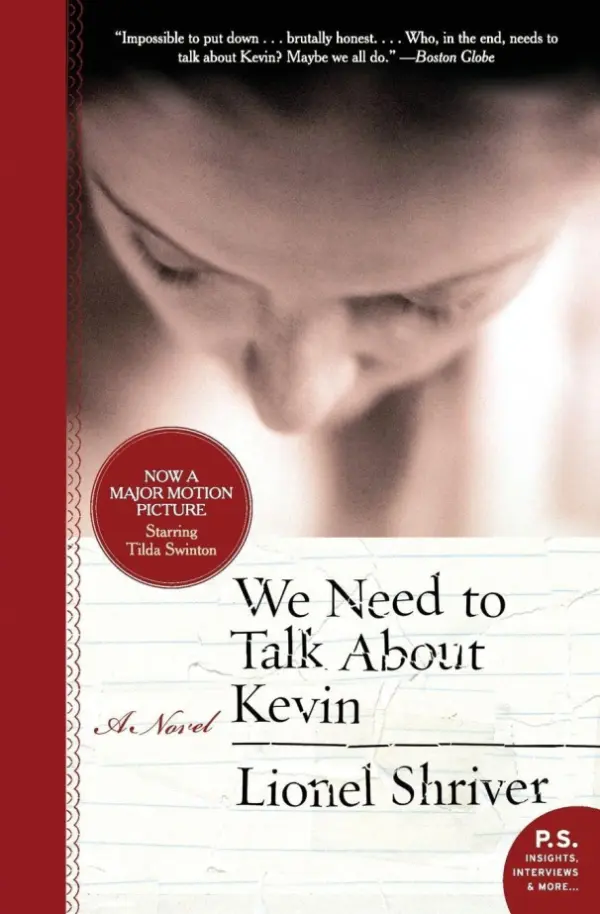
We Need to Talk About Kevin
Lionel Shriver
Average Goodreads rating4.1
- Gaslighting
- Trauma and Healing

Book trope · 7 books
Existential dread is the creeping, often paralysing sense that the universe is vast, indifferent, and fundamentally unknowable — and that the self, however certain it feels, might be the most fragile thing in it.
More about the Existential Dread tropeUpdating books…
7 books found
Lionel Shriver
Average Goodreads rating4.1
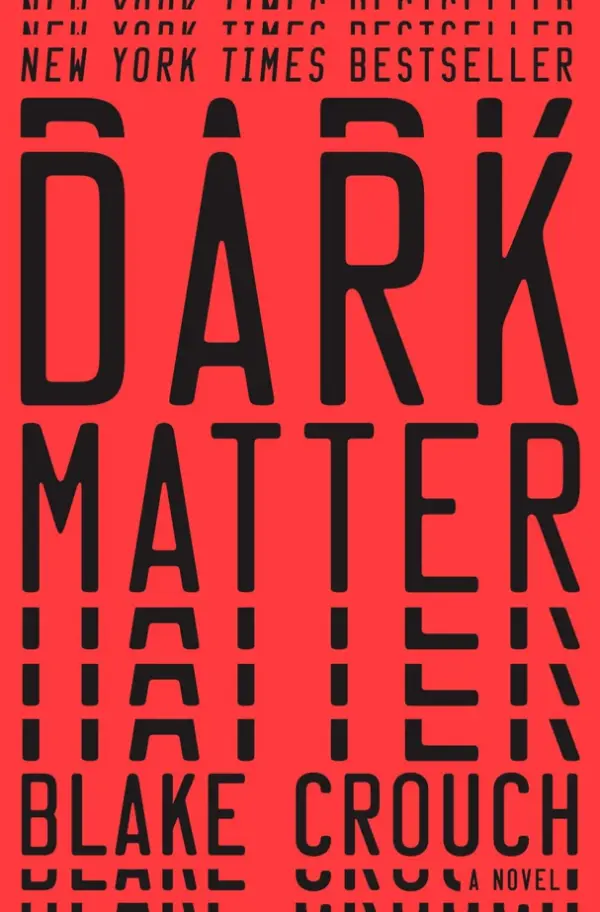
Blake Crouch
Average Goodreads rating4.3
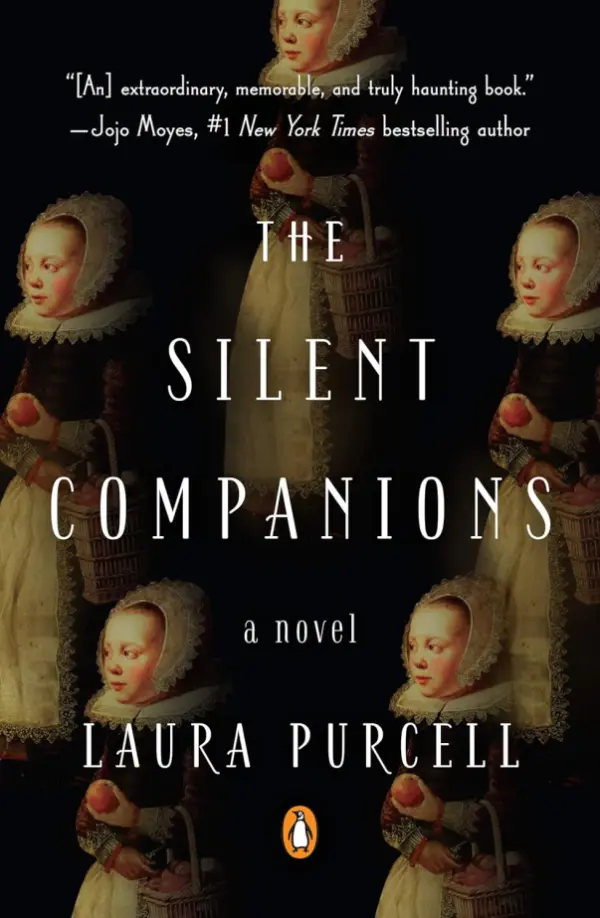
Laura Purcell
Average Goodreads rating3.9

Cormac McCarthy
Average Goodreads rating4.2

Cormac McCarthy
Average Goodreads rating4.4
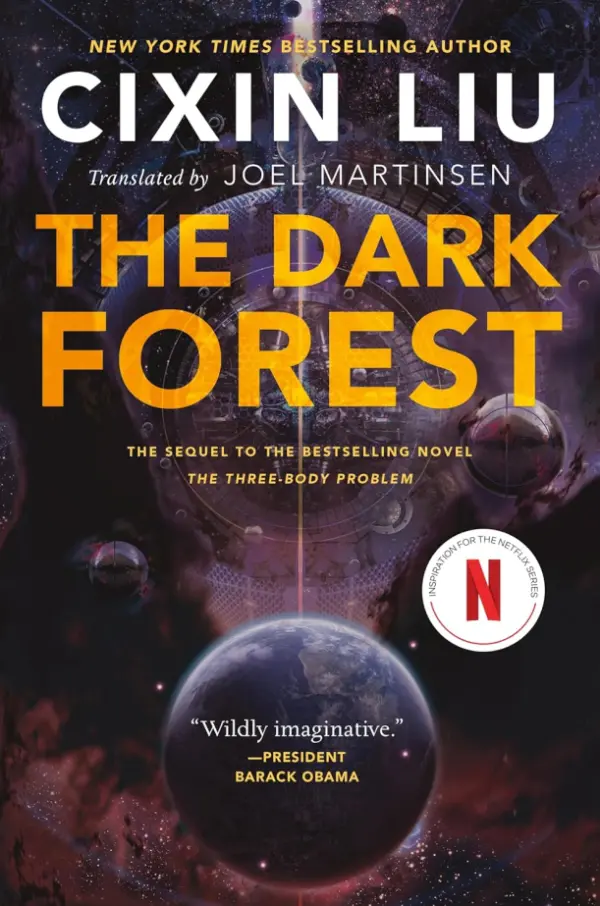
Liu Cixin
The Three-Body Problem, book 2
Average Goodreads rating4.4
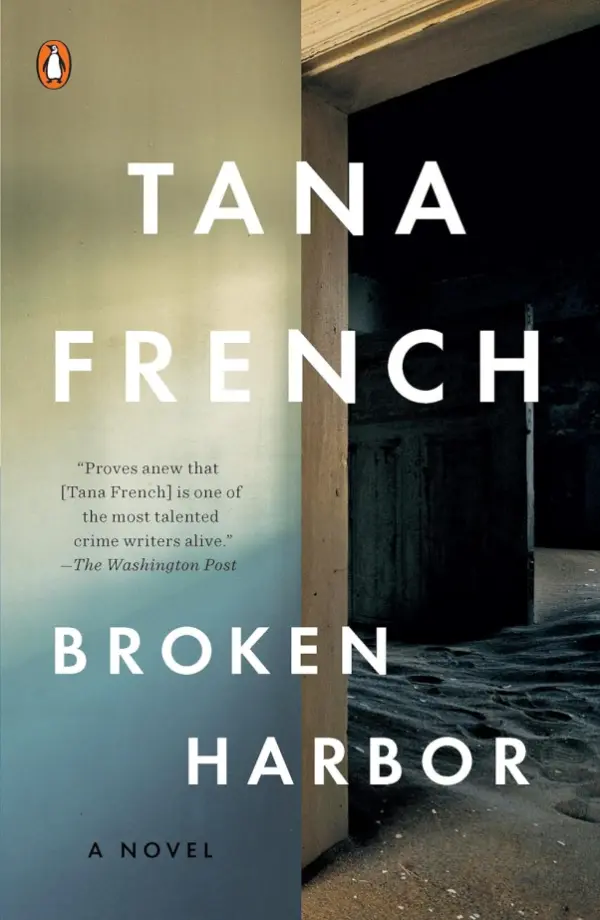
Tana French
Dublin Murder Squad, book 4
Average Goodreads rating4.0
Tropes that share the most books with Existential Dread
Existential dread is the creeping, often paralysing sense that the universe is vast, indifferent, and fundamentally unknowable — and that the self, however certain it feels, might be the most fragile thing in it. In fiction, it's less a plot device and more a persistent atmospheric condition: the feeling that something is deeply, cosmically wrong, even when nothing has technically gone wrong yet.
Readers who seek it out aren't masochists. They're drawn to stories that take the harder questions seriously — what it means to exist, whether meaning is constructed or discovered, what remains of a person when the structures they relied on collapse. Dread, handled well, is clarifying. It strips a narrative down to what actually matters.
The key ingredient isn't horror or grief, though both can be present. It's the specific texture of uncertainty — a character standing at the edge of a realisation they can't un-have. Protagonists haunted by existential dread often feel out of step with the world around them, unconvinced by the comforts others find reassuring. Religion, purpose, love, legacy: all of it comes under pressure.
Philosophically, the trope draws from thinkers like Kierkegaard, Camus, and Sartre, even when the story never names them. The absurd — the gap between humanity's hunger for meaning and the universe's silence — sits at the heart of most existential dread narratives. Characters don't simply face danger. They face the possibility that facing danger means nothing at all.
Fantasy lends itself to this trope in unexpected ways. When magic systems have rules and gods have agendas, the question of whether those systems are meaningful — or just more elaborate versions of the same cosmic indifference — becomes genuinely interesting. Dark fantasy and grimdark fiction use existential dread almost structurally, building worlds where power exists but justice might not.
Cosmic horror is perhaps the most obvious home for it. The tradition of vast, incomprehensible forces rendering human ambition negligible is precisely existential dread made monstrous. But quieter literary fantasy uses the trope just as effectively, placing a single character's crisis of faith or identity against a backdrop that offers no easy answers.
Romance, surprisingly, isn't immune. Stories where a character's capacity for love or connection is shadowed by a deeper fear — that none of it will last, that the self offering love is uncertain of its own substance — carry their own flavour of existential unease. The happily ever after, in those cases, has to work harder to feel earned.
There's a particular relief in finding a story that doesn't flinch. Existential dread, as a trope, promises that the narrative will sit with the uncomfortable question rather than dissolving it in the final act. For readers who've felt the floor go soft underfoot — who've looked at their own life and felt the vertigo of genuine uncertainty — that honesty is its own form of comfort.
The best of these stories don't resolve the dread. They show a character learning to move through it. And somehow, that's enough.
Occasional emails with new recommendations, series news and trope round-ups.