
You Killed Me First
John Marrs
Average Goodreads rating4.0
- Multiple POV
- Deception

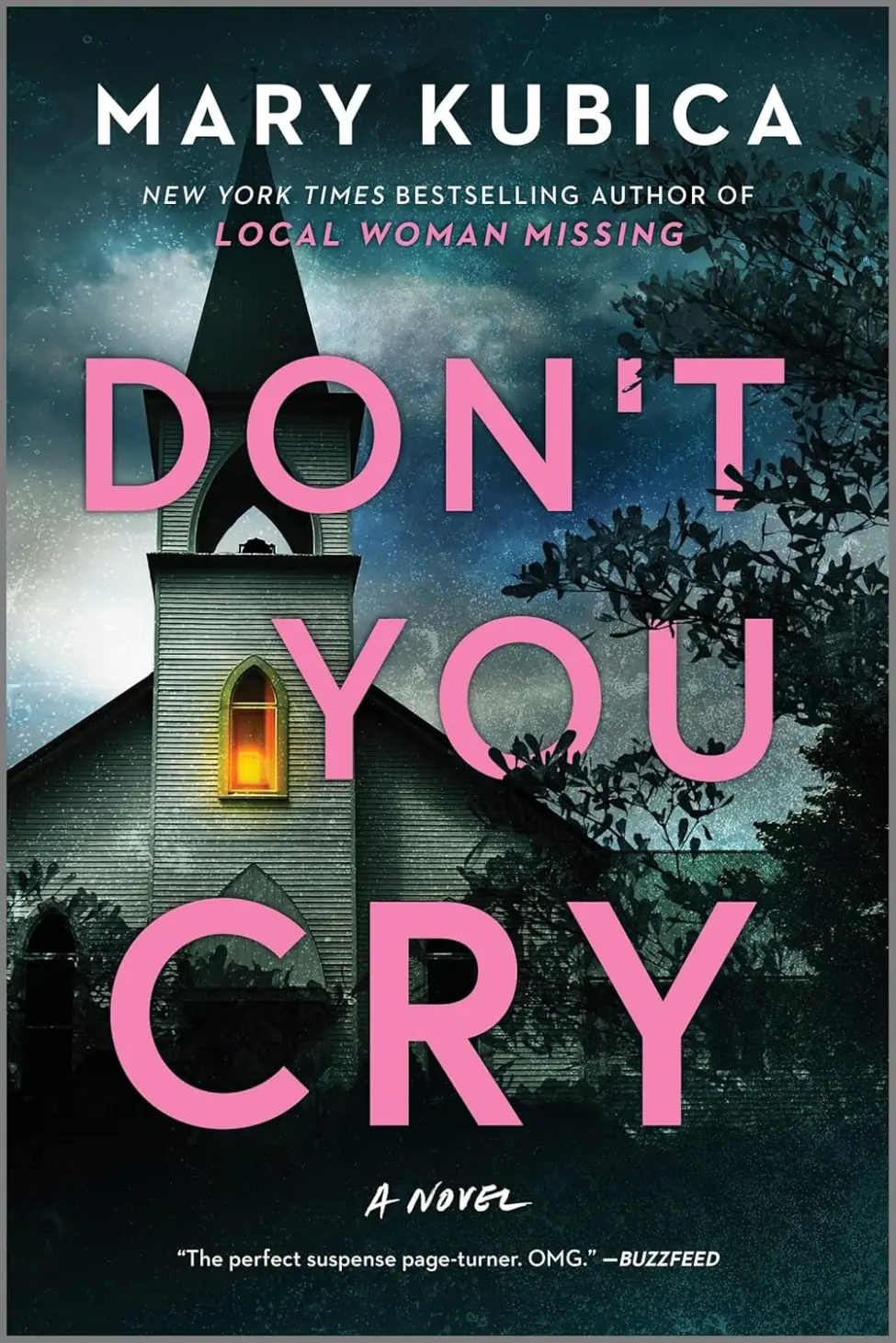
by Mary Kubica
We independently select and recommend books. Purchases made through our links may earn us a commission, at no extra cost to you. Prices and availability are set by each retailer.
Don't You Cry by Mary Kubica is a standalone psychological thriller about a woman who vanishes from her Chicago apartment, leaving her roommate to question everything she thought she knew. Told through dual perspectives laced with Dark Secrets and Deception, it builds to a twist-laden finale.
Don't You Cry by Mary Kubica is a standalone Psychological Thriller published in May 2016. On a wintry Chicago Sunday morning, Quinn Collins wakes to find her flatmate Esther Vaughan's alarm blaring and her fire-escape window hanging open. Esther is simply gone. Among her possessions, Quinn finds a haunting letter addressed only to "My Dearest" — and that letter is just the first sign that the person she shared her life with may have been concealing an entirely different one.
The novel splits its attention between two voices and two locations. Quinn, rattled and increasingly desperate, begins digging into Esther's past and discovers a series of unsettling Hidden Truths — a new name acquired, a new roommate advertised for, secrets stacked beneath a carefully constructed surface. Kubica sets this thread against the quiet unease of Chicago's Andersonville neighbourhood, a place rendered with the kind of specific, grounded detail that makes the city feel less like a backdrop and more like a presence pressing in on events. The second narrator is Alex Gallo, eighteen years old, stuck in a small Michigan harbour town on the shores of Lake Michigan after turning down a college scholarship to stay close to his struggling father. His days are monotonous until a mysterious woman begins appearing at the coffee shop where he works — watching, barely speaking, and drawing him into something he can't quite name.
These two storylines run in parallel across alternating chapters, each feeding the reader just enough to stoke curiosity without revealing the shape of the whole. The Deception at the heart of the book operates on multiple levels: characters are not who they appear to be, and the connections between Quinn's Chicago investigation and Alex's lakeside obsession remain deliberately obscured until the novel's final stretch. Kubica uses the structure itself as a source of dread — the slow accumulation of detail, the growing sense of Obsession & Desire warping one narrator's judgement, and the steady revelation of Dark Secrets that reframe everything that came before. Multiple POV narration is used not merely as a stylistic choice but as a mechanism for withholding and then releasing information at precisely the right pressure point.
Readers who enjoy psychological suspense built on domestic unease will find plenty to grip here. The Unreliable Narrator quality of both protagonists — Quinn's denial, Alex's infatuation — keeps the moral ground shifting underfoot. Kubica writes with a controlled coolness that suits the wintry Chicago setting, and the pace, deliberately slow in its opening movement, pays off in the final third where the two threads pull sharply together. The Hidden Identity at the book's centre and the Mystery and Secrets Revealed in its closing pages are the engine everything else has been building towards. This is the kind of thriller where the pleasure is partly retrospective: once you know the ending, the earlier scenes look entirely different.
John Marrs
Average Goodreads rating4.0

Alice Feeney
Average Goodreads rating3.9
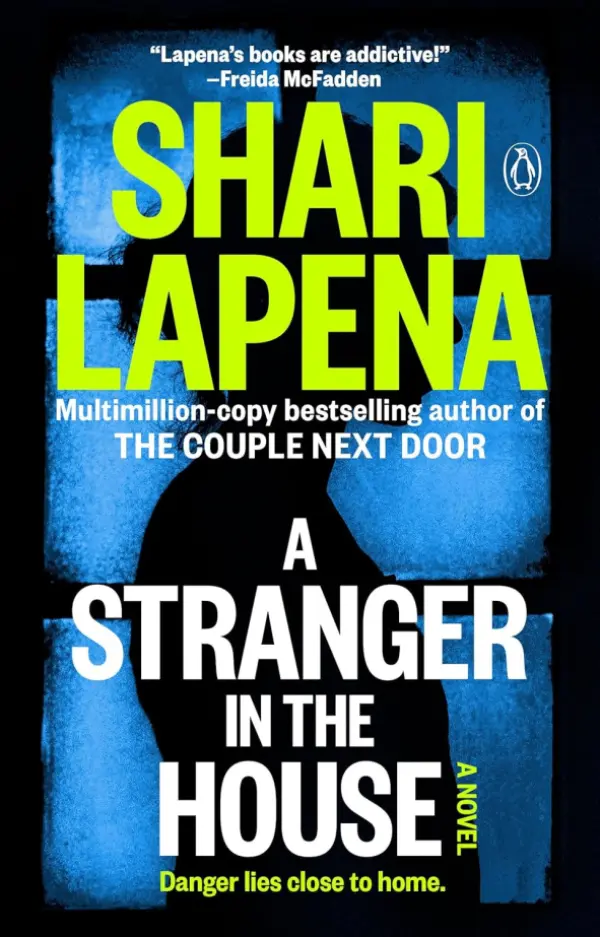
Shari Lapena
Average Goodreads rating3.7
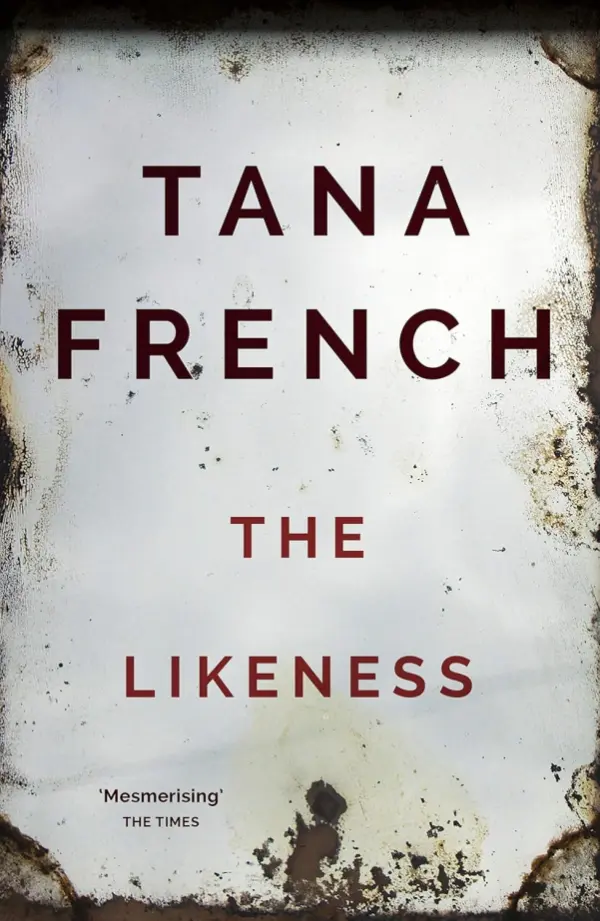
Tana French
Dublin Murder Squad, book 2
Average Goodreads rating4.1
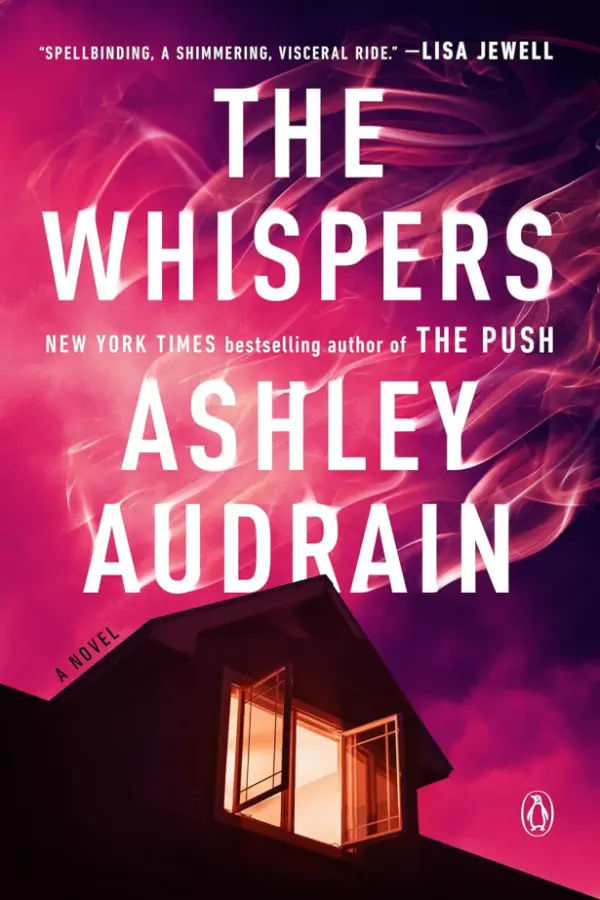
Ashley Audrain
Average Goodreads rating3.8
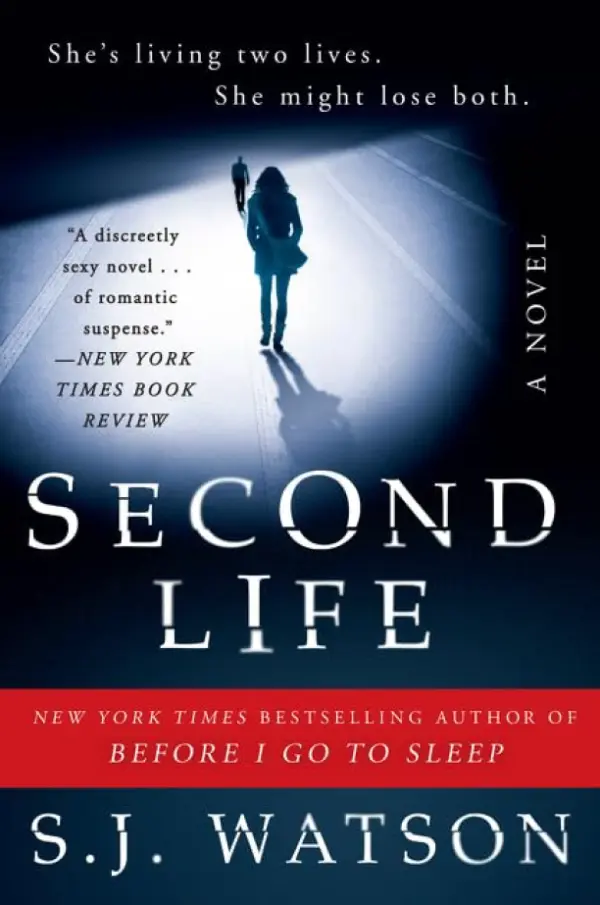
S. J. Watson
Average Goodreads rating3.3
Still Looking?
Further down our similarity list, but still sharing tropes and genres with this book.

Sarah Pinborough
Average Goodreads rating3.7
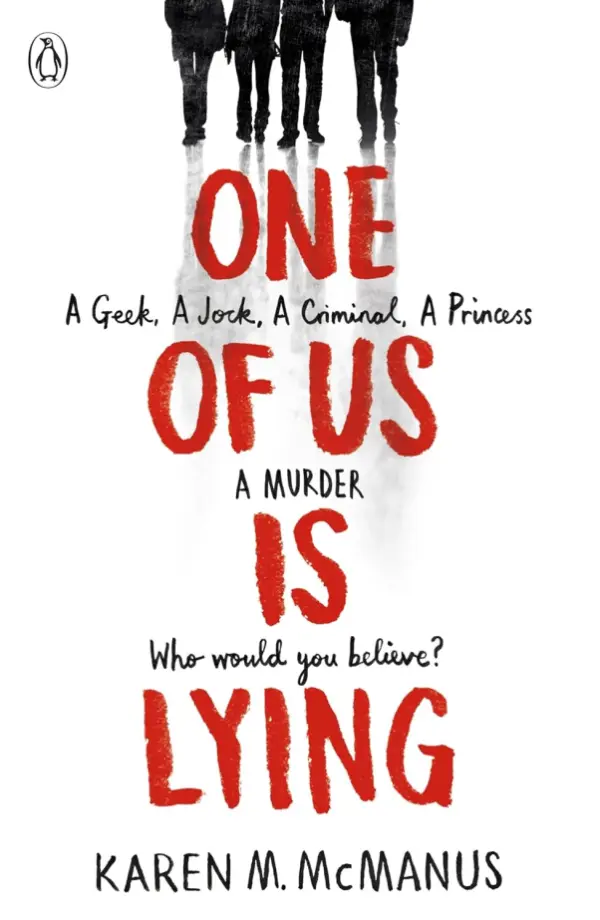
Karen M. McManus
One of Us is Lying, book 1
Average Goodreads rating4.5
Buy from Amazon (opens Amazon in a new tab)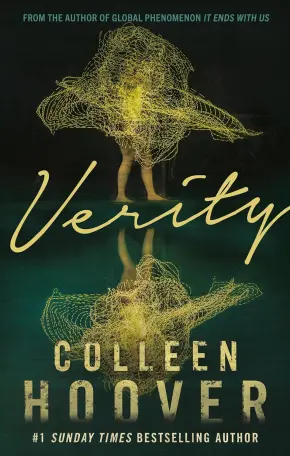
Colleen Hoover
Average Goodreads rating4.5
New York Times bestselling author of psychological suspense thrillers, including The Good Girl and Local Woman Missing, with over five million copies sold worldwide.
Books, series and tropes by Mary KubicaDon't You Cry
Buy from Amazon (opens Amazon in a new tab)Occasional emails with new recommendations, series news and trope round-ups.