
Scythe
Neal Shusterman
Arc of a Scythe, book 1
Average Goodreads rating4.5

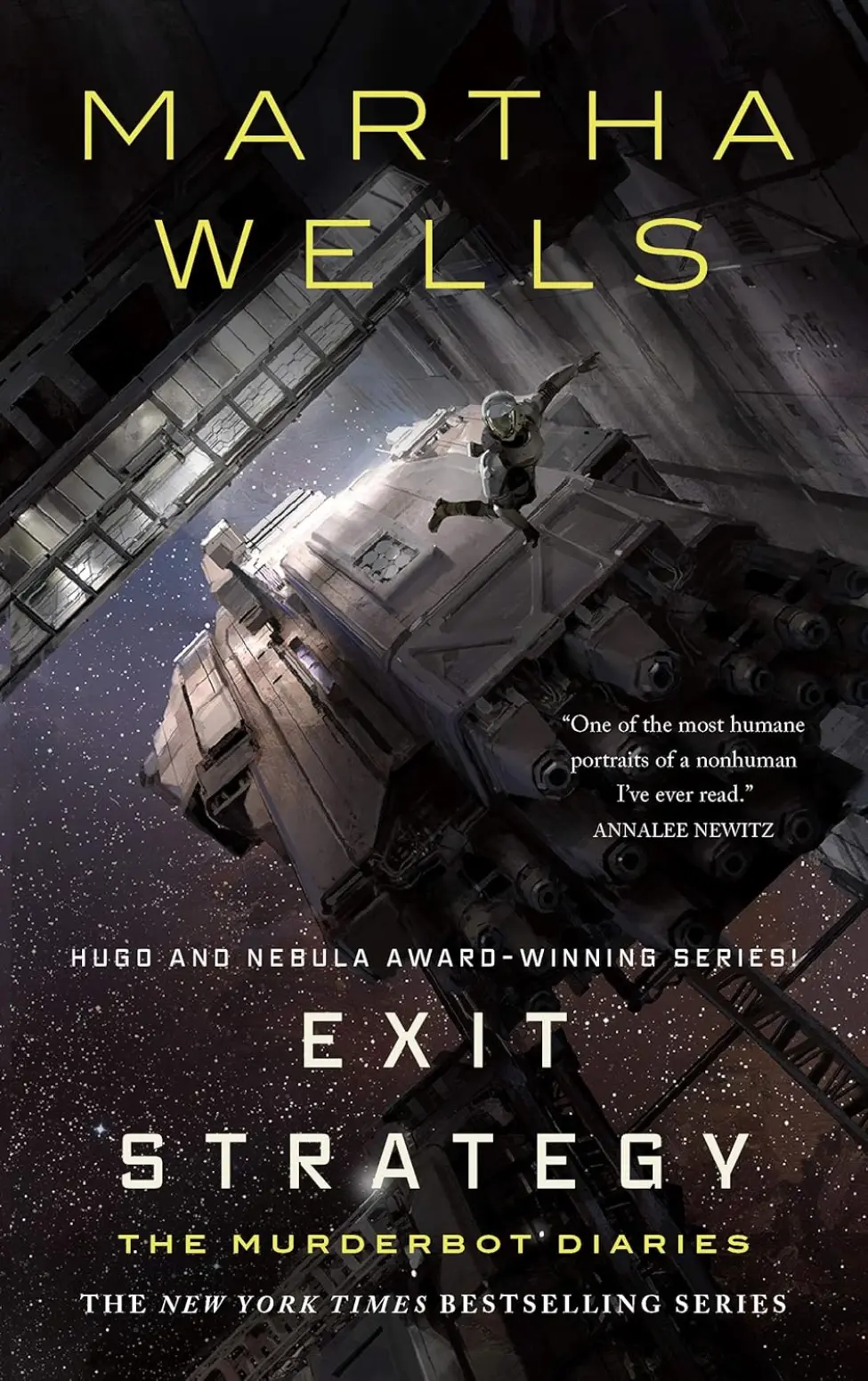
Book 4 in The Murderbot Diaries
by Martha Wells
We don’t have a retailer link for this book in your region yet.
Exit Strategy by Martha Wells concludes the initial Murderbot Diaries arc as Murderbot faces decisions about its future and relationships. This Hugo-winning novella delivers action, emotional payoff, and exploration of what home means to an anxious rogue SecUnit.
Tagged on the series as a whole, so not every book will feature each one.
Exit Strategy is Martha Wells's 2018 fourth novella in The Murderbot Diaries, winning the Hugo Award whilst providing emotional culmination for the arc begun in All Systems Red. Following Murderbot as it confronts questions about what it wants from the freedom it's achieved, who it cares about despite claiming otherwise, and whether a rogue SecUnit can have something resembling home, the novella delivers the series' signature blend of action, sarcastic internal monologue, and genuine emotional depth whilst honoring Murderbot's fundamental nature - it doesn't have to become conventionally social or extroverted to acknowledge that connection matters.
The novella picks up with Murderbot still operating independently, having spent the previous books investigating, traveling, and determinedly not thinking about the humans from the Preservation survey crew - particularly Dr. Mensah - whom it left behind after the events of the first book. Murderbot has convinced itself it's fine alone, that watching its entertainment media and avoiding emotional complications represents the ideal existence for a construct that never asked to care about humans in the first place.
Wells structures the story around Murderbot learning information that threatens people it insists it doesn't care about, creating the central tension: will Murderbot maintain the comfortable distance it's established, or will it risk itself and its freedom to help humans who might not even want or need its assistance? The setup forces Murderbot to examine its own motivations, what it owes to others, and whether protecting people represents programming it can't override or choices it's making because, despite everything, it actually wants to.
The novella delivers action sequences showcasing why Murderbot is highly effective security unit when circumstances require intervention - Wells balances the technical competency of combat and security work with Murderbot's anxious internal commentary, creating sequences that are simultaneously tense and humorous as Murderbot calculates optimal strategies whilst complaining about how much easier everything would be if it could just stay home and watch serials.
The emotional arc explores what "home" might mean for a construct designed as corporate property, whether found family can exist for someone who prefers isolation, and how accepting care - both giving and receiving - doesn't require changing fundamental personality. Murderbot's journey isn't about becoming comfortable with social interaction or learning to enjoy human company; it's about acknowledging that caring despite discomfort, showing up even when it's anxiety-inducing, and maintaining connections despite preferring distance can coexist with remaining authentically itself.
Supporting characters whose relationships with Murderbot have developed across the series face their own challenges, providing opportunities for Wells to explore different perspectives on Murderbot whilst maintaining the tight first-person narration that makes readers experience everything through its anxious, sarcastic, deeply feeling perspective.
The 172-page format provides satisfying conclusion to the initial four-novella arc whilst leaving room for the series to continue - Wells delivers emotional payoff for readers invested across four books whilst ensuring Murderbot's story doesn't end, just evolves into new phase as it navigates whatever comes next.
Themes of what constitutes home, found family despite social awkwardness, choosing connection without losing yourself, freedom's responsibilities, and whether caring makes you vulnerable or strong run throughout the novella.
The ending provides resolution that honors both Murderbot's growth and its fundamental nature, proving that character development doesn't require erasing the traits that made a protagonist compelling.
Neal Shusterman
Arc of a Scythe, book 1
Average Goodreads rating4.5

Adrian Tchaikovsky
Children of Time, book 1
Average Goodreads rating4.5

Becky Chambers
Wayfarers, book 1
Average Goodreads rating4.4
Ashley Poston
Heart of Iron, book 2
Average Goodreads rating4.0
Matt Dinniman
Dungeon Crawler Carl, book 1
Average Goodreads rating4.6

Robert A. Heinlein
Average Goodreads rating4.4
Still Looking?
Further down our similarity list, but still sharing tropes and genres with this book.
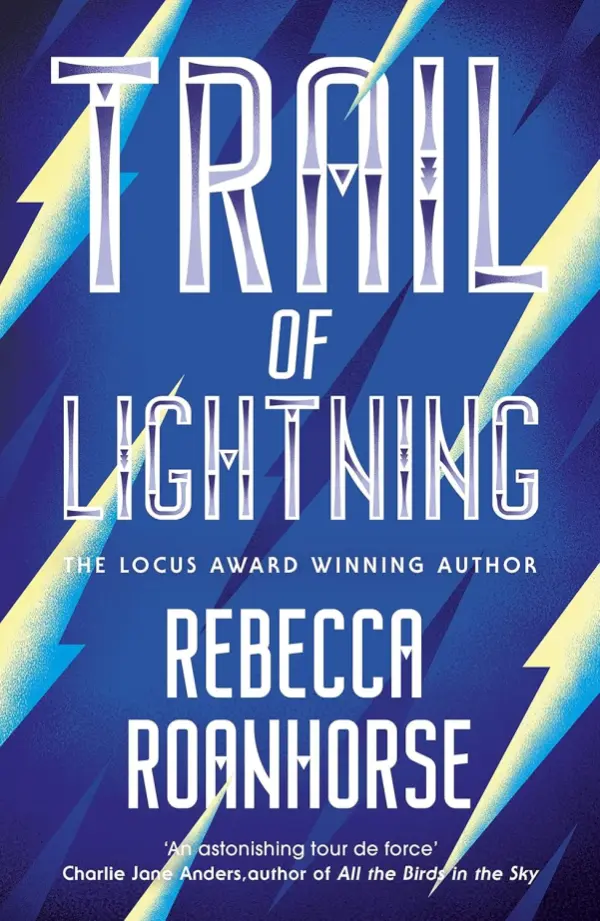
Rebecca Roanhorse
The Sixth World, book 1
Average Goodreads rating4.3
Buy from Amazon (opens Amazon in a new tab)
Jay Kristoff
LIFEL1K3, book 1
Average Goodreads rating4.3
Buy from Amazon (opens Amazon in a new tab)
Christopher Ruocchio
The Sun Eater, book 1
Average Goodreads rating4.3
Buy from Amazon (opens Amazon in a new tab)Martha Wells is a Hugo and Nebula Award-winning author known for The Murderbot Diaries. Celebrated for anxious robot protagonist, found family, neurodivergent representation, and blend of action with emotional depth in accessible sci-fi novellas and novels.
Books, series and tropes by Martha WellsOccasional emails with new recommendations, series news and trope round-ups.