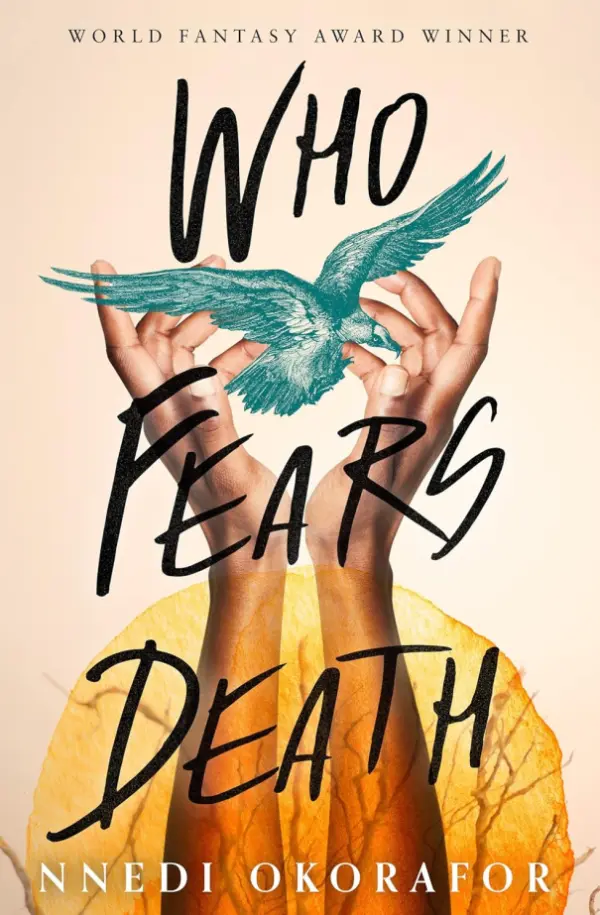
Who Fears Death
Nnedi Okorafor
Average Goodreads rating4.3
- Quest for Revenge
- Post-Apocalyptic

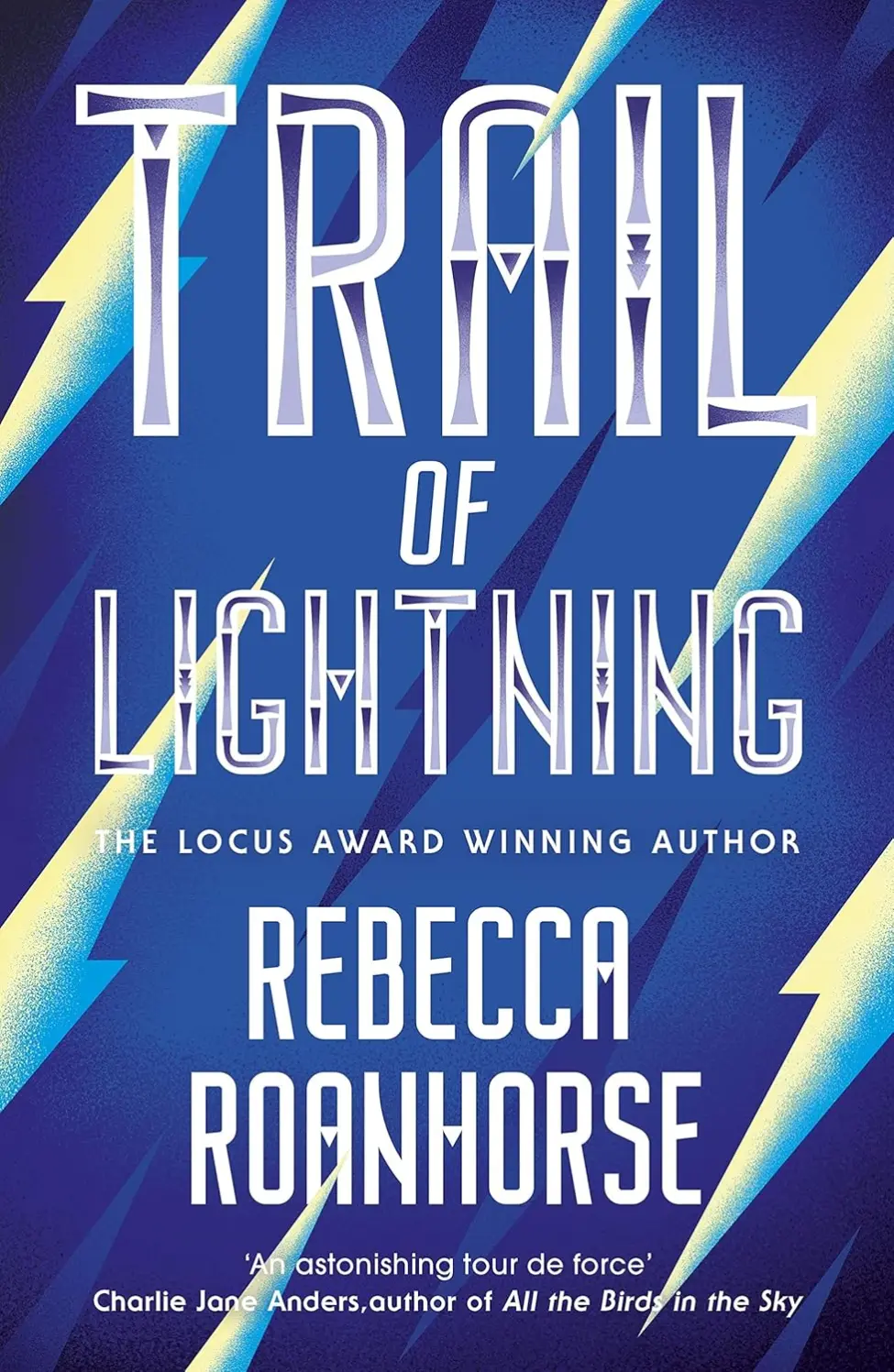
Book 1 in The Sixth World
We independently select and recommend books. Purchases made through our links may earn us a commission, at no extra cost to you. Prices and availability are set by each retailer.
Trail of Lightning by Rebecca Roanhorse follows Maggie Hoskie, a monster hunter with supernatural abilities in post-apocalyptic Dinétah. When gods and monsters from Navajo mythology return, Maggie must confront both external threats and her violent past.
Tagged on the series as a whole, so not every book will feature each one.
Trail of Lightning is Rebecca Roanhorse's 2018 debut novel that revolutionized urban fantasy by centering Indigenous perspectives, mythology, and futures. Set in the post-apocalyptic Sixth World where climate change has flooded most of North America, leaving Dinétah (Navajo Nation) as one of the few surviving regions, the novel follows Maggie Hoskie - a Diné monster hunter blessed with supernatural abilities by the war gods. Winner of the Nebula, Locus, and other awards, the book blends Navajo mythology with noir-influenced monster hunting, creating Indigenous futurism that shows Native peoples not as historical footnotes but as protagonists of their own futures.
Maggie Hoskie is a Monsterslayer - one of the rare individuals blessed by Diné gods with superhuman speed, strength, and fighting abilities. In the Sixth World, the Big Water (catastrophic floods) destroyed most of civilization, but in Dinétah, the old gods, heroes, and monsters from Navajo tradition have returned. Maggie hunts these creatures for money, isolated and emotionally damaged, haunted by the violent deaths she's caused and the loss of her mentor Neizghání (one of the Hero Twins from Navajo mythology).
When monsters attack a small community, killing a young girl, Maggie is hired to investigate. The case should be straightforward—identify the creature, kill it, collect payment - but complications arise. The monsters are behaving strangely, manipulated by forces Maggie doesn't understand. She's forced to partner with Kai Arviso, a Diné medicine man whose healing powers contrast with her killing abilities. Kai is everything Maggie isn't—optimistic, connected to community, willing to see humanity in others. Their reluctant partnership creates both tension and balance.
As Maggie investigates, she uncovers a conspiracy involving powerful beings manipulating traditional monsters for dark purposes. The case forces her to confront her relationship with Neizghání - the man who trained her, loved her, and then mysteriously disappeared - and her own capacity for violence. Is she a weapon the gods created, or a person with agency?
Roanhorse employs tight first-person narration from Maggie's perspective, creating an immediately immersive voice. Maggie is cynical, damaged, occasionally cruel, yet vulnerable beneath her hardened exterior. Her narration incorporates Diné language and concepts naturally, refusing to explain everything for non-Native readers whilst remaining accessible. The prose is sharp and action-focused, creating visceral fight sequences whilst never losing character focus.
The world-building is Roanhorse's triumph. Post-apocalyptic Dinétah feels lived-in - communities adapting to new realities, traditional beliefs manifesting literally, and Diné people thriving whilst colonizers' civilization has collapsed. The Wall protecting Dinétah from outside threats serves both practical and metaphorical purposes, inverting border narratives whilst acknowledging real dangers.
The mythology is treated with respect and specificity. The monsters come from Navajo stories - the Ts'ósí (corpse powder users), water monsters, and others. The gods are Diné deities with their own agendas, neither purely helpful nor malevolent. The magic system reflects Navajo concepts of hózhǫ́ (balance/harmony) and healing versus violence.
Supporting characters add depth: Kai's optimism and healing provide counterpoint to Maggie's violence; Tah, a young man with his own secrets; Coyote, the trickster god whose appearances complicate everything; and communities trying to rebuild whilst navigating returned mythology.
Themes of trauma and violence, Indigenous survival after colonizers' collapse, what it means to be a weapon, healing versus killing, cultural identity and clan connections, mentor relationships and their costs, and gods' blessings as curses run throughout.
The novel subverts post-apocalyptic tropes by centering Indigenous perspectives. Rather than showing Native peoples as mystical guides or historical relics, Roanhorse depicts Diné communities as modern, complex, and thriving, with traditional beliefs integrated into contemporary life.
Nnedi Okorafor
Average Goodreads rating4.3
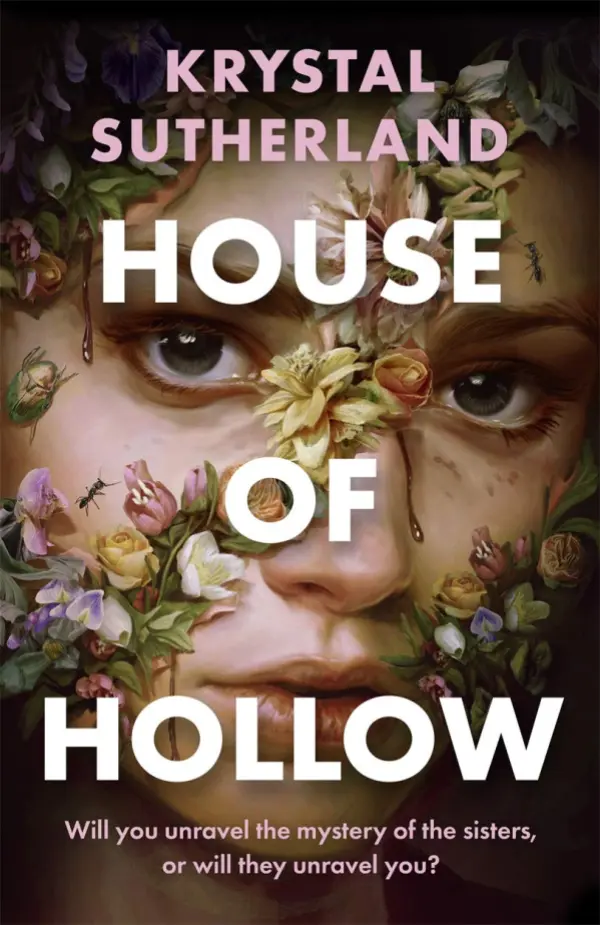
Krystal Sutherland
Average Goodreads rating4.2
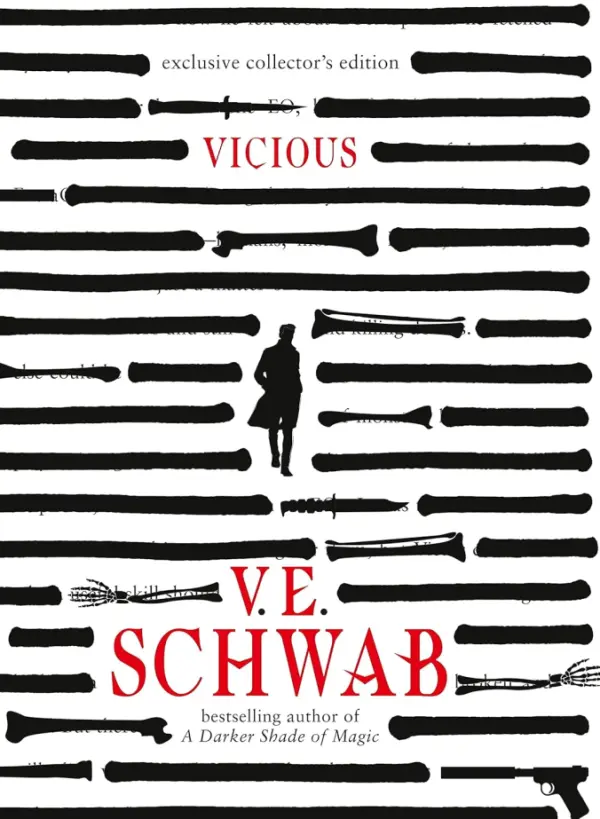
V. E. Schwab
Villains, book 1
Average Goodreads rating4.2

Jay Kristoff
Empire of the Vampire, book 1
Average Goodreads rating4.7
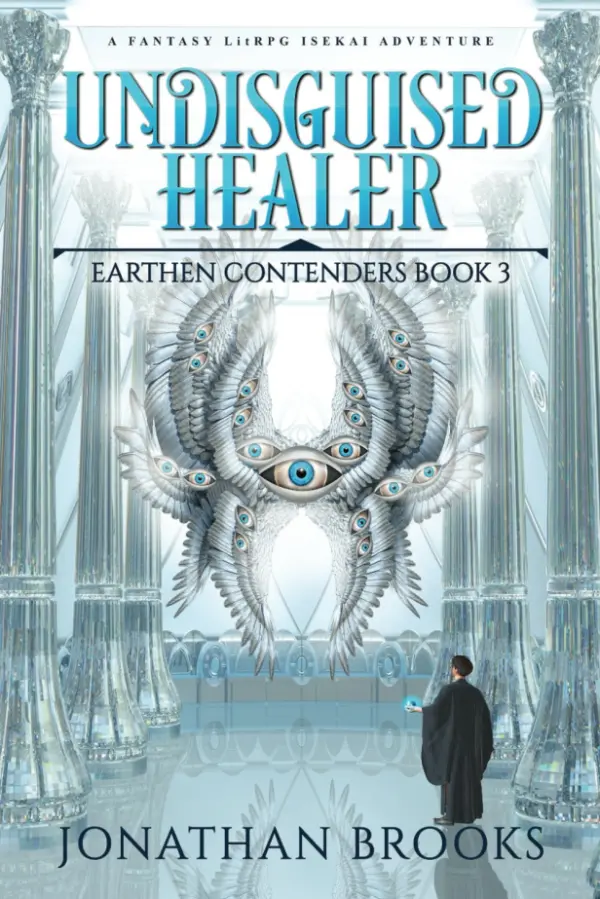
Jonathan Brooks
Earthen Contenders, book 3
Average Goodreads rating4.5
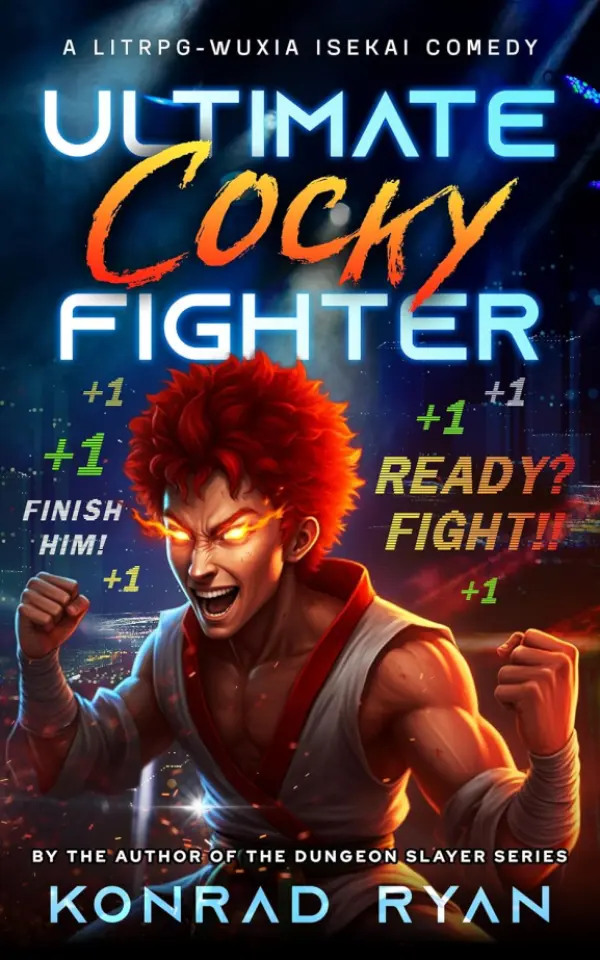
Konrad Ryan
Ultimate Cocky Fighter, book 1
Average Goodreads rating4.2
Still Looking?
Further down our similarity list, but still sharing tropes and genres with this book.
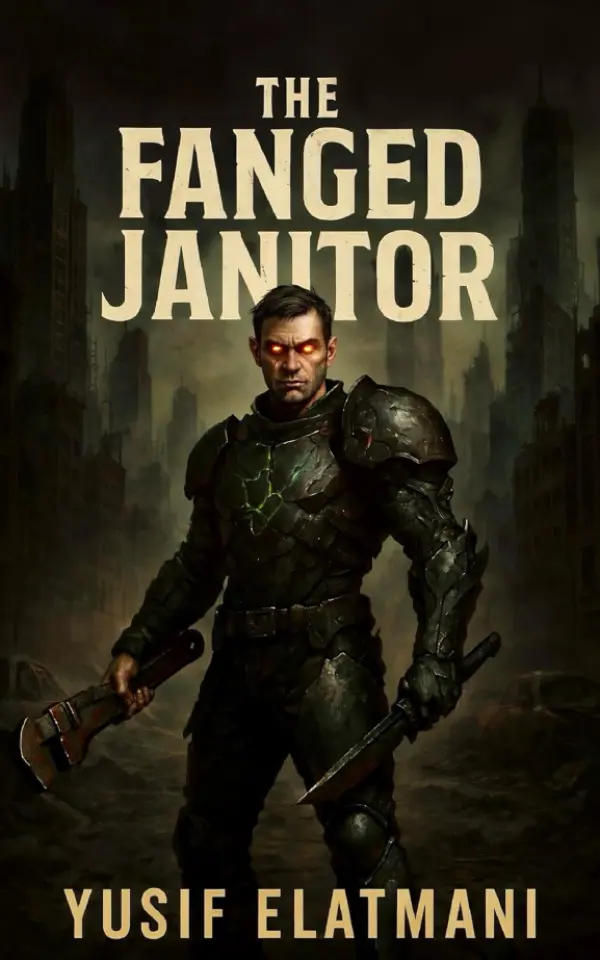
Yusif Elatmani
Average Goodreads rating4.2
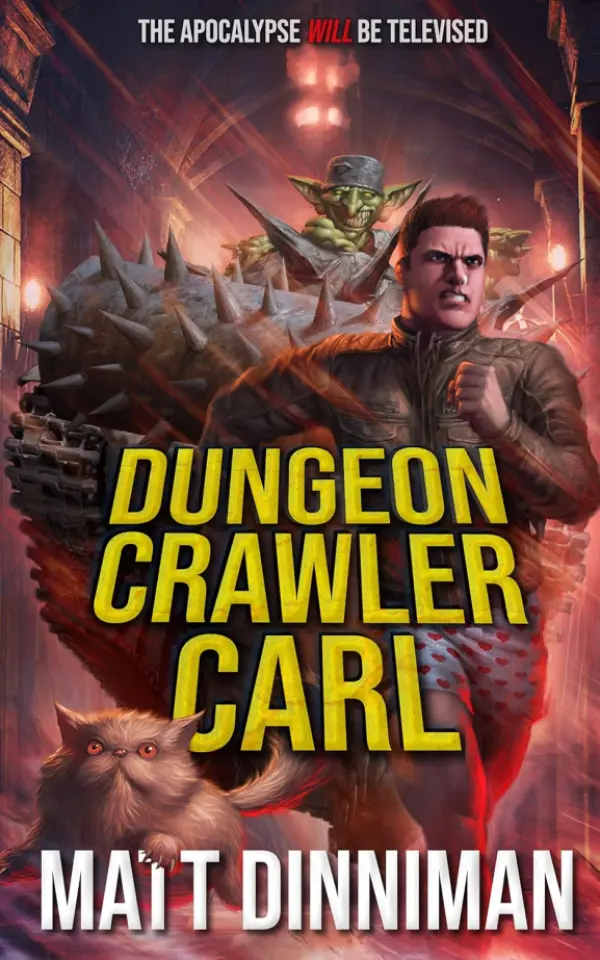
Matt Dinniman
Dungeon Crawler Carl, book 1
Average Goodreads rating4.6
Buy from Amazon (opens Amazon in a new tab)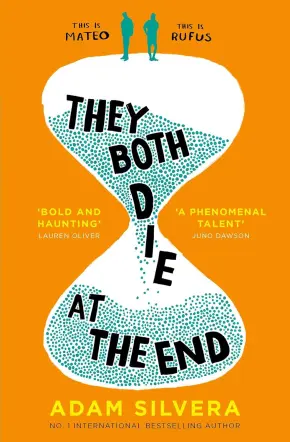
Adam Silvera
They Both Die at the End, book 1
Average Goodreads rating4.5
Buy from Amazon (opens Amazon in a new tab)Rebecca Roanhorse is a Nebula and Hugo Award-winning author known for Indigenous futurism blending Native American cultures with science fiction/fantasy. Celebrated for Trail of Lightning and Black Sun, she crafts diverse speculative fiction challenging genre conventions.
Books, series and tropes by Rebecca Roanhorse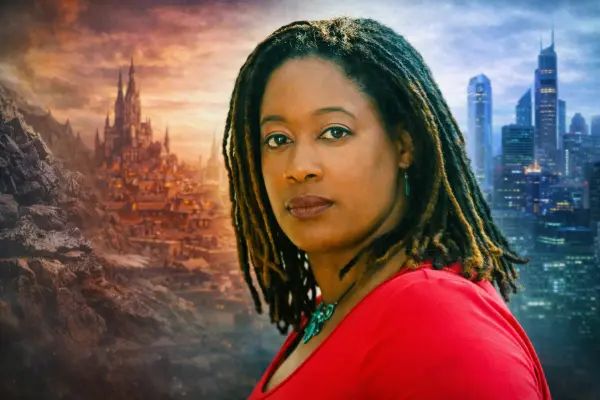
Three-time Hugo Award winner N.K. Jemisin revolutionized fantasy. Discover her epic series, standalone novels, common themes, and books for fans to read next.
Trail of Lightning
Buy from Amazon (opens Amazon in a new tab)Occasional emails with new recommendations, series news and trope round-ups.