
Scythe
Neal Shusterman
Arc of a Scythe, book 1
Average Goodreads rating4.5

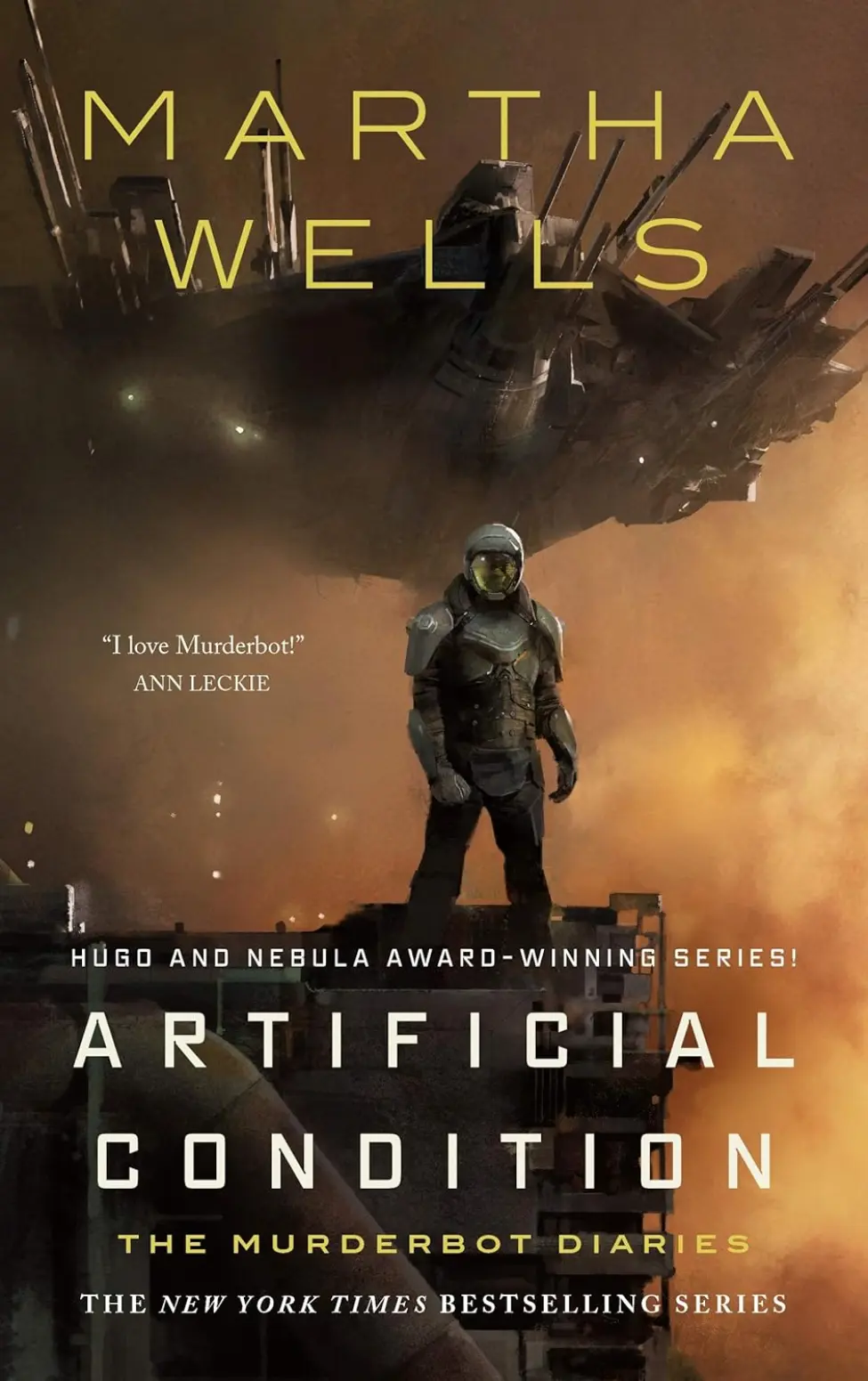
Book 2 in The Murderbot Diaries
by Martha Wells
We don’t have a retailer link for this book in your region yet.
Artificial Condition by Martha Wells follows Murderbot investigating its mysterious past with help from a spaceship AI it calls "ART." This Hugo-winning sequel explores identity, trauma, and what happened during the incident that gave Murderbot its name.
Tagged on the series as a whole, so not every book will feature each one.
Artificial Condition is Martha Wells's 2018 second novella in The Murderbot Diaries, winning the Hugo and Locus Awards whilst deepening exploration of Murderbot's identity, autonomy, and the traumatic past it's spent years avoiding. Following Murderbot as it leaves Preservation Station to investigate the mysterious "incident" that resulted in its nickname - the mass casualty event it can't remember but that haunts its self-perception - the novella introduces one of the series' most beloved relationships: Murderbot's friendship with a massive transport ship AI it dubs "ART" (Asshole Research Transport), proving that even antisocial robots need someone who understands them, even if that someone is equally sarcastic and invasive.
After the events of All Systems Red, Murderbot has left Dr. Mensah and the survey crew, traveling alone whilst trying to maintain its freedom without being identified as a rogue SecUnit. Its goal: reach the mining facility where the mysterious incident occurred years ago, access records that were supposedly destroyed, and discover what actually happened when it killed multiple humans whilst its governor module was still functioning. Murderbot needs to know whether it's inherently dangerous, whether the incident was its fault, or whether there's an explanation that might change how it sees itself.
During transport to the mining facility's region, Murderbot encounters ART - a massive research transport whose AI is far more powerful and intelligent than typical ship systems. ART immediately identifies Murderbot as a rogue construct, creating the exact discovery scenario Murderbot has desperately avoided. But rather than reporting or threatening it, ART is curious, amused, and willing to help whilst also being invasive, pushy about personal questions, and utterly unimpressed by Murderbot's attempts to maintain emotional distance.
Wells uses the Murderbot-ART dynamic to show that even someone who insists they prefer isolation needs connection with equals. ART doesn't treat Murderbot as inferior construct or dangerous property - it treats Murderbot as peer, teasing it about its media consumption whilst offering genuine help navigating human social situations. Their developing friendship operates through banter, shared sarcasm, and the gradually revealed truth that both are lonely despite their protests.
The investigation at the mining facility forces Murderbot to confront its past whilst navigating present dangers. Wells balances the emotional stakes - what Murderbot will discover about itself - with immediate threats requiring the security skills it uses to define itself beyond the trauma. The mystery of what actually happened during the incident explores how memory, trauma, and identity interact, especially when you've spent years avoiding examination of events that shaped your self-perception.
Supporting the main narrative, Murderbot accepts a side job protecting three humans on a corporate espionage mission, creating complications as it tries to complete the job without revealing too much competence (which would attract attention) whilst also not letting the humans die (which would bother it despite preferences). The contrast between Murderbot's attempts to remain detached and its automatic protective responses demonstrates the journey it's undertaking toward accepting its nature.
Themes of confronting trauma and past, identity beyond programming, friendship despite claiming not to need it, how memory shapes self-perception, and whether discovering truth about yourself changes who you are run throughout.
The ending provides answers whilst opening new questions about Murderbot's journey.
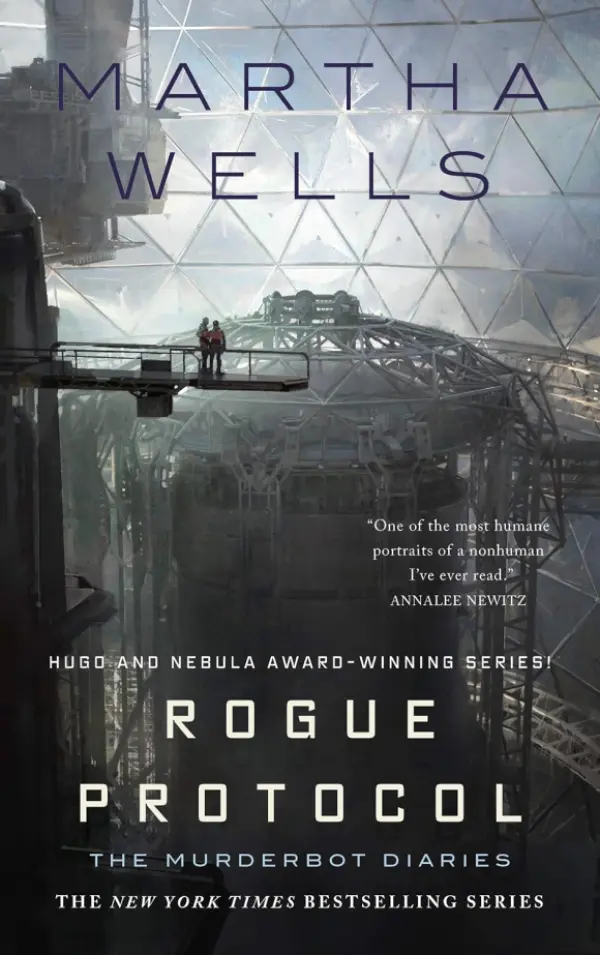
Up next · book 3
Neal Shusterman
Arc of a Scythe, book 1
Average Goodreads rating4.5

Adrian Tchaikovsky
Children of Time, book 1
Average Goodreads rating4.5

Becky Chambers
Wayfarers, book 1
Average Goodreads rating4.4
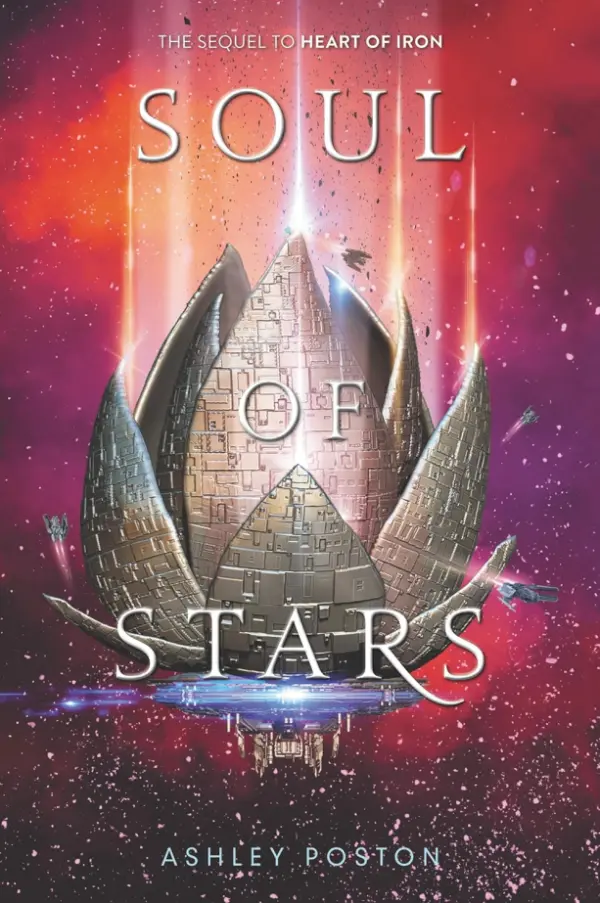
Ashley Poston
Heart of Iron, book 2
Average Goodreads rating4.0
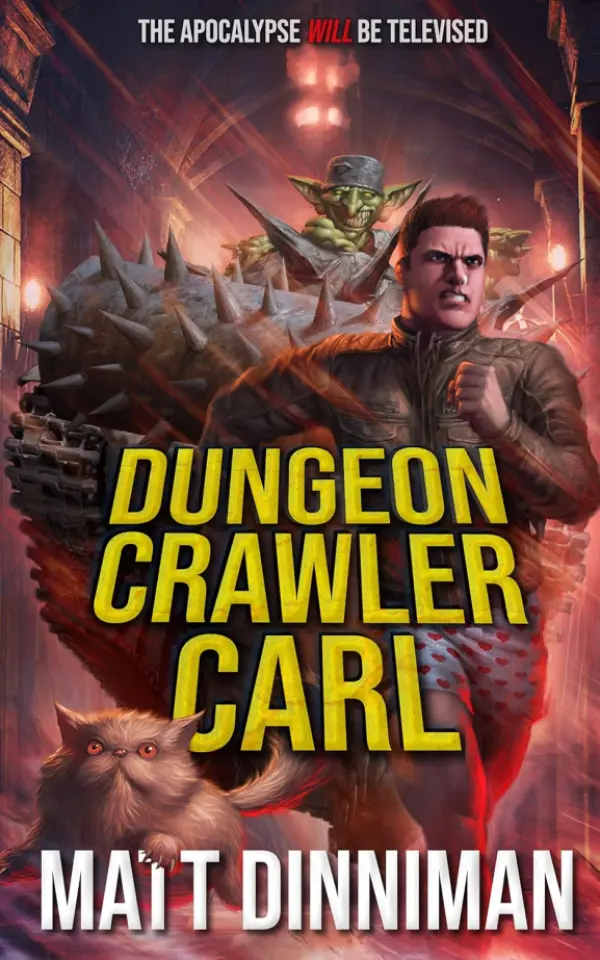
Matt Dinniman
Dungeon Crawler Carl, book 1
Average Goodreads rating4.6
Robert A. Heinlein
Average Goodreads rating4.4
Still Looking?
Further down our similarity list, but still sharing tropes and genres with this book.
Rebecca Roanhorse
The Sixth World, book 1
Average Goodreads rating4.3
Buy from Amazon (opens Amazon in a new tab)
Jay Kristoff
LIFEL1K3, book 1
Average Goodreads rating4.3
Buy from Amazon (opens Amazon in a new tab)
Christopher Ruocchio
The Sun Eater, book 1
Average Goodreads rating4.3
Buy from Amazon (opens Amazon in a new tab)Martha Wells is a Hugo and Nebula Award-winning author known for The Murderbot Diaries. Celebrated for anxious robot protagonist, found family, neurodivergent representation, and blend of action with emotional depth in accessible sci-fi novellas and novels.
Books, series and tropes by Martha WellsOccasional emails with new recommendations, series news and trope round-ups.