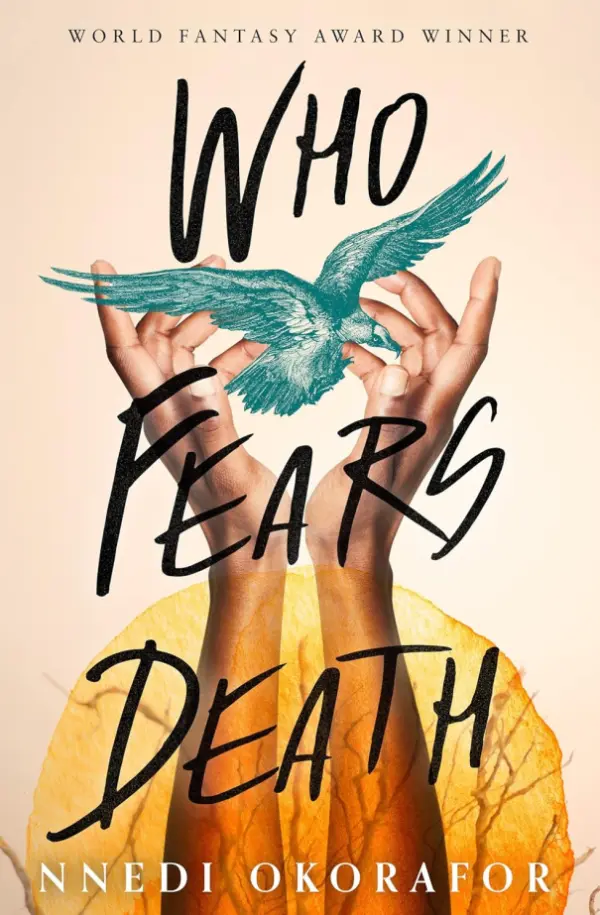
Who Fears Death
Nnedi Okorafor
Average Goodreads rating4.3
- Quest for Revenge
- Post-Apocalyptic

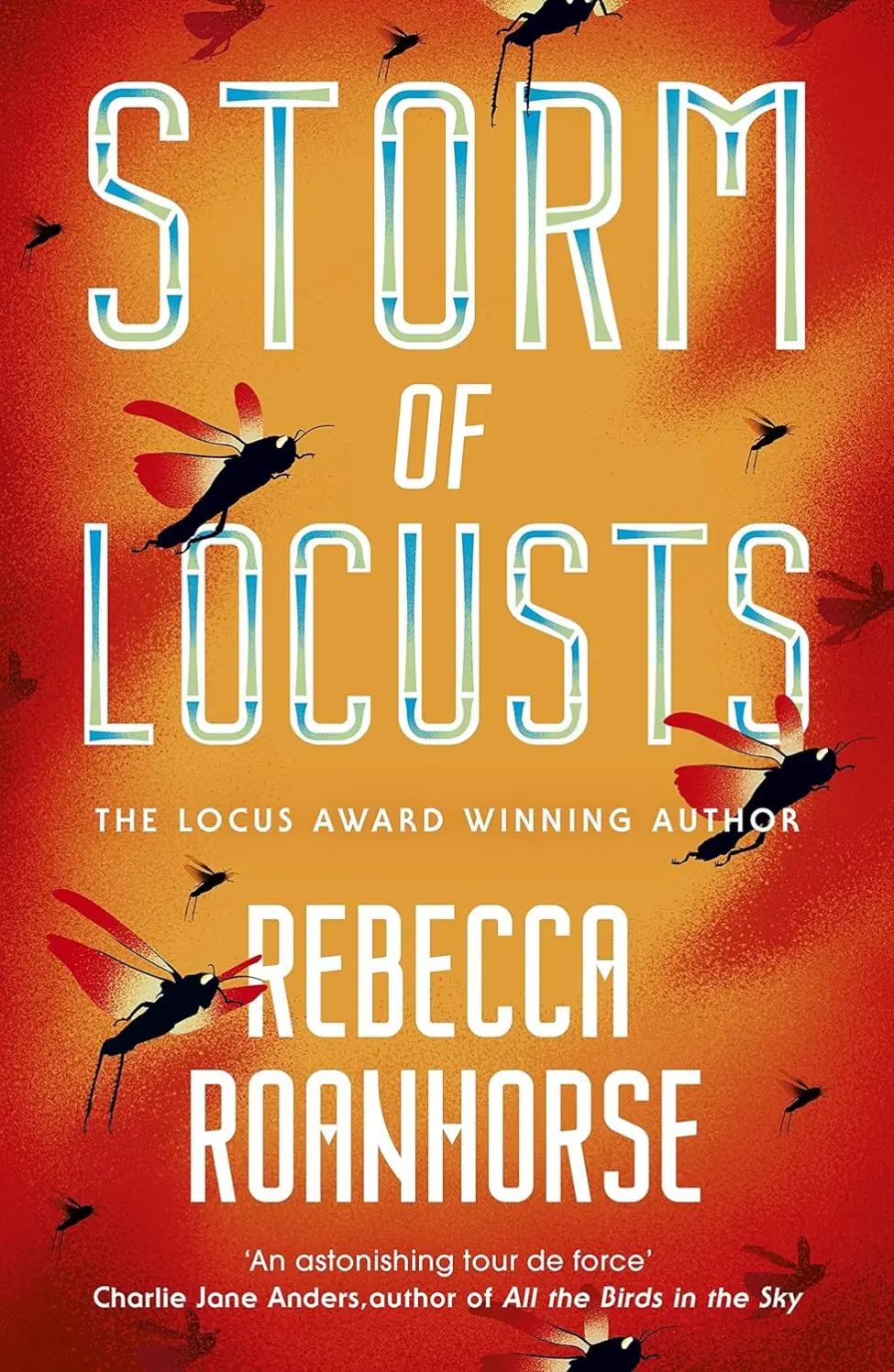
Book 2 in The Sixth World
We independently select and recommend books. Purchases made through our links may earn us a commission, at no extra cost to you. Prices and availability are set by each retailer.
Storm of Locusts by Rebecca Roanhorse continues Maggie Hoskie's story as the White Locust threatens Dinétah. Maggie must confront her relationship with the gods, her capacity for violence, and what it means to be both weapon and person.
Tagged on the series as a whole, so not every book will feature each one.
Storm of Locusts is Rebecca Roanhorse's 2019 sequel to Trail of Lightning, continuing the Sixth World series with heightened stakes, deeper character development, and expanded world-building beyond Dinétah's borders. Picking up immediately after the first book's events, the novel follows Maggie Hoskie as she navigates the aftermath of her choices whilst facing a new threat - the White Locust, a powerful entity from Navajo mythology threatening not just Dinétah but the fragile balance between gods, monsters, and humanity. The sequel maintains the first book's noir-influenced monster hunting whilst exploring Maggie's trauma, her complicated relationship with power, and whether she can be more than the weapon the gods made her.
The novel opens with Maggie and Kai dealing with consequences from Trail of Lightning. Their partnership has deepened, but Maggie remains isolated, haunted by violence and loss. When a new threat emerges - the White Locust, a being of immense power from Navajo tradition - Maggie is drawn into conflict she's not sure she can survive. The White Locust represents drought, famine, and destruction, and its appearance suggests the Sixth World's fragile stability is threatened.
Complicating matters is the return of figures from Maggie's past and the introduction of Kai's family, including his formidable grandmother who disapproves of his association with Maggie. These relationships force Maggie to confront how her reputation as Neizghání's protégé and her own violent actions have shaped how others see her - and whether she can ever be more than a killer.
The sequel expands beyond Dinétah, revealing how other regions survived the Big Water. Roanhorse introduces new communities, each adapting differently to the post-apocalyptic world, and shows that whilst Dinétah has its gods and traditions, other cultures have their own ways of surviving and thriving. This expansion demonstrates that Indigenous survival isn't monolithic but diverse across different Nations and traditions.
Maggie's character development is the novel's emotional core. She's forced to examine her relationship with violence - is she addicted to the rush of killing, or is she trying to protect people the only way she knows how? Her connection to the gods, particularly the complicated legacy of Neizghání, raises questions about agency and destiny. Are the Monsterslayers blessed or cursed? Do the gods care about those they empower, or are they simply using weapons?
The White Locust itself is both literal threat and metaphor - representing not just mythological danger but the ongoing devastation facing Indigenous communities, from environmental destruction to systematic violence. Roanhorse uses traditional stories to explore contemporary concerns without reducing mythology to mere symbolism.
Kai's role expands significantly. His healing abilities and connection to community provide counterpoint to Maggie's isolation and violence. His family dynamics - particularly his grandmother's disapproval and his own struggles with inherited trauma - add depth whilst exploring how different Indigenous people relate to tradition, power, and survival.
Action sequences maintain Roanhorse's visceral style - Maggie's supernatural abilities create brutal, fast-paced combat that never loses sight of violence's cost. The noir influence continues through Maggie's cynical narration, morally grey choices, and the sense that even victories come with heavy prices.
Supporting characters include Coyote, whose trickster appearances complicate everything with his agenda; Ben Tso, a new character with his own connection to the gods; and various community members whose survival depends on Maggie's choices.
Themes of trauma and cycles of violence, what it means to be a weapon versus a person, Indigenous survival and diverse approaches, gods' costs and blessings, healing versus killing, family - chosen and blood, community versus isolation, and whether destiny can be changed run throughout.
The novel's title references both the White Locust threat and broader ideas of swarming destruction, biblical plagues reinterpreted through Diné mythology, and overwhelming forces that test survival.
Roanhorse deepens her world-building whilst maintaining the tight focus on Maggie's journey, proving the series can expand scope without losing the character-driven intensity that made the first book successful.
Nnedi Okorafor
Average Goodreads rating4.3
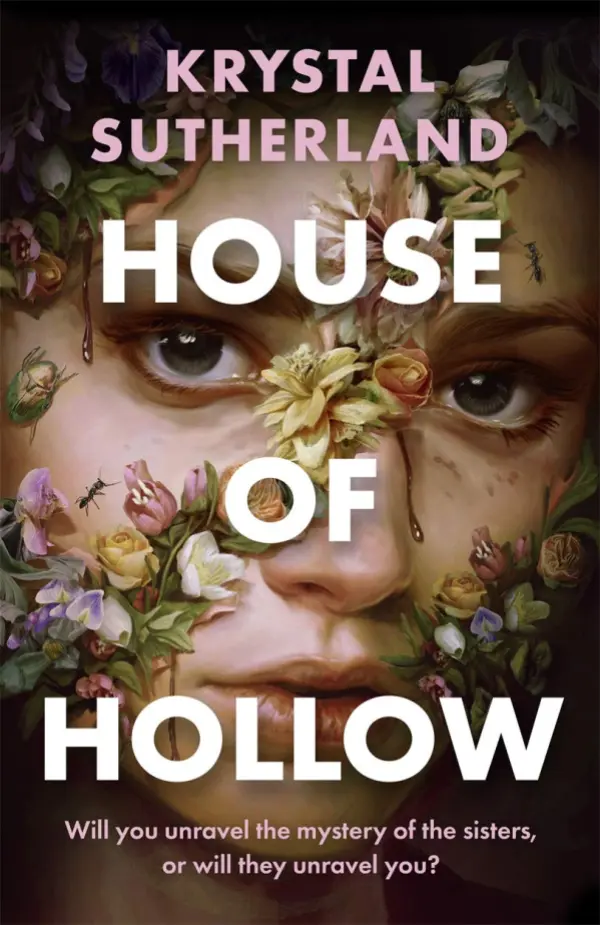
Krystal Sutherland
Average Goodreads rating4.2
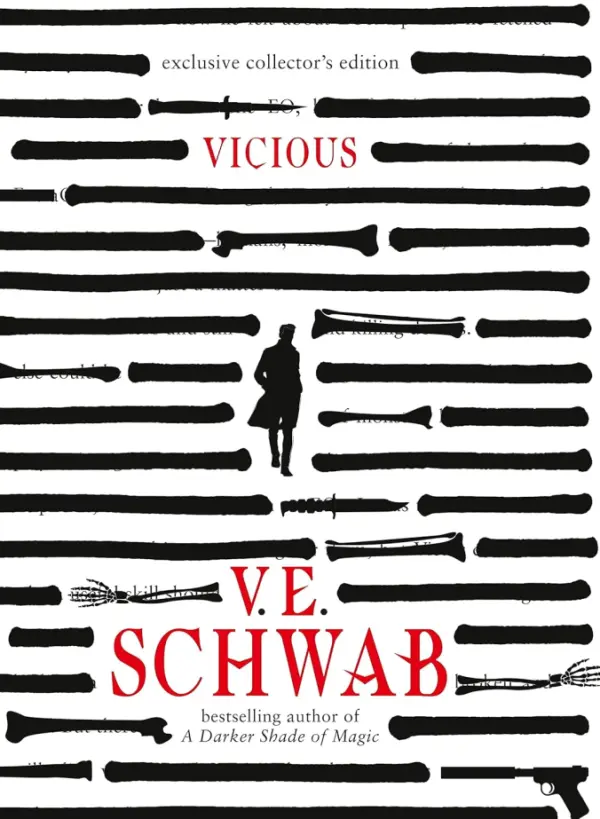
V. E. Schwab
Villains, book 1
Average Goodreads rating4.2
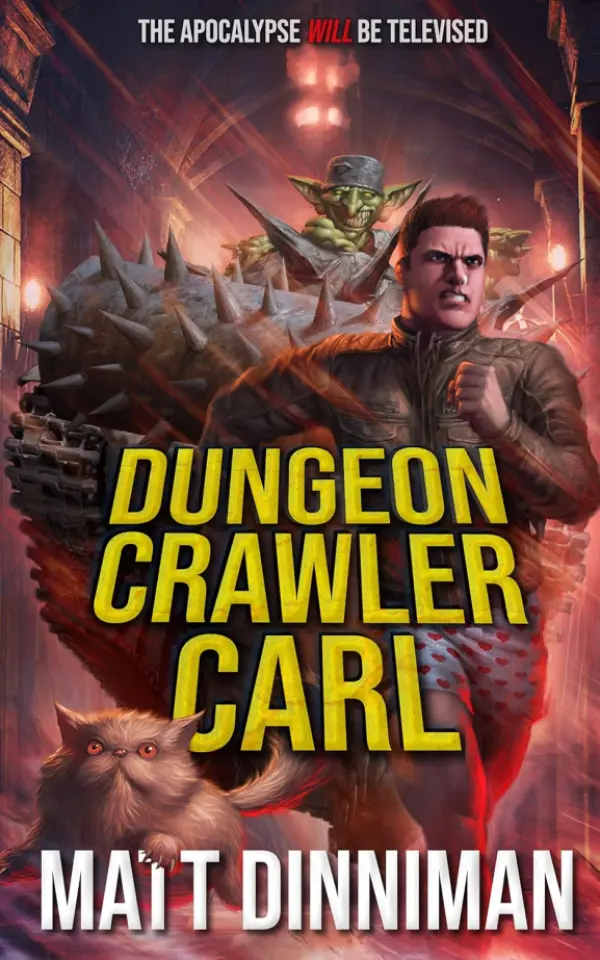
Matt Dinniman
Dungeon Crawler Carl, book 1
Average Goodreads rating4.6

Jay Kristoff
Empire of the Vampire, book 1
Average Goodreads rating4.7
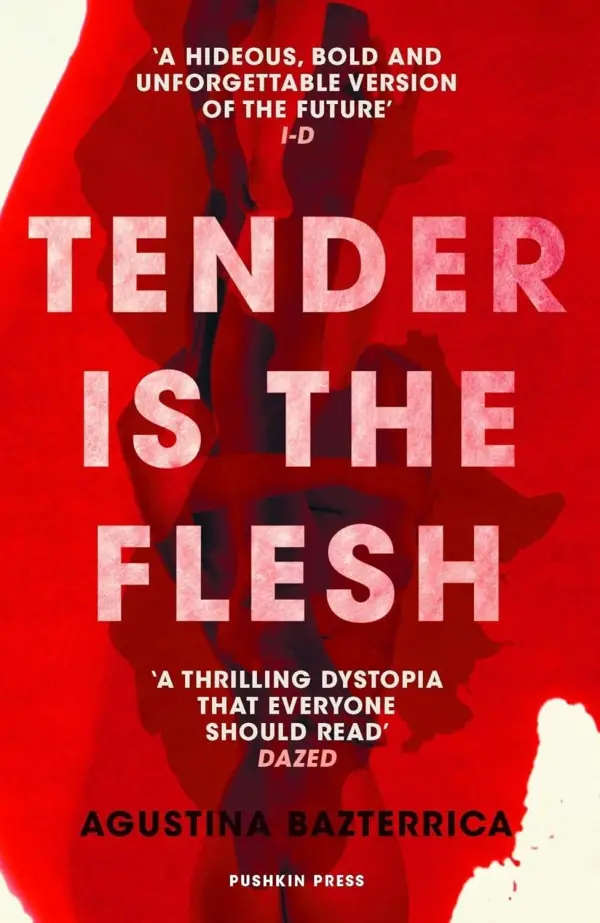
Agustina Bazterrica
Average Goodreads rating4.0
Still Looking?
Further down our similarity list, but still sharing tropes and genres with this book.
Tahereh Mafi
Shatter Me, book 1
Average Goodreads rating4.2
Buy from Amazon (opens Amazon in a new tab)
Tamsyn Muir
The Locked Tomb Series, book 1
Average Goodreads rating4.5
Buy from Amazon (opens Amazon in a new tab)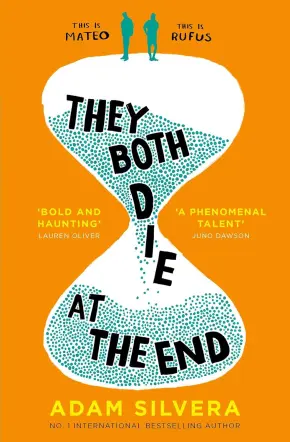
Adam Silvera
They Both Die at the End, book 1
Average Goodreads rating4.5
Buy from Amazon (opens Amazon in a new tab)Rebecca Roanhorse is a Nebula and Hugo Award-winning author known for Indigenous futurism blending Native American cultures with science fiction/fantasy. Celebrated for Trail of Lightning and Black Sun, she crafts diverse speculative fiction challenging genre conventions.
Books, series and tropes by Rebecca RoanhorseStorm of Locusts
Buy from Amazon (opens Amazon in a new tab)Occasional emails with new recommendations, series news and trope round-ups.