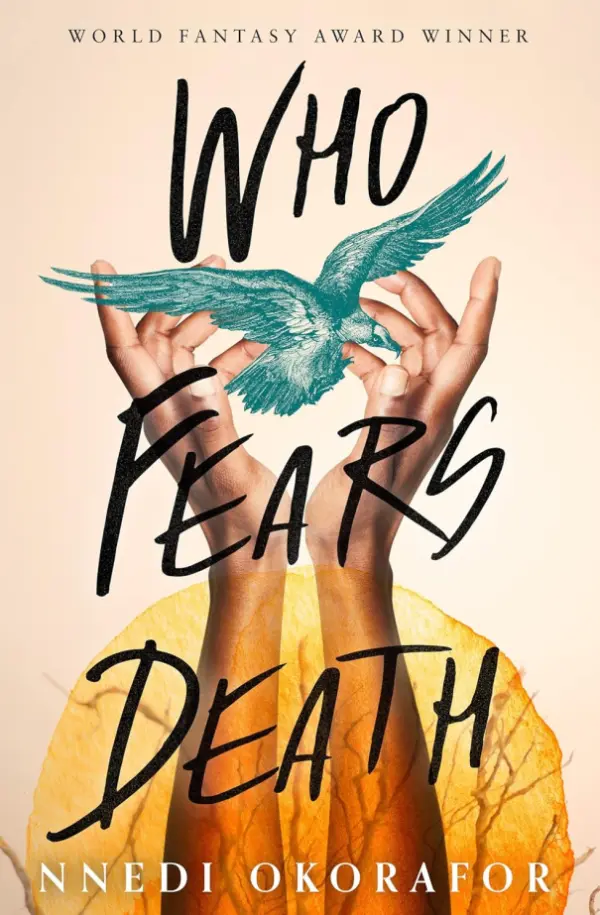
Who Fears Death
Nnedi Okorafor
Average Goodreads rating4.3
- Quest for Revenge
- Post-Apocalyptic

Book series · 2 books
The Sixth World by Rebecca Roanhorse follows Maggie Hoskie, a monster hunter in post-apocalyptic Dinétah where Navajo gods and creatures have returned. This urban fantasy duology blends climate apocalypse, Diné mythology, and noir-influenced monster hunting.
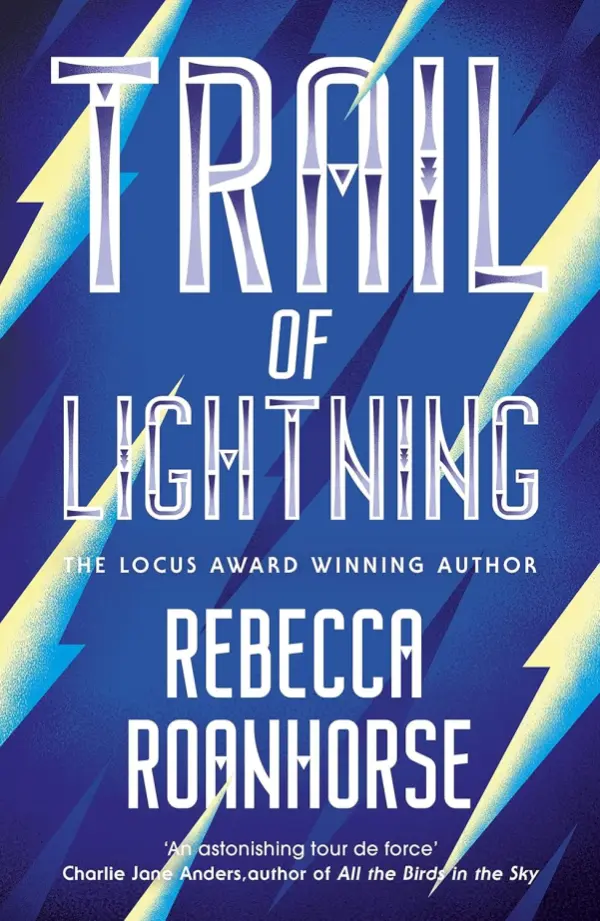
Start the series here · book 1
Trail of Lightning by Rebecca Roanhorse follows Maggie Hoskie, a monster hunter with supernatural abilities in post-apocalyptic Dinétah. When gods and monsters from Navajo mythology return, Maggie must confront both external threats and her violent past.
304 pages
Retailer links may earn Trope Trove a commission, at no extra cost to you.
Start here 304 pages Goodreads rating4.3
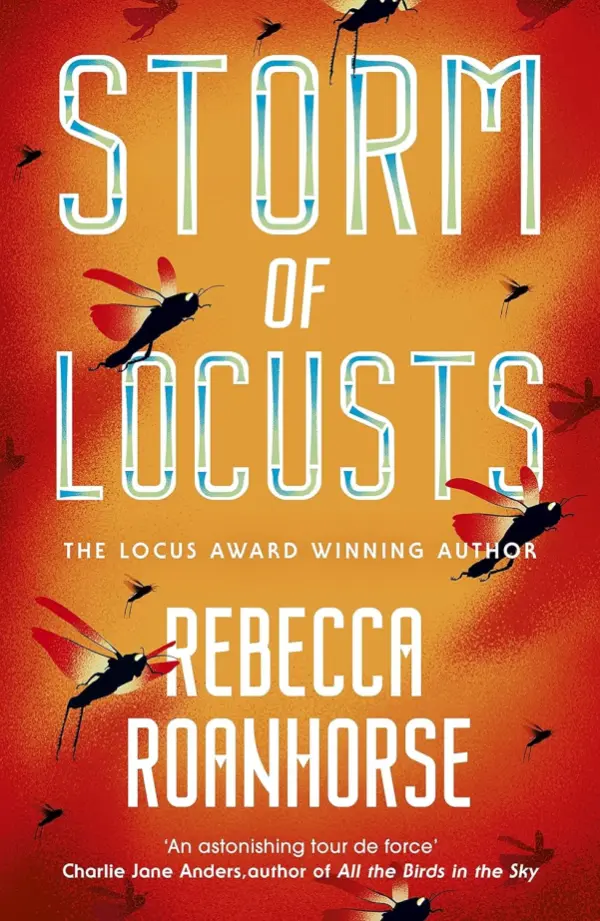
320 pages
The Sixth World is Rebecca Roanhorse's groundbreaking urban fantasy duology set in a post-apocalyptic future where climate change has flooded most of North America, leaving the Navajo Nation - Dinétah - as one of the few surviving regions. Following Maggie Hoskie, a Diné monster hunter with supernatural abilities, the series blends Navajo mythology with post-apocalyptic survival and noir-influenced monster hunting, creating Indigenous futurism that subverts typical post-apocalyptic narratives by showing Indigenous peoples thriving after colonizers' civilization collapses. The duology won multiple awards including the Nebula and Locus, establishing Roanhorse as a major voice in speculative fiction.
Trail of Lightning (2018) introduces Maggie Hoskie, a tough, emotionally damaged monster hunter known as a Monsterslayer - one blessed by the Diné war gods with supernatural speed and fighting abilities. In the post-apocalyptic Sixth World, traditional Navajo gods, heroes, and monsters have returned to Dinétah. Maggie hunts these creatures for pay, isolated and haunted by her violent past and the death of her mentor Neizghání.
When a small town asks for help against a mysterious monster, Maggie reluctantly teams with Kai Arviso, a Diné healer whose medicine powers complement her killing skills. Their investigation uncovers threats beyond simple monsters - someone is manipulating traditional creatures and magic for dark purposes, and Maggie's past connections to the gods make her both hunter and potential prey.
The novel establishes Roanhorse's noir-influenced style - Maggie is the damaged detective with supernatural abilities, Kai the reluctant partner, and Dinétah post-apocalypse feels like gritty urban fantasy despite the desert setting. Roanhorse incorporates Diné language, traditions, and mythology authentically, making the fantastical elements feel rooted in cultural reality rather than appropriated aesthetics.
Storm of Locusts (2019) continues immediately after Trail of Lightning's events. Maggie and Kai navigate the aftermath whilst new threats emerge - the White Locust, a powerful entity from Navajo mythology, threatens Dinétah. Maggie must confront her relationship with the gods, her own capacity for violence, and whether she's weapon or person. The sequel expands world-building beyond Dinétah's borders, revealing how other regions survived the apocalypse and introducing new characters including Kai's complicated family.
The second book deepens exploration of Maggie's trauma, her clan connections, and what it means to be blessed/cursed by gods who are neither purely benevolent nor malevolent. Roanhorse balances action sequences with character development and cultural specificity, showing Diné community resilience alongside individual struggles.
The duology is characterized by post-apocalyptic Dinétah setting, Navajo mythology and gods as real, monster hunter protagonist with supernatural abilities, noir-influenced tone, climate apocalypse background, Diné language and traditions woven throughout, and Indigenous peoples thriving post-colonizers' collapse.
Common themes include trauma and violence, Indigenous survival and resistance, cultural identity and clan connections, gods and their costs, climate change consequences, what it means to be a weapon, healing versus killing, and community versus isolation.
Roanhorse's prose is sharp and action-oriented, creating visceral fight scenes and tense confrontations whilst incorporating Diné concepts and language naturally. Maggie's first-person narration is cynical, damaged, yet occasionally vulnerable, creating a protagonist readers root for despite her violence.
What distinguishes The Sixth World is its subversion of post-apocalyptic tropes. Most post-apocalyptic fiction either erases Indigenous peoples or positions them as mystical guides for white protagonists. Roanhorse centers Diné perspectives, shows Indigenous communities thriving whilst colonizer civilization collapses, and depicts the return of traditional beliefs not as metaphor but as literal reality shaped by Navajo worldview.
The monster hunting isn't generic urban fantasy but rooted in specific Diné stories - the monsters come from Navajo tradition, the gods are Diné deities with their own agendas, and the magic system reflects Navajo concepts of balance and healing.
The series appeals to readers seeking Indigenous futurism, post-apocalyptic settings with fresh perspectives, urban fantasy rooted in specific cultures, damaged protagonists, and noir-influenced monster hunting.
Rebecca Roanhorse is a Nebula and Hugo Award-winning author known for Indigenous futurism blending Native American cultures with science fiction/fantasy. Celebrated for Trail of Lightning and Black Sun, she crafts diverse speculative fiction challenging genre conventions.
Books, series and tropes by Rebecca Roanhorse
Nnedi Okorafor
Average Goodreads rating4.3
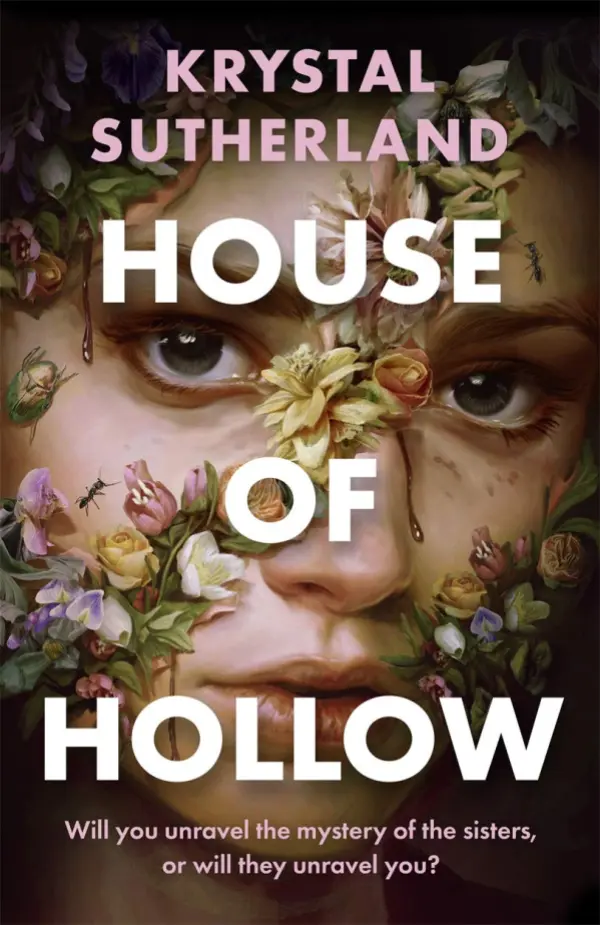
Krystal Sutherland
Average Goodreads rating4.2
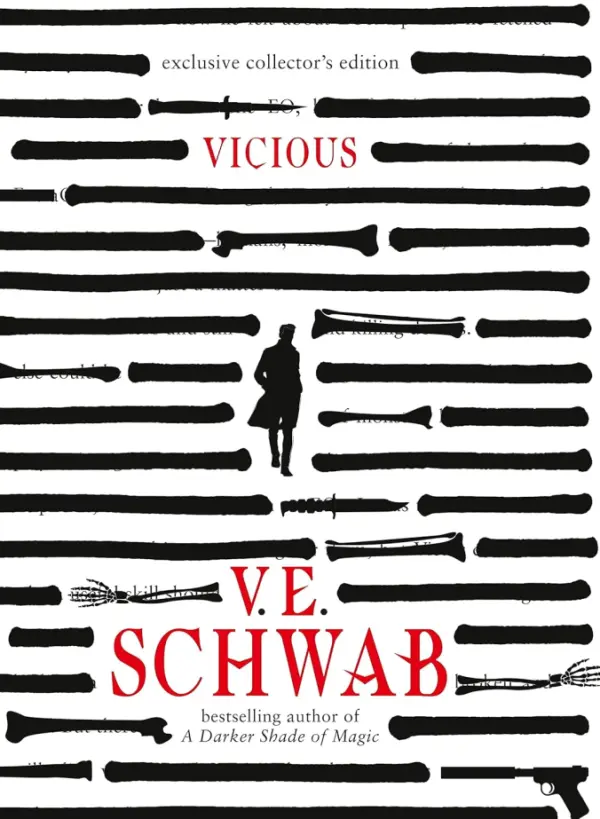
V. E. Schwab
Villains, book 1
Average Goodreads rating4.2

Jay Kristoff
Empire of the Vampire, book 1
Average Goodreads rating4.7
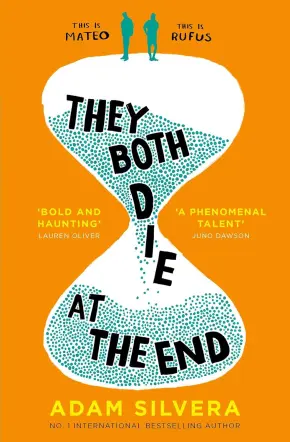
Adam Silvera
They Both Die at the End, book 1
Average Goodreads rating4.5
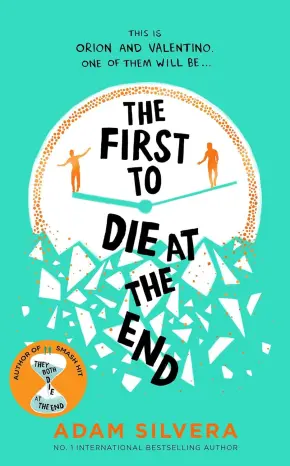
Adam Silvera
They Both Die at the End, book 2
Average Goodreads rating4.6
Brandon Sanderson
3 books
Sarah J. Maas
5 books
Brandon Sanderson
4 books
Sarah J. Maas
7 books
Hannah Kaner
3 books · complete series
Pierce Brown
6 books · complete series
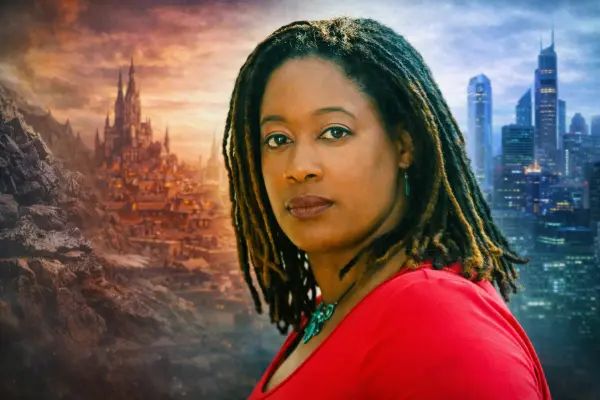
Three-time Hugo Award winner N.K. Jemisin revolutionized fantasy. Discover her epic series, standalone novels, common themes, and books for fans to read next.
Occasional emails with new recommendations, series news and trope round-ups.


