

Once Upon A Broken Heart
Stephanie Garber
Once Upon a Broken Heart, book 1
Average Goodreads rating4.2

Book series · 3 books · complete
by Hannah Kaner
Fallen Gods by Hannah Kaner follows Kissen, a godkiller who hunts divine beings in a world where gods are forbidden. This dark fantasy trilogy blends found family, morally grey characters, and exploration of faith, power, and what gods deserve.

Start the series here · book 1
You are not welcome here, godkiller. Kissen hunts gods for a living until she meets Skedi - a god she cannot kill, bound to a noble child. With a fallen knight, they journey to the city where gods died, pursued by demons and dark secrets.
304 pages
Retailer links may earn Trope Trove a commission, at no extra cost to you.
Start here 304 pages Goodreads rating4.3

384 pages Goodreads rating4.3

416 pages Goodreads rating4.5
The Fallen Gods (also know as The Godkiller Chronicles) is Hannah Kaner's dark fantasy trilogy set in a world where gods walk among mortals but are outlawed by the king after a devastating war. Following Kissen, a godkiller who hunts and destroys divine beings, the series explores what happens when faith is criminalized, whether gods deserve worship or destruction, and how those damaged by divine power navigate a world where the sacred has become illegal. Kaner combines intimate character work with epic world-building, creating a trilogy that's both deeply personal and cosmically significant.
Godkiller (2023) introduces Kissen, a veiga (godkiller) who lost her leg and family to a fire god and now makes her living destroying the small gods that persist despite the ban. She's cynical, scarred, and believes all gods are parasites feeding on human faith. Her world is upended when she's hired to protect Inara, a young girl who unknowingly harbours a god, and encounters Skediceth, a god of white lies bound to Kissen through circumstance. Forced into an unlikely companionship, the trio must navigate a kingdom where harbouring gods means death, whilst uncovering a conspiracy threatening the fragile peace between mortal and divine.
The novel establishes Kaner's nuanced approach to faith and divinity—gods aren't uniformly evil or benevolent but complex beings shaped by the worship (or fear) they receive. Kissen's hatred of gods confronts the reality that some, like Skedi, are small, frightened creatures just trying to survive. The found family dynamic between the cynical godkiller, the innocent child, and the anxious god of lies creates the series' emotional core.
Sunbringer (2024) expands the scope as consequences of the first book ripple outward. The fragile balance between mortals and gods destabilizes further, and Kissen must confront whether her mission to destroy all gods serves justice or perpetuates cycles of violence. The sequel deepens mythology around the god war's origins, explores different kingdoms' approaches to divinity, and raises stakes both personally for the protagonists and cosmically for the world.
Faithbreaker (2024/2025) concludes the trilogy, bringing the conflict between mortals and gods to its climax. The finale addresses fundamental questions the series has built toward: Can gods and humans coexist? Is faith inherently corrupting? What does Kissen truly want—vengeance or healing? Kaner delivers resolution to character arcs and thematic questions whilst providing the epic confrontations readers expect from a trilogy's conclusion.
The series is characterized by godkiller protagonist hunting divine beings, found family (godkiller, child, small god), morally grey characters and gods, exploration of faith and belief, gods shaped by worship, disability representation (Kissen's prosthetic leg), LGBTQ+ representation, dark fantasy with intimate focus, and trilogy structure.
Common themes include faith as power and danger, whether gods deserve to exist, cycles of violence and revenge, found family versus blood ties, healing from trauma, the corruption of absolute power, forgiveness and moving forward, and what it means to be divine or human.
Kaner's prose balances accessibility with literary depth, creating vivid world-building without overwhelming readers with exposition. Her gods range from terrifying cosmic entities to small, almost pathetic creatures, reflecting how belief shapes divinity. The magic system ties directly to faith—gods gain power from worship but also become defined by believers' expectations.
What distinguishes The Fallen Gods is its refusal to simplify the god question. Kissen has legitimate grievances—gods have caused immense suffering. But blanket destruction of all divine beings becomes its own form of tyranny. Kaner explores whether coexistence is possible or if the divine-mortal relationship is inherently exploitative.
The found family dynamic provides emotional anchor. Kissen, Inara, and Skedi's unlikely bond transforms all three, challenging Kissen's hatred, protecting Inara's innocence whilst forcing her to grow, and giving Skedi purpose beyond survival.
The series appeals to readers seeking dark fantasy with heart, nuanced exploration of faith and divinity, found family dynamics, morally complex protagonists, and complete trilogy with satisfying resolution.
#1 internationally bestselling author of the Fallen Gods trilogy. Cambridge graduate crafting dark fantasy inspired by world mythologies and angry women. Hugo, Locus, and British Book Award finalist. Translated into 16 languages. The Witcher meets found family.
Books, series and tropes by Hannah Kaner
Stephanie Garber
Once Upon a Broken Heart, book 1
Average Goodreads rating4.2

Brent Weeks
Night Angel, book 1
Average Goodreads rating4.5

Brent Weeks
Night Angel, book 2
Average Goodreads rating4.6

Brent Weeks
Night Angel, book 3
Average Goodreads rating4.7
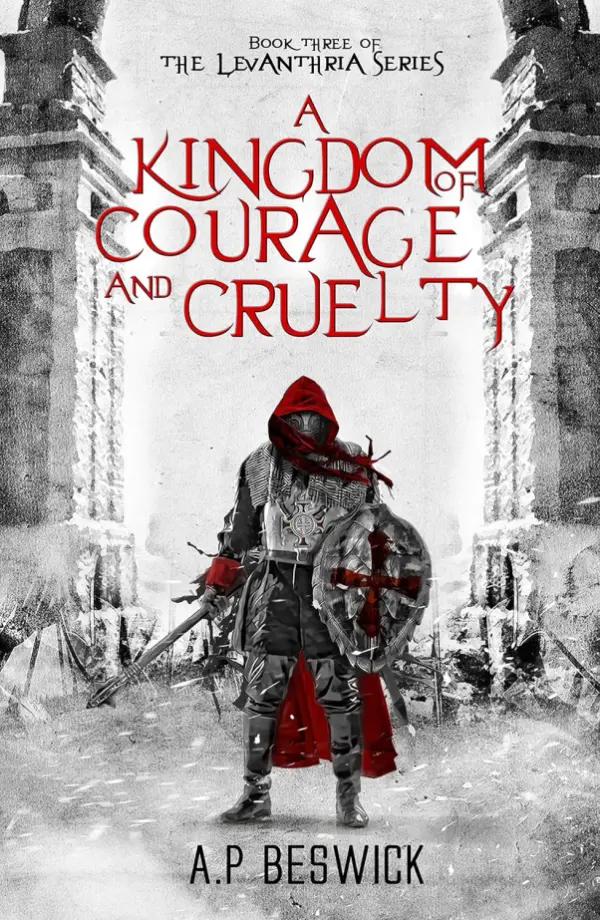
A. P. Beswick
The Levanthria Series, book 3
Average Goodreads rating4.1
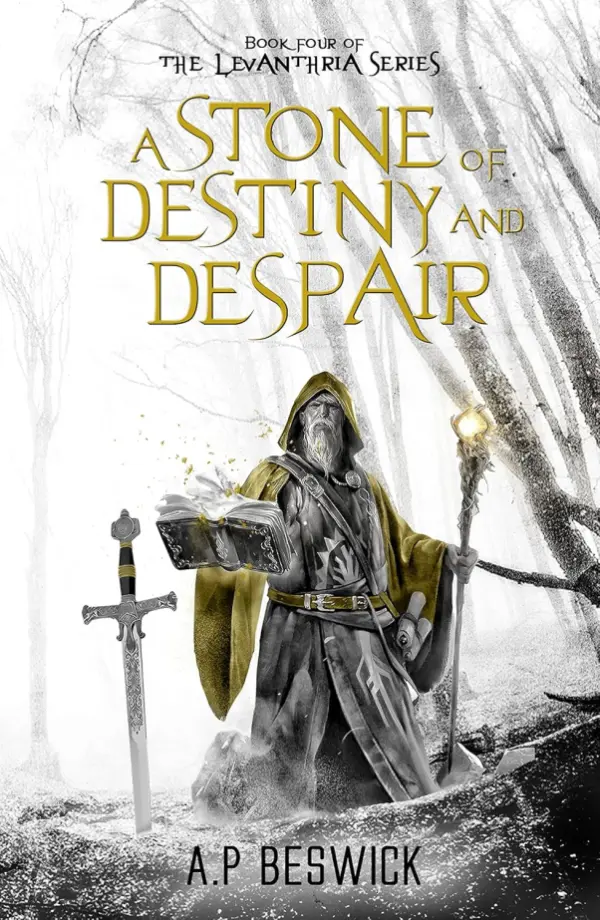
A. P. Beswick
The Levanthria Series, book 4
Average Goodreads rating4.2
Brandon Sanderson
3 books
Sarah J. Maas
5 books
Brandon Sanderson
4 books
Sarah J. Maas
7 books
Pierce Brown
6 books · complete series
James Islington
2 books · complete series
Occasional emails with new recommendations, series news and trope round-ups.


