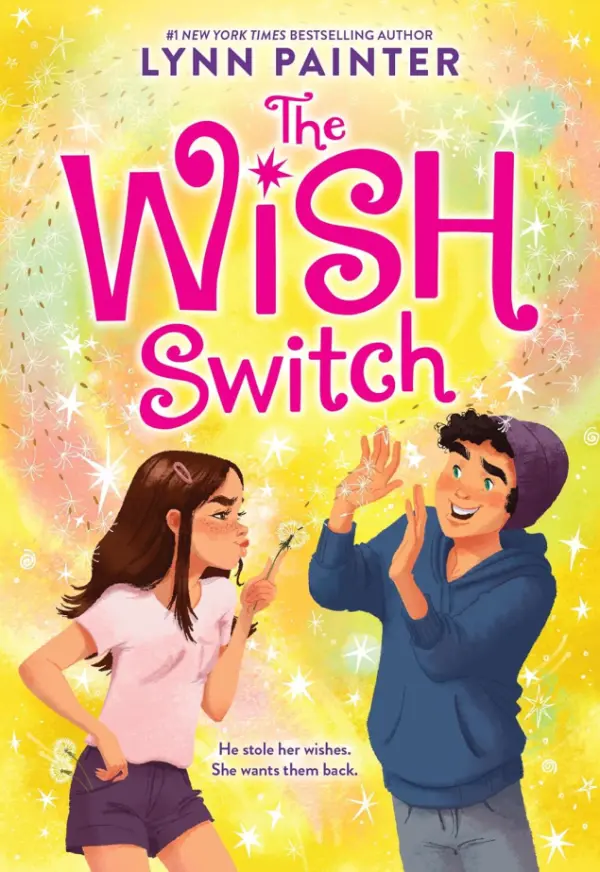
The Wish Switch
Lynn Painter
Average Goodreads rating3.7
- Coming of Age
- Enemies to Allies

Book trope · 20 books
Fantasy magic can be anything the author wants it to be. The question is whether it means anything. A magic system with rules is one where the supernatural operates according to consistent, knowable principles — where power has limits, costs, and logic that characters (and readers) can actually understand and…
More about the Magic System with Rules trope4 are tagged with Magic System with Rules individually. The others belong to a series tagged with it, which doesn’t mean every book in it features the trope, so they’re marked “Matched via its series”.
Updating books…
20 books found
Lynn Painter
Average Goodreads rating3.7
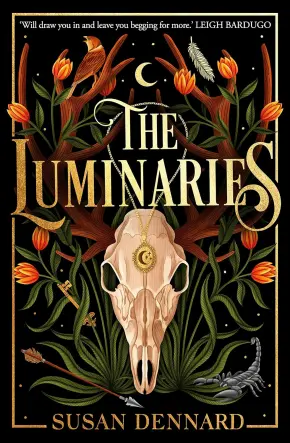
Susan Dennard
The Luminaries, book 1
Average Goodreads rating4.3
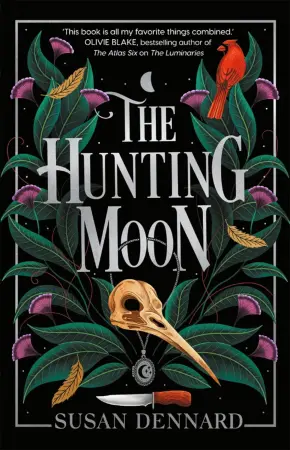
Susan Dennard
The Luminaries, book 2
Average Goodreads rating4.4
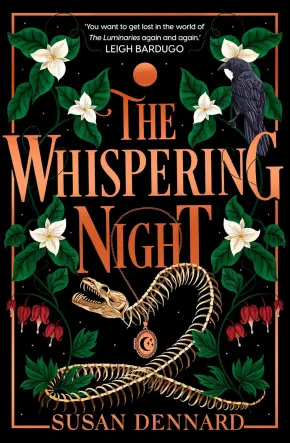
Susan Dennard
The Luminaries, book 3
Average Goodreads rating4.5
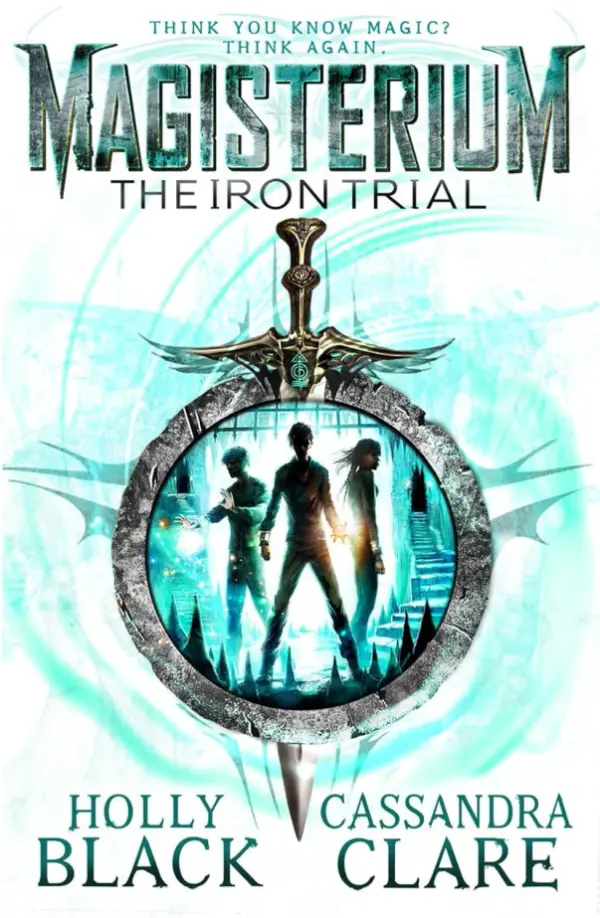
Holly Black & Cassandra Clare
Magisterium, book 1
Average Goodreads rating4.0
Matched via its series
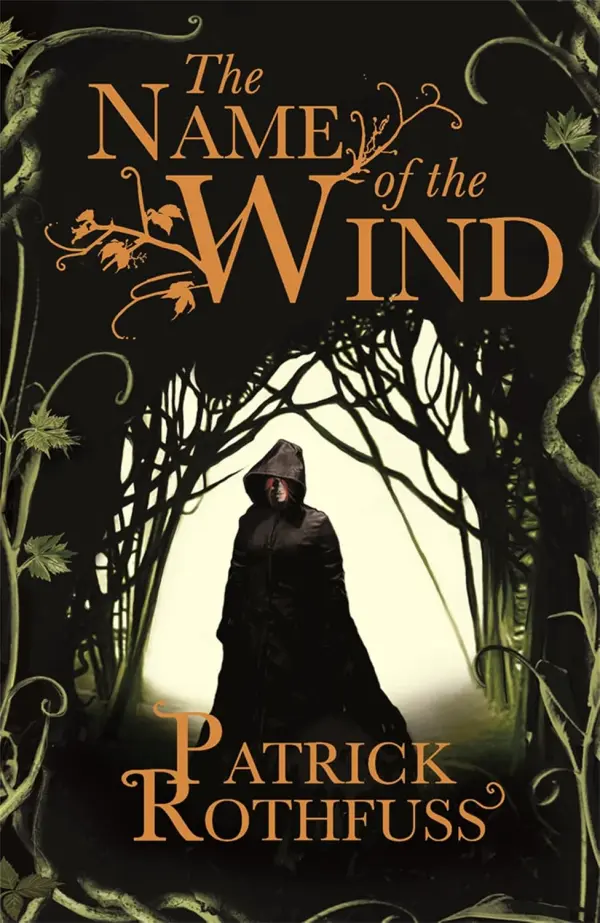
Patrick Rothfuss
The Kingkiller Chronicle, book 1
Average Goodreads rating4.6
Matched via its series
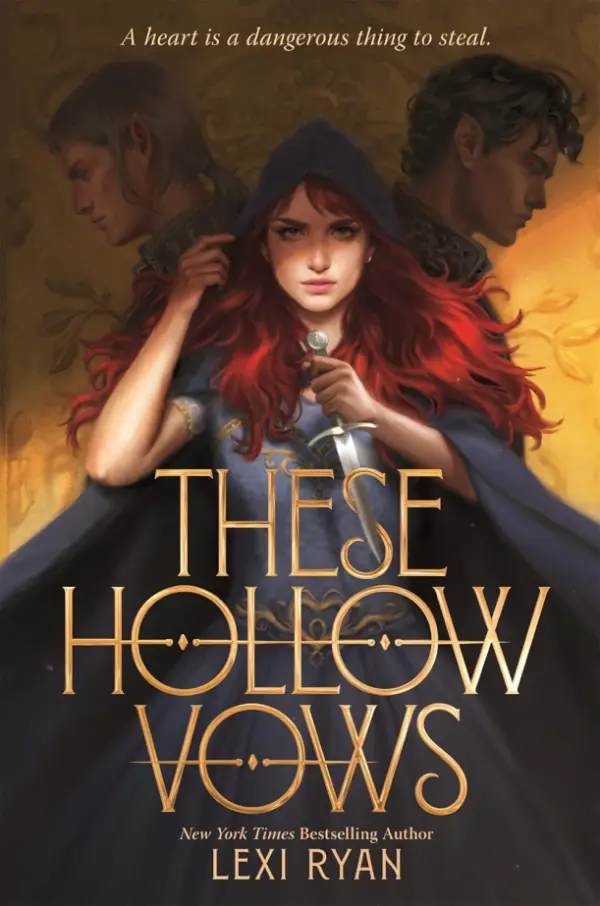
Lexi Ryan
These Hollow Vows, book 1
Average Goodreads rating4.3
Matched via its series
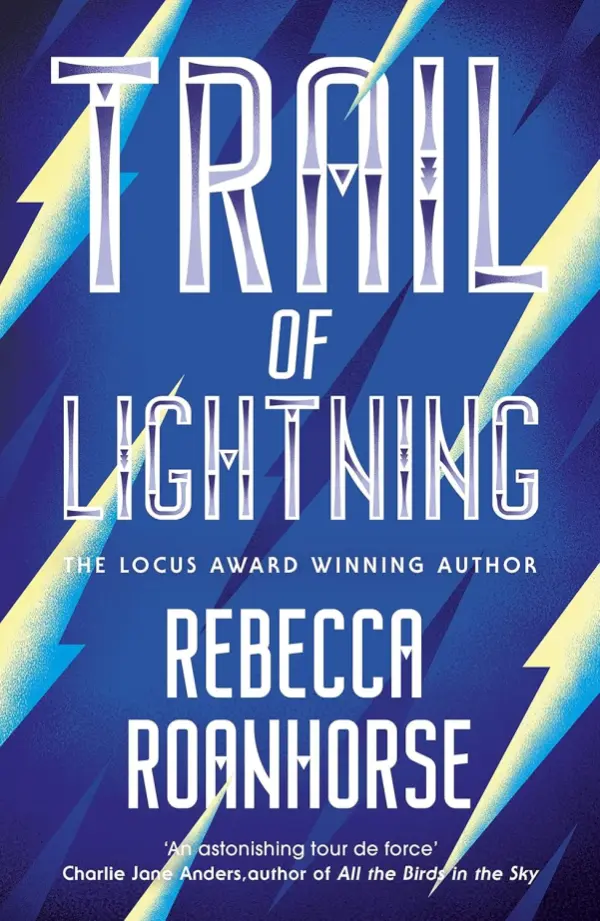
Rebecca Roanhorse
The Sixth World, book 1
Average Goodreads rating4.3
Matched via its series

James Islington
The Licanius Trilogy, book 1
Average Goodreads rating4.4
Matched via its series

James Islington
Hierarchy, book 1
Average Goodreads rating4.7
Matched via its series
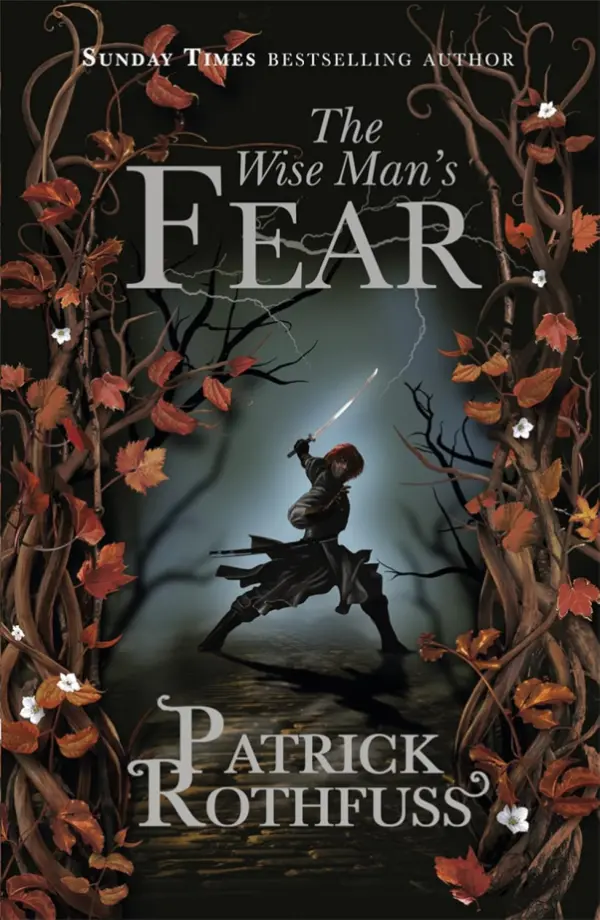
Patrick Rothfuss
The Kingkiller Chronicle, book 2
Average Goodreads rating4.7
Matched via its series
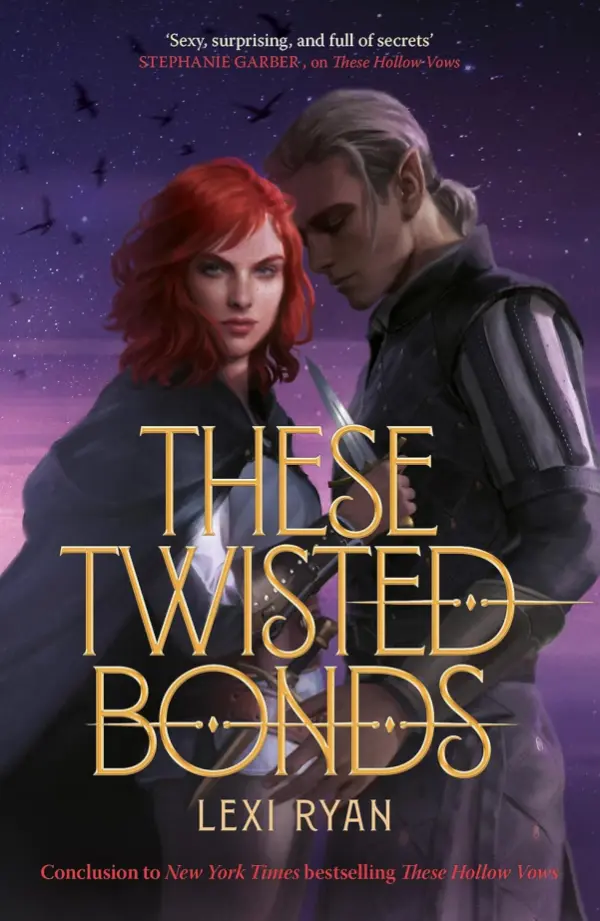
Lexi Ryan
These Hollow Vows, book 2
Average Goodreads rating4.3
Matched via its series
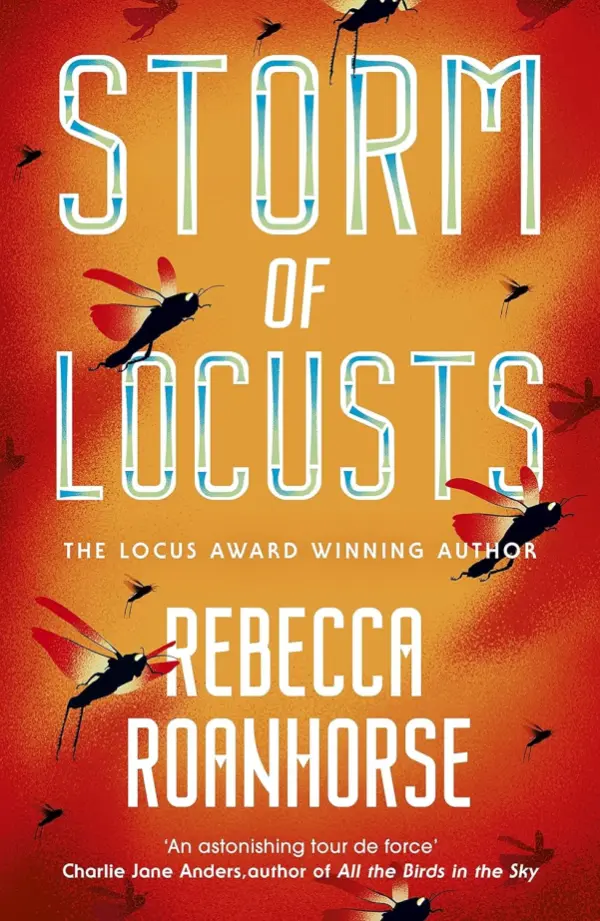
Rebecca Roanhorse
The Sixth World, book 2
Matched via its series

James Islington
The Licanius Trilogy, book 2
Average Goodreads rating4.4
Matched via its series
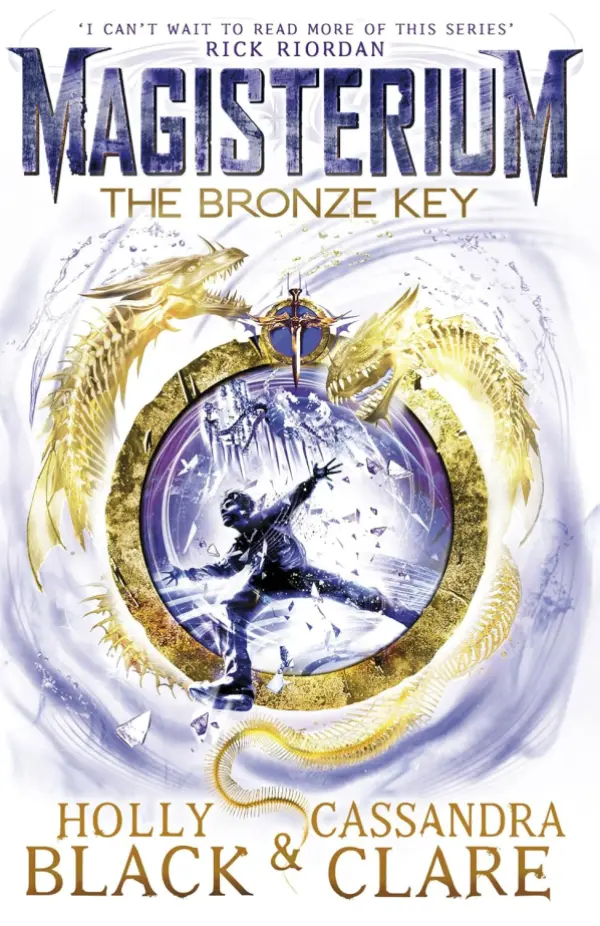
Holly Black & Cassandra Clare
Magisterium, book 3
Matched via its series
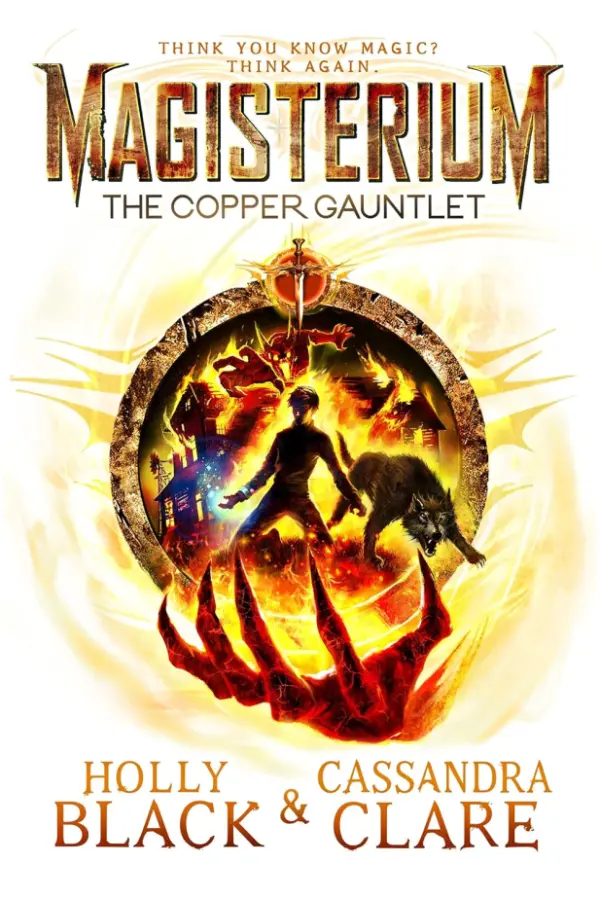
Holly Black & Cassandra Clare
Magisterium, book 2
Matched via its series
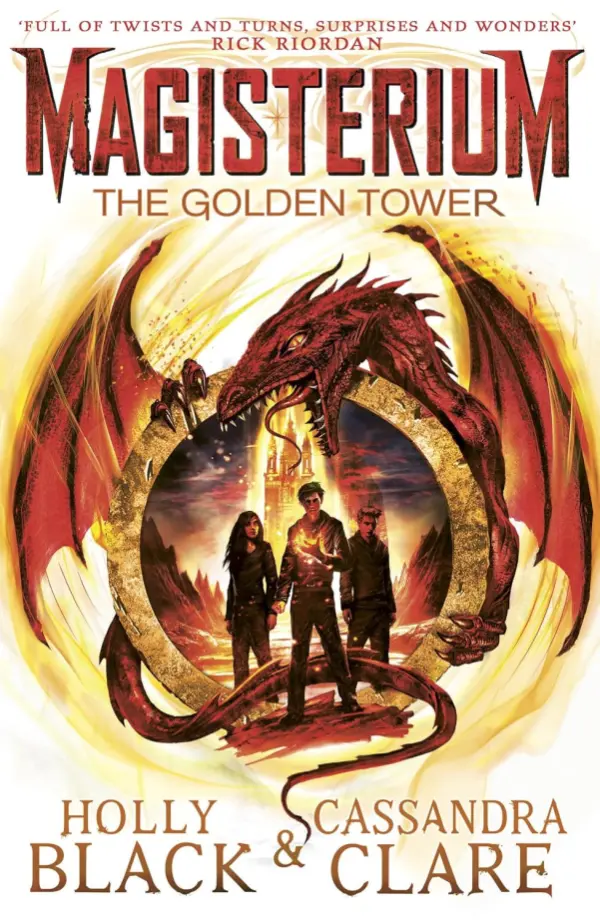
Holly Black & Cassandra Clare
Magisterium, book 5
Matched via its series

James Islington
The Licanius Trilogy, book 3
Average Goodreads rating4.6
Matched via its series
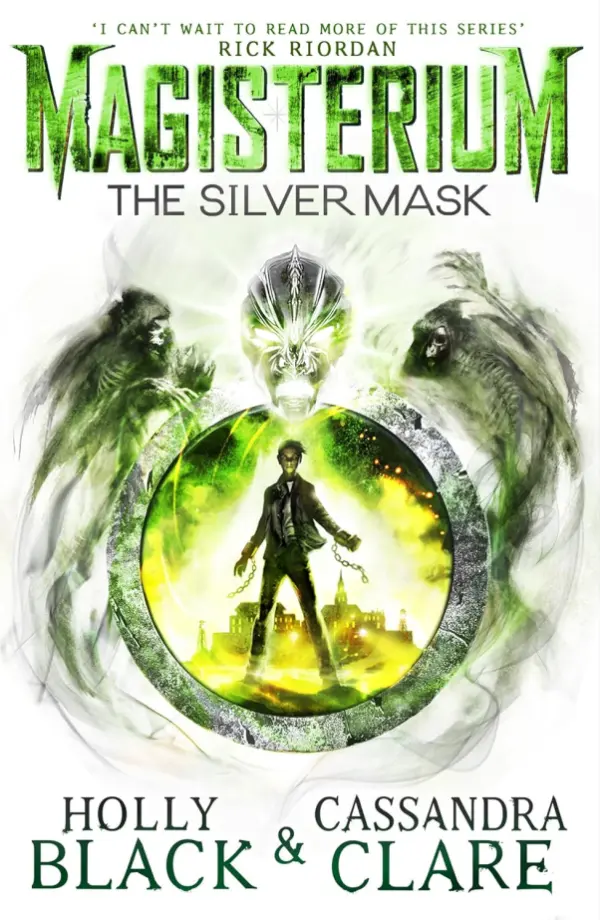
Holly Black & Cassandra Clare
Magisterium, book 4
Matched via its series

James Islington
Hierarchy, book 2
Average Goodreads rating4.7
Matched via its series
Tropes that share the most books with Magic System with Rules
Fantasy magic can be anything the author wants it to be. The question is whether it means anything. A magic system with rules is one where the supernatural operates according to consistent, knowable principles — where power has limits, costs, and logic that characters (and readers) can actually understand and anticipate. It's the difference between a wizard pulling a deus ex machina from thin air and a reader thinking, three chapters before the climax, wait — could they use that to solve this?
The appeal is almost paradoxical. Constraints make magic feel more magical, not less. When readers know what's possible, every creative solution lands harder. Every sacrifice carries weight. Every moment of a character pushing against the boundaries of their ability becomes genuinely tense, because you understand exactly what the ceiling is.
The hallmarks tend to cluster around a few key qualities. The rules are discoverable — characters learn them, and so do we. There are limits, whether those are physical exhaustion, mental strain, finite resources, or hard categorical restrictions on what magic simply cannot do. Crucially, the rules apply consistently. Antagonists are bound by the same system as protagonists, which keeps conflict fair and satisfying.
Most well-regarded magic systems also have costs. Soft magic, in the Le Guin tradition, tends to be mysterious and atmospheric but rarely solves plot problems cleanly. Hard magic — Brandon Sanderson, whose First Law of Magic has become something of a benchmark for the craft, essentially formalised this — insists that if magic is going to get a character out of trouble, the reader must understand how and why. No rabbit from the hat. Every trick paid for in advance.
The spectrum runs from the almost scientific to the merely principled. At one end, you get magic that functions like physics: inputs produce predictable outputs, practitioners can specialise and train, and the system rewards expertise. At the other end, magic might be intuitive and character-specific — still rule-bound, but more emotionally or psychologically anchored, where the limits feel internal rather than external.
Elemental systems, rune-based magic, blood costs, memory sacrifice, spoken-word limitations — the trope encompasses all of these, provided the rules hold under pressure. Some stories layer rule-based magic against chaotic or forbidden magic as a contrast, using the comparison to explore themes of control, corruption, or what power actually costs at a human level. Others place the discovery of the rules at the centre of the plot itself, so working out the system becomes a kind of puzzle the reader solves alongside the protagonist.
There's a particular pleasure in a well-constructed magic system that's hard to find elsewhere in fiction. It's the satisfaction of a puzzle box that opens cleanly, or a chess game where every move has been earned. Readers who love this trope often find themselves actively theorising — noting what they've observed, testing it against new scenes, feeling clever when their predictions hold.
More than that, rule-based magic forces narrative honesty. An author who commits to consistent magical logic can't paper over plot problems with convenient power. Characters have to be clever, persistent, or willing to pay a price — and that makes their victories matter. When the system is properly built, the magic becomes inseparable from the story's emotional core. The rules aren't a constraint on the fantasy. They're what makes you believe in it.
Occasional emails with new recommendations, series news and trope round-ups.