
LIFEL1K3 (LIFELIKE)
Jay Kristoff
LIFEL1K3, book 1
Average Goodreads rating4.3

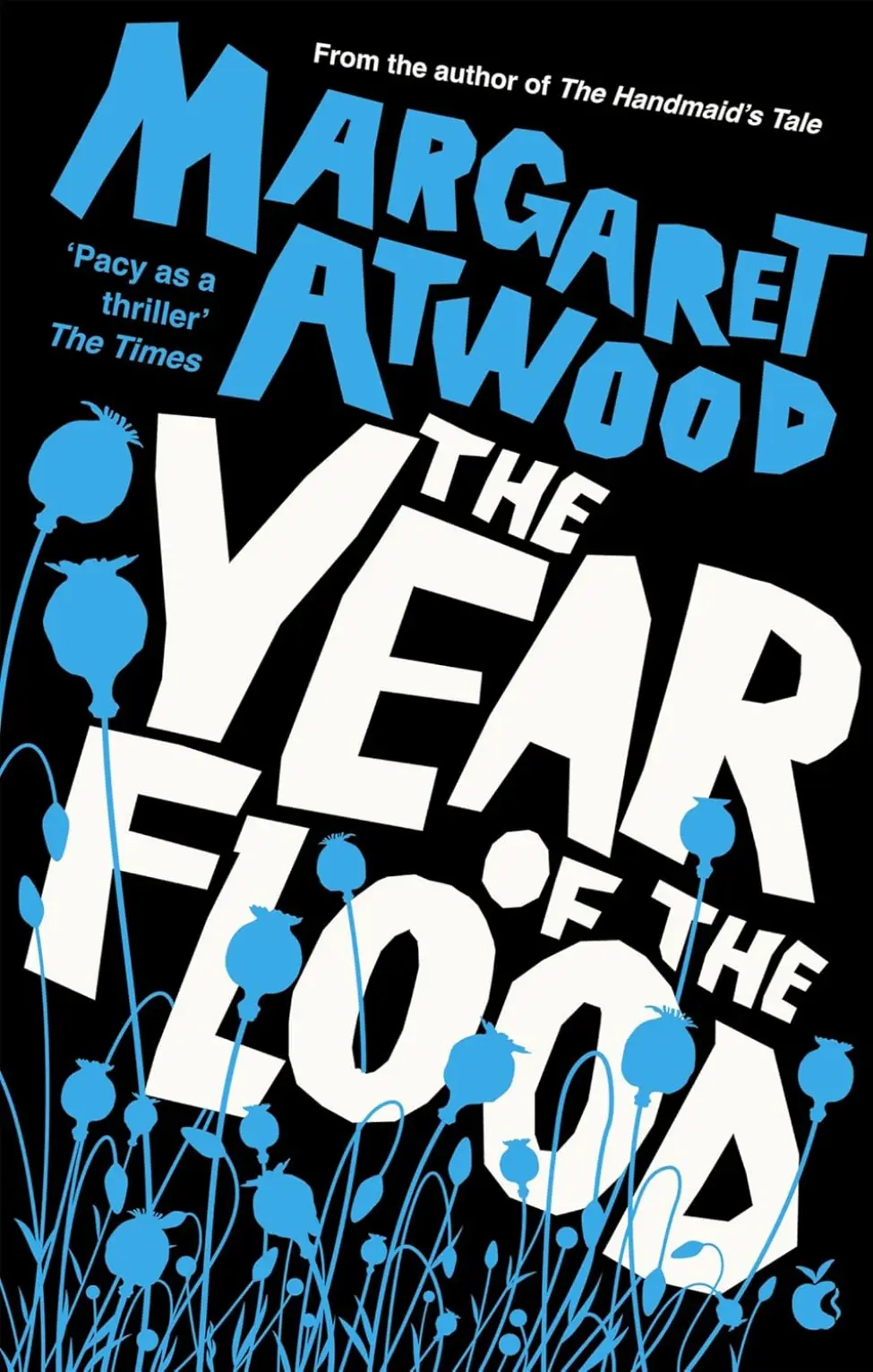
Book 2 in The MaddAddam Trilogy
We independently select and recommend books. Purchases made through our links may earn us a commission, at no extra cost to you. Prices and availability are set by each retailer.
The Year of the Flood by Margaret Atwood explores survival, faith, and environmental collapse through eco-religion and resistance in a dystopian future.
Tagged on the series as a whole, so not every book will feature each one.
The Year of the Flood by Margaret Atwood is the second novel in the MaddAddam Trilogy, expanding the series’ dystopian Science Fiction world by shifting perspective from corporate elites to those living on society’s margins. While Oryx and Crake focused on the architects of catastrophe, this novel examines the people who anticipated collapse - and tried to survive it differently.
Set before, during, and after the same global pandemic that ends civilisation in the first book, The Year of the Flood follows two women, Toby and Ren, whose lives intersect within the God’s Gardeners, an eco-religious group devoted to sustainability, pacifism, and preparation for an inevitable “Waterless Flood.” Through their stories, Atwood explores belief as survival strategy, asking whether faith and community can offer protection when systems fail.
Unlike the corporate compounds of Oryx and Crake, the God’s Gardeners exist on the fringes of society, rejecting consumerism and genetic manipulation. They grow their own food, celebrate saints of ecology, and preach respect for all living things. Atwood treats the group with deliberate ambiguity: their practices are both sincere and occasionally absurd, highlighting the thin line between utopian resistance and cult-like isolation.
A central theme of the novel is environmental collapse as lived reality. Climate change, species extinction, and corporate exploitation are not abstract threats - they shape daily life. Atwood presents ecological devastation as cumulative rather than sudden, reinforcing the idea that apocalypse is often the result of long-term neglect rather than singular disaster.
The novel also interrogates gender, vulnerability, and power. Both Toby and Ren navigate a world where women’s bodies are commodified and violence is normalised. Their survival depends not on strength alone, but on adaptability, knowledge, and community support. Atwood emphasizes that resilience often looks quiet and pragmatic rather than heroic.
Structurally, The Year of the Flood employs a nonlinear timeline, moving between pre-collapse routines and post-collapse survival. This mirrors the characters’ psychological states, as memory and trauma blur the boundaries between past and present. Interspersed hymns and sermons from the God’s Gardeners add texture, reinforcing the role of storytelling and ritual in preserving meaning.
Atwood’s prose balances dark humor with elegiac restraint. Satire remains sharp, particularly in its critique of corporate greenwashing and performative morality, but the novel also carries a quieter emotional weight. Loss, endurance, and fragile hope coexist uneasily, reflecting a world reshaped by irreversible choices.
The Year of the Flood is ideal for readers who enjoy Science Fiction that blends dystopian futures with environmental warning and social critique. Thoughtful, unsettling, and deeply human, the novel reframes apocalypse not as an ending - but as a test of what kinds of values, communities, and stories are worth carrying forward.
Jay Kristoff
LIFEL1K3, book 1
Average Goodreads rating4.3

Neal Shusterman
Arc of a Scythe, book 1
Average Goodreads rating4.5
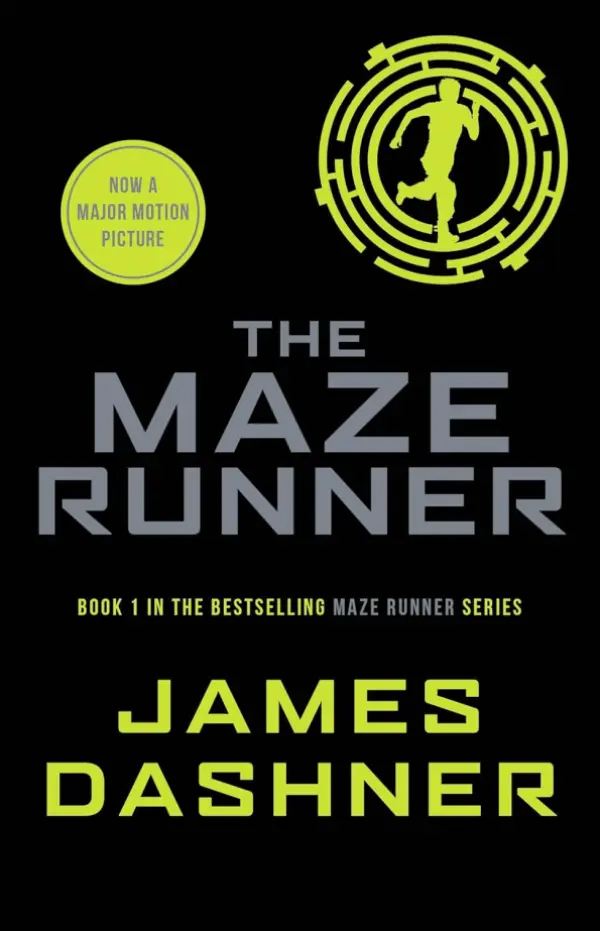
James Dashner
The Maze Runner, book 1
Average Goodreads rating4.5
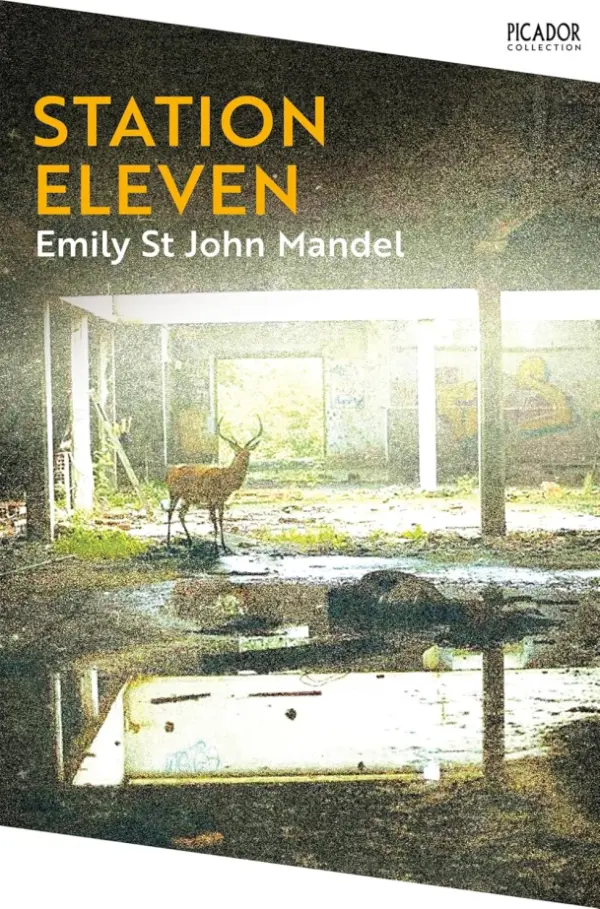
Emily St. John Mandel
Average Goodreads rating4.2
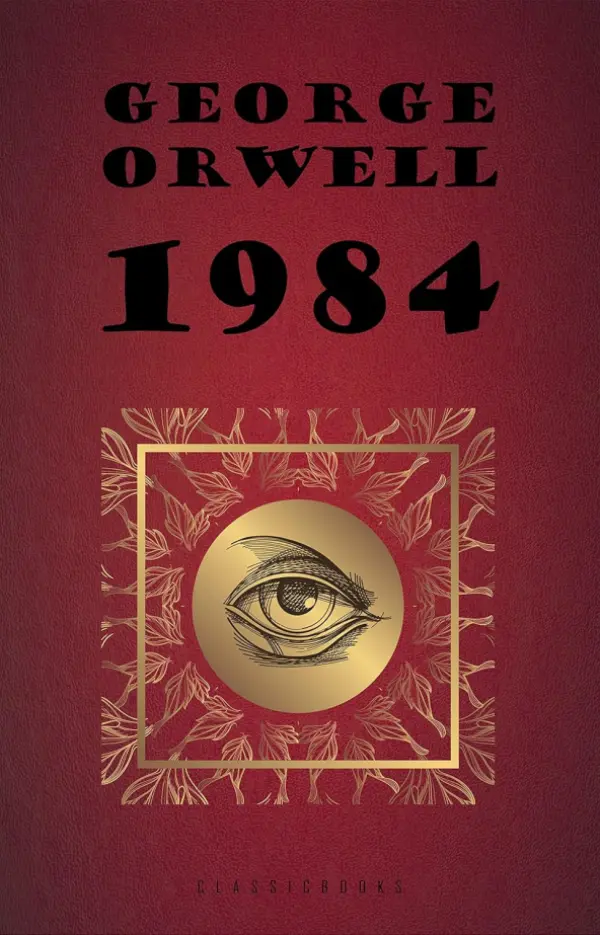
George Orwell
Average Goodreads rating4.4
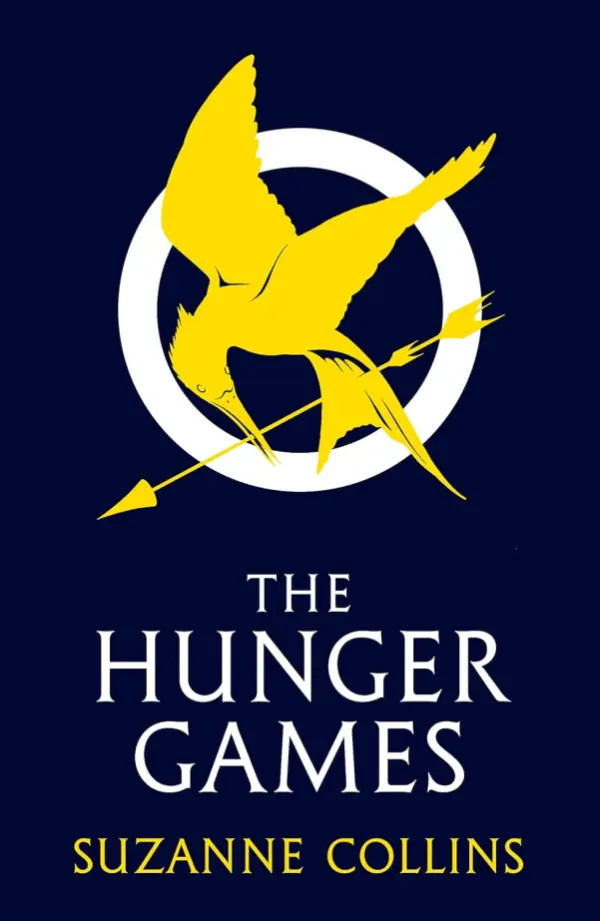
Suzanne Collins
Hunger Games, book 1
Average Goodreads rating4.7
Still Looking?
Further down our similarity list, but still sharing tropes and genres with this book.
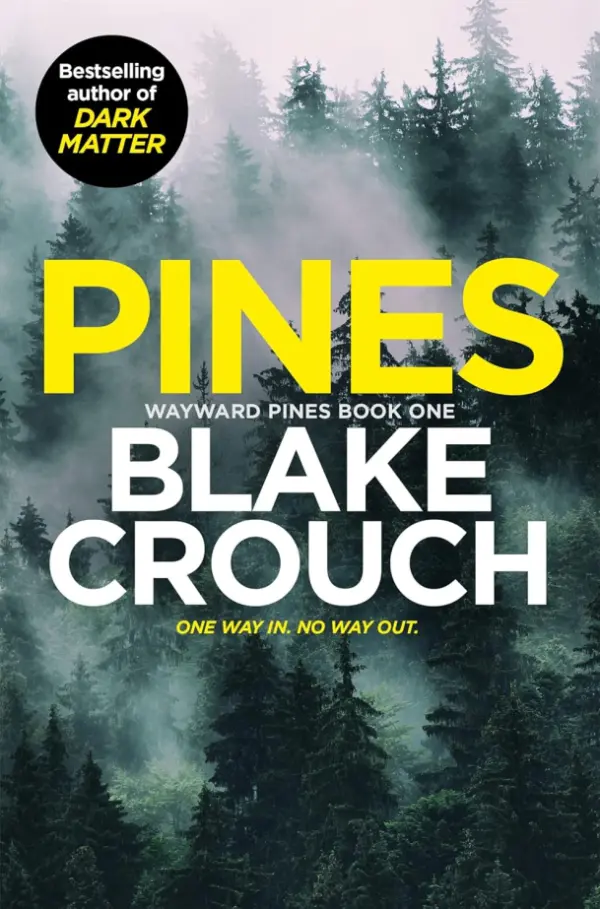
Blake Crouch
The Wayward Pines Trilogy, book 1
Average Goodreads rating4.1
Buy from Amazon (opens Amazon in a new tab)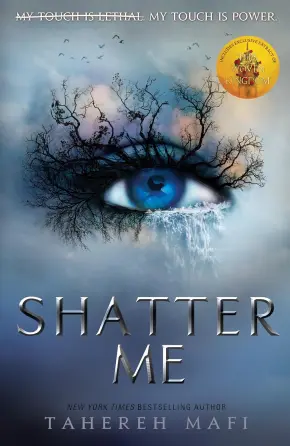
Tahereh Mafi
Shatter Me, book 1
Average Goodreads rating4.2
Buy from Amazon (opens Amazon in a new tab)
Octavia E. Butler
Parable, book 1
Average Goodreads rating4.4
Buy from Amazon (opens Amazon in a new tab)Margaret Atwood is a renowned author of speculative and literary fiction, known for dystopian novels that examine power, gender, technology, and survival.
Books, series and tropes by Margaret AtwoodThe Year Of The Flood
Buy from Amazon (opens Amazon in a new tab)Occasional emails with new recommendations, series news and trope round-ups.