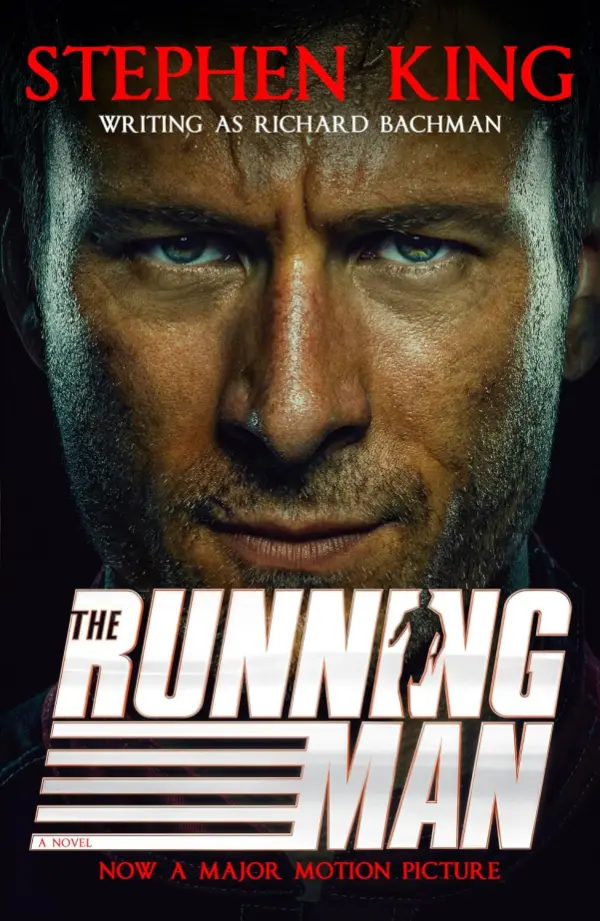
The Running Man
Richard Bachman & Stephen King
Average Goodreads rating4.3
- Dystopian Society
- Survival and Resilience

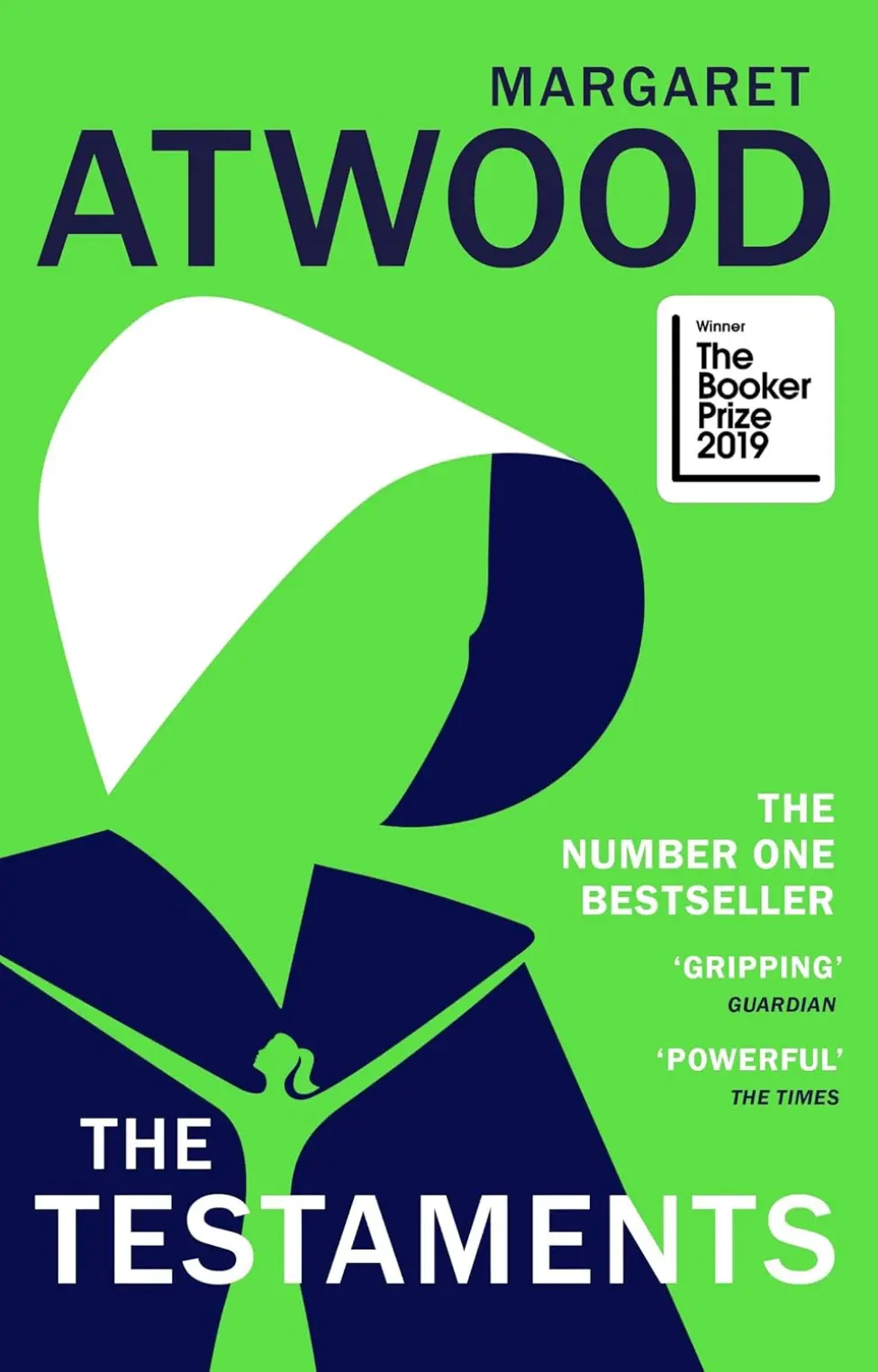
Book 2 in The Handmaid's Tale
We independently select and recommend books. Purchases made through our links may earn us a commission, at no extra cost to you. Prices and availability are set by each retailer.
The Testaments by Margaret Atwood returns to Gilead, revealing how power fractures from within as women’s voices expose the cost of survival and resistance.
Tagged on the series as a whole, so not every book will feature each one.
The Testaments by Margaret Atwood is the long-awaited sequel to The Handmaid’s Tale, expanding the world of Gilead through multiple perspectives and a broader political lens. Set more than fifteen years after the events of the original novel, this dystopian Science Fiction work examines how authoritarian regimes sustain themselves - and how they ultimately begin to collapse.
Told through the interwoven testimonies of three women, the novel shifts away from a single, intimate viewpoint to reveal the internal mechanics of power. One of the narrators is Aunt Lydia, a figure previously seen as a symbol of cruelty and compliance. Through her voice, Atwood explores complicity, survival, and moral compromise, revealing how individuals navigate oppressive systems not only through belief, but through calculation and fear.
The other narrators offer perspectives shaped by youth and awakening. Raised within Gilead’s rigid ideology, they begin to question the truths they have been taught, illustrating how authoritarian control depends on isolation, misinformation, and the suppression of curiosity. Atwood highlights indoctrination versus knowledge, showing how access to information becomes a destabilising force.
A central theme of The Testaments is power’s vulnerability. While Gilead appears rigid and absolute, the novel exposes its internal contradictions - corruption, hypocrisy, and personal ambition eating away at its foundations. Atwood argues that totalitarian systems often fall not only through external rebellion, but through internal rot. Control breeds secrecy, and secrecy breeds fracture.
Language and storytelling remain vital tools. Testimony itself becomes resistance, preserving truth against erasure. Atwood reinforces the idea that history is shaped by who is allowed to speak - and who is silenced. By structuring the novel as recovered documents, she mirrors real historical reckonings, where regimes are understood only after their collapse through fragmented records and survivor accounts.
Unlike The Handmaid’s Tale, which focused on endurance, The Testaments engages more directly with strategic resistance. Survival evolves into subversion. Choices remain dangerous and morally complex, but the novel allows space for agency shaped by patience and long-term vision rather than immediate defiance.
Atwood’s prose remains precise and controlled, balancing emotional distance with sharp insight. The tone is colder and more analytical than its predecessor, reflecting the shift from lived trauma to historical examination. This restraint strengthens the novel’s authority, reinforcing its role as both narrative and warning.
The Testaments is ideal for readers who enjoy Science Fiction that blends dystopian worldbuilding with political and social critique. Thoughtful, unsettling, and incisive, the novel reframes Gilead not just as a site of suffering, but as a system destined to fall - because no regime built on fear can remain unchallenged forever.
Richard Bachman & Stephen King
Average Goodreads rating4.3

Octavia E. Butler
Parable, book 1
Average Goodreads rating4.4
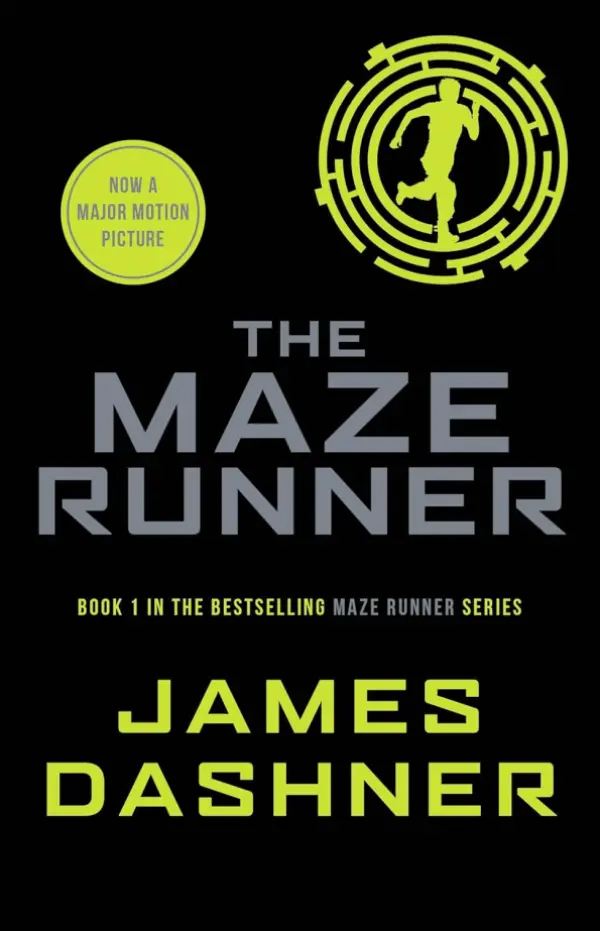
James Dashner
The Maze Runner, book 1
Average Goodreads rating4.5

Blake Crouch
The Wayward Pines Trilogy, book 1
Average Goodreads rating4.1
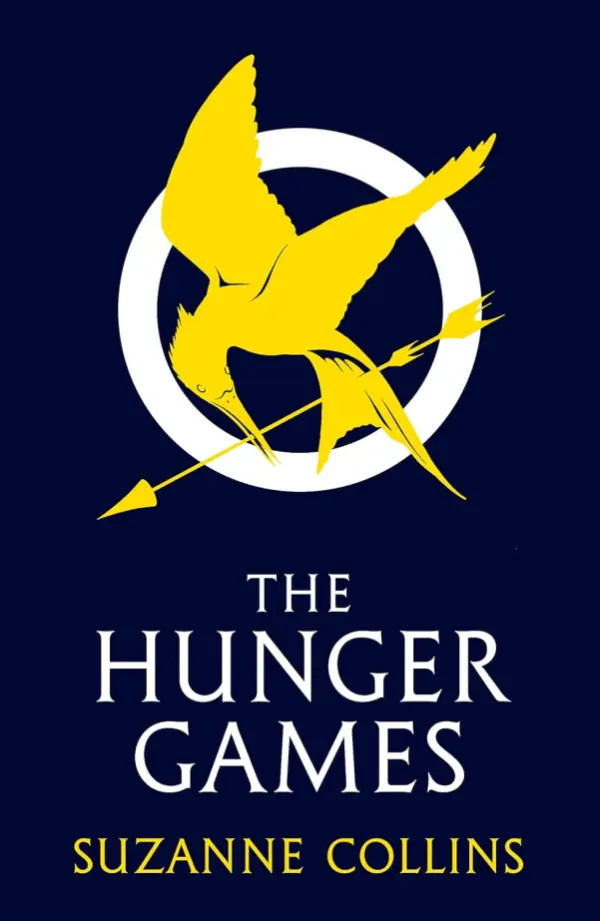
Suzanne Collins
Hunger Games, book 1
Average Goodreads rating4.7
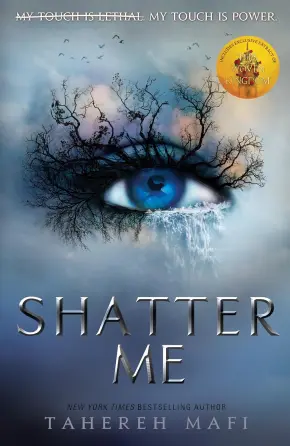
Tahereh Mafi
Shatter Me, book 1
Average Goodreads rating4.2
Still Looking?
Further down our similarity list, but still sharing tropes and genres with this book.

Cormac McCarthy
Average Goodreads rating4.4

Jay Kristoff
LIFEL1K3, book 1
Average Goodreads rating4.3
Buy from Amazon (opens Amazon in a new tab)
Adrian Tchaikovsky
Children of Time, book 1
Average Goodreads rating4.5
Buy from Amazon (opens Amazon in a new tab)Margaret Atwood is a renowned author of speculative and literary fiction, known for dystopian novels that examine power, gender, technology, and survival.
Books, series and tropes by Margaret AtwoodThe Testaments
Buy from Amazon (opens Amazon in a new tab)Occasional emails with new recommendations, series news and trope round-ups.