
The Martian
Andy Weir
Average Goodreads rating4.6
- First-Person POV
- Hard Science Fiction

Book trope · 26 books
Survival is not always dramatic. Sometimes it does not look like outrunning a disaster or outwitting an enemy. Sometimes it looks like getting up again after something has broken you, carrying on through circumstances that have given you every reasonable justification to stop, finding small reasons to continue when the…
More about the Survival and Resilience trope15 are tagged with Survival and Resilience individually. The others belong to a series tagged with it, which doesn’t mean every book in it features the trope, so they’re marked “Matched via its series”.
Updating books…
26 books found
Andy Weir
Average Goodreads rating4.6

Cormac McCarthy
Average Goodreads rating4.4

Cormac McCarthy
Average Goodreads rating4.2
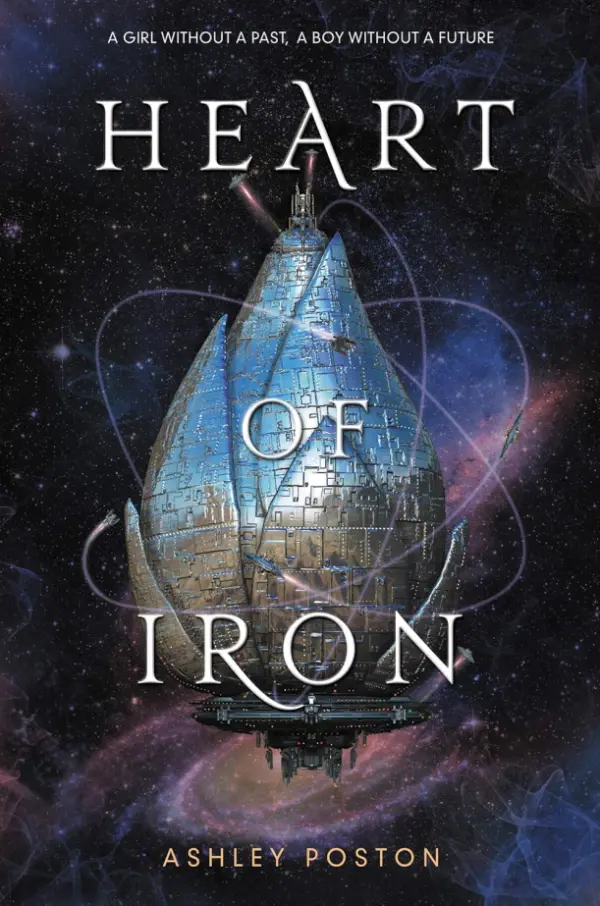
Ashley Poston
Heart of Iron, book 1
Average Goodreads rating3.7
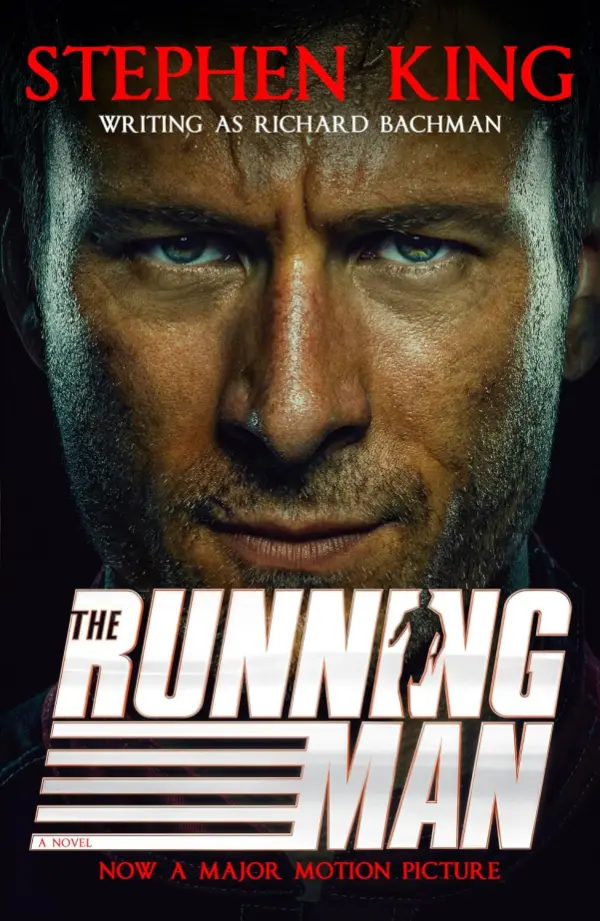
Stephen King & Richard Bachman
Average Goodreads rating4.3
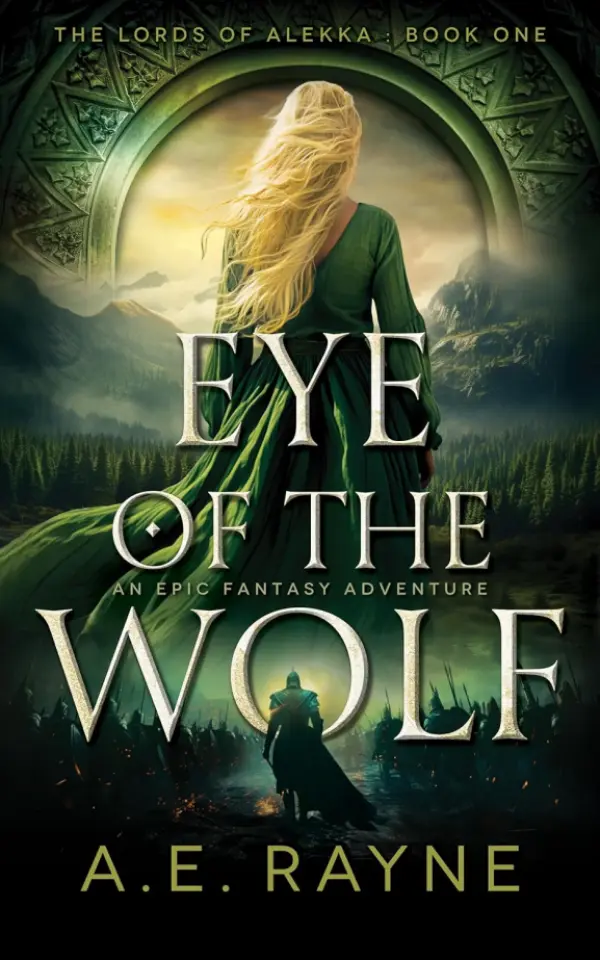
A. E. Rayne
The Lords of Alekka, book 1
Average Goodreads rating4.5

Shari Lapena
Average Goodreads rating3.7
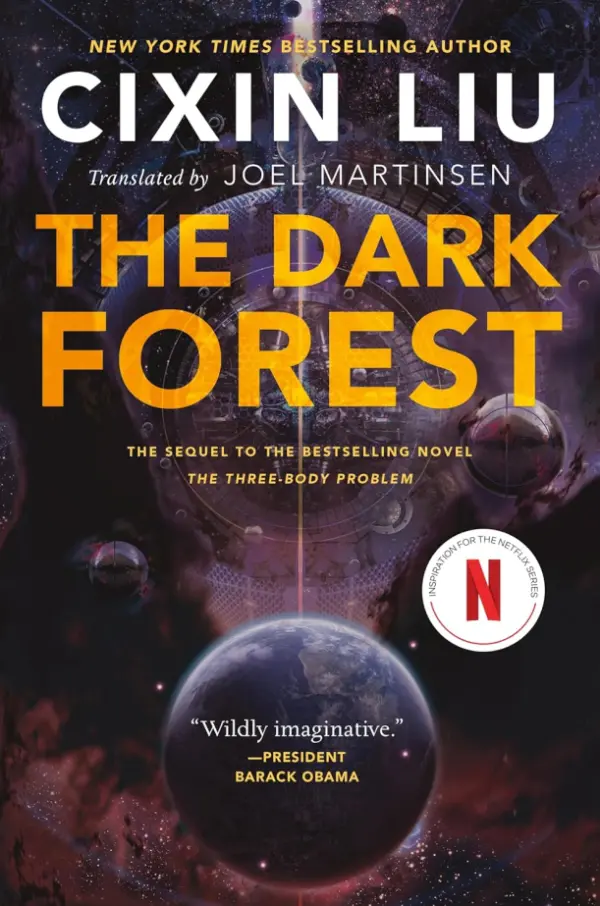
Liu Cixin
The Three-Body Problem, book 2
Average Goodreads rating4.4

Jennifer L. Armentrout
Lux, book 3
Average Goodreads rating4.2
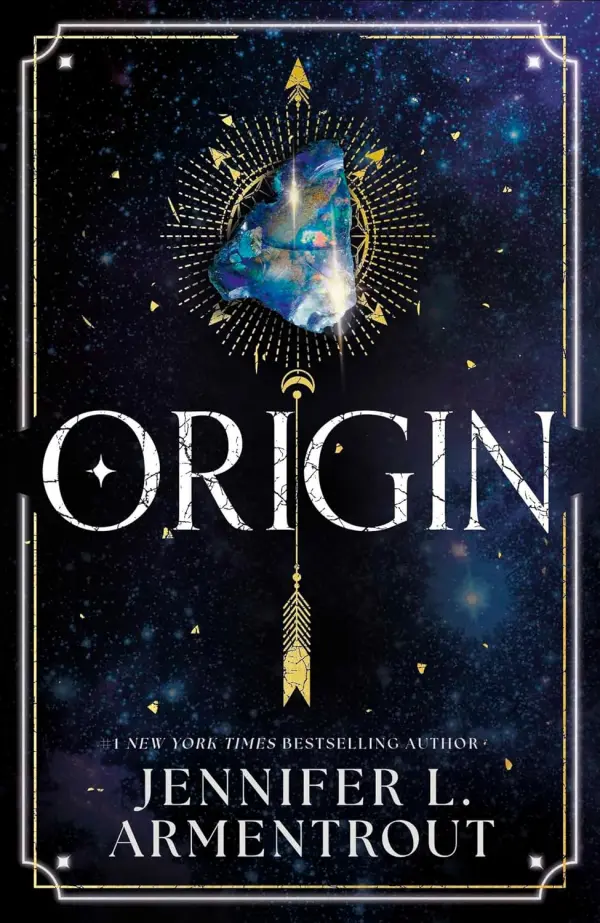
Jennifer L. Armentrout
Lux, book 4
Average Goodreads rating4.3
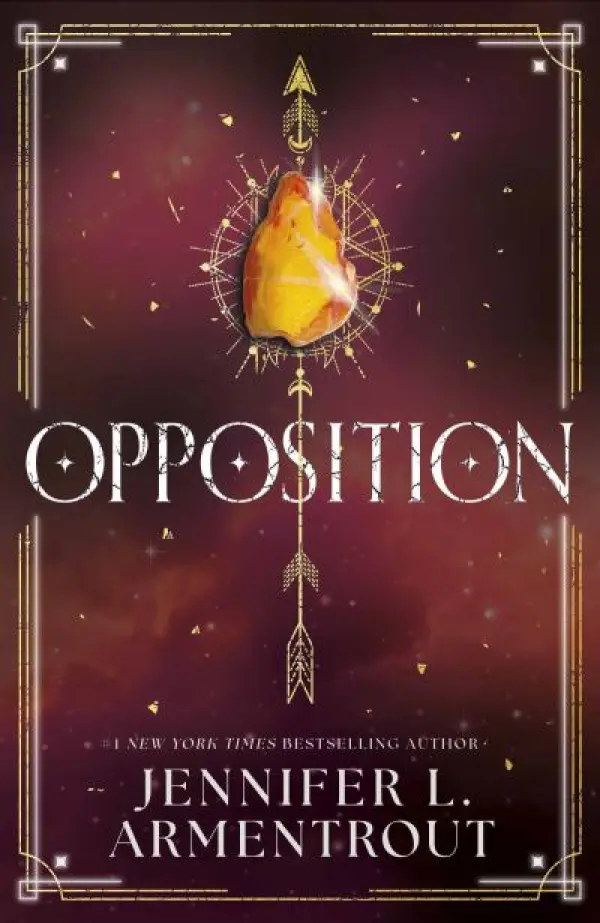
Jennifer L. Armentrout
Lux, book 5
Average Goodreads rating4.2
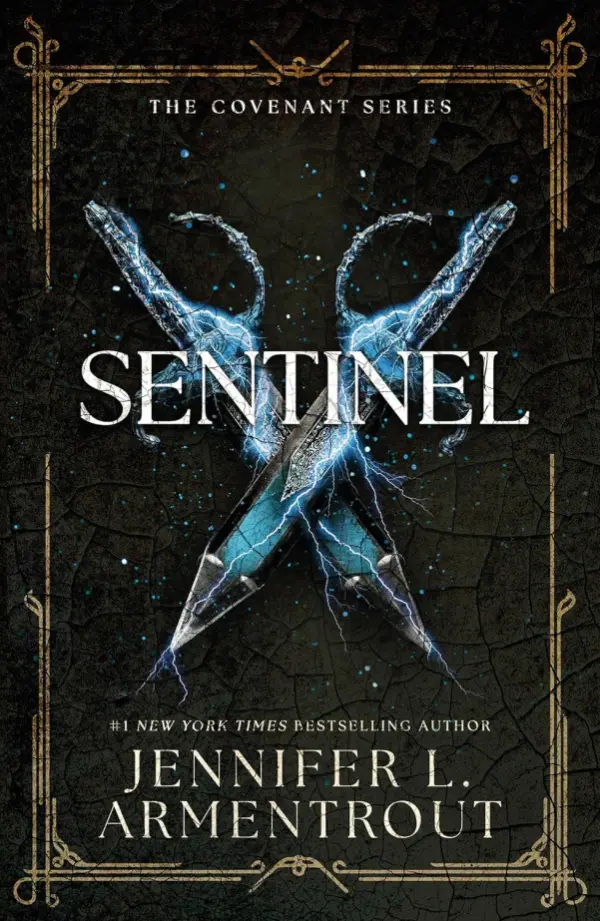
Jennifer L. Armentrout
Covenant, book 5
Average Goodreads rating4.4
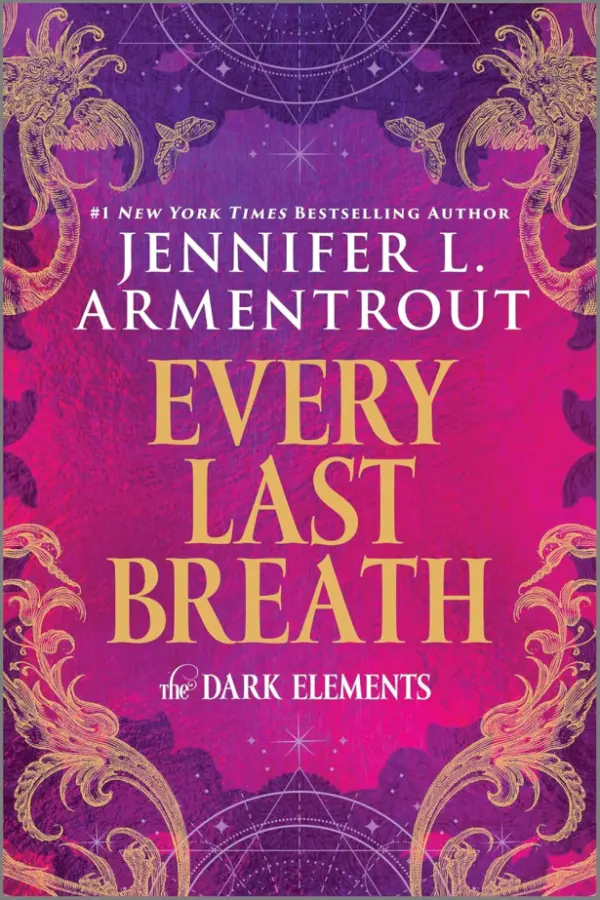
Jennifer L. Armentrout
The Dark Elements, book 3
Average Goodreads rating4.3
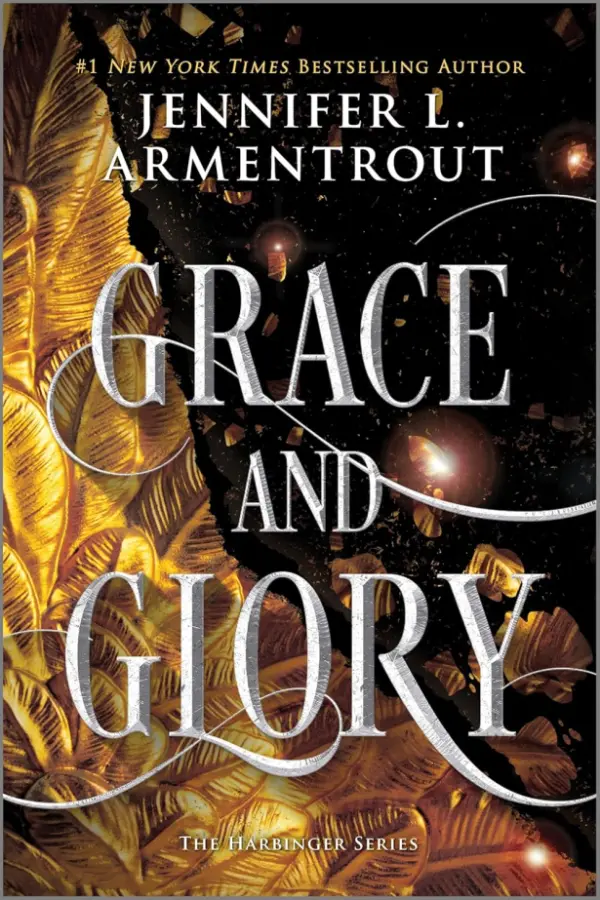
Jennifer L. Armentrout
Harbinger, book 3
Average Goodreads rating4.4
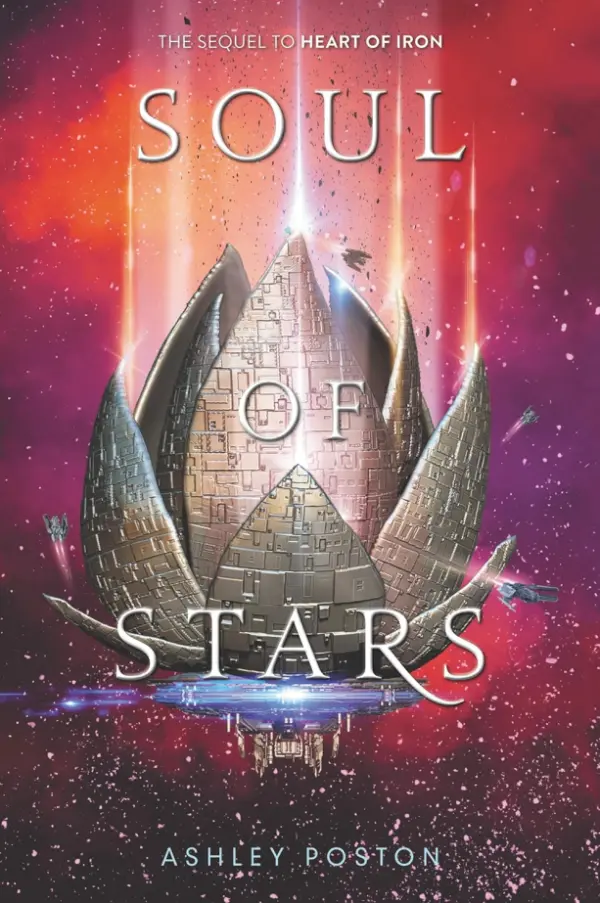
Ashley Poston
Heart of Iron, book 2
Average Goodreads rating4.0
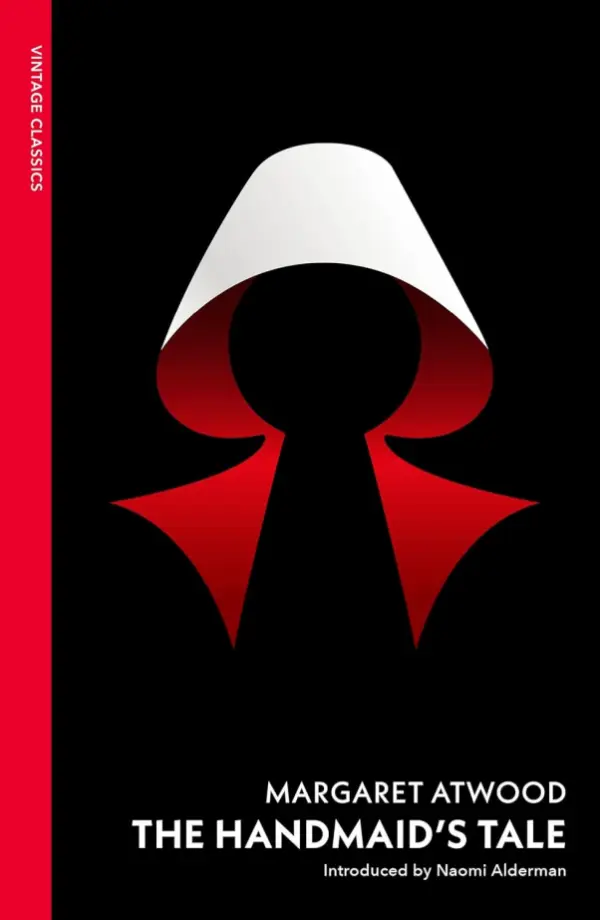
Margaret Atwood
The Handmaid's Tale, book 1
Average Goodreads rating4.4
Matched via its series

Adrian Tchaikovsky
Children of Time, book 1
Average Goodreads rating4.5
Matched via its series

Blake Crouch
The Wayward Pines Trilogy, book 1
Average Goodreads rating4.1
Matched via its series

Octavia E. Butler
Parable, book 1
Average Goodreads rating4.4
Matched via its series
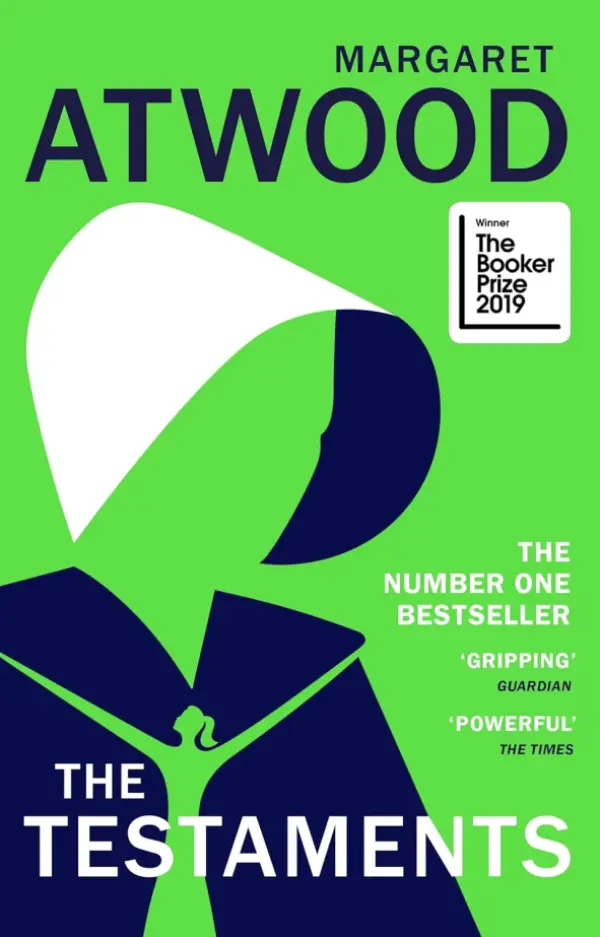
Margaret Atwood
The Handmaid's Tale, book 2
Average Goodreads rating4.6
Matched via its series
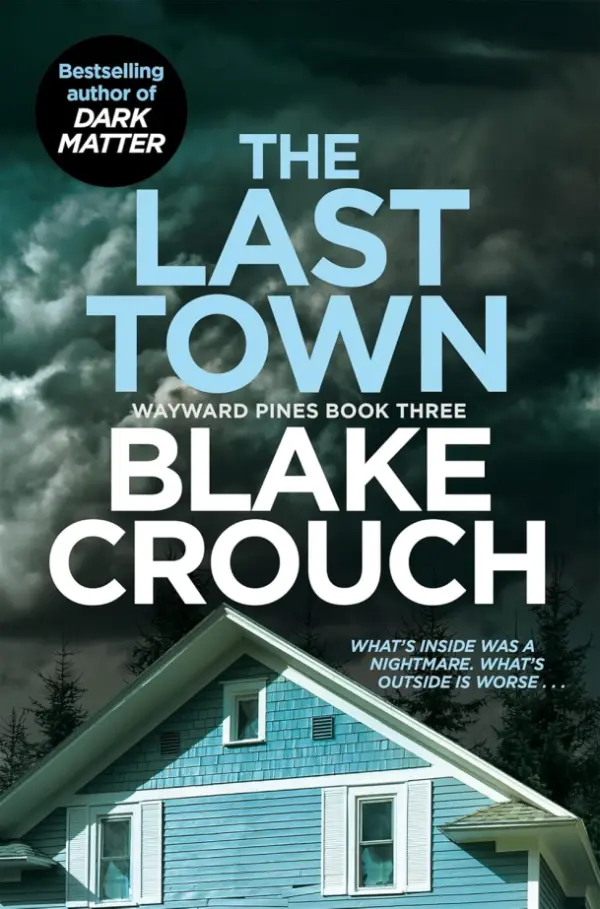
Blake Crouch
The Wayward Pines Trilogy, book 3
Average Goodreads rating4.4
Matched via its series

Blake Crouch
The Wayward Pines Trilogy, book 2
Average Goodreads rating4.4
Matched via its series

Adrian Tchaikovsky
Children of Time, book 2
Average Goodreads rating4.3
Matched via its series

Octavia E. Butler
Parable, book 2
Average Goodreads rating4.5
Matched via its series

Adrian Tchaikovsky
Children of Time, book 3
Average Goodreads rating4.2
Matched via its series

Adrian Tchaikovsky
Children of Time, book 4
Matched via its series
Tropes that share the most books with Survival and Resilience
Survival is not always dramatic. Sometimes it does not look like outrunning a disaster or outwitting an enemy. Sometimes it looks like getting up again after something has broken you, carrying on through circumstances that have given you every reasonable justification to stop, finding small reasons to continue when the large ones have been taken away. The Survival and Resilience trope is broader and quieter than pure action-driven survival stories. It is about endurance as a form of courage - the kind that does not announce itself, that accumulates in small increments, and that is no less remarkable for being invisible to everyone watching.
Where High-Stakes Survival is defined by immediate, physical threat, Survival and Resilience is defined by sustained adversity - and a character's capacity to absorb it without being permanently destroyed. The adversity might be physical, but it is just as often emotional, psychological, or systemic. A character who has lost everything and must rebuild. A person navigating a world structured against them. Someone carrying grief, trauma, or damage that would be entirely understandable to collapse under, who finds - not easily, not without cost - a way to keep going. What defines this trope is not triumph but persistence: the choice, made repeatedly and without guarantee of reward, to continue.
Resilience stories resonate because they honour something that often goes unacknowledged: that continuing, in itself, takes courage. Fiction that centres the act of endurance - rather than the spectacular moment of victory - speaks to readers who know what sustained difficulty actually feels like, and who rarely see it reflected back at them with the weight it deserves. There is also something profoundly hopeful about this trope, even at its darkest. A character who survives is a character who insists, by their continued existence, that the story is not over. Readers are drawn to that insistence. It feels, in the best possible way, like a refusal.
These narratives rarely move in straight lines. Progress is made and then undone. Characters find stability and lose it again. What drives the story forward is not momentum toward a fixed destination but the accumulating texture of a life lived under pressure - the small victories, the setbacks, the relationships that sustain and the ones that fracture, the moments of genuine rest that feel precarious because the reader knows they cannot last. The emotional arc tends to be long and nonlinear, which is precisely what makes the moments of genuine forward movement land so hard. Resilience is not a single act. It is a pattern, built one difficult day at a time.
The Survival and Resilience trope endures because it tells the truth about difficulty in a way that more triumphant narratives sometimes cannot. It does not promise that things will work out, or that suffering produces wisdom in proportion to its severity, or that endurance is always rewarded. It simply shows a person continuing - and insists that this is worth the story's full attention. In doing so, it offers readers something rarer than escapism: recognition. The acknowledgement that what they have already survived, quietly and without fanfare, is its own form of extraordinary. You did not stop. That was never nothing.
Occasional emails with new recommendations, series news and trope round-ups.