Blood Over Bright Haven
Average Goodreads rating4.4
- Systemic Injustice
- Political Conspiracy & Corruption

Author · American
M. L. Wang is a fantasy author known for emotionally intense stories exploring war, family, grief, and the devastating cost of power and tradition.
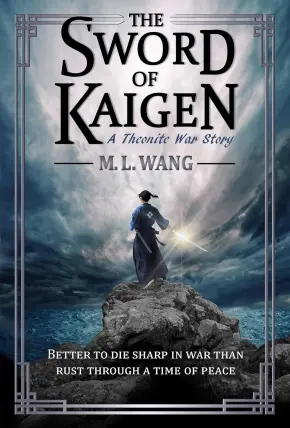
New to M. L. Wang? A popular place to start
The Sword of Kaigen by M. L. Wang is a devastating epic fantasy about war, family, grief, and the brutal cost of honour, tradition, and power.
Picked from M. L. Wang’s most widely rated books on Goodreads, starting at the beginning of its series.
Retailer links may earn Trope Trove a commission, at no extra cost to you.
Not part of a series listed on Trope Trove
Average Goodreads rating4.4
Average Goodreads rating4.6
M. L. Wang is a fantasy author celebrated for writing emotionally devastating, character-driven stories that blend epic fantasy with intimate human conflict. Her work is widely praised for its exploration of grief, family, war, and the crushing weight of tradition, delivering stories that linger long after the final page.
Wang is best known for The Sword of Kaigen, a standalone epic fantasy that has become a modern classic among readers seeking powerful emotional storytelling. Set in a rigid, isolationist society defined by martial honour and elemental magic, the novel examines how nationalism, tradition, and war shape both nations and families. Rather than focusing solely on battlefield heroics, Wang centres her narrative on personal loss, parental love, and the quiet devastation of choices made in the name of duty.
A defining strength of Wang’s writing is her focus on family dynamics, particularly the bond between parents and children. Conflict is rarely external alone; it is rooted in expectations, silence, and inherited belief systems. Love exists, but it is often constrained by cultural pressure and fear of vulnerability. This approach gives her stories emotional realism that elevates them beyond conventional epic fantasy.
Themes of war and its aftermath run throughout Wang’s work. Violence is not glorified - it is sudden, overwhelming, and permanently altering. Characters are shaped by trauma, loss, and guilt, and healing is portrayed as incomplete and nonlinear. Wang is unafraid to sit with discomfort, allowing grief and rage to coexist without offering easy resolution.
In Blood Over Bright Haven, Wang further explores power, morality, and systemic injustice, shifting toward a darker, more politically charged narrative. Here, magic becomes a tool of oppression rather than wonder, and intellectual ambition collides with ethical responsibility. The novel reinforces Wang’s interest in how institutions perpetuate harm - and how individuals justify participation within them.
Wang’s prose is precise, immersive, and emotionally raw. She balances quiet introspection with moments of explosive action, ensuring that spectacle always serves character rather than overshadowing it. Her pacing allows emotional beats to land fully, giving readers space to process devastation alongside her characters.
Morality in Wang’s stories is complex. Characters are rarely wholly right or wrong; they are shaped by circumstance, love, fear, and tradition. Morally grey choices dominate her narratives, reinforcing the idea that survival and loyalty often demand compromise.
M. L. Wang’s work is ideal for readers who enjoy Fantasy that prioritises emotional depth over escapism. Her stories confront uncomfortable truths about power, family, and identity, offering catharsis without comfort. Unflinching, compassionate, and deeply human, her novels stand as powerful reminders that the most devastating battles are often fought within the heart.

R. F. Kuang
The Poppy War, book 1
Average Goodreads rating4.3
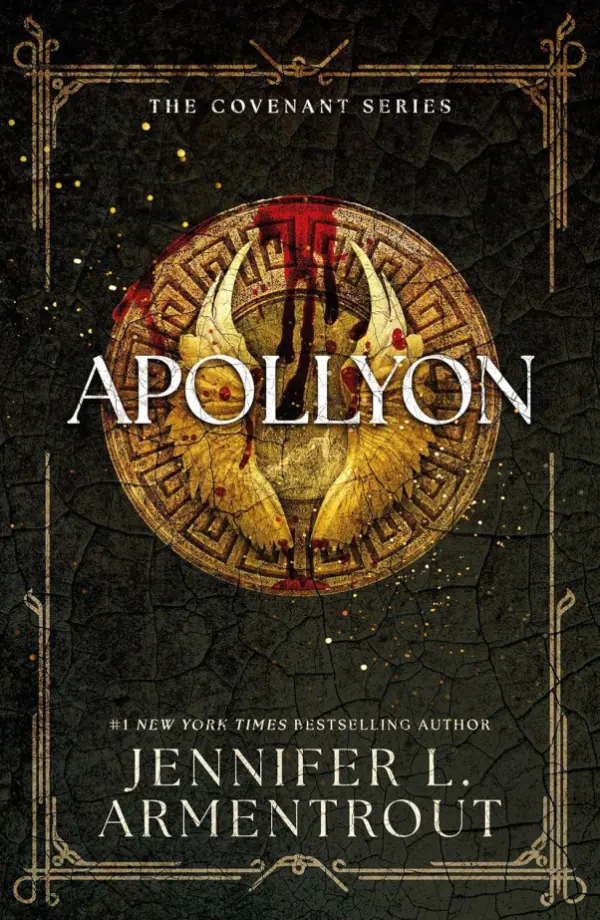
Jennifer L. Armentrout
Covenant, book 4
Average Goodreads rating4.3
Jennifer L. Armentrout
A Wicked Trilogy, book 2
Average Goodreads rating4.3
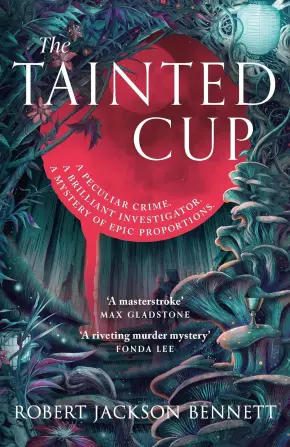
Robert Jackson Bennett
Shadow of the Leviathan, book 1
Average Goodreads rating4.6

N. K. Jemisin
The Broken Earth, book 1
Average Goodreads rating4.4

Evan Winter
The Burning, book 1
Average Goodreads rating4.4
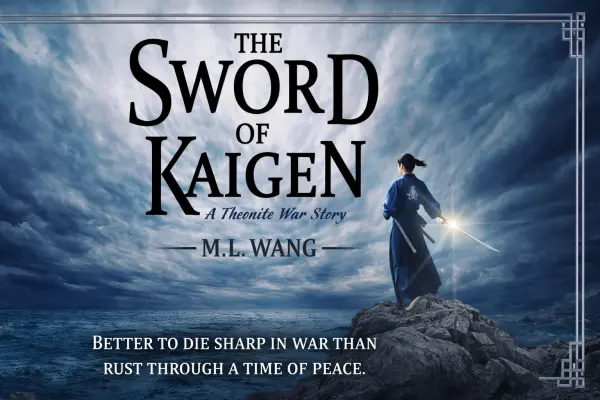
If The Sword of Kaigen shattered you with its blend of war, family, honour, and loss, these epic fantasy books deliver the same emotional devastation, cultural depth, and unforgettable character-driven storytelling.
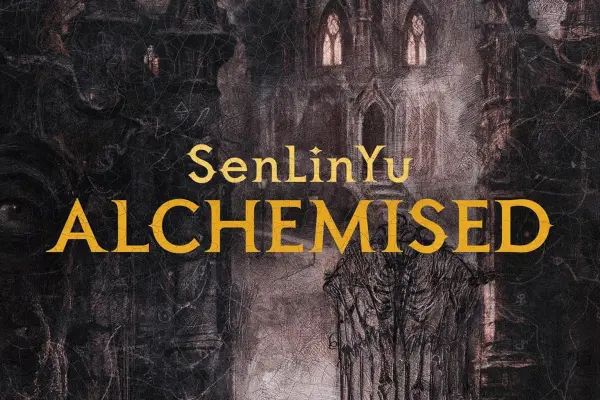
If Alchemised by SenLinYu shattered you emotionally, these dark fantasy books deliver the same mix of war, trauma, morally grey love, and haunting magic - perfect for readers wondering what to read next.
Occasional emails with new recommendations, series news and trope round-ups.