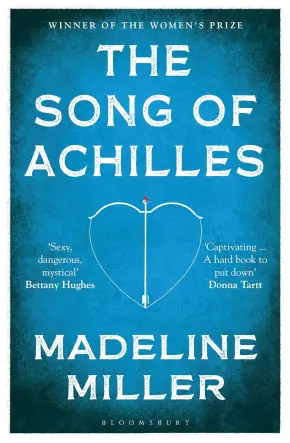
The Song of Achilles
Madeline Miller
Average Goodreads rating4.5
- Morally Grey Characters
- Fated Mates

Book trope · 14 books
War in fantasy and romance fiction can be many things — glory, sacrifice, a backdrop for grand heroics. But the Brutality of War trope refuses that comfortable distance.
More about the Brutality of War trope3 are tagged with Brutality of War individually. The others belong to a series tagged with it, which doesn’t mean every book in it features the trope, so they’re marked “Matched via its series”.
Updating books…
14 books found
Madeline Miller
Average Goodreads rating4.5
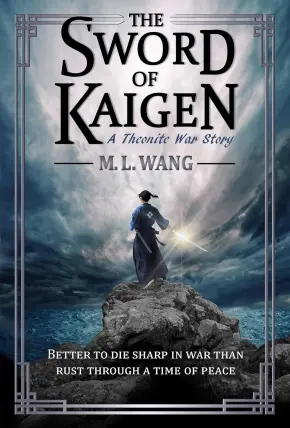
M. L. Wang
Average Goodreads rating4.6
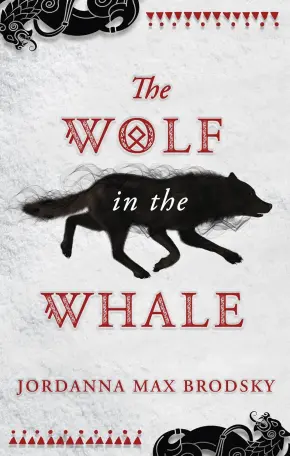
Jordanna Max Brodsky
Average Goodreads rating4.4

George R. R. Martin
A Song of Ice and Fire, book 1
Average Goodreads rating4.7
Matched via its series
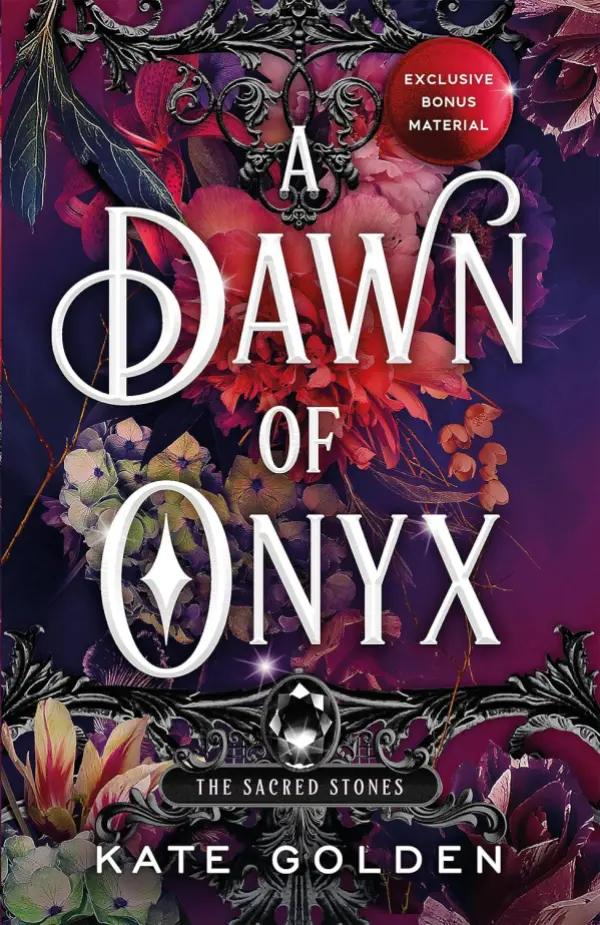
Kate Golden
Sacred Stones, book 1
Average Goodreads rating4.3
Matched via its series

R. F. Kuang
The Poppy War, book 1
Average Goodreads rating4.3
Matched via its series

George R. R. Martin
A Song of Ice and Fire, book 5
Average Goodreads rating4.6
Matched via its series

George R. R. Martin
A Song of Ice and Fire, book 2
Average Goodreads rating4.6
Matched via its series

George R. R. Martin
A Song of Ice and Fire, book 4
Average Goodreads rating4.5
Matched via its series

George R. R. Martin
A Song of Ice and Fire, book 3
Average Goodreads rating4.7
Matched via its series
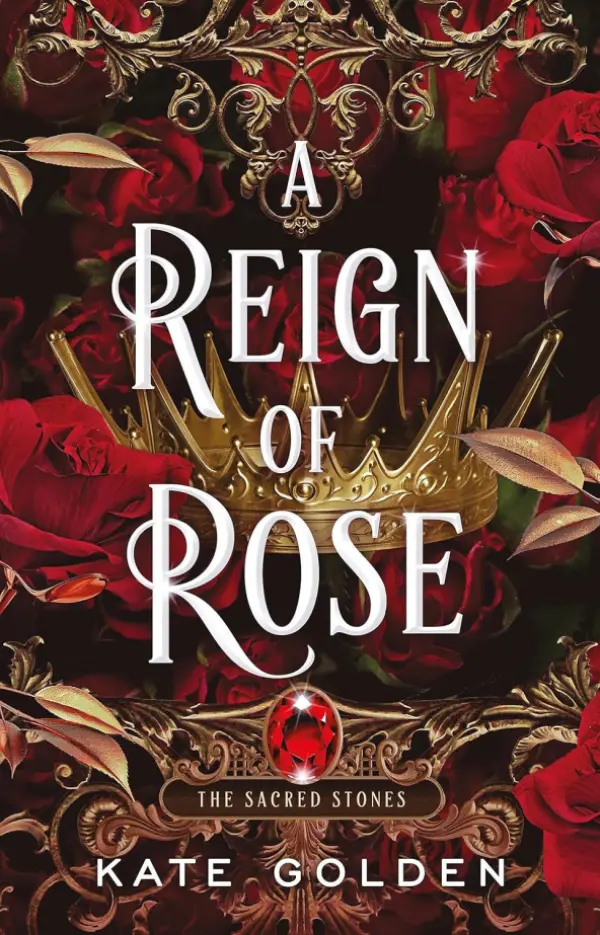
Kate Golden
Sacred Stones, book 3
Average Goodreads rating4.3
Matched via its series
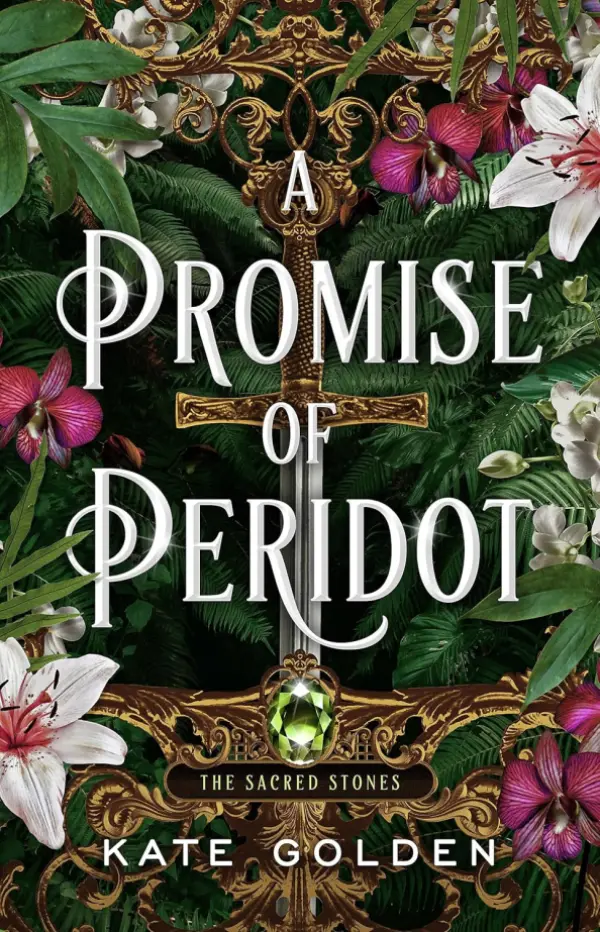
Kate Golden
Sacred Stones, book 2
Average Goodreads rating4.3
Matched via its series

R. F. Kuang
The Poppy War, book 3
Average Goodreads rating4.4
Matched via its series

R. F. Kuang
The Poppy War, book 2
Average Goodreads rating4.5
Matched via its series
Tropes that share the most books with Brutality of War
War in fantasy and romance fiction can be many things — glory, sacrifice, a backdrop for grand heroics. But the Brutality of War trope refuses that comfortable distance. It insists on showing the cost. The mud and the blood, the friends who don't come home, the soldiers who do but aren't quite the same people they were before. This trope is defined by its refusal to romanticise conflict, even when conflict is unavoidable at the heart of the story.
Readers are drawn to it precisely because it feels honest. There's a kind of emotional trust that forms when a story doesn't look away.
The clearest marker of this trope is consequence. Battles aren't clean. Victories aren't uncomplicated. Characters carry psychological weight from the things they've done or witnessed, and the narrative respects that weight rather than resolving it too quickly. Physical injury, moral compromise, survivor's guilt — these aren't passing details, they're part of the fabric of who characters become.
It also tends to interrogate the structures that send people to war in the first place. Kings and generals who never hold a sword themselves, ideologies that look nobler from a distance, the gap between the story a nation tells about its wars and what actually happened on the ground. The trope has a political conscience, even when it's wrapped inside a story about dragons or rival kingdoms.
In grimdark fantasy, Brutality of War is practically foundational — the genre's entire identity rests on a refusal of easy heroism. But it appears just as meaningfully in epic fantasy that might otherwise seem more traditional, where a single well-placed chapter from a foot soldier's perspective can reframe everything. Romance novels set against wartime backdrops use it differently: the brutality becomes context for what the central relationship is being forged against, making intimacy and survival feel genuinely precarious rather than inevitable.
There's also a quieter version that emerges in the aftermath — stories set not during a war but in its wreckage, where the trope lives in veterans struggling to return to ordinary life, in cities that still bear scars, in the generational grief that doesn't end when the fighting does.
Fiction that takes the brutality of war seriously doesn't do so to depress the reader. It does so because these stories carry a different kind of hope — one that has been tested, that knows what it's standing against. Characters who've seen the worst and still choose compassion or love or justice feel genuinely earned rather than convenient. The darkness isn't wallowing. It's the thing that gives everything else its weight.
War stories that don't flinch are, ultimately, stories about what survives.
Occasional emails with new recommendations, series news and trope round-ups.