
The Poppy War
R. F. Kuang
The Poppy War, book 1
Average Goodreads rating4.3

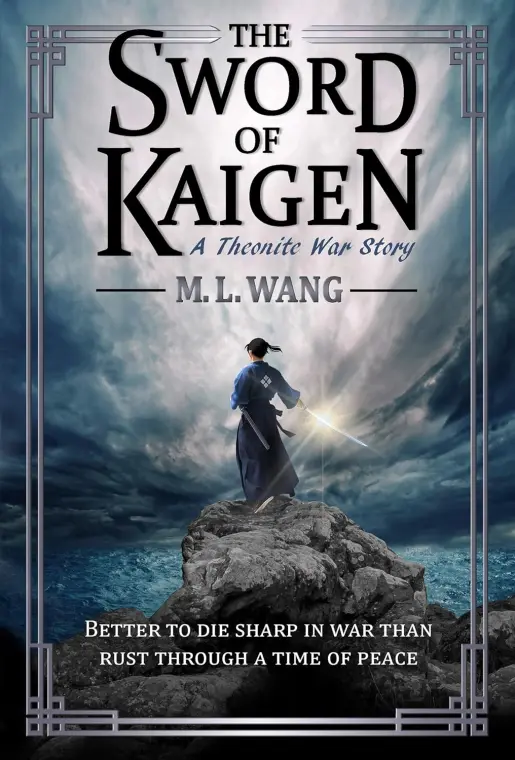
by M. L. Wang
We independently select and recommend books. Purchases made through our links may earn us a commission, at no extra cost to you. Prices and availability are set by each retailer.
The Sword of Kaigen by M. L. Wang is a devastating epic fantasy about war, family, grief, and the brutal cost of honour, tradition, and power.
The Sword of Kaigen by M. L. Wang is a standalone epic fantasy renowned for its emotional intensity and unflinching examination of war, family, and cultural tradition. Set in the isolated mountain peninsula of Kaigen, the novel explores what happens when long-held beliefs collide with the devastating reality of modern warfare.
Kaigen is a proud, insular society defined by honour, nationalism, and mastery of elemental magic - particularly ice and lightning. Its people believe themselves protected by tradition and martial strength, clinging to the idea that the world beyond their borders is inferior and dangerous. This illusion of safety is shattered when war arrives not as a distant concept, but as an overwhelming and merciless force.
At the heart of the story is the Matsuda family, whose lives embody Kaigen’s rigid values. The narrative centres on Misaki Matsuda, a mother whose past as a prodigious warrior has been buried beneath expectation, marriage, and silence. Alongside her is her son Mamoru, raised to believe that honour and strength define worth. Their relationship becomes the emotional core of the novel, revealing how love, expectation, and tradition can both protect and destroy.
One of the novel’s defining strengths is its portrayal of war and its aftermath. Violence is sudden, catastrophic, and irrevocable. Wang refuses to romanticise battle; instead, she depicts war as a force that annihilates certainty, reshapes identity, and leaves permanent scars. Heroism is not triumphant - it is costly and often meaningless in the face of loss.
Themes of family and generational trauma run throughout the story. The Matsudas are bound by love, duty, and unspoken regret, illustrating how traditions are inherited alongside pain. Wang examines how silence and expectation can be just as damaging as open cruelty, particularly within rigid cultural systems.
The novel also interrogates nationalism and isolationism, exposing how myths of superiority and purity are sustained through fear and misinformation. As Kaigen’s worldview collapses, characters are forced to confront uncomfortable truths about power, history, and responsibility.
Wang’s prose balances intimate introspection with moments of explosive action. Emotional beats are given space to breathe, allowing grief and anger to coexist without resolution. The pacing is deliberate, ensuring that devastation is fully felt rather than rushed past.
The Sword of Kaigen is ideal for readers who enjoy Fantasy that prioritises emotional depth over spectacle. Powerful, heartbreaking, and unforgettable, the novel stands as a meditation on love, loss, and the painful cost of believing too strongly in the stories we tell ourselves.
R. F. Kuang
The Poppy War, book 1
Average Goodreads rating4.3
Jennifer L. Armentrout
A Wicked Trilogy, book 2
Average Goodreads rating4.3

Brandon Sanderson
The Stormlight Archive, book 1
Average Goodreads rating4.7

Leigh Bardugo
Alex Stern, book 1
Average Goodreads rating4.3

George R. R. Martin
A Song of Ice and Fire, book 1
Average Goodreads rating4.7

N. K. Jemisin
The Broken Earth, book 1
Average Goodreads rating4.4
Still Looking?
Further down our similarity list, but still sharing tropes and genres with this book.
Madeline Miller
Average Goodreads rating4.5
Tracy Deonn
The Legendborn Cycle, book 1
Average Goodreads rating4.5
Buy from Amazon (opens Amazon in a new tab)
Jordanna Max Brodsky
Average Goodreads rating4.4
M. L. Wang is a fantasy author known for emotionally intense stories exploring war, family, grief, and the devastating cost of power and tradition.
Books, series and tropes by M. L. Wang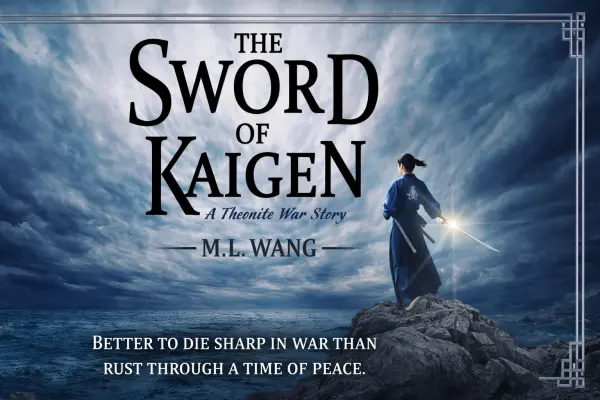
If The Sword of Kaigen shattered you with its blend of war, family, honour, and loss, these epic fantasy books deliver the same emotional devastation, cultural depth, and unforgettable character-driven storytelling.
The Sword of Kaigen
Buy from Amazon (opens Amazon in a new tab)Occasional emails with new recommendations, series news and trope round-ups.