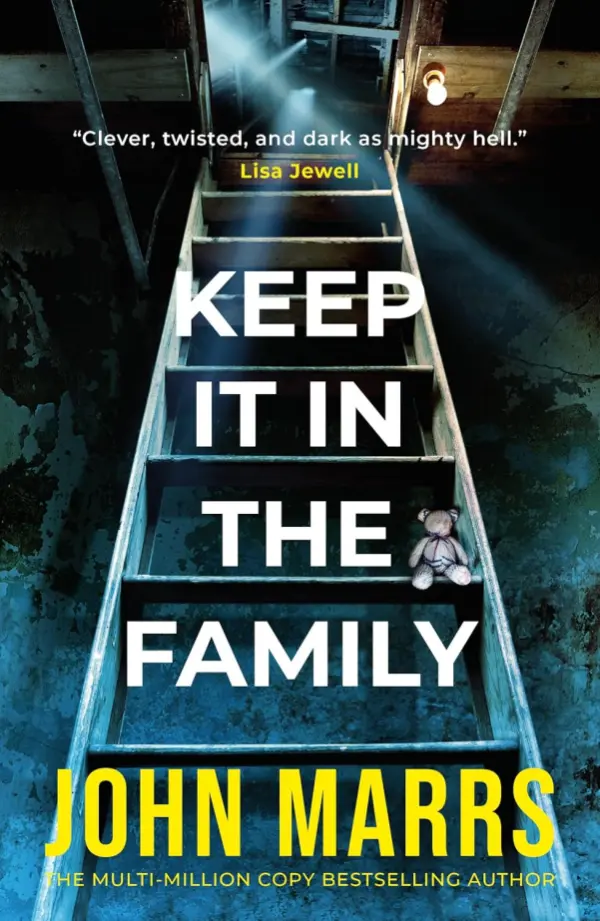
Keep It in the Family
John Marrs
Average Goodreads rating4.1
- Multiple POV
- Deception

Book trope · 30 books
Nobody arrives at the start of a story empty. Every protagonist carries something - history, habit, the accumulated shape of what has happened to them.
More about the Protagonist with Trauma trope10 are tagged with Protagonist with Trauma individually. The others belong to a series tagged with it, which doesn’t mean every book in it features the trope, so they’re marked “Matched via its series”.
Updating books…
30 books found
John Marrs
Average Goodreads rating4.1
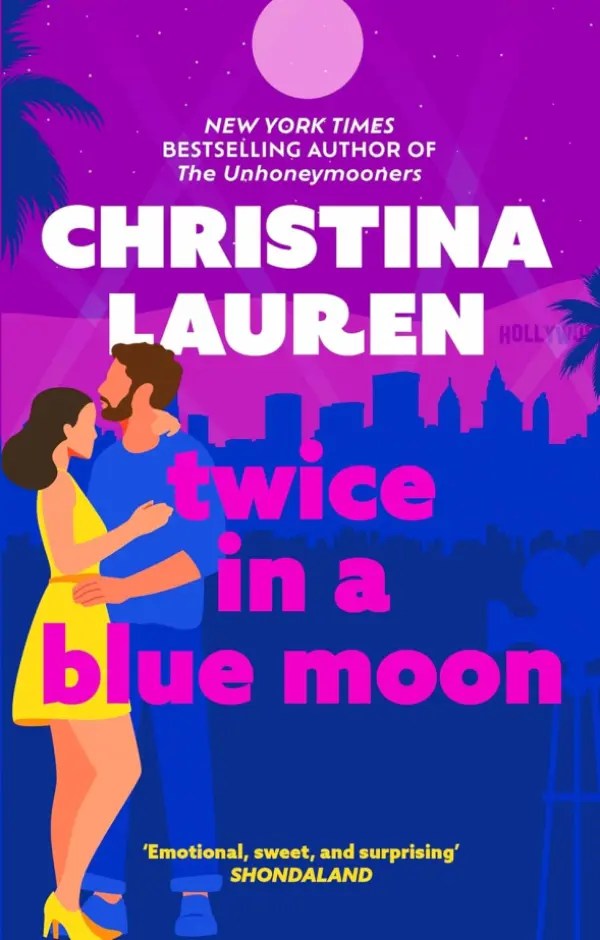
Christina Lauren
Average Goodreads rating3.6

Mary Kubica
Average Goodreads rating3.7
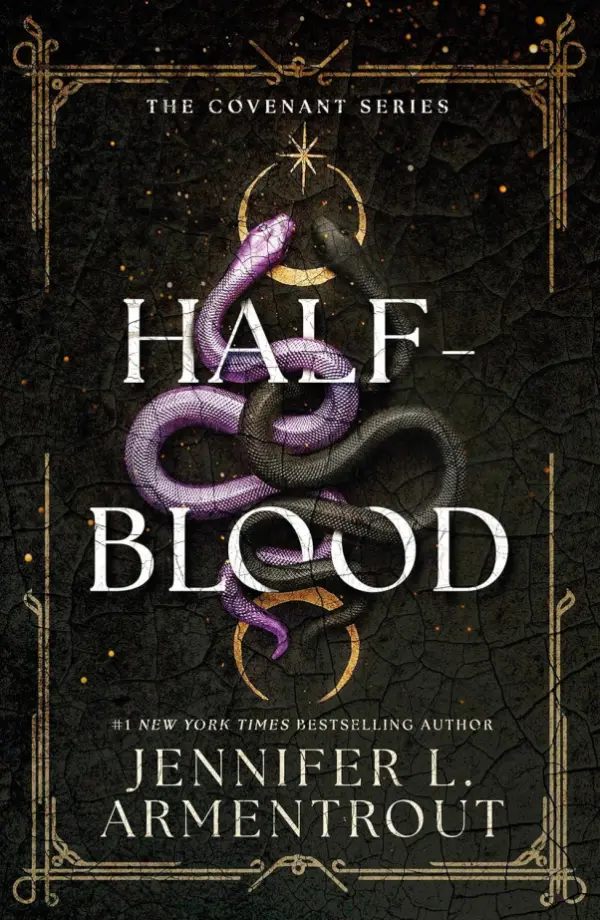
Jennifer L. Armentrout
Covenant, book 1
Average Goodreads rating4.1
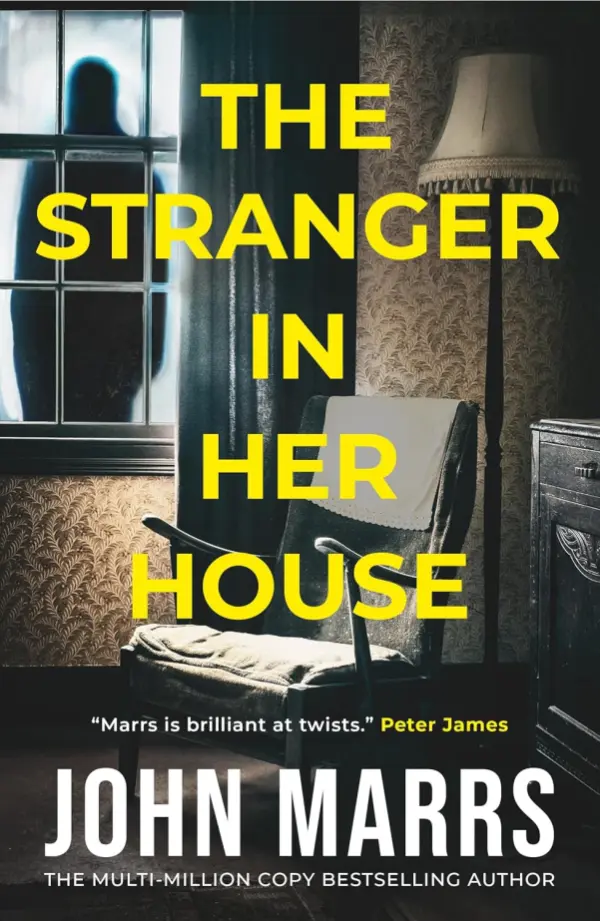
John Marrs
Average Goodreads rating3.9
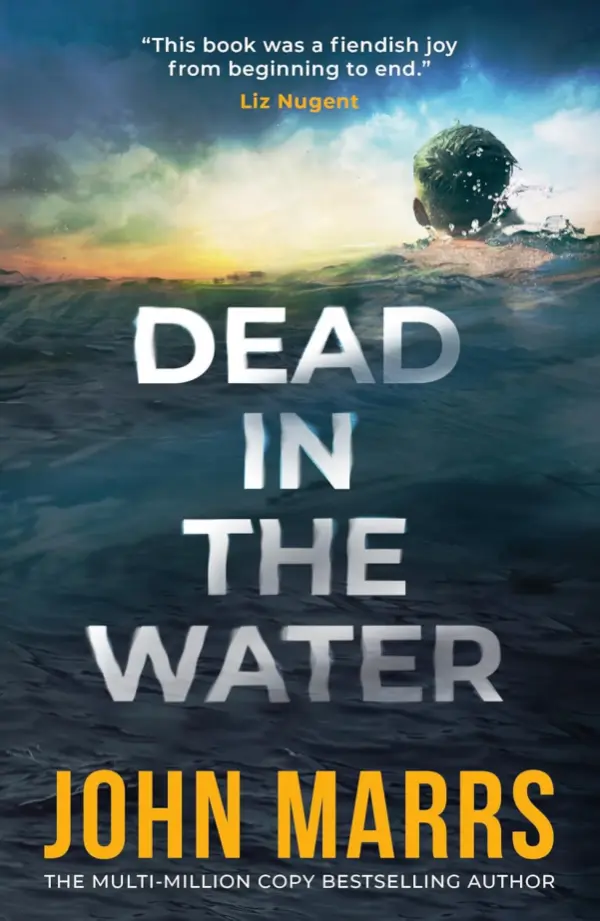
John Marrs
Average Goodreads rating3.9
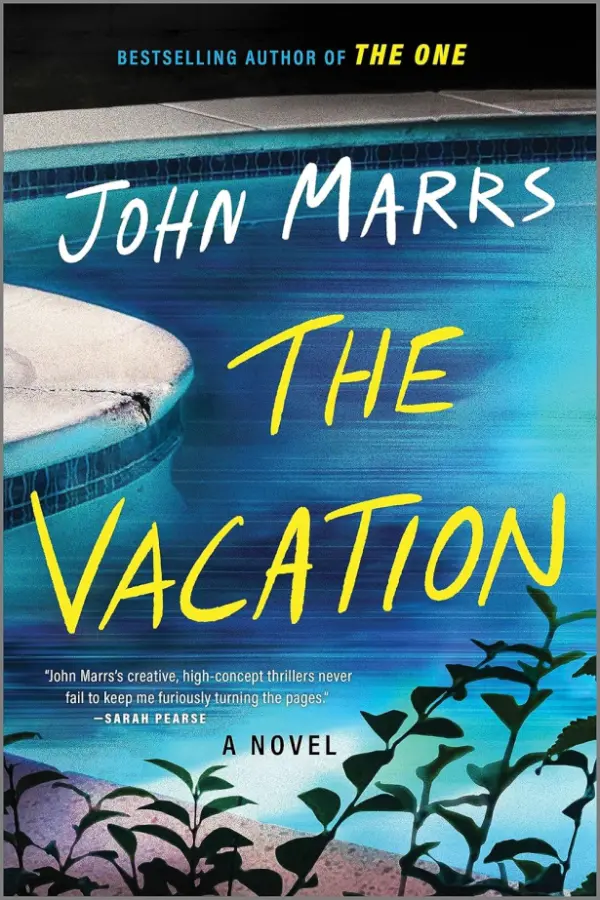
John Marrs
Average Goodreads rating3.7
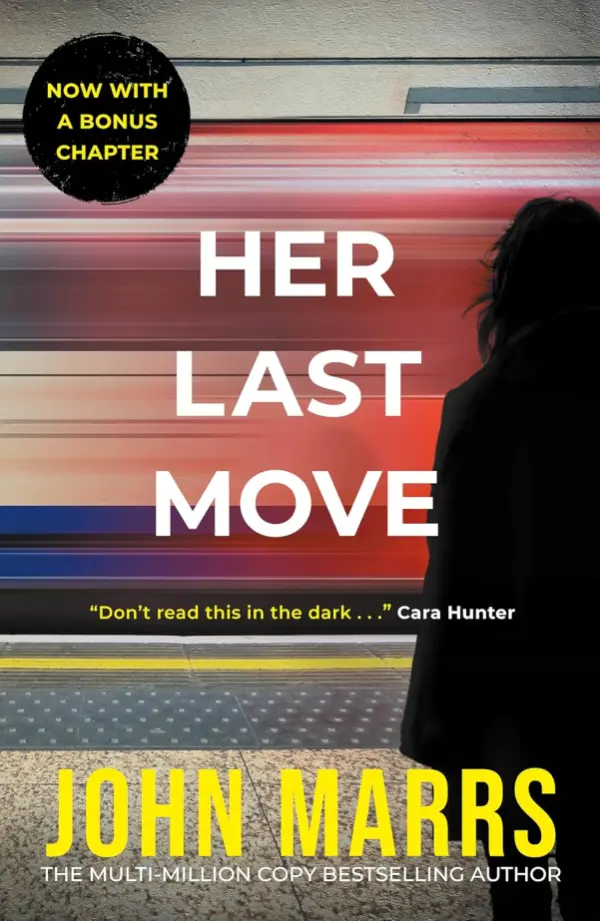
John Marrs
Average Goodreads rating4.0
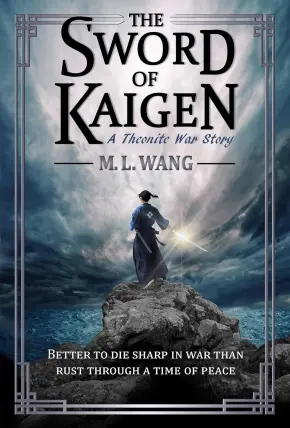
M. L. Wang
Average Goodreads rating4.6

Elena Armas
Average Goodreads rating3.1

Lynn Painter
Better Than the Movies, book 1
Average Goodreads rating4.3
Matched via its series
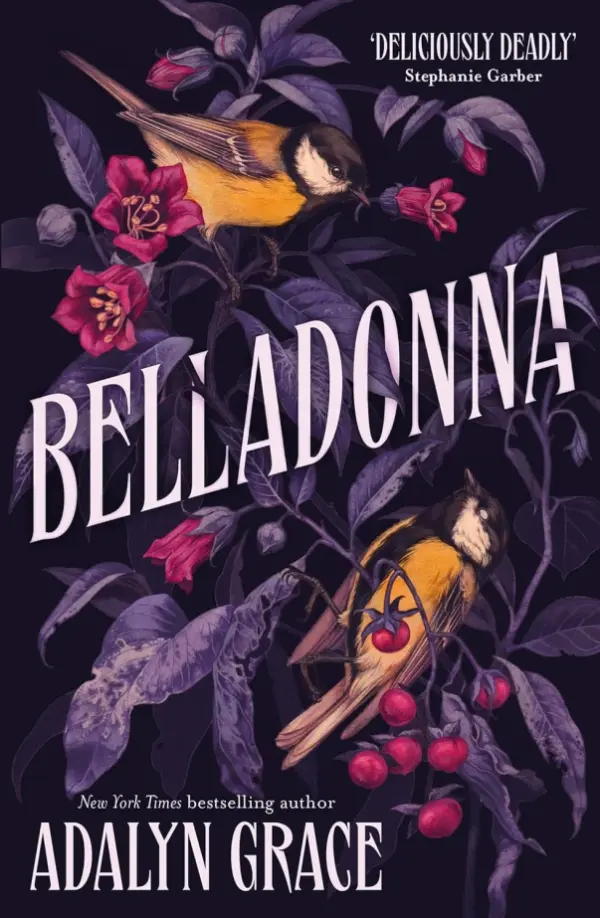
Adalyn Grace
Belladonna, book 1
Average Goodreads rating4.0
Matched via its series
Jennifer L. Armentrout
A Wicked Trilogy, book 1
Average Goodreads rating4.2
Matched via its series
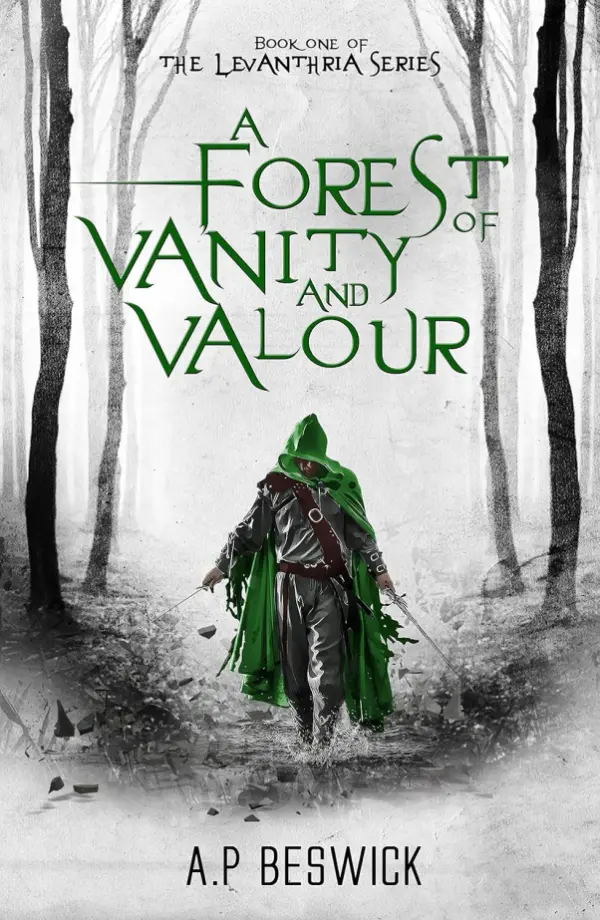
A. P. Beswick
The Levanthria Series, book 1
Average Goodreads rating3.9
Matched via its series

Chloe Walsh
The Broken Series, book 1
Matched via its series

Leigh Bardugo
Alex Stern, book 1
Average Goodreads rating4.3
Matched via its series
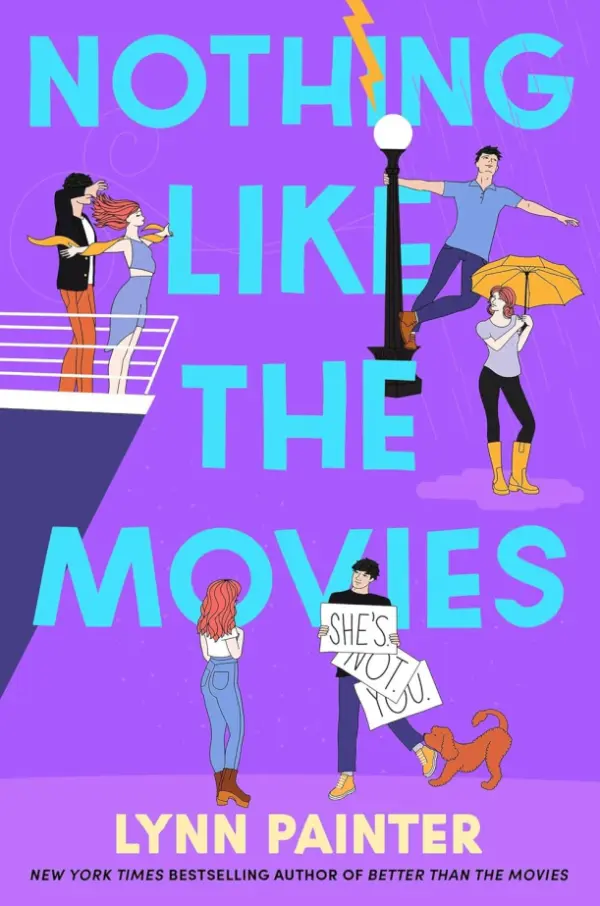
Lynn Painter
Better Than the Movies, book 2
Average Goodreads rating4.0
Matched via its series
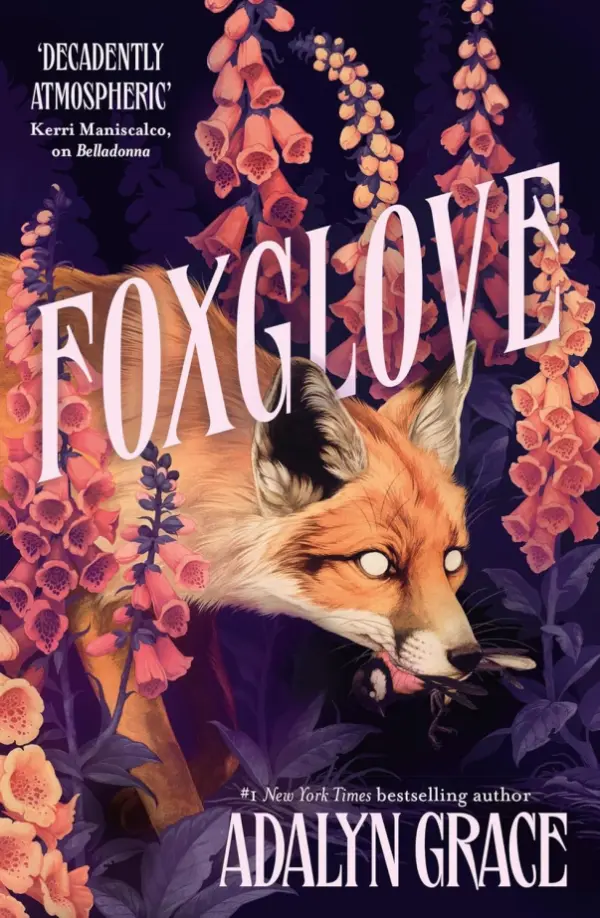
Adalyn Grace
Belladonna, book 2
Average Goodreads rating4.1
Matched via its series
Jennifer L. Armentrout
A Wicked Trilogy, book 2
Average Goodreads rating4.3
Matched via its series
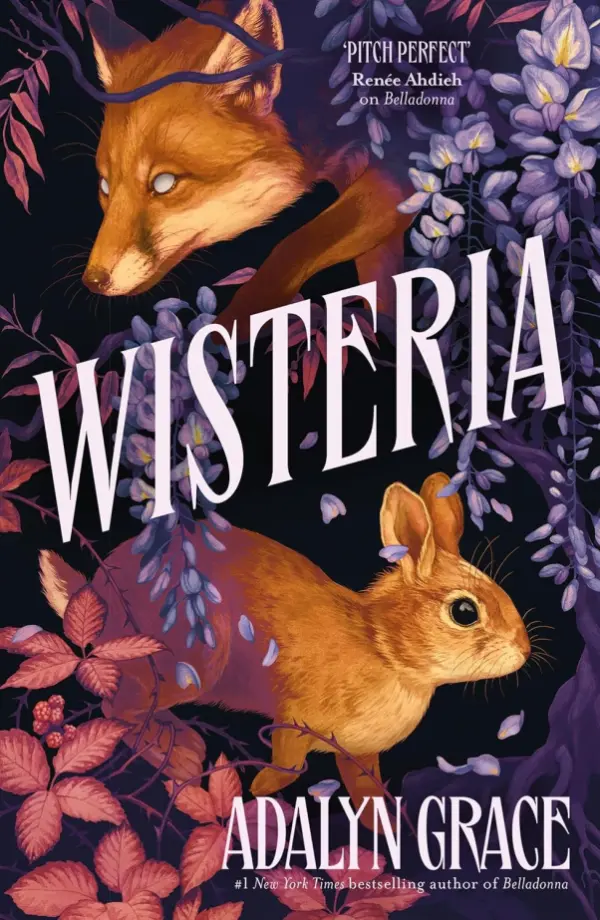
Adalyn Grace
Belladonna, book 3
Average Goodreads rating4.2
Matched via its series
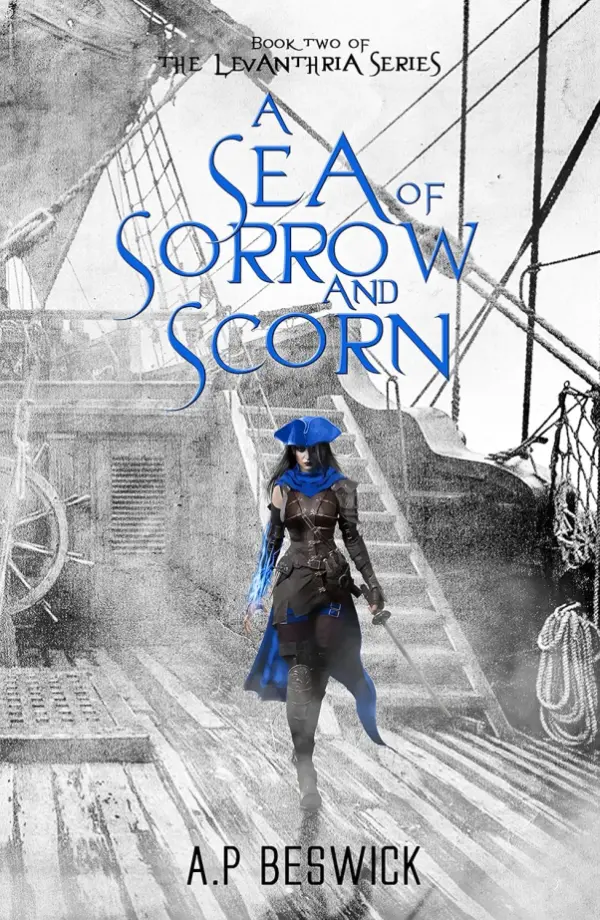
A. P. Beswick
The Levanthria Series, book 2
Average Goodreads rating3.9
Matched via its series
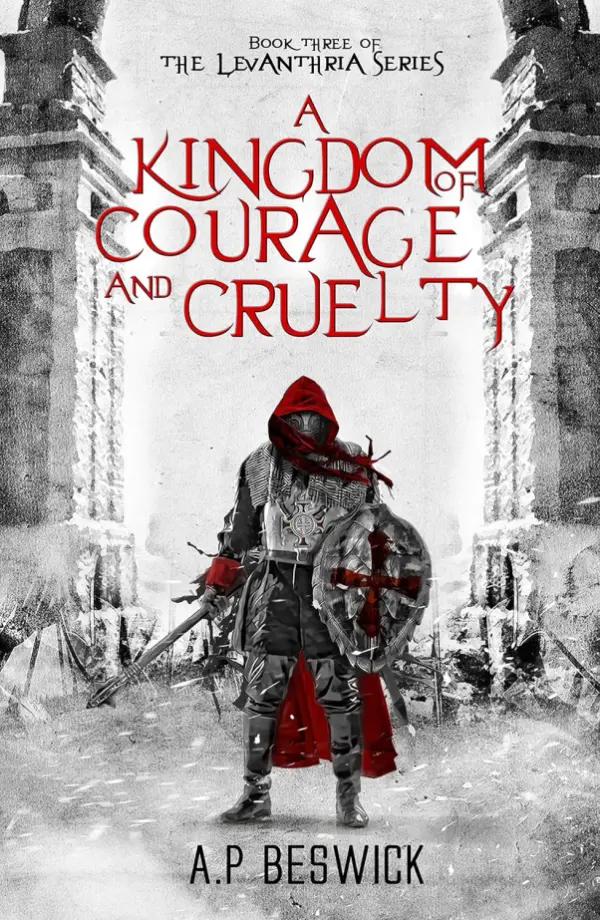
A. P. Beswick
The Levanthria Series, book 3
Average Goodreads rating4.1
Matched via its series
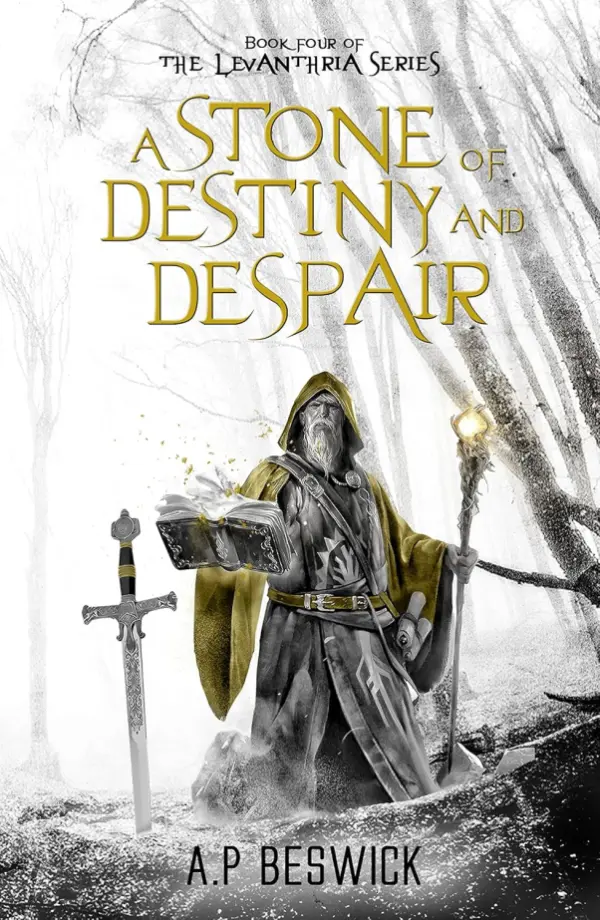
A. P. Beswick
The Levanthria Series, book 4
Average Goodreads rating4.2
Matched via its series
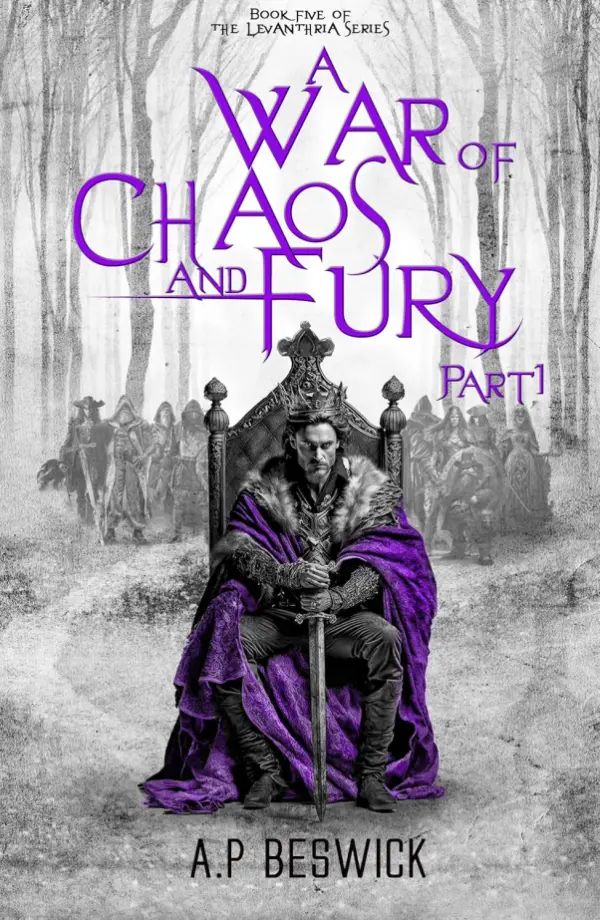
A. P. Beswick
The Levanthria Series, book 5
Average Goodreads rating4.4
Matched via its series
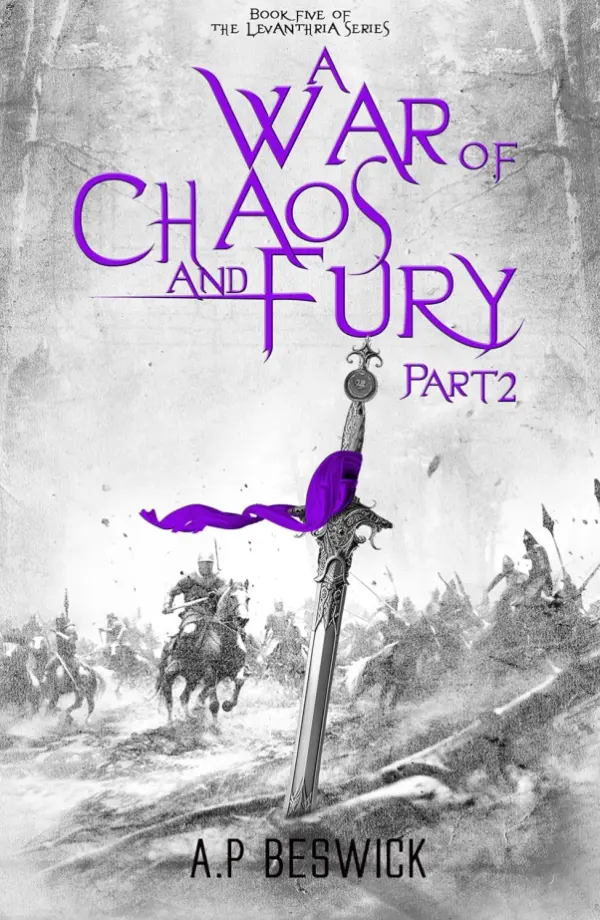
A. P. Beswick
The Levanthria Series, book 6
Average Goodreads rating4.4
Matched via its series
Jennifer L. Armentrout
A Wicked Trilogy, book 3
Matched via its series

Chloe Walsh
The Broken Series, book 3
Matched via its series

Chloe Walsh
The Broken Series, book 2
Matched via its series

Chloe Walsh
The Broken Series, book 4
Matched via its series

Leigh Bardugo
Alex Stern, book 2
Average Goodreads rating4.4
Matched via its series
Tropes that share the most books with Protagonist with Trauma
Nobody arrives at the start of a story empty. Every protagonist carries something - history, habit, the accumulated shape of what has happened to them. But the Protagonist with Trauma trope is about something more specific than ordinary backstory. It is about a wound that has not healed, that continues to operate in the present tense, that shapes how the character moves through the world in ways they may not fully understand themselves. The trauma is not merely something that happened. It is something that is still happening - informing every choice, every relationship, every moment when the character reaches for something and finds the wound there first.
This trope is defined by a central character whose past experience of loss, violence, abuse, or profound disruption continues to actively shape their present behaviour, relationships, and internal landscape. What distinguishes it from a character with a difficult backstory is the specificity of that ongoing influence: the protagonist does not simply remember what happened to them - they are changed by it in ways that are visible on the page. They may struggle to trust, to connect, to feel safe, to believe that good things are permitted to last. Their trauma is not a detail in their biography. It is a lens through which they interpret everything the story asks them to experience.
There is a particular kind of recognition that this trope produces - the sense of seeing something true rendered accurately on the page. For readers who carry their own wounds, encountering a protagonist who navigates the world in a similarly complicated way can be genuinely significant: not just engaging but clarifying, a reminder that this experience has a shape that can be understood and articulated. For readers who do not share that specific experience, the trope builds empathy in a way that direct explanation rarely achieves. It is one thing to be told that trauma changes people. It is another to follow a character through a hundred small moments where the change is visible in everything they do.
These narratives rarely move in straight lines toward resolution. Progress is interrupted by setbacks that are not failures of will but simply the nature of how damage operates - the way a seemingly manageable situation can suddenly activate something old and overwhelming, the way recovery is nonlinear and private and frequently invisible to the people watching from the outside. The most honest versions of this trope resist the pressure to resolve the trauma entirely by the final page. The protagonist may reach a place of greater understanding, greater capacity for connection, greater ability to carry what they carry - but the wound does not disappear. What changes is the relationship to it.
The Protagonist with Trauma trope endures because it insists on the truth that experience leaves marks - and that those marks are not weaknesses to be edited out of a character before they can be considered heroic. Some of the most compelling protagonists in fiction are compelling precisely because they are damaged, because they must find ways to act and love and persist whilst managing something that makes all of those things harder than they look. That difficulty is not a detour around the real story. It is the real story. What a wounded person does with what was done to them - how they carry it, how they refuse to be defined entirely by it, how they find, against the odds, reasons to remain - turns out to be one of the things fiction does best.
Occasional emails with new recommendations, series news and trope round-ups.