

LIFEL1K3 (LIFELIKE)
Jay Kristoff
LIFEL1K3, book 1
Average Goodreads rating4.3


Book 1 in The Xenogenesis Trilogy
We independently select and recommend books. Purchases made through our links may earn us a commission, at no extra cost to you. Prices and availability are set by each retailer.
Lilith wakes 250 years after nuclear war. Tentacled Oankali offer survival through genetic merger. No human child without alien DNA. Saviors or colonizers? Butler's 1987 masterpiece. Amazon series. Locus nominee. Consent, autonomy, humanity's fatal flaw.
Tagged on the series as a whole, so not every book will feature each one.
The first novel in the trilogy, Dawn, begins with Lilith Iyapo, a Black human woman, alone in what appears to be a prison cell. The story takes place in a near-future, postapocalyptic world. The protagonist, Lilith Iyapo, is one of the few human survivors left after a nuclear war and must help an alien race, the Oankali, repopulate Earth. She awakens periodically, confronted by an enigmatic voice asking strange questions, with no memory of how long she's been captive or what her captors want.
Lilith lyapo awoke from a centuries-long sleep to find herself aboard the vast spaceship of the Oankali. Creatures covered in writhing tentacles, the Oankali had saved every surviving human from a dying, ruined Earth. They healed the planet, cured cancer, increased strength, and were now ready to help Lilith lead her people back to Earth - but for a price. Jdahya further explains that humans and Oankali will "trade" genetic material, creating offspring with elements of both. This is how the Oankali have evolved over millennia, by traveling through space and adopting traits of other species.
Lilith is repulsed by the Oankali's appearance - gray skin covered in sensory tentacles that can read thoughts and manipulate biology. Yet she's chosen to awaken and train the first group of humans, preparing them to accept their new reality: no human child will be born without an Oankali parent. The Oankali believe humanity has a "fatal contradiction" - intelligence combined with hierarchical thinking that inevitably leads to self-destruction. Only genetic merger can save humanity from itself.
Lilith is put into the primary care of Nikanj and their relationship soon grows closer. Nikanj makes an effort to find Lilith another English-speaking human to converse with, but the interaction turns bad when Paul attempts to sexually assault Lilith. As Lilith trains her group, some humans embrace the merger while resisters view her as a traitor. The novel refuses easy answers: Are the Oankali benevolent saviors or colonizers erasing humanity? Can you truly consent when the alternative is extinction?
Published in 1987 and nominated for the Locus Award, Dawn has been optioned by Amazon Studios with Ava DuVernay's Array Filmworks producing and Victoria Mahoney directing. Readers describe it as uncomfortable, provocative, and profoundly disturbing - Butler at her challenging best. The novel explores Otherness, women of color in leadership, bodily autonomy, and what defines humanity when biology becomes negotiable.
Perfect for readers seeking science fiction that challenges assumptions about human exceptionalism, explorations of colonialism through alien contact, stories refusing binary good/evil, examinations of consent under duress, and novels that make you question whether humanity deserves saving - or transformation.
Jay Kristoff
LIFEL1K3, book 1
Average Goodreads rating4.3

Neal Shusterman
Arc of a Scythe, book 1
Average Goodreads rating4.5
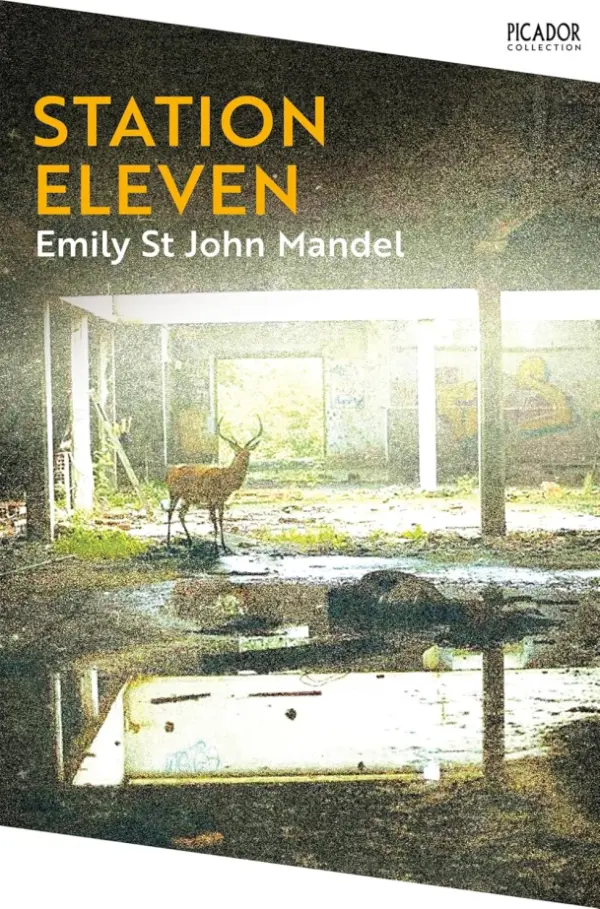
Emily St. John Mandel
Average Goodreads rating4.2

Adrian Tchaikovsky
Children of Time, book 1
Average Goodreads rating4.5
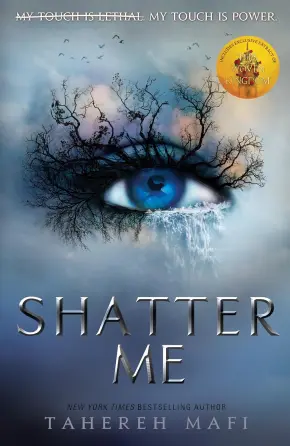
Tahereh Mafi
Shatter Me, book 1
Average Goodreads rating4.2
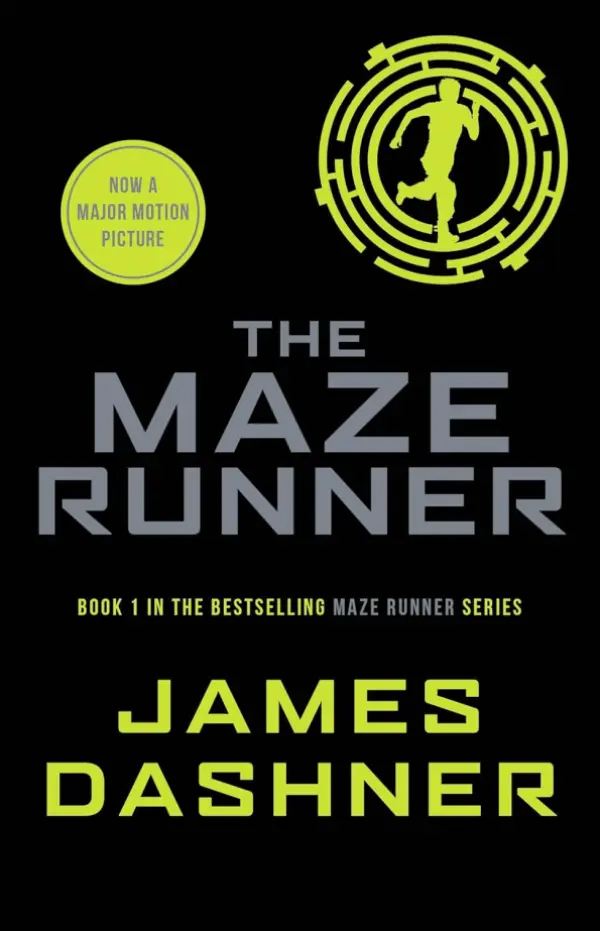
James Dashner
The Maze Runner, book 1
Average Goodreads rating4.5
Still Looking?
Further down our similarity list, but still sharing tropes and genres with this book.
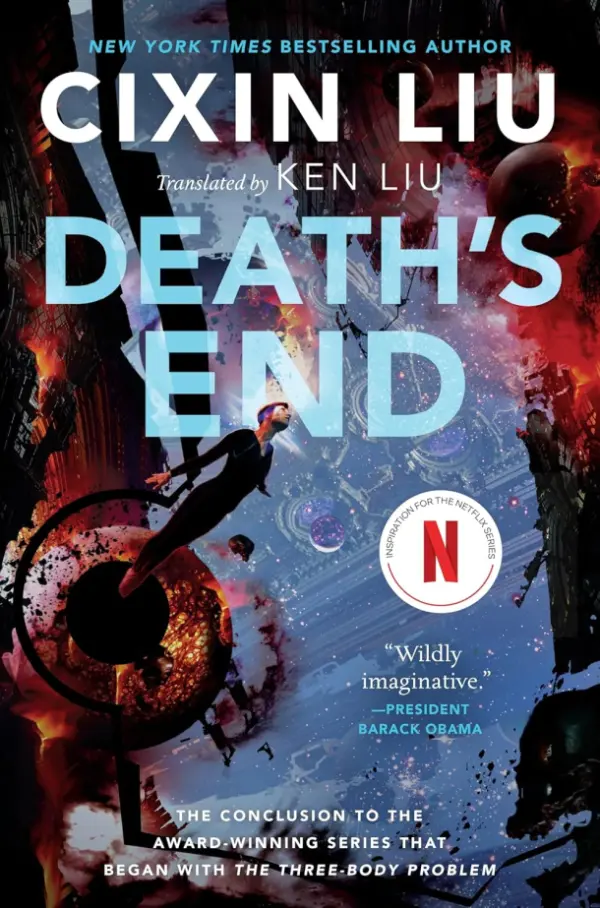
Liu Cixin
The Three-Body Problem, book 3
Average Goodreads rating4.4
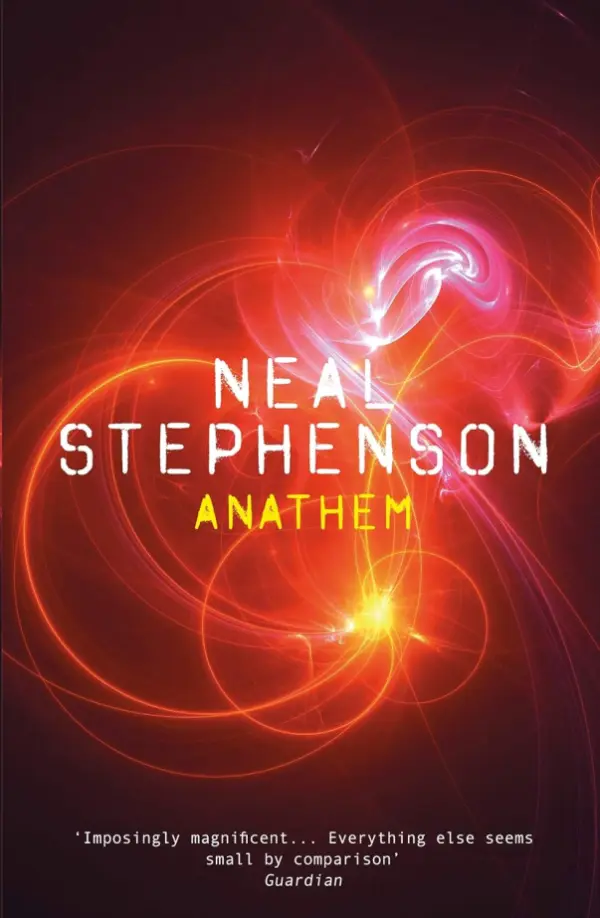
Neal Stephenson
Average Goodreads rating4.4
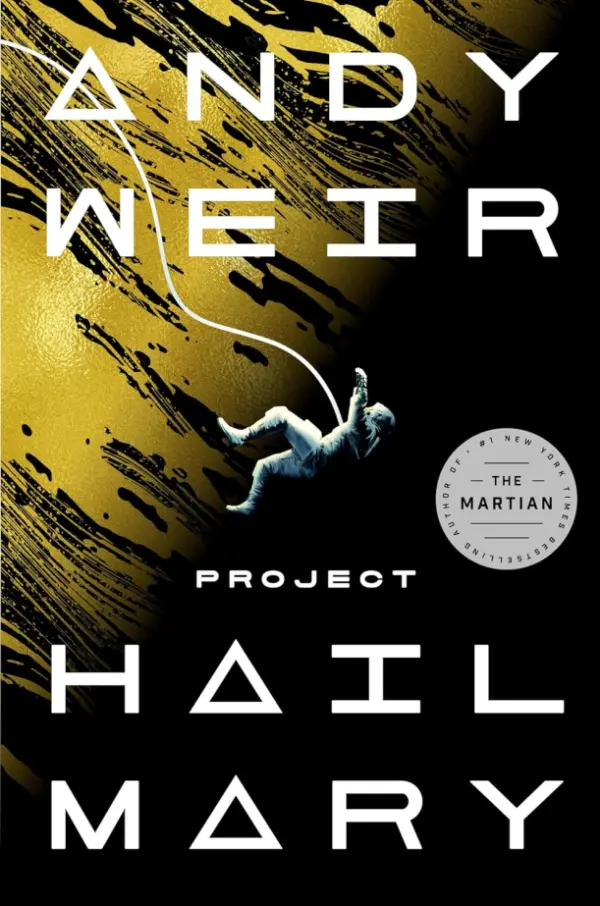
Andy Weir
Average Goodreads rating4.6
Grand Dame of Science Fiction. First sci-fi writer to win a MacArthur "Genius" Grant. Hugo, Nebula, PEN Lifetime Achievement winner. Afrofuturism pioneer exploring race, power, and hybridity. Dyslexic visionary who changed the genre forever.
Books, series and tropes by Octavia E. ButlerDawn: Lilith's Brood 1
Buy from Amazon (opens Amazon in a new tab)Occasional emails with new recommendations, series news and trope round-ups.
