
Scythe
Neal Shusterman
Arc of a Scythe, book 1
Average Goodreads rating4.5


Book 2 in The Xenogenesis Trilogy
We independently select and recommend books. Purchases made through our links may earn us a commission, at no extra cost to you. Prices and availability are set by each retailer.
Akin has five parents. First male human-Oankali construct. Kidnapped by resisters, he'll decide: should humans get Mars and breed their own extinction? Butler's 1988 sequel bridges species. Coming-of-age captivity narrative. Locus nominee.
Tagged on the series as a whole, so not every book will feature each one.
In this sequel to Dawn, Lilith Iyapo has given birth to what looks like a normal human boy named Akin. But Akin actually has five parents: a male and female human, a male and female Oankali, and a sexless Ooloi. Set ten years after Dawn, Earth has been rehabilitated and populated by "trade villages" where humans mate with Oankali to create construct children, alongside resister communities of sterilized humans who refuse genetic merger.
When the resisters kidnap young Akin, the Oankali choose to leave the child with his captors, for he - the most "human" of the Oankali children - will decide whether the resisters should be given back their fertility and freedom, even though they will only destroy themselves again. Born with extraordinary sensory abilities, understanding speech at birth and speaking in sentences at two months, Akin develops molecular-level perception. His kidnapping by desperate resisters longing for children becomes an extended captivity narrative - one of America's oldest literary forms reimagined through science fiction.
Living among resisters, Akin experiences their humanity firsthand: their need for children, their fierce desire for autonomy, their willingness to die rather than transform. He becomes a bridge between worlds, understanding both species' perspectives and limitations. The novel's resolution reveals Butler's nuanced thinking: Akin negotiates Mars as a refuge for resisters who choose extinction over assimilation. The Oankali reluctantly agree, though they know humanity will destroy itself again - but consent matters, even when the choice seems wrong.
Critics note this sequel explores deeper themes than Dawn. Academic analysis recognizes it as integrating American captivity narrative traditions with postcolonial science fiction. Some found the extensive dialogue "laborious" compared to Dawn's intensity, while others praised how Akin's alienation from both societies drives his unique understanding. The novel continues Butler's examination of humanity's "fatal contradiction" - hierarchical thinking breeding violence - while refusing simple answers about whether forced salvation is truly benevolent.
Nominated for the Locus Award, Adulthood Rites deepens questions about colonialism, consent, and whether preserving human "purity" matters more than human survival. It's a coming-of-age story where maturity means accepting that others have the right to make terrible choices.
Perfect for readers seeking science fiction exploring autonomy versus paternalism, coming-of-age narratives about bridging divided worlds, examinations of consent when saviors won't take no for an answer, and stories proving that understanding both sides doesn't mean choosing one - sometimes it means negotiating space for those who refuse to choose at all.

Neal Shusterman
Arc of a Scythe, book 1
Average Goodreads rating4.5
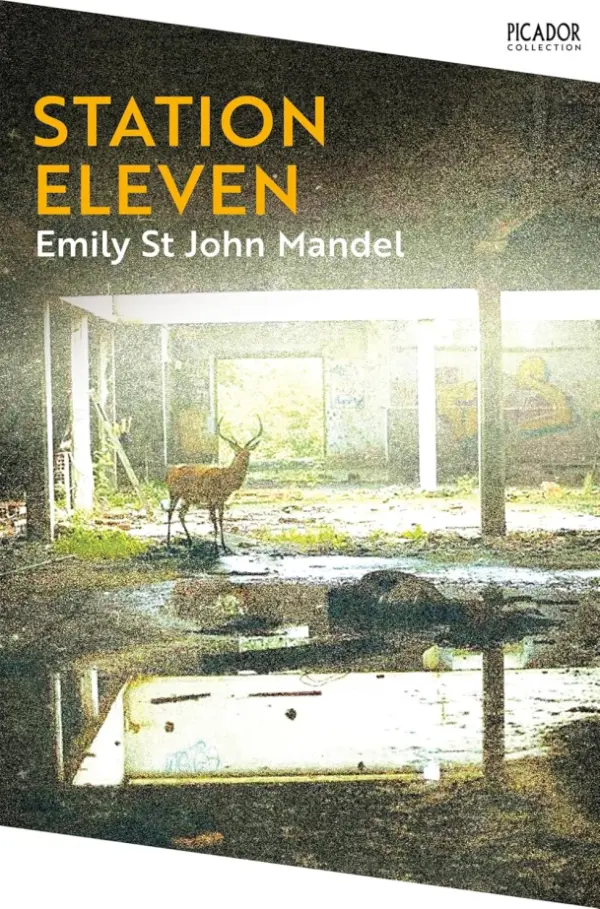
Emily St. John Mandel
Average Goodreads rating4.2

Adrian Tchaikovsky
Children of Time, book 1
Average Goodreads rating4.5

Jay Kristoff
LIFEL1K3, book 1
Average Goodreads rating4.3
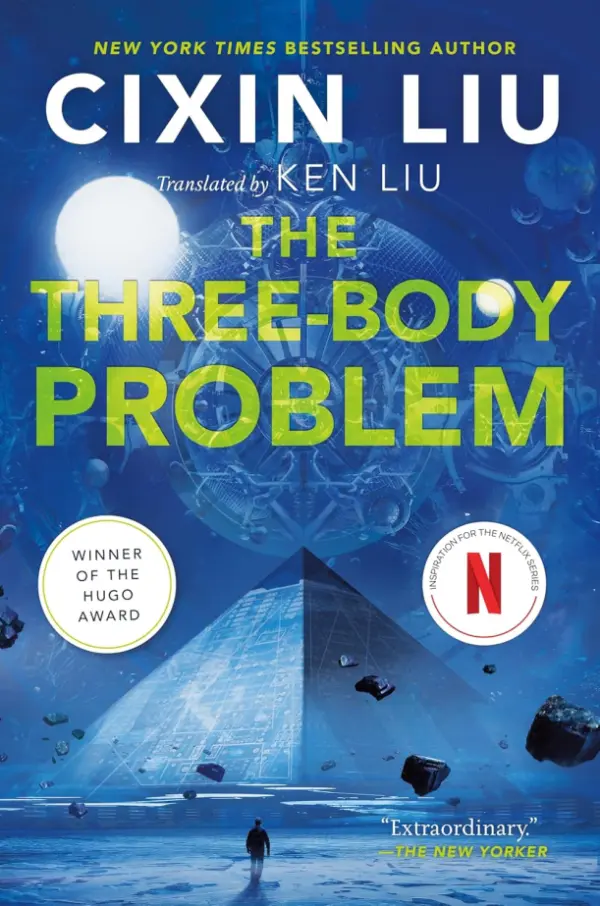
Liu Cixin
The Three-Body Problem, book 1
Average Goodreads rating4.1
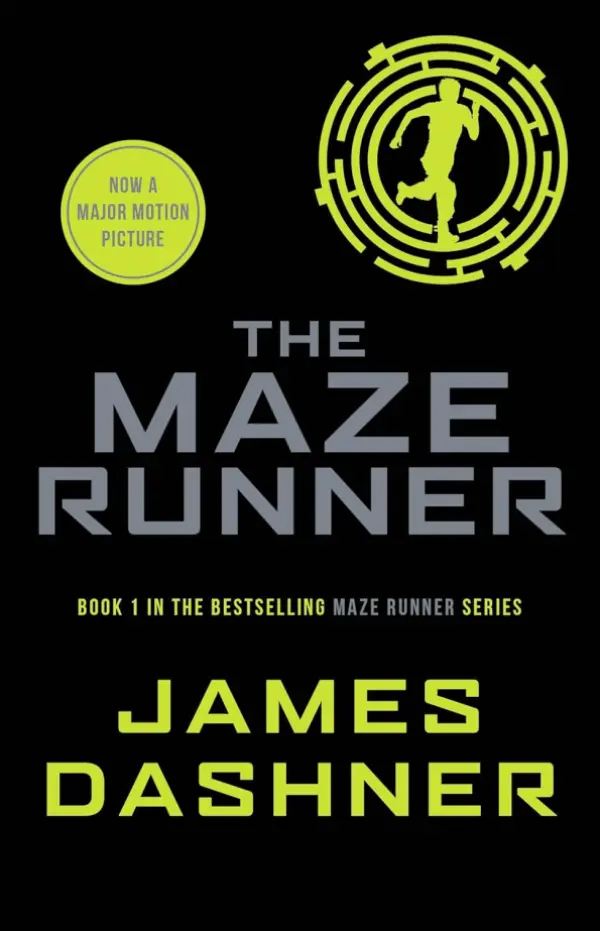
James Dashner
The Maze Runner, book 1
Average Goodreads rating4.5
Still Looking?
Further down our similarity list, but still sharing tropes and genres with this book.
Tahereh Mafi
Shatter Me, book 1
Average Goodreads rating4.2
Buy from Amazon (opens Amazon in a new tab)
Christopher Ruocchio
The Sun Eater, book 1
Average Goodreads rating4.3
Buy from Amazon (opens Amazon in a new tab)
Megan O'Keefe
The Scorched Continent, book 1
Average Goodreads rating4.1
Buy from Amazon (opens Amazon in a new tab)Grand Dame of Science Fiction. First sci-fi writer to win a MacArthur "Genius" Grant. Hugo, Nebula, PEN Lifetime Achievement winner. Afrofuturism pioneer exploring race, power, and hybridity. Dyslexic visionary who changed the genre forever.
Books, series and tropes by Octavia E. ButlerAdulthood Rites: Lilith's Brood 2
Buy from Amazon (opens Amazon in a new tab)Occasional emails with new recommendations, series news and trope round-ups.
