
Scythe
Neal Shusterman
Arc of a Scythe, book 1
Average Goodreads rating4.5


Book 3 in The Xenogenesis Trilogy
We independently select and recommend books. Purchases made through our links may earn us a commission, at no extra cost to you. Prices and availability are set by each retailer.
Jodahs: first human-ooloi construct. Shapeshifter. DNA manipulator. Raised male, becomes third sex. Butler's 1989 finale from most alien perspective. Master powers or doom all. Locus nominee. Androgynous, powerful, profound.
Tagged on the series as a whole, so not every book will feature each one.
Imago follows another of Lilith's hybrid progeny, Jodahs, through the jungles of a regenerating Earth. Raised as a male child, he discovers in his adolescence that he is becoming the first part-human ooloi, a member of the Oankali's shapeshifting, astonishingly powerful and perceptive third sex - a discovery with intense personal and planetary consequences.
Published in 1989, Imago focuses on the journey of Jodahs, the first ooloi born from human and alien Oankali parents. Jodahs's ooloi skills of genetic engineering and shapeshifting are advanced yet unpredictable. The Oankali fear Jodahs may endanger life with a single touch, and human "resisters" remain hostile to anyone not fully human. Jodahs can manipulate DNA directly, cure or create disease at will, and shapeshift between forms - powers so immense that even the Oankali worry about control. Isolated from both species due to fear of accidental harm, Jodahs wanders the wilderness learning to master abilities that could save or doom everyone.
If this frightened young man is able to master his new identity, Jodahs could prove the savior of what's left of mankind. In the forest, Jodahs encounters isolated human resisters - siblings Jesusa and Tomás Leal - offering them healing from genetic defects their resister village created through inbreeding. Through this relationship, Butler explores consent, desire, and whether transformation offered freely differs from transformation imposed. Jodahs becomes the bridge proving human-ooloi constructs can exist safely, opening possibilities the Oankali had forbidden.
Critics note the trilogy's structure mirrors Oankali sexes: Dawn is feminine (Gothic captivity narrative), Adulthood Rites masculine (coming-of-age adventure), and Imago ooloi-ine (androgynous, transcending binary thinking). The Washington Post found it "verbose" and "wandering" compared to earlier entries, calling it "anticlimactic" as a trilogy conclusion. Others praised Butler's boldest move - centering the most alien perspective, exploring gender beyond binaries, and examining power through the being capable of reshaping life itself.
Nominated for the 1989 Locus Award for Best Science Fiction Novel, Imago completes Butler's examination of humanity's transformation. The novel asks: What does it mean to be the bridge between species? Can someone neither fully human nor fully alien create new possibilities? Butler's answer suggests that transcending categories - gender, species, hierarchy - might be humanity's only path forward, even if it means becoming something we no longer recognize.
Perfect for readers seeking explorations of gender beyond binaries, coming-of-age narratives about accepting identities that frighten others, science fiction examining consent when power imbalances are literal biological facts, and trilogy conclusions that choose philosophical depth over action-packed climaxes.
Neal Shusterman
Arc of a Scythe, book 1
Average Goodreads rating4.5
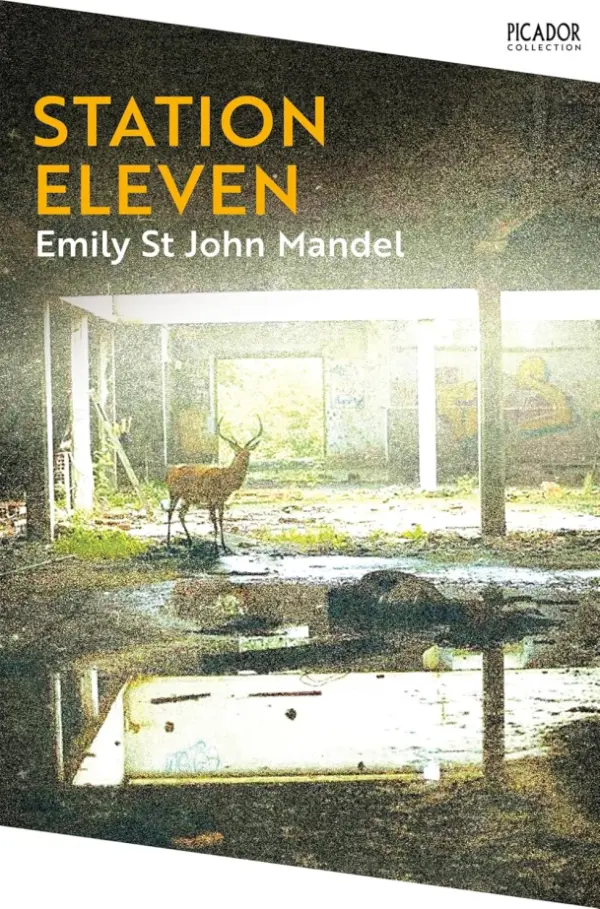
Emily St. John Mandel
Average Goodreads rating4.2

Adrian Tchaikovsky
Children of Time, book 1
Average Goodreads rating4.5

Jay Kristoff
LIFEL1K3, book 1
Average Goodreads rating4.3
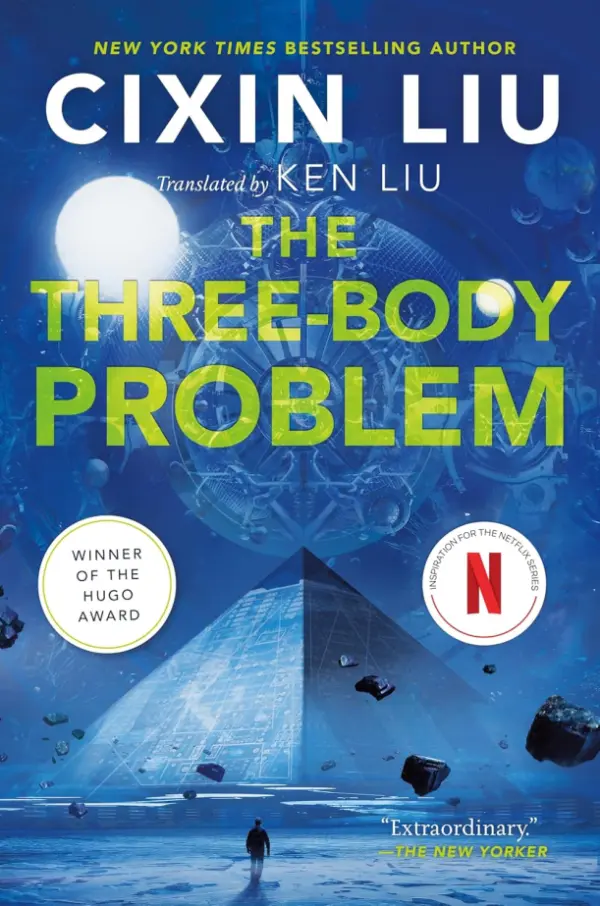
Liu Cixin
The Three-Body Problem, book 1
Average Goodreads rating4.1
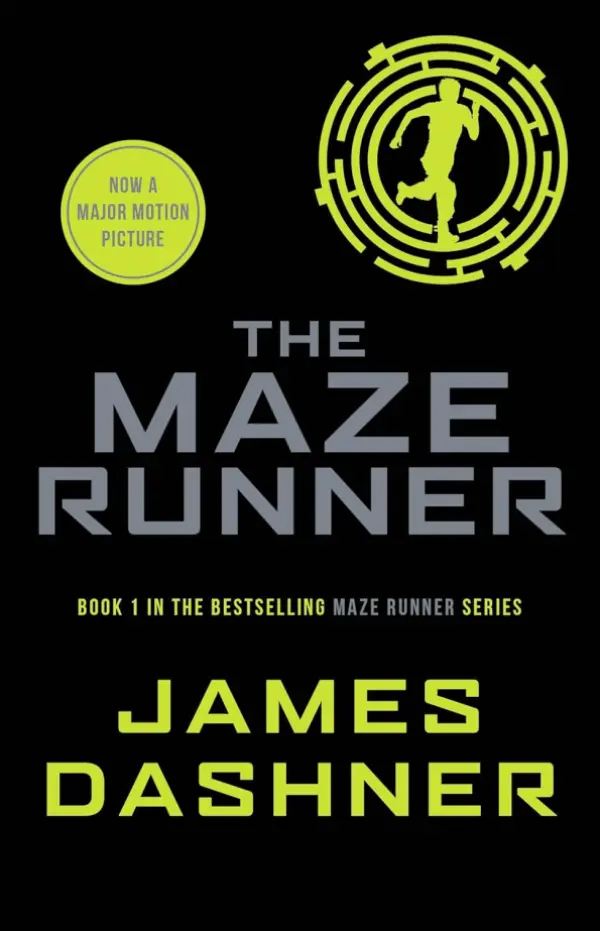
James Dashner
The Maze Runner, book 1
Average Goodreads rating4.5
Still Looking?
Further down our similarity list, but still sharing tropes and genres with this book.
Tahereh Mafi
Shatter Me, book 1
Average Goodreads rating4.2
Buy from Amazon (opens Amazon in a new tab)
Christopher Ruocchio
The Sun Eater, book 1
Average Goodreads rating4.3
Buy from Amazon (opens Amazon in a new tab)
Megan O'Keefe
The Scorched Continent, book 1
Average Goodreads rating4.1
Buy from Amazon (opens Amazon in a new tab)Grand Dame of Science Fiction. First sci-fi writer to win a MacArthur "Genius" Grant. Hugo, Nebula, PEN Lifetime Achievement winner. Afrofuturism pioneer exploring race, power, and hybridity. Dyslexic visionary who changed the genre forever.
Books, series and tropes by Octavia E. ButlerImago: Lilith's Brood 3
Buy from Amazon (opens Amazon in a new tab)Occasional emails with new recommendations, series news and trope round-ups.
