
Her Last Move
John Marrs
Average Goodreads rating4.0
- Reluctant Partnership
- Multiple Perspectives

Book trope · 14 books
The police procedural is less a single trope than a whole mode of storytelling, one built around the methodical, unglamorous, and often morally complicated business of solving crime through official channels.
More about the Police Procedural trope1 is tagged with Police Procedural individually. The others belong to a series tagged with it, which doesn’t mean every book in it features the trope, so they’re marked “Matched via its series”.
Updating books…
14 books found
John Marrs
Average Goodreads rating4.0
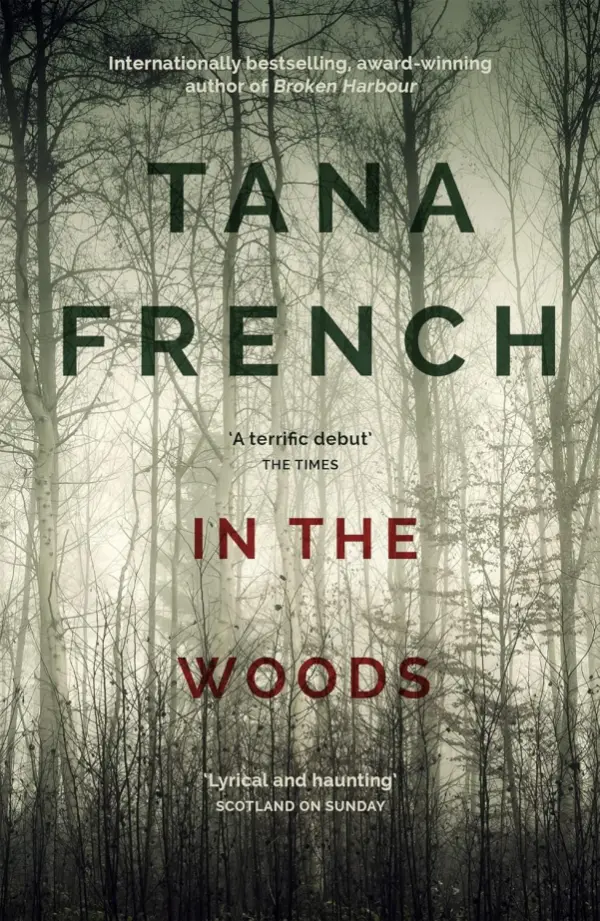
Tana French
Dublin Murder Squad, book 1
Average Goodreads rating3.8
Matched via its series
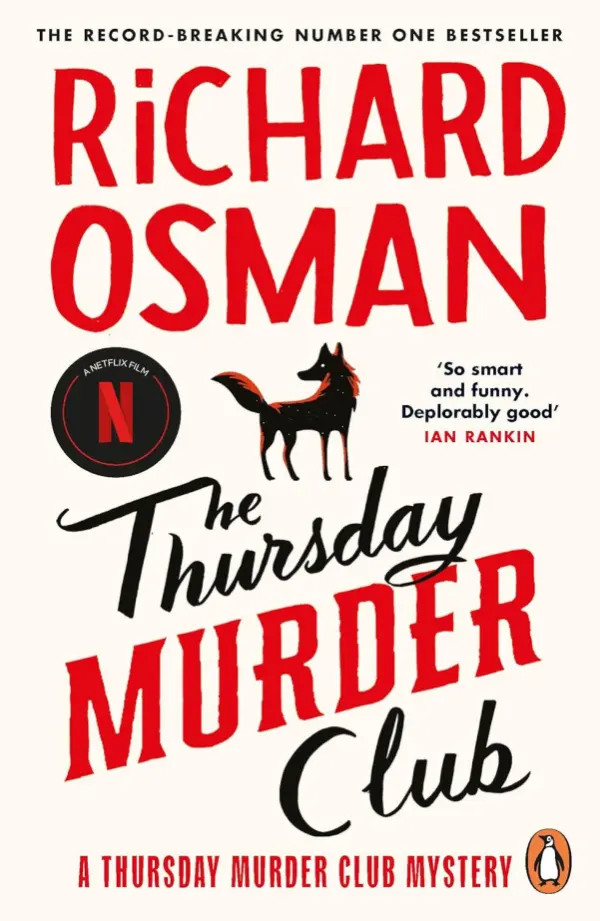
Richard Osman
Thursday Murder Club Mysteries, book 1
Average Goodreads rating4.4
Matched via its series
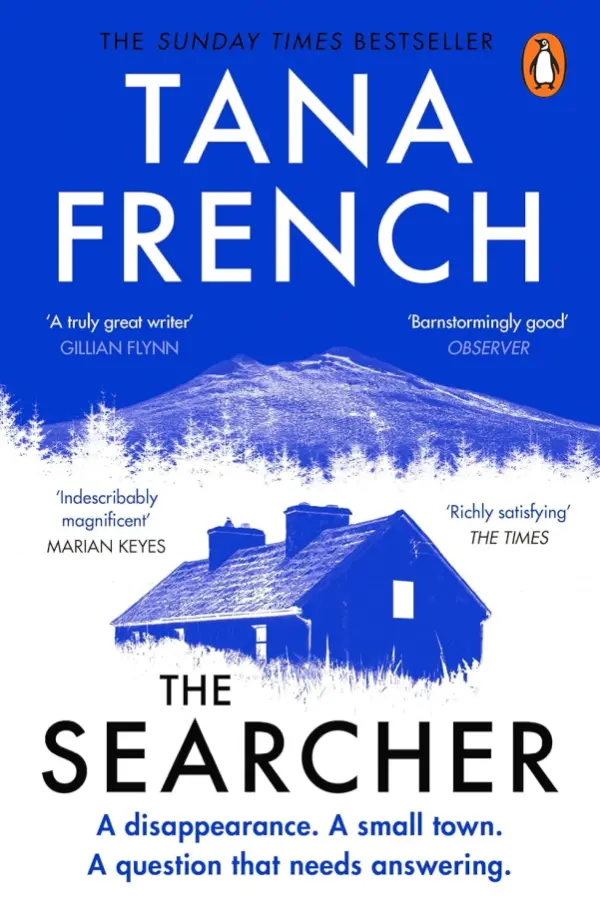
Tana French
Cal Hooper, book 1
Average Goodreads rating3.8
Matched via its series
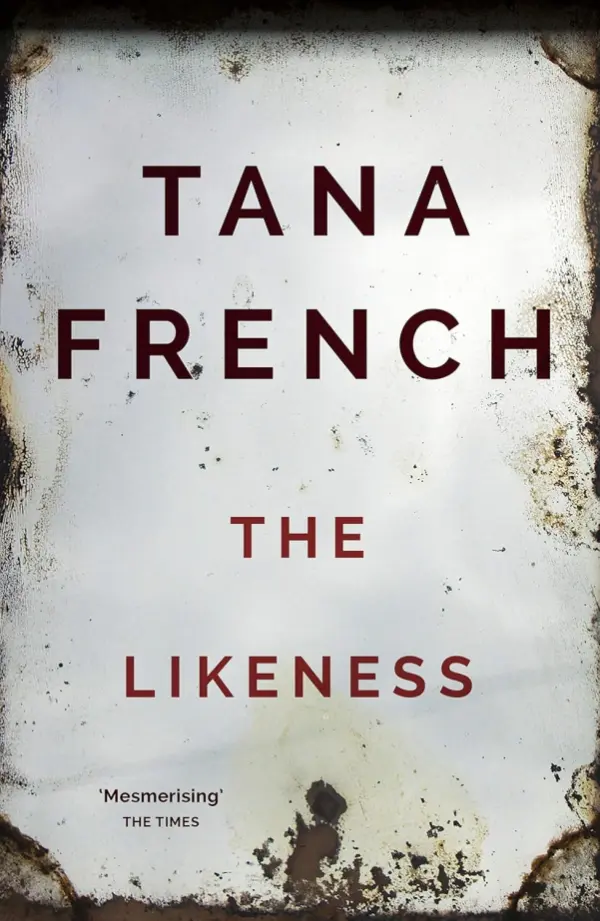
Tana French
Dublin Murder Squad, book 2
Average Goodreads rating4.1
Matched via its series
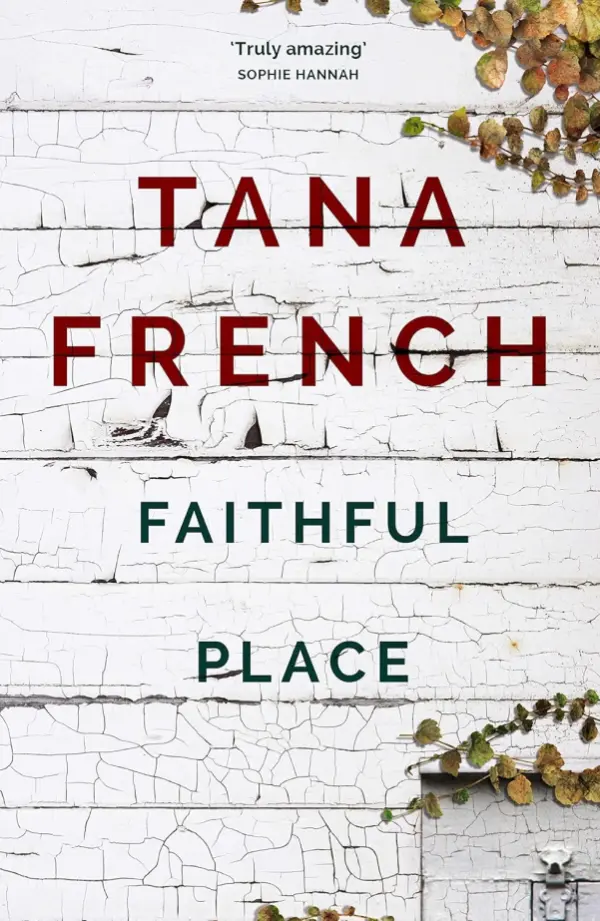
Tana French
Dublin Murder Squad, book 3
Average Goodreads rating4.0
Matched via its series
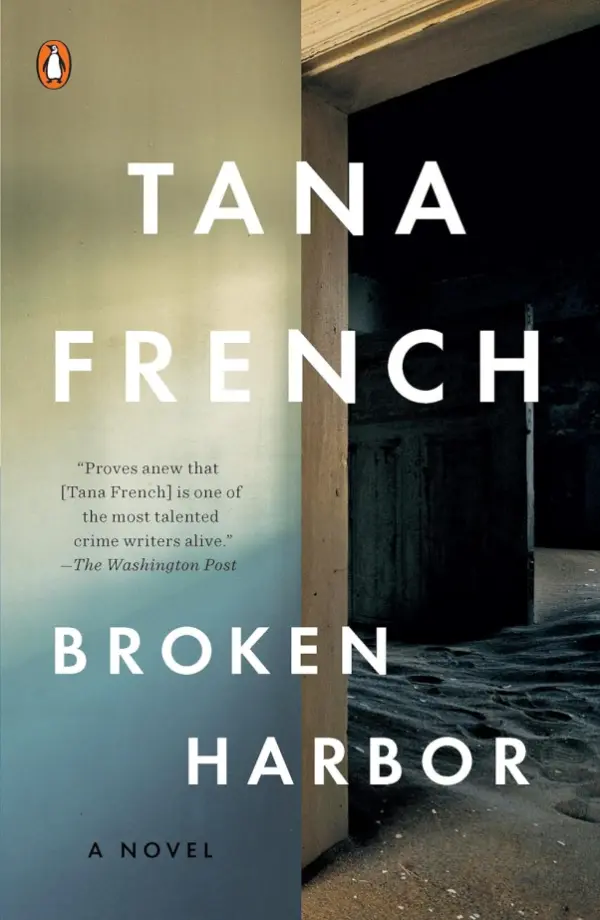
Tana French
Dublin Murder Squad, book 4
Average Goodreads rating4.0
Matched via its series
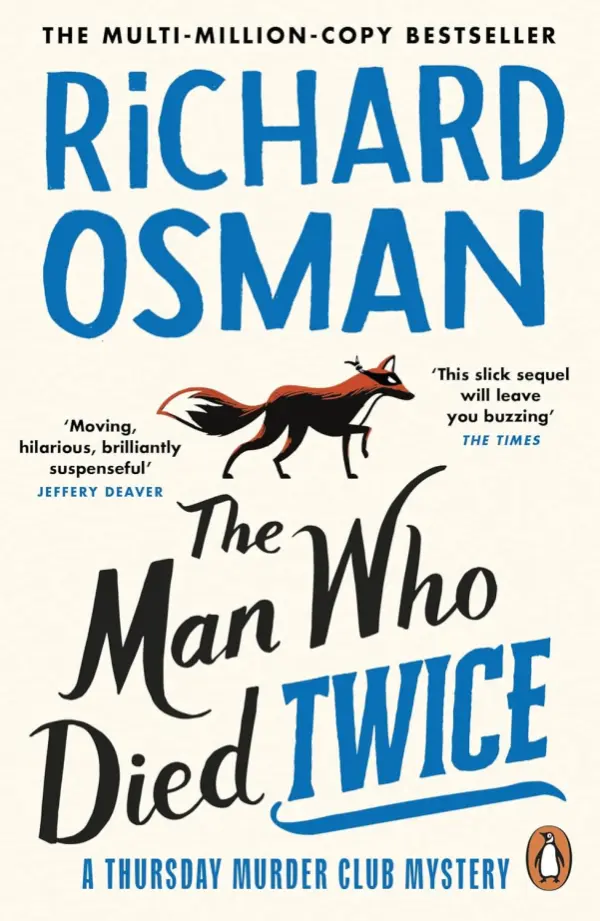
Richard Osman
Thursday Murder Club Mysteries, book 2
Average Goodreads rating4.7
Matched via its series
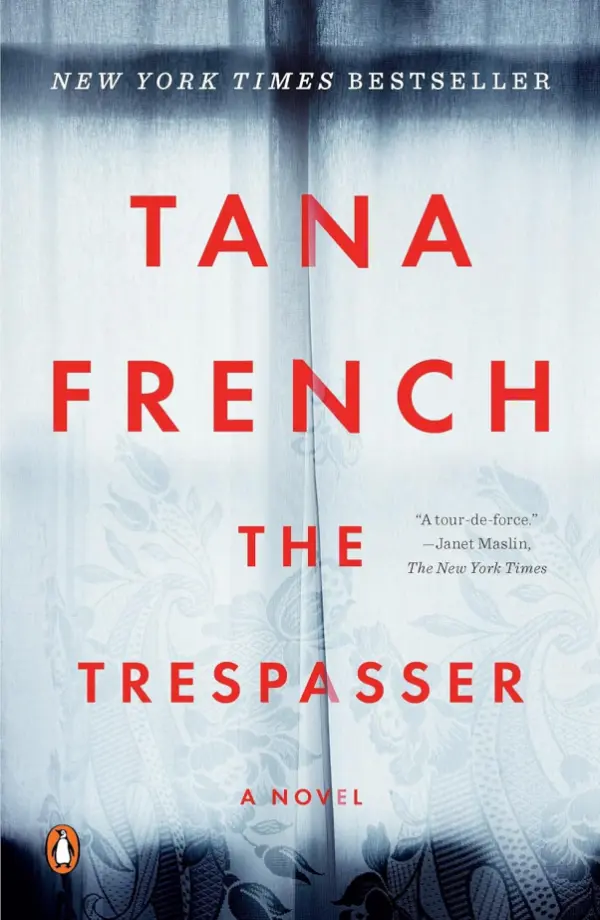
Tana French
Dublin Murder Squad, book 6
Average Goodreads rating4.0
Matched via its series
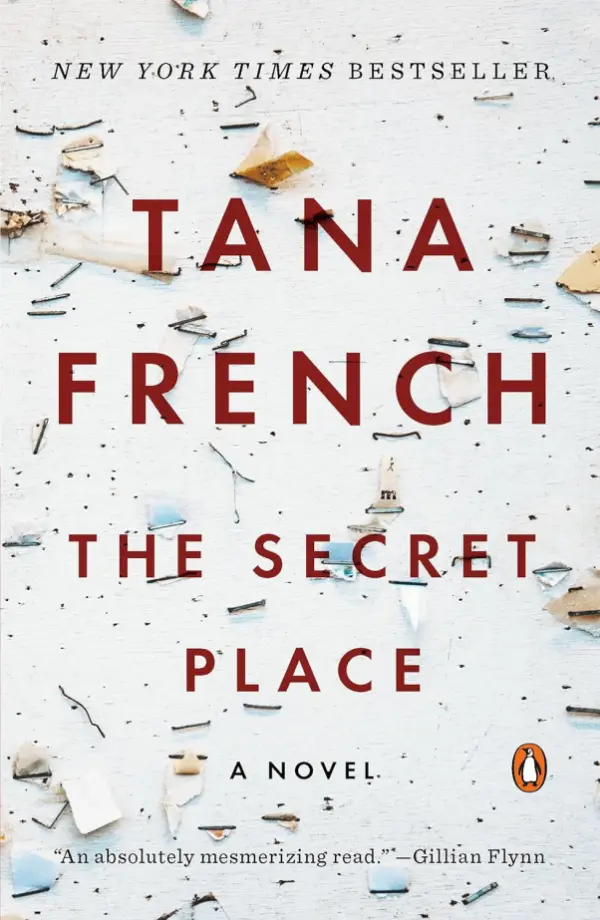
Tana French
Dublin Murder Squad, book 5
Average Goodreads rating3.8
Matched via its series
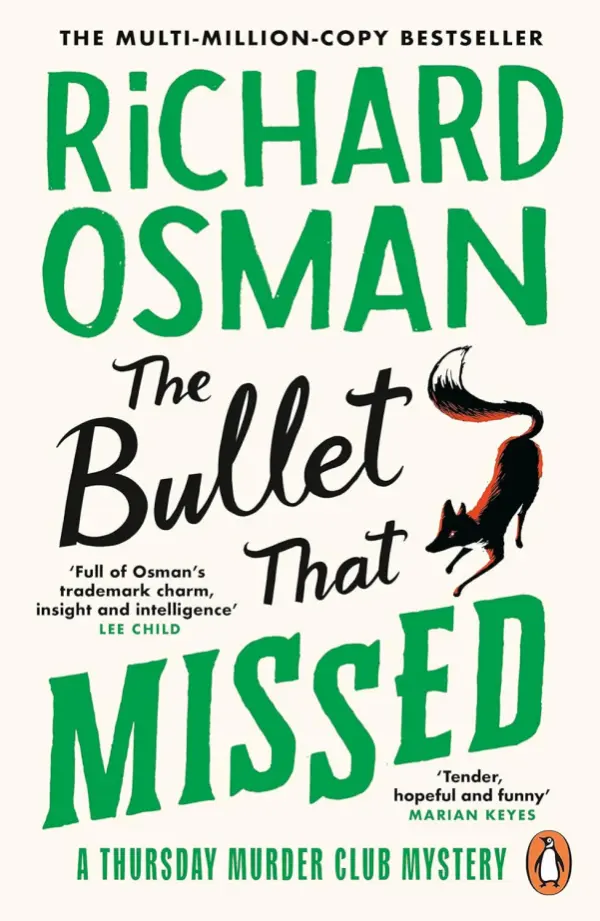
Richard Osman
Thursday Murder Club Mysteries, book 3
Average Goodreads rating4.7
Matched via its series
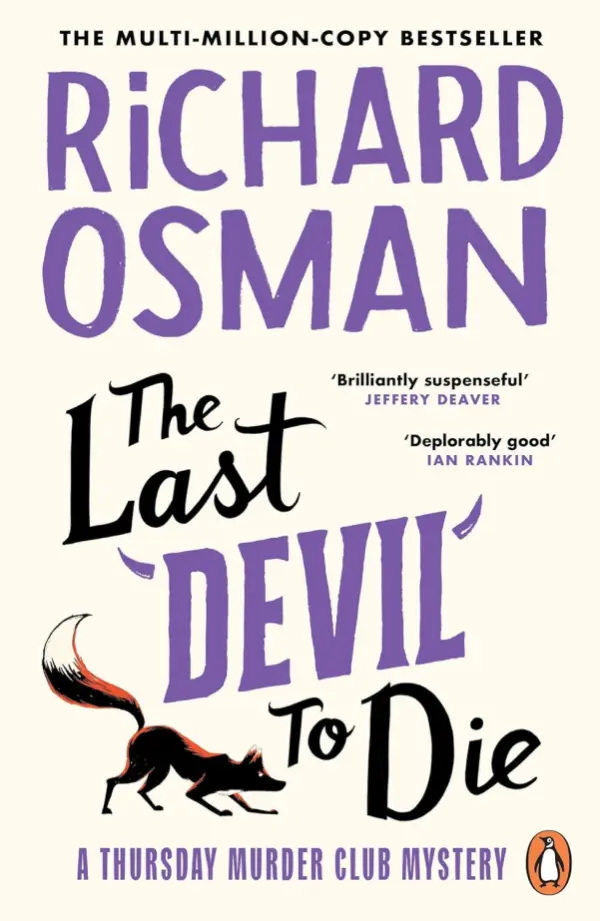
Richard Osman
Thursday Murder Club Mysteries, book 4
Average Goodreads rating4.7
Matched via its series
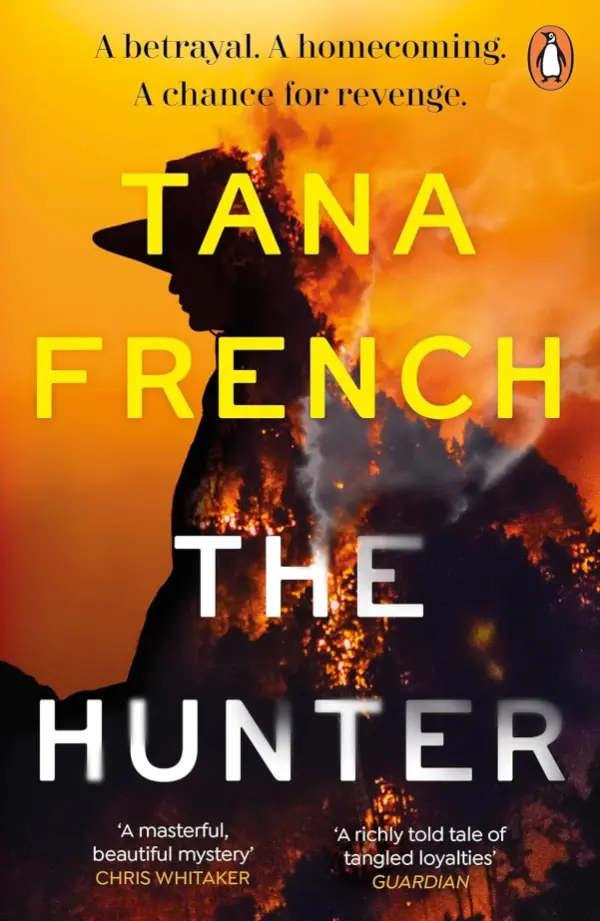
Tana French
Cal Hooper, book 2
Average Goodreads rating4.1
Matched via its series
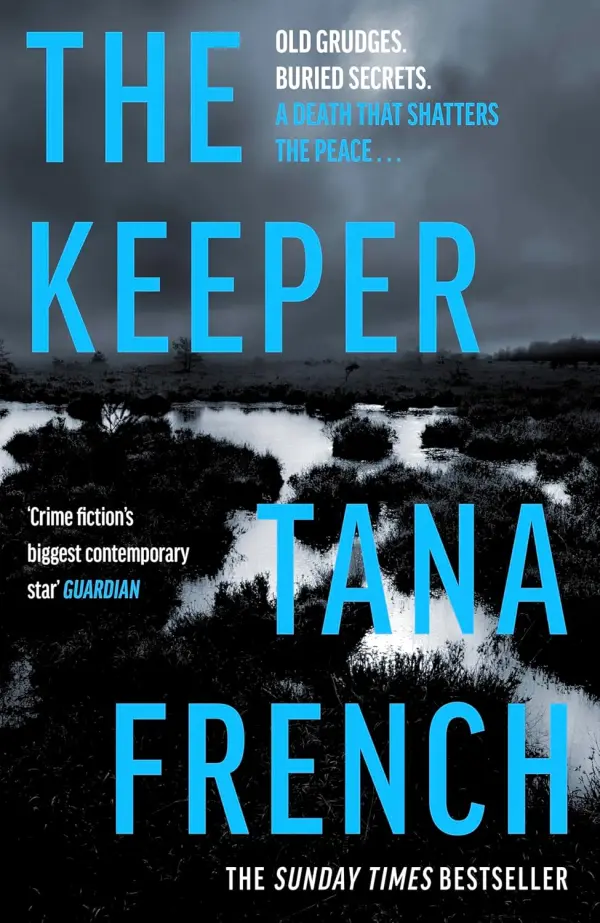
Tana French
Cal Hooper, book 3
Average Goodreads rating4.3
Matched via its series
Tropes that share the most books with Police Procedural
The police procedural is less a single trope than a whole mode of storytelling, one built around the methodical, unglamorous, and often morally complicated business of solving crime through official channels. Where a cosy mystery might hinge on amateur intuition or a thriller on lone-wolf heroics, the procedural insists on the process: interviews and warrants, forensics and chain of evidence, the bureaucratic friction of working within a system that is never quite fast enough.
Readers are drawn to it precisely because of that texture. There's something deeply satisfying about watching a case assembled piece by piece, each small discovery clicking into the larger picture. It rewards patience in a way few genres do.
The hallmarks are well established. A detective or investigative team working within a law enforcement structure. Cases that unfold across multiple scenes rather than a single revelation. Attention to the mechanics of investigation — evidence gathering, witness testimony, forensic analysis, jurisdictional headaches. And crucially, consequences. Characters in procedurals rarely operate outside the rules without paying for it. Procedure exists as both narrative engine and moral framework.
The setting tends to carry as much weight as the case itself. A city's geography, its social divides, its institutional culture — these become almost characters in their own right. The best procedurals make you feel you couldn't transplant the story anywhere else without losing something essential.
The trope spans an enormous range. At one end, you have the gritty, realist strand: long hours, strained marriages, institutional dysfunction, and cases that don't always resolve cleanly. At the other, procedural elements lend structure to faster-paced or more stylised stories — crime fiction with a procedural skeleton but a thriller's momentum, or even fantasy and science fiction settings that borrow the investigative framework wholesale and plant it in a wholly different world.
There's also a strong tradition of the ensemble procedural, where no single detective dominates and the team dynamic becomes the real subject. Serial killers, cold cases, corruption within the force, missing persons — each generates its own procedural flavour, its own particular rhythm of discovery and setback.
Part of the appeal is intellectual. The procedural invites you to think alongside the investigators, to notice the detail that matters before anyone names it. But the genre also satisfies something deeper: a desire to see disorder confronted systematically, for someone to care enough to keep looking even when the answer is hard to find.
It's a genre about the long work of truth — and that never really goes out of fashion.
Occasional emails with new recommendations, series news and trope round-ups.