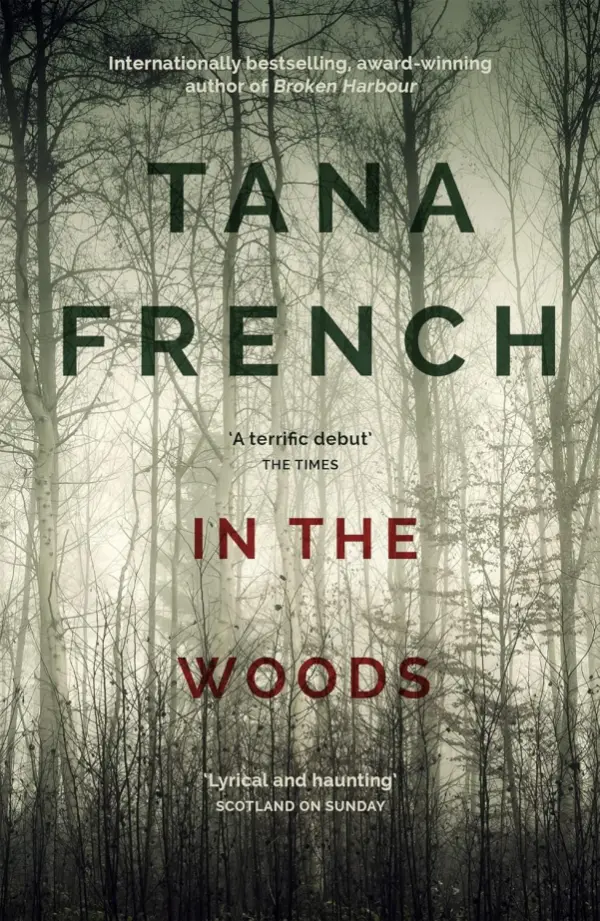
In the Woods
Tana French
Dublin Murder Squad, book 1
Average Goodreads rating3.8
Matched via its series
- Multiple POV
- Trauma and Healing

Book trope · 12 books
Someone is dead. Or robbed. Or missing. And somewhere in the room — or the village, or the country house, or the locked office — the culprit is hiding in plain sight.
More about the Whodunnit Mystery trope0 are tagged with Whodunnit Mystery individually. The others belong to a series tagged with it, which doesn’t mean every book in it features the trope, so they’re marked “Matched via its series”.
Updating books…
12 books found
Tana French
Dublin Murder Squad, book 1
Average Goodreads rating3.8
Matched via its series
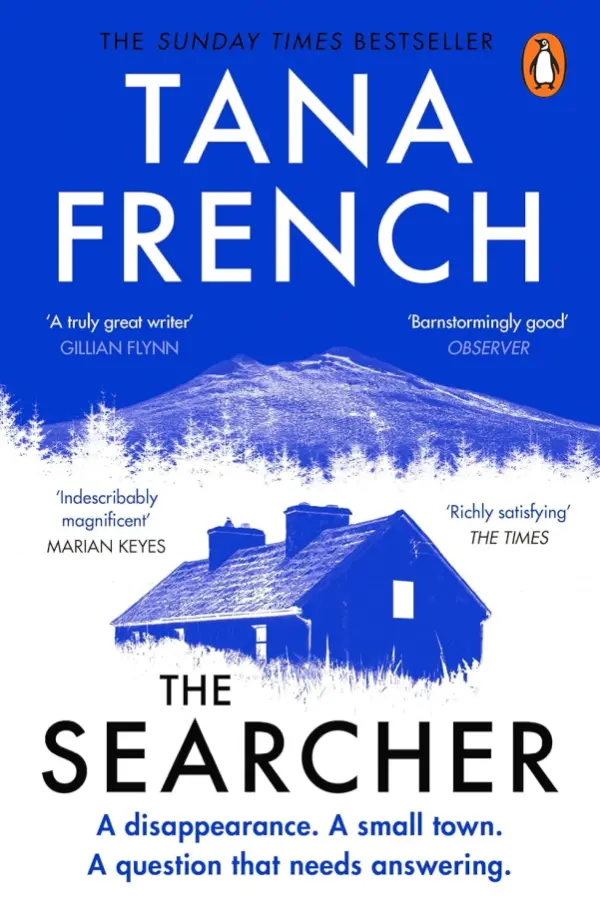
Tana French
Cal Hooper, book 1
Average Goodreads rating3.8
Matched via its series
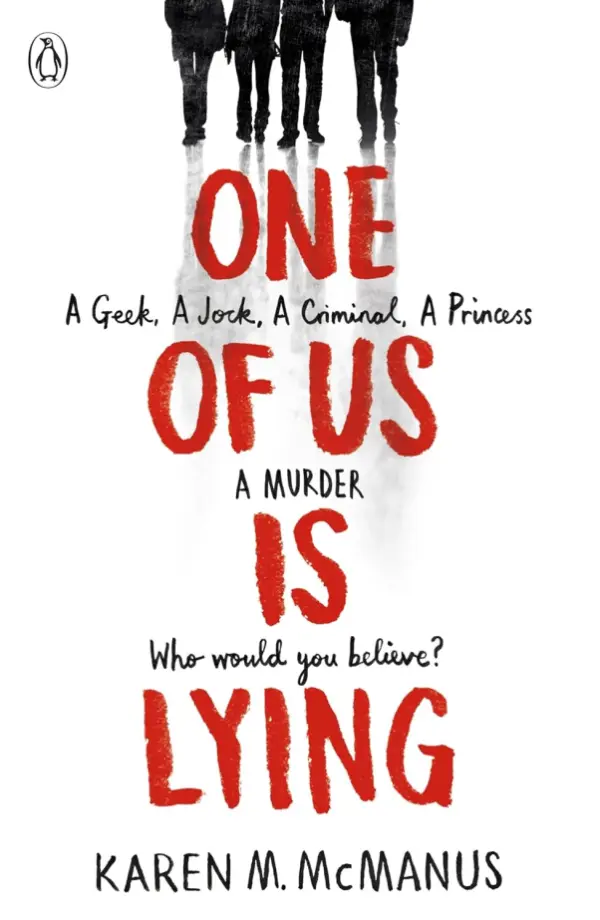
Karen M. McManus
One of Us is Lying, book 1
Average Goodreads rating4.5
Matched via its series
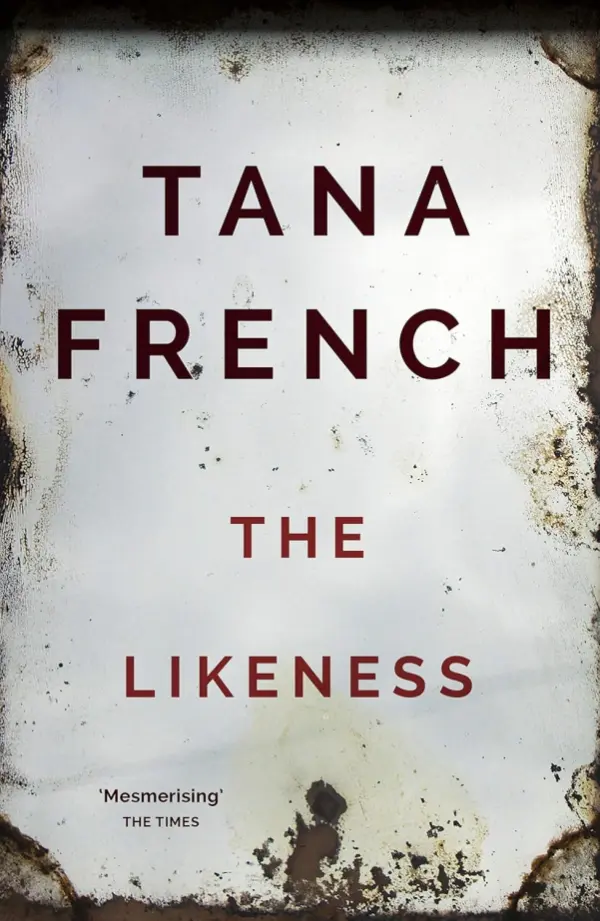
Tana French
Dublin Murder Squad, book 2
Average Goodreads rating4.1
Matched via its series
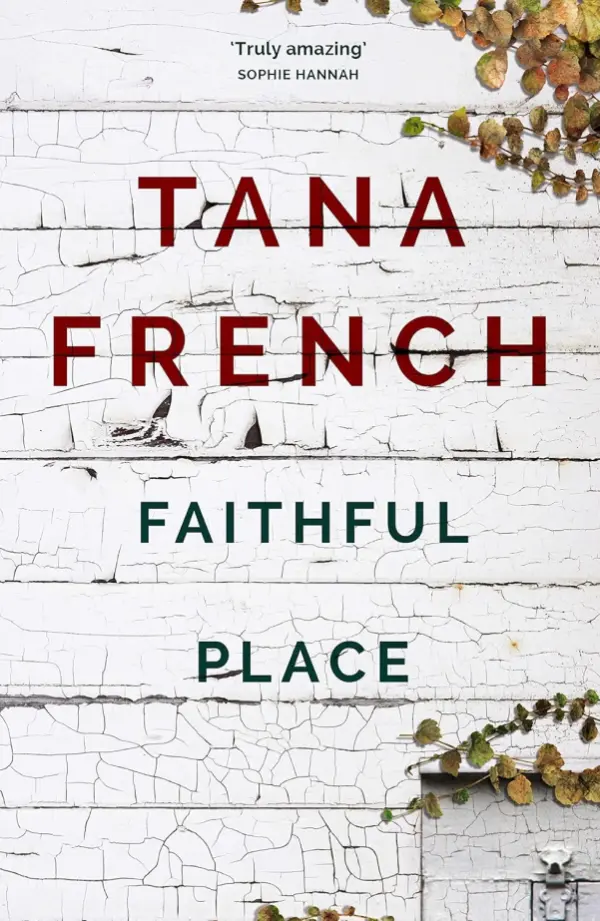
Tana French
Dublin Murder Squad, book 3
Average Goodreads rating4.0
Matched via its series
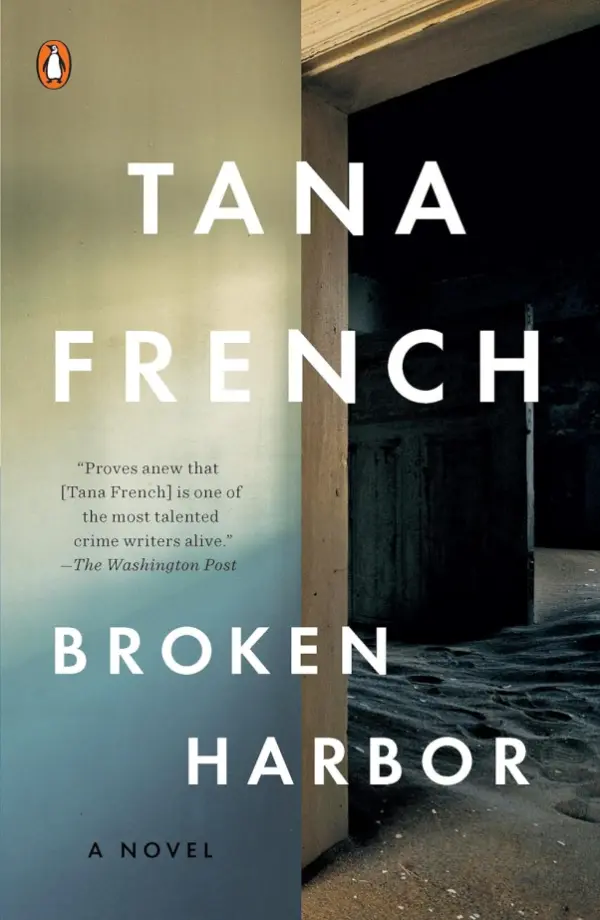
Tana French
Dublin Murder Squad, book 4
Average Goodreads rating4.0
Matched via its series
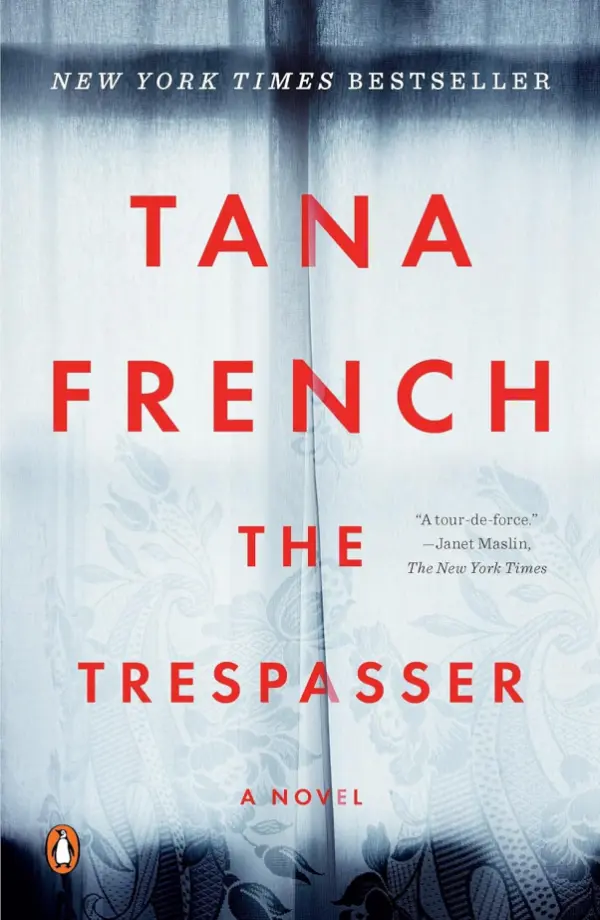
Tana French
Dublin Murder Squad, book 6
Average Goodreads rating4.0
Matched via its series

Tana French
Dublin Murder Squad, book 5
Average Goodreads rating3.8
Matched via its series
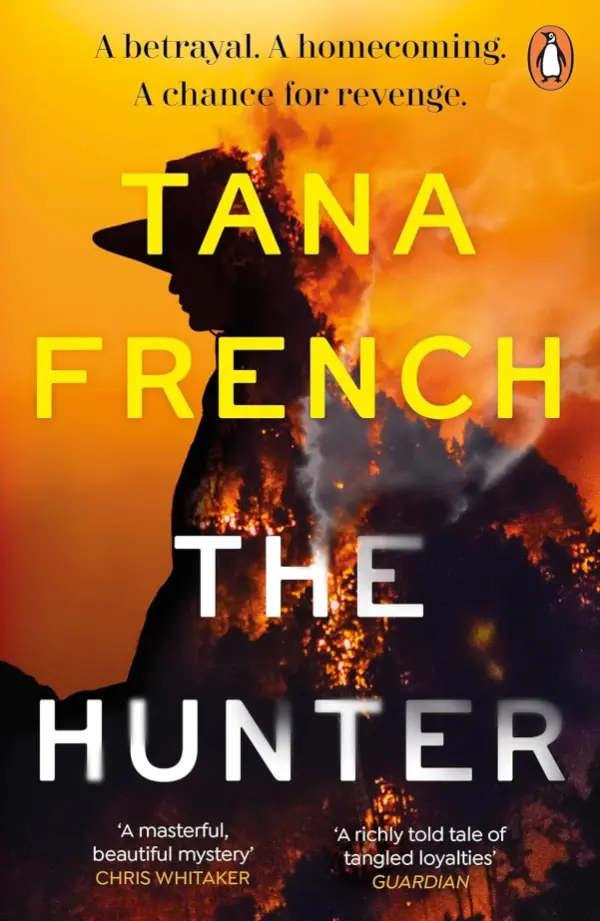
Tana French
Cal Hooper, book 2
Average Goodreads rating4.1
Matched via its series
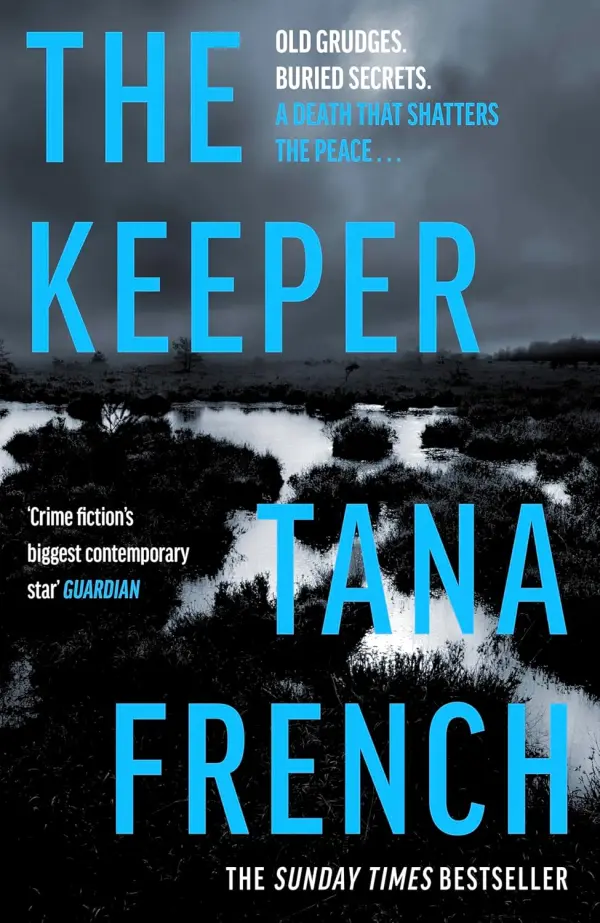
Tana French
Cal Hooper, book 3
Average Goodreads rating4.3
Matched via its series
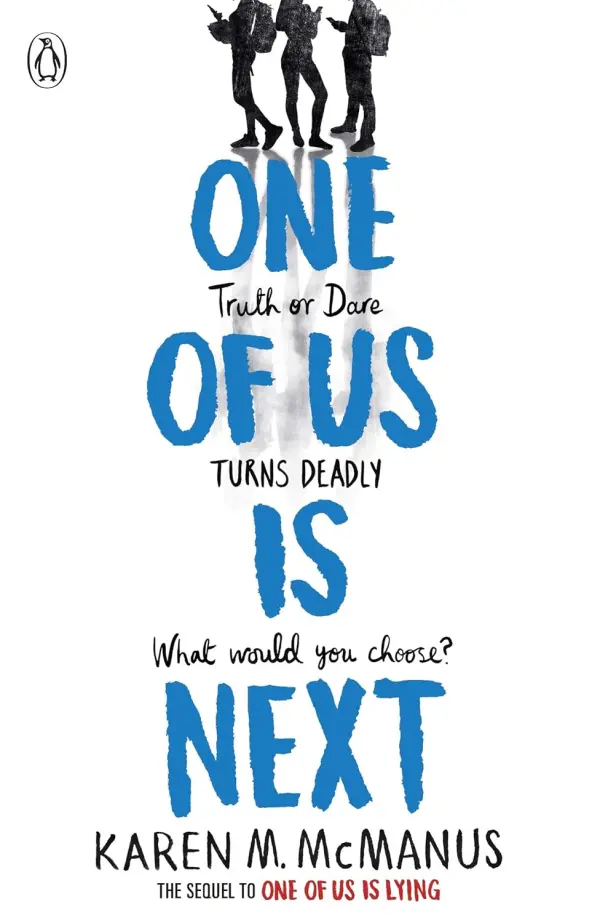
Karen M. McManus
One of Us is Lying, book 2
Average Goodreads rating4.6
Matched via its series
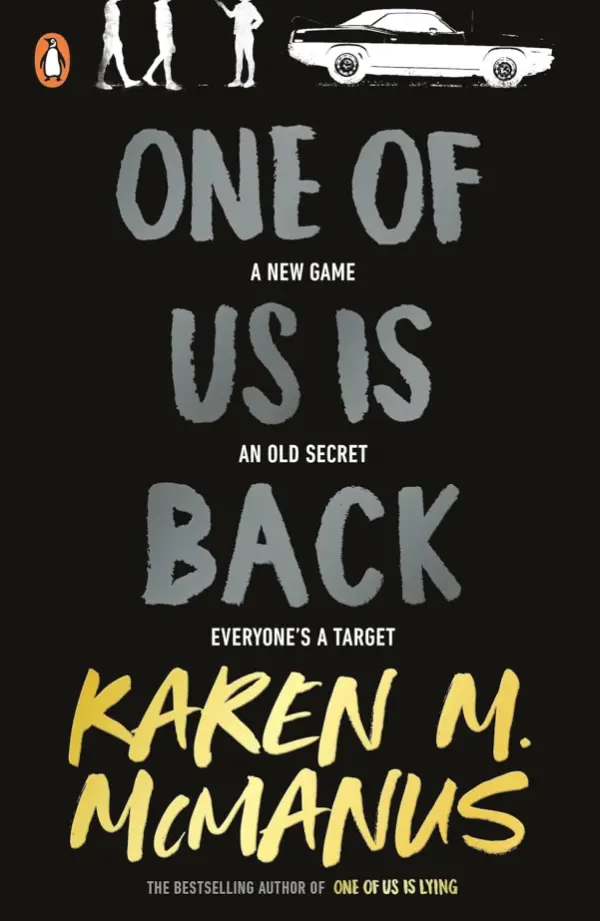
Karen M. McManus
One of Us is Lying, book 3
Average Goodreads rating4.6
Matched via its series
Tropes that share the most books with Whodunnit Mystery
Someone is dead. Or robbed. Or missing. And somewhere in the room — or the village, or the country house, or the locked office — the culprit is hiding in plain sight. The whodunnit is one of fiction's oldest and most satisfying frameworks: a puzzle dressed up as a story, where the pleasure lies not just in finding out the answer but in the game of getting there.
At its heart, the trope is built on a single, irresistible promise. The reader and the detective are given the same information, and the question is whether you'll spot it before the reveal. That challenge is what keeps readers turning pages at two in the morning even when they know, rationally, that sleep would be the better choice.
A whodunnit lives or dies on its cast of suspects. Each one needs a motive, a secret, and just enough charm or menace to make them plausible. Red herrings are the trope's stock-in-trade — clues planted not to mislead dishonestly, but to reward the attentive reader who notices which details are too convenient and which feel genuinely odd.
The detective figure is equally crucial. They might be a sharp-tongued amateur with a talent for noticing what others overlook, a weary professional who has seen too much, or an unlikely outsider thrust into the role by circumstance. What matters is that they serve as the reader's guide through the fog of half-truths and misdirection, asking the questions we'd want to ask ourselves.
Setting does a lot of work here too. Closed-circle environments — snowbound estates, ocean liners, remote islands — are a particular favourite because they concentrate the suspects and raise the stakes. When no one can leave, every dinner conversation becomes a potential confession and every locked door a clue.
The whodunnit has proved remarkably adaptable. Classic golden-age mysteries lean into the puzzle-box structure with meticulous fairness — every clue is there if you look hard enough. Cosy mysteries soften the edges with warmth, humour, and community, often centring amateur sleuths in small towns where everyone knows everyone and that familiarity is precisely the problem.
Contemporary crime fiction frequently pushes harder at the psychological angle, less interested in the mechanics of the crime than in what it reveals about the people caught up in it. Then there are the genre hybrids: whodunnits set in fantasy worlds where magic complicates the evidence, historical mysteries where social constraints shape who could possibly have done it, and romantic suspense where attraction and investigation become dangerously tangled.
Some authors play the trope entirely straight, honouring the rules with almost ceremonial precision. Others delight in subverting expectations — giving away the killer's identity early and asking why rather than who. Both approaches can be equally gripping in the right hands.
There's something deeply satisfying about a story that respects your intelligence. The whodunnit assumes you're paying attention, that you'll notice the detail on page twelve that becomes important on page two hundred, that you're an active participant rather than a passive audience. That contract between writer and reader is what gives the genre its particular energy.
It also offers something rarer than it sounds: a narrative in which disorder is eventually resolved, chaos given shape, and questions answered. In a world that rarely provides clean conclusions, there's genuine comfort in a story that promises — and delivers — the truth. The whodunnit doesn't just entertain. It scratches something fundamental about the human need to make sense of things.
One more clue is always waiting around the next corner. You just have to know where to look.
Occasional emails with new recommendations, series news and trope round-ups.