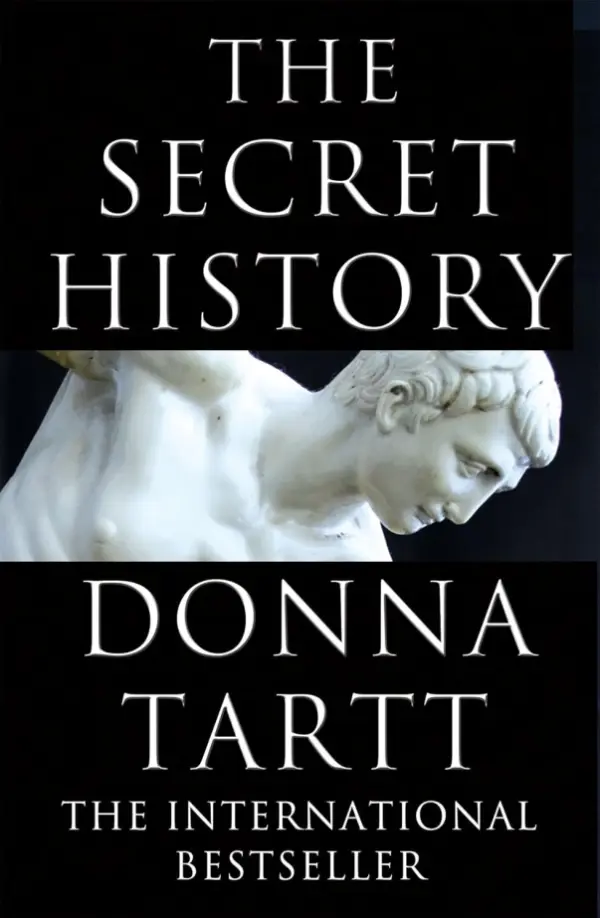
The Secret History
Donna Tartt
Average Goodreads rating4.1
- Coming of Age
- Morally Grey Characters

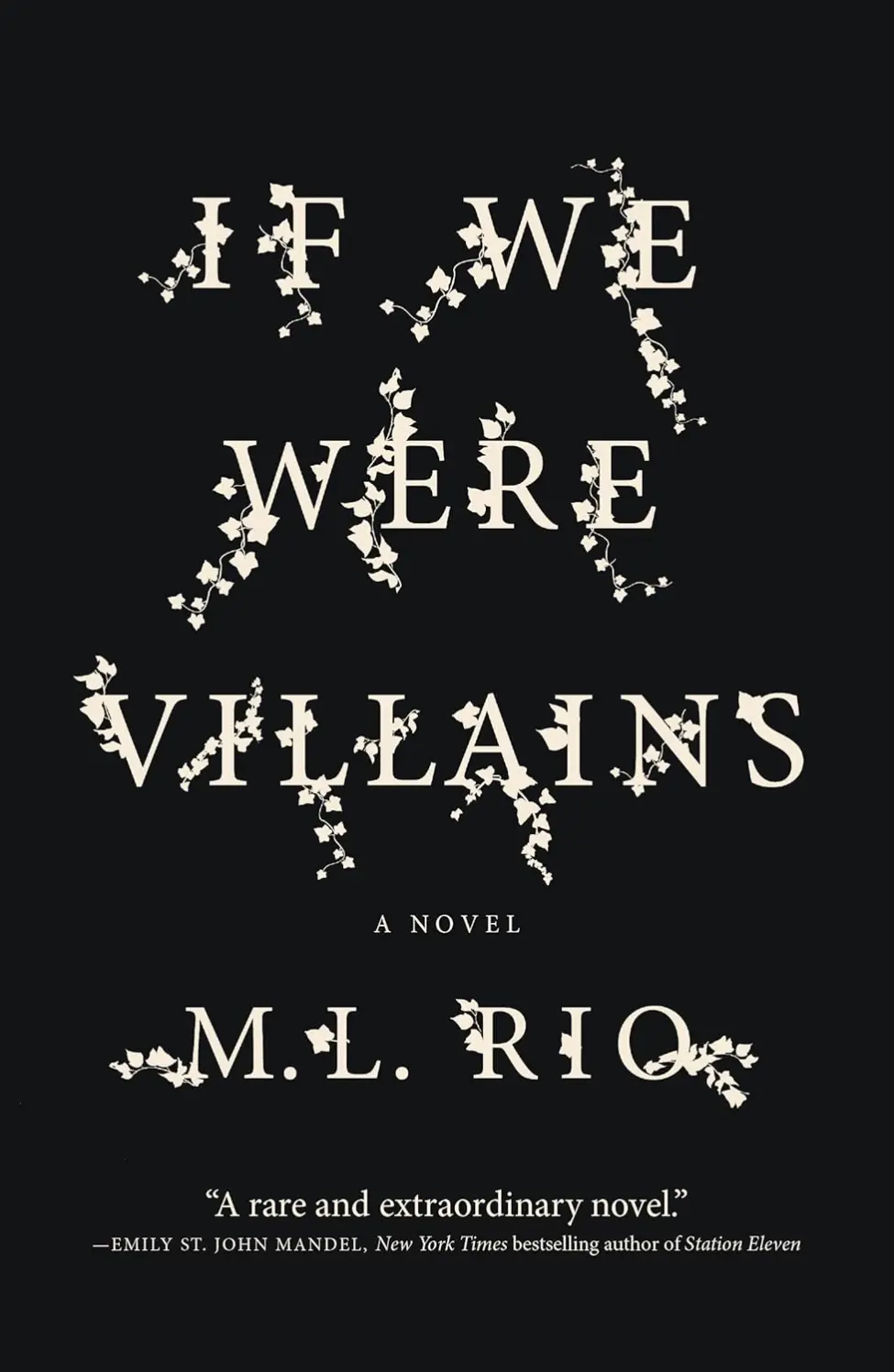
by M. L. Rio
We independently select and recommend books. Purchases made through our links may earn us a commission, at no extra cost to you. Prices and availability are set by each retailer.
If We Were Villains by M.L. Rio is a gripping dark academia thriller set at an elite Shakespeare conservatory, where seven young actors' onstage roles begin to bleed dangerously into their real lives - and one of them ends up dead.
If We Were Villains by M.L. Rio is a standalone dark academia thriller published in 2017 that has since become one of the defining novels of its genre - a book about Shakespeare, obsession, loyalty, and the terrifying proximity between performance and reality. It is the kind of novel that readers finish in a single sitting and think about for weeks afterwards: not just because of its plot, which is ingeniously constructed, but because of the questions it leaves open, and the characters it makes you care about far more than you expect to.
The premise is a structural masterstroke. Oliver Marks has just been released from prison after serving ten years for a crime whose details the novel withholds - at first. The detective who put him there is waiting at the gate on the day of his release, newly retired and determined to hear the truth before he lets it go. Oliver agrees to tell him. What follows is the story of his fourth and final year at Dellecher Classical Conservatory, an elite institution so rarefied and so deliberately sealed from the outside world that it functions almost like a pressure vessel: everything that enters is intensified, and nothing that happens inside quite obeys the rules of ordinary life.
Dellecher's fourth-year cohort is seven students - the only ones to have survived the conservatory's ruthless annual culls - who study nothing but Shakespeare and live in a small dormitory called the Castle. They are, as the novel observes early on, typecasted: the hero, the villain, the tyrant, the temptress, the ingénue, and two who play the parts that no one else wants. The academic rivals dynamic that runs through the group is not simply competitive; it is existential. These are young people whose entire sense of self has been constructed around the roles they play, and when the casting changes in their final year, the architecture of their shared identity begins to shift in ways that none of them can fully control.
Rio's handling of the unreliable narrator is one of the great pleasures of the novel. Oliver is a genuinely engaging presence - thoughtful, self-aware, and constitutively unable to see himself clearly. He tells the story from a position of claimed honesty, and the reader comes to understand, gradually, that honesty and completeness are not the same thing. The effect is not of deception but of the particular blindness that comes from being too deep inside a story to see its shape - and Rio calibrates this with extraordinary precision, so that the dramatic irony accumulates naturally rather than through manipulation.
The dark academia atmosphere of Dellecher is rendered with the sensory richness that the genre demands and that Rio, drawing on her own experience as an actor and Shakespeare scholar, delivers with complete conviction. The candlelit rehearsal rooms, the performances in the round, the peculiar intensity of a group of people who spend their days inhabiting other people's most extreme emotional states - all of it feels inhabited rather than imagined, and the beauty of the world Rio constructs is inseparable from its danger. This is elite institutions writing at its most sophisticated: a setting that seduces the reader as completely as it seduces its protagonist, so that the betrayal at the novel's heart lands with its full weight.
The ensemble at the centre of If We Were Villains is among the most memorable in recent literary fiction. Each of the seven morally grey characters is drawn with enough depth and specificity to feel genuinely real, and their relationships - the obsession and desire, the fierce loyalty, the competitive love - are the true subject of the novel. The murder mystery is the engine, but the beating heart is the question of what these seven people mean to each other, and what they are capable of doing in each other's name.
For readers who come to If We Were Villains as a BookTok sensation and find something considerably more substantial, that is entirely characteristic of Rio's achievement. This is a coming of age novel, a thriller, a study in performance and identity, and a genuinely moving meditation on friendship and culpability - all at once, and without any of those ambitions undermining the others. It is a remarkable debut, and it announces a writer whose relationship with Shakespeare, obsession, and the darkest possibilities of human connection is very far from finished.
Donna Tartt
Average Goodreads rating4.1

Olivie Blake
Atlas, book 1
Average Goodreads rating4.0
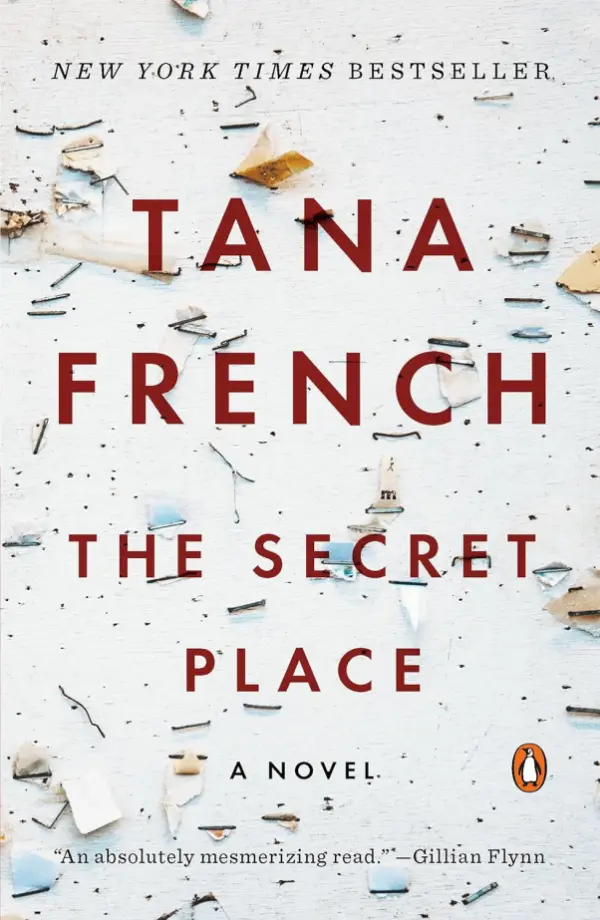
Tana French
Dublin Murder Squad, book 5
Average Goodreads rating3.8
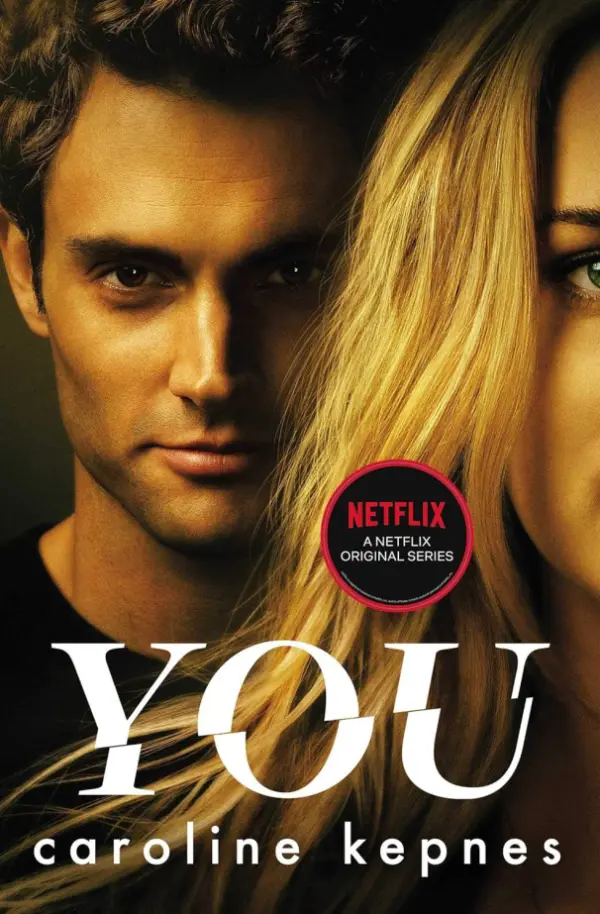
Caroline Kepnes
You, book 1
Average Goodreads rating4.2
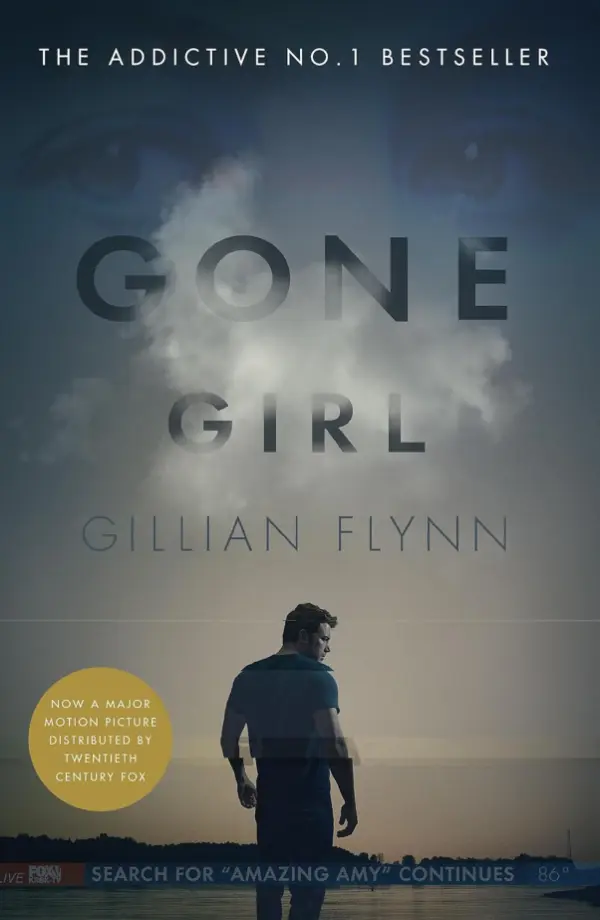
Gillian Flynn
Average Goodreads rating4.0

Leigh Bardugo
Alex Stern, book 1
Average Goodreads rating4.3
Still Looking?
Further down our similarity list, but still sharing tropes and genres with this book.
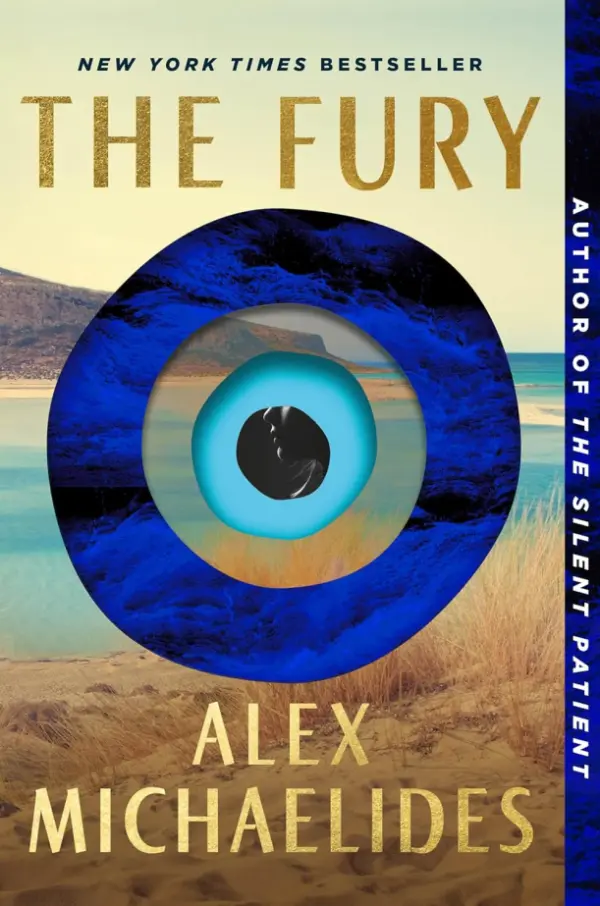
Alex Michaelides
Average Goodreads rating3.4
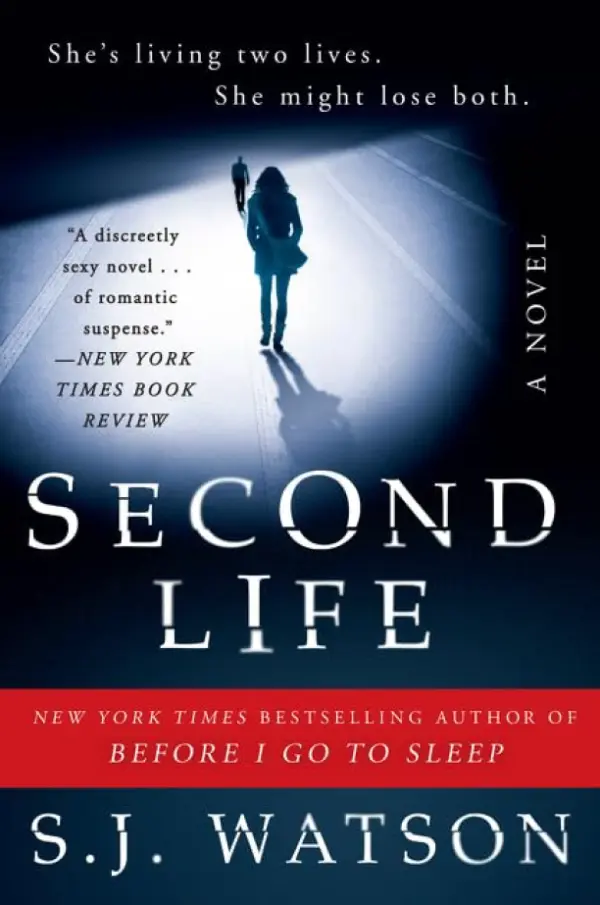
S. J. Watson
Average Goodreads rating3.3
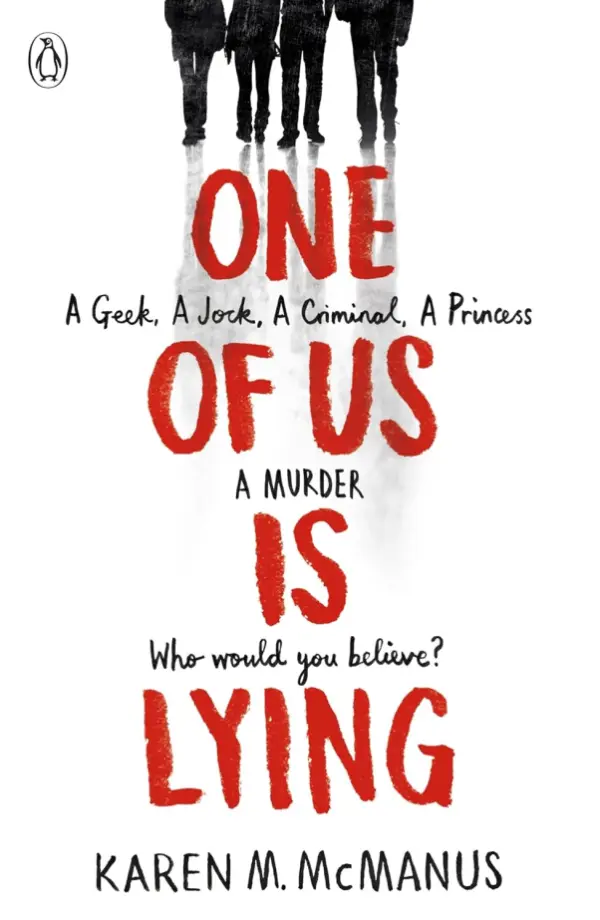
Karen M. McManus
One of Us is Lying, book 1
Average Goodreads rating4.5
Buy from Amazon (opens Amazon in a new tab)M.L. Rio is an American author, actor, and Shakespeare scholar whose debut novel If We Were Villains became an international dark academia sensation. Her work fuses theatrical obsession, moral complexity, and literary atmosphere into compulsive fiction.
Books, series and tropes by M. L. Rio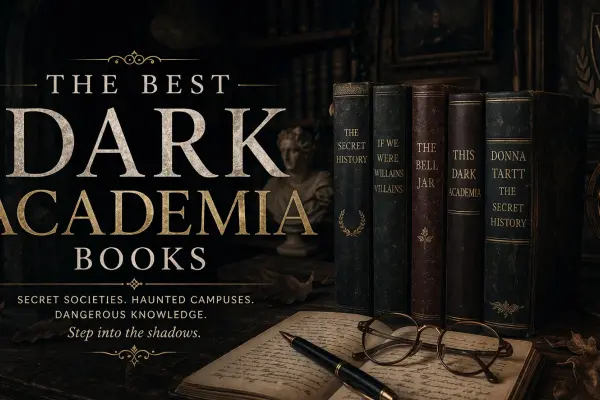
Candlelit libraries, secret societies, forbidden knowledge, and characters who are brilliant, beautiful, and utterly dangerous. The best dark academia books, from gothic classics to modern obsessions.
If We Were Villains
Buy from Amazon (opens Amazon in a new tab)Occasional emails with new recommendations, series news and trope round-ups.