
A Court of Thorns and Roses
Sarah J. Maas
A Court of Thorns and Roses (ACOTAR), book 1
Average Goodreads rating4.5

· Updated
Not all fantasy is created equal - and "it's a fantasy novel" tells you almost nothing about whether you'll love it. Choosing by trope is the smartest way to find your next obsession. Here's how to do it.

You know the feeling. You've spent twenty minutes staring at a recommendation list, read the same vague blurb about "an epic quest to save the world," and somehow still ended up three chapters into a book you're not remotely enjoying. You finish it out of stubbornness, or you abandon it with that nagging sense of guilt, and then you're back to square one.
Here's the problem: most book discovery is broken. Genre labels like "fantasy" or "epic fantasy" are essentially useless on their own - they tell you almost nothing about whether a book is actually for you. A reader who devours Fourth Wing for its sizzling romance and dragon bonds might find The Way of Kings too dense and battle-heavy. A reader who loves the brutal politics of The First Law might find romantasy unbearable. Both groups are reading fantasy. Neither is wrong. They just want completely different things.
The solution? Stop choosing by genre. Start choosing by trope.
A trope is a recurring storytelling device - a theme, relationship dynamic, plot structure, or character type that appears across many books and that readers either love or can't stand. Tropes aren't clichés (though some become clichéd through overuse). They're more like flavours. Some readers can't get enough of the enemies-to-lovers dynamic. Others live for the found family trope. Some want their protagonists to be the chosen one. Others find that setup insufferable and prefer stories where the protagonist claws their way up from nothing through sheer determination.
Knowing which tropes you love - and which ones make you roll your eyes - is one of the most reliable ways to predict whether you'll enjoy a book before you start reading it. It cuts through the noise of marketing copy and genre labels and gets straight to what actually matters: does this story have the things I love?
Here's a quick guide to some of the most beloved tropes in fantasy fiction, along with what they usually mean for the kind of story you're going to get.
Chosen One. The protagonist is singled out by prophecy, destiny, or some external force as the only person who can save the world. Done well, this creates an enormous sense of stakes and purpose. Done badly, it can feel unearned. Look for books where the author interrogates or subverts the trope rather than simply accepting it.
Enemies to Lovers. Two characters who start as adversaries gradually (or explosively) fall for each other. This is catnip for readers who love tension-filled relationships and the slow burn of two people fighting their obvious connection. It's one of the most reliably satisfying tropes in romantasy.
Found Family. A group of strangers - often thrown together by circumstance - becomes something deeper and more meaningful than blood. This trope is everywhere in fantasy, and for good reason: there's something universally resonant about choosing your people.
Dark Academia. Magic schools, ancient libraries, forbidden knowledge, and the particular pressure of being brilliant in a competitive environment. If you love the atmosphere of learning and secrets, this is your trope.
Redemption Arc. A character who has done terrible things - or who believes themselves to be beyond saving - finds a path toward something better. Some of the most compelling characters in fantasy are built around this trope.
LitRPG / Progression Fantasy. The world operates on game-like mechanics: stats, levels, skills, and systems. Characters grow stronger in measurable, satisfying ways. This is one of the fastest-growing subgenres in fantasy right now.
Dragon Riders / Dragon Bonds. A human forms an unbreakable bond with a dragon. Usually involves telepathy, shared emotions, and a relationship that's more profound than almost any human connection in the story.
Political Intrigue. Courts, power struggles, betrayal, and the grinding machinery of empire. If you find the human dynamics of power more interesting than the magic system, this is your flavour of fantasy.
Underdog Rising. The protagonist starts at the absolute bottom - powerless, overlooked, or actively despised - and builds themselves up through intelligence, determination, and hard-won growth. One of the most satisfying arcs in all of fiction.
Slow Burn Romance. This isn't exclusively a fantasy trope, but it's endemic to the genre. Two characters who clearly belong together spend several hundred pages (or several books) almost getting there. The payoff is everything.
Prophecy. An ancient evil is rising, and only the heroes can stop it. This is one of the oldest structures in fantasy and, in the right hands, still absolutely works.
Here's where it gets interesting: most fantasy novels aren't built around a single trope. They're built around combinations. And knowing which combinations you love is even more useful than knowing your individual trope preferences.
For example, if you love both found family and enemies to lovers, you're probably going to adore a story where a group of mismatched characters gradually bonds - and two of them spend most of the book pretending they don't have feelings for each other. That's a very specific kind of reading experience, and knowing you want it helps you find it.
Similarly, if you love progression fantasy but also want political intrigue, you need a book where the power system intersects meaningfully with court dynamics - not just a dungeon-crawling power fantasy set in a castle. Those are different books. Trope awareness helps you tell them apart.
Make a list of tropes you love. Think about your favourite books and ask yourself: what do they have in common? Is it the relationship dynamics? The magic system? The structure of the protagonist's journey? Most readers can identify three or four tropes they reliably enjoy once they think about it consciously.
Identify your dealbreakers. This is equally important. Some readers find the chosen one trope insufferable. Others avoid anything with an open romance thread. Some can't stand first-person narration. Knowing what you don't want is just as powerful as knowing what you do.
Search by trope, not by genre. This is where TropeTrove comes in. Rather than searching for "epic fantasy" or "YA fantasy" - labels that tell you almost nothing useful - you can search for the specific story elements you want. Enemies-to-lovers fantasy with dragons? Found family LitRPG? Slow burn romance in a magic academy? The more specific your trope combination, the more accurate your results will be.
Pay attention to what surprises you. Sometimes you'll read a book that contains a trope you thought you didn't like - and realise you actually love it when it's executed well. Keep track of those moments. Your trope preferences aren't fixed; they evolve as you read more.
Read the right reviews. When you're researching a book, look for reviews from readers who share your trope preferences. A review that says "if you love slow burn romance and political intrigue, this is a five-star read" is infinitely more useful than a general star rating.
To show you exactly how powerful trope-based discovery can be, here are some starting points based on specific combinations.
If you love enemies to lovers + dragon bonds: Fourth Wing by Rebecca Yarros is an almost perfect execution of both tropes simultaneously. The tension between the two leads is electric, and the dragon bond mechanics are genuinely inventive.
If you love found family + dark tone: The Lies of Locke Lamora by Scott Lynch gives you a crew of thieves who feel like genuine family - in a world that's actively trying to destroy them.
If you love underdog rising + progression fantasy: Cradle by Will Wight is one of the most satisfying underdog stories in the genre, with a protagonist who starts at absolute zero and earns every single step up.
If you love political intrigue + morally grey characters: The First Law Trilogy by Joe Abercrombie is the gold standard. Nobody does moral ambiguity in fantasy better.
If you love magic academy + dark academia: The Name of the Wind by Patrick Rothfuss spends considerable time in a magical university setting, and it's some of the best magic-school fiction ever written.
If you love portal fantasy + LitRPG: He Who Fights with Monsters by Shirtaloon combines both with a sharp sense of humour and genuinely impressive world-building.
Genre labels are a starting point, not a destination. They tell you roughly what world you're entering, but they say almost nothing about whether the experience of that world is going to be one you love. Tropes do that. Tropes are the DNA of a story - the things that make it feel familiar and satisfying in the specific ways you're looking for.
The more clearly you understand your own trope preferences, the less time you'll waste on books that aren't for you, and the more quickly you'll find the ones that are. And in a genre as vast and rich as fantasy, that's not a small thing.
So next time you're looking for your next read, skip the genre filter. Find your tropes. Your perfect book is out there - you just need the right map to find it.
Ready to find your next read? Explore our full library of trope-based book recommendations - from A Court of Thorns and Roses by Sarah J. Maas and Eragon by Christopher Paolini to books like Dungeon Crawler Carl by Matt Dinniman.
Sarah J. Maas
A Court of Thorns and Roses (ACOTAR), book 1
Average Goodreads rating4.5

Rebecca Yarros
The Empyrean, book 1
Average Goodreads rating4.8

Christopher Paolini
The Inheritance Cycle, book 1
Average Goodreads rating4.6
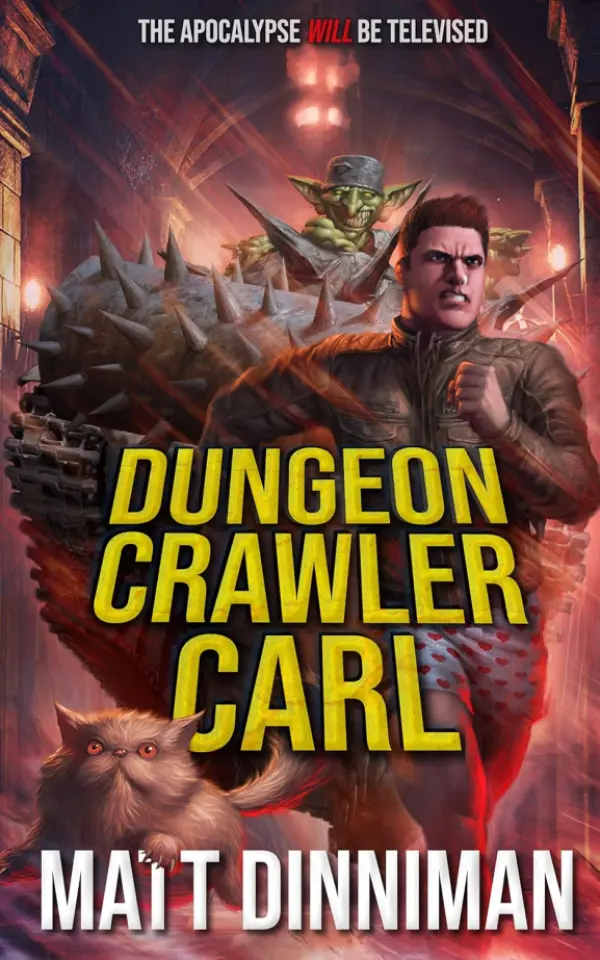
Matt Dinniman
Dungeon Crawler Carl, book 1
Average Goodreads rating4.6
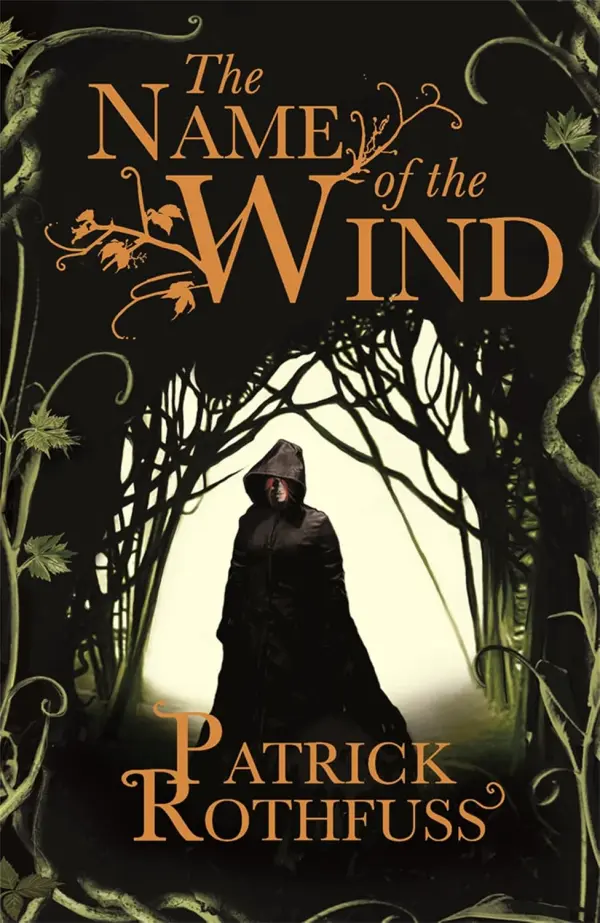
Patrick Rothfuss
The Kingkiller Chronicle, book 1
Average Goodreads rating4.6
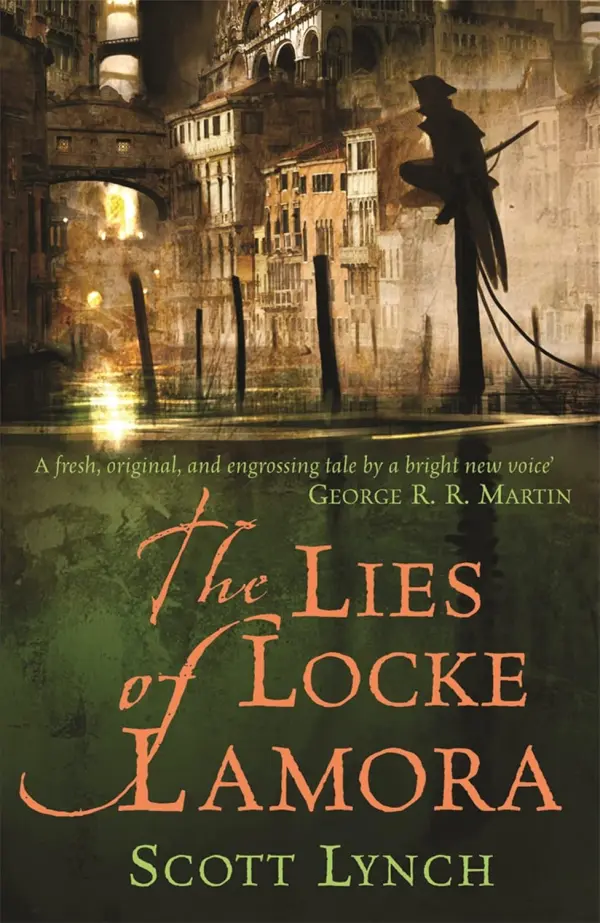
Scott Lynch
The Gentleman Bastard Sequence, book 1
Average Goodreads rating4.6
Occasional emails with new recommendations, series news and trope round-ups.