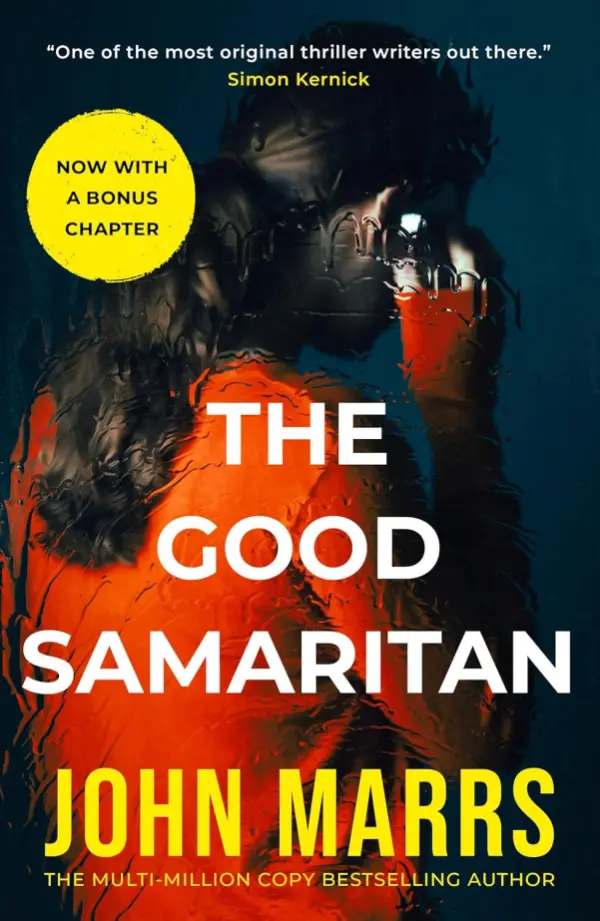
The Good Samaritan
John Marrs
Average Goodreads rating4.1
- Morally Grey Characters
- Multiple POV

Book trope · 6 books
Psychological horror is the branch of horror fiction that gets under your skin and stays there. Rather than relying on monsters, gore, or jump-scare mechanics, it targets the mind directly — eroding certainty, distorting reality, and making the reader question what, exactly, can be trusted.
More about the Psychological Horror trope4 are tagged with Psychological Horror individually. The others belong to a series tagged with it, which doesn’t mean every book in it features the trope, so they’re marked “Matched via its series”.
Updating books…
6 books found
John Marrs
Average Goodreads rating4.1
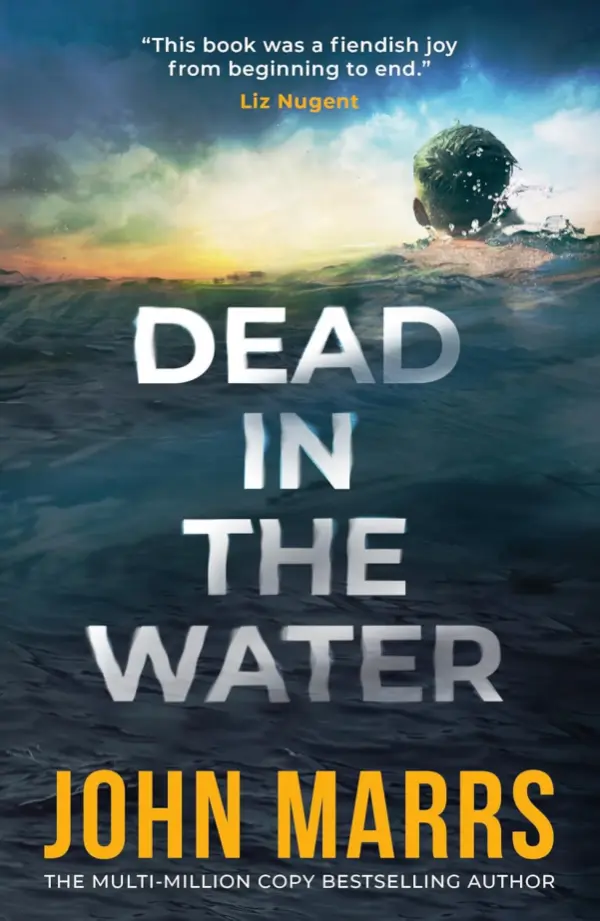
John Marrs
Average Goodreads rating3.9
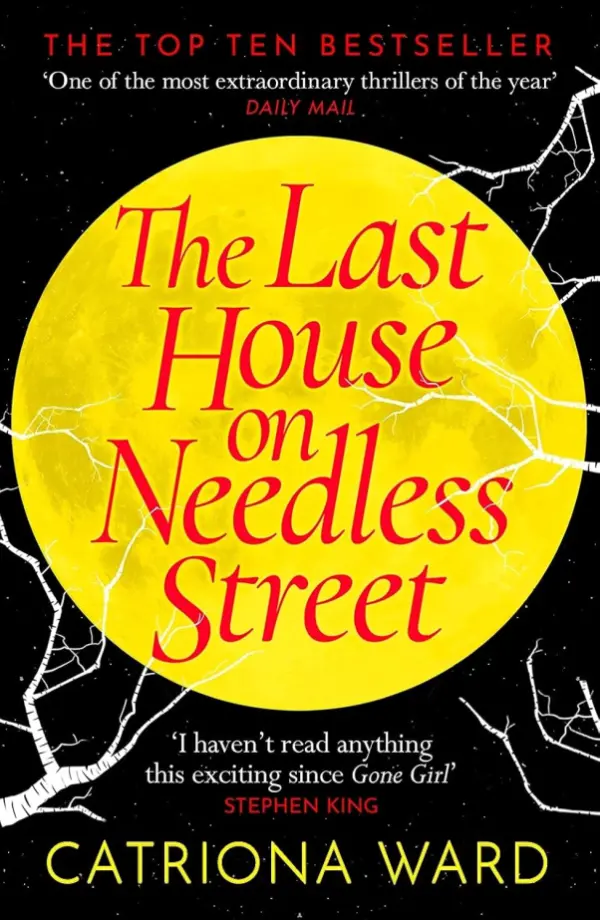
Catriona Ward
Average Goodreads rating3.9
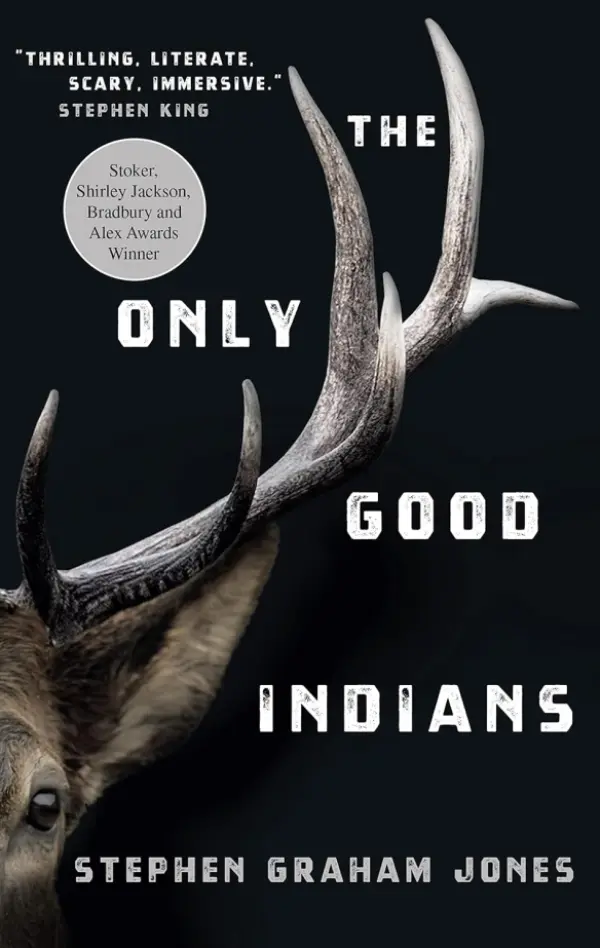
Stephen Graham Jones
Average Goodreads rating3.8
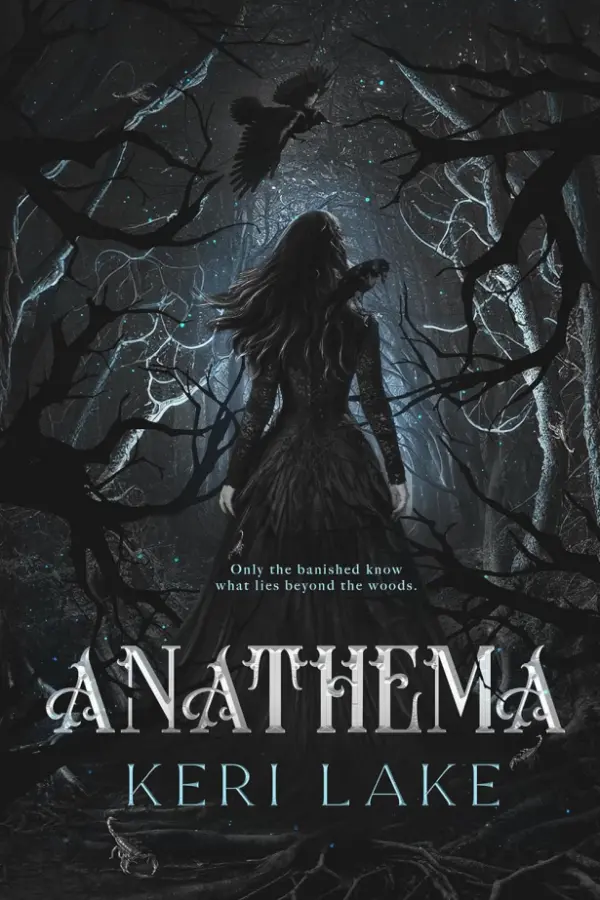
Keri Lake
The Eating Woods, book 1
Average Goodreads rating4.4
Matched via its series
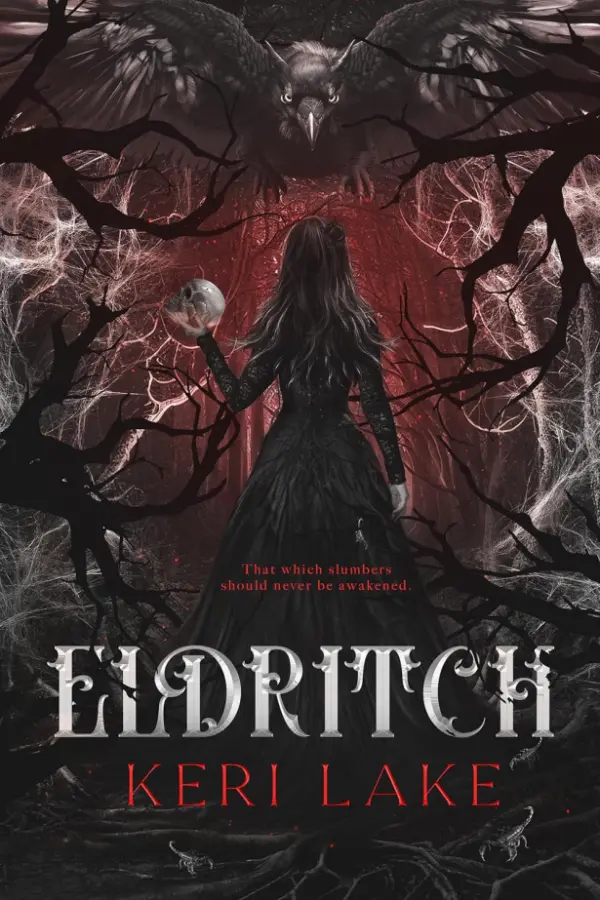
Keri Lake
The Eating Woods, book 2
Average Goodreads rating4.4
Matched via its series
Tropes that share the most books with Psychological Horror
Psychological horror is the branch of horror fiction that gets under your skin and stays there. Rather than relying on monsters, gore, or jump-scare mechanics, it targets the mind directly — eroding certainty, distorting reality, and making the reader question what, exactly, can be trusted. The threat might be internal: a narrator unravelling, a grief that curdles into something dangerous, a guilt that won't stay buried. Or it might be external but invisible, the kind of dread that can't be outrun because it lives in perception itself.
What makes readers return to this subgenre isn't masochism. It's the particular thrill of being genuinely unsettled by language alone. A sentence constructed just so can produce more unease than any amount of described violence. Psychological horror earns its scares through accumulation — of detail, of doubt, of the slow dawning realisation that something has been wrong for much longer than you noticed.
Unreliable narrators are perhaps the most recognisable calling card. When the person telling the story cannot be trusted — whether through mental illness, trauma, manipulation, or outright deception — every scene becomes a puzzle. The reader is constantly recalibrating, holding two or three interpretations in mind at once. This narrative instability is uncomfortable in the best possible way.
Atmosphere does heavy lifting here. Psychological horror tends to favour enclosed or inescapable spaces: old houses, small towns, institutions, relationships. The walls close in gradually. Time can feel slippery, looping, or fractured. Normal domestic details — a sound from another room, a door left ajar — accumulate a weight they don't usually carry. Authors working in this mode understand that the mundane, slightly wrong, is far more disturbing than the overtly monstrous.
Isolation is another constant. Characters are cut off from help, from sanity, from their own reliable sense of self. Sometimes that isolation is physical. More often it's social — disbelief from those around them, the particular loneliness of knowing something is wrong and being unable to make anyone else see it.
The genre bleeds into gothic fiction, where inherited trauma and crumbling ancestral settings provide the architecture for psychological collapse. It crosses into domestic noir, particularly in stories where danger is intimate — a partner, a family member, someone who should be safe. There's a significant strand that borders on literary fiction, prioritising interiority and ambiguity over plot mechanics, where the horror resides entirely in what is left unexplained.
Gaslighting narratives deserve their own mention. Stories built around one character systematically dismantling another's grasp on reality have become a distinct and popular subtype, resonating far beyond horror readerships. They work because the mechanism of harm is so recognisable — and so hard to name while it's happening.
Some psychological horror leans into the supernatural as a possibility rather than a certainty. The ghost might be real; the haunting might be internal. Keeping that ambiguity unresolved is often a deliberate choice, because the moment a story commits to one explanation, half the dread evaporates.
Horror that frightens through psychology rather than spectacle tends to linger. The images don't fade when you close the book because they're not images — they're ideas, doubts, the nagging sense that the floor beneath ordinary life is less solid than it appears. Readers who love this subgenre describe a particular kind of reading experience: tense, absorbed, slightly reluctant to look up from the page, and completely unable to stop.
It asks something of its audience. You have to pay attention, hold contradictions, resist the urge to resolve ambiguity too quickly. That active engagement is part of the pleasure. Psychological horror treats its readers as intelligent, and it rewards them by refusing to make things comfortable.
Once it's got you, it doesn't really let go.
Occasional emails with new recommendations, series news and trope round-ups.