Recursion
Blake Crouch
Average Goodreads rating4.4
- Time Travel
- Memory Manipulation

Book series · 5 books
The Ender Quintet by Orson Scott Card follows Andrew "Ender" Wiggin from child war hero to Speaker for the Dead. This landmark sci-fi series explores empathy, moral responsibility, and humanity's relationship with alien species across thousands of years.
Start the series here · book 1
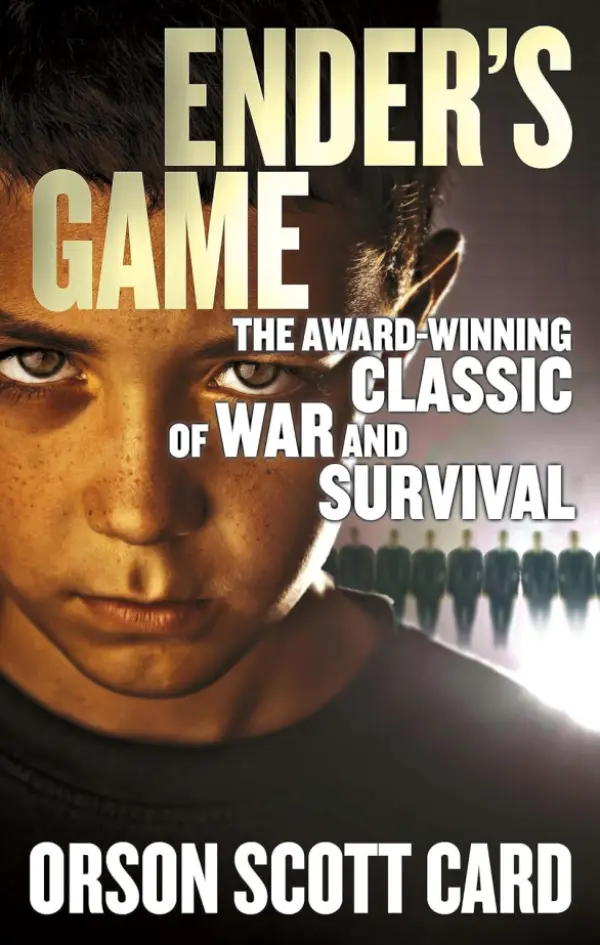
Ender's Game by Orson Scott Card follows six-year-old Ender Wiggin, recruited into a space battle school to train humanity's greatest commander. This landmark sci-fi novel explores child manipulation, empathy, and the devastating cost of war against alien enemies.
352 pages
Retailer links may earn Trope Trove a commission, at no extra cost to you.
Start here 352 pages Goodreads rating4.5
336 pages Goodreads rating4.5
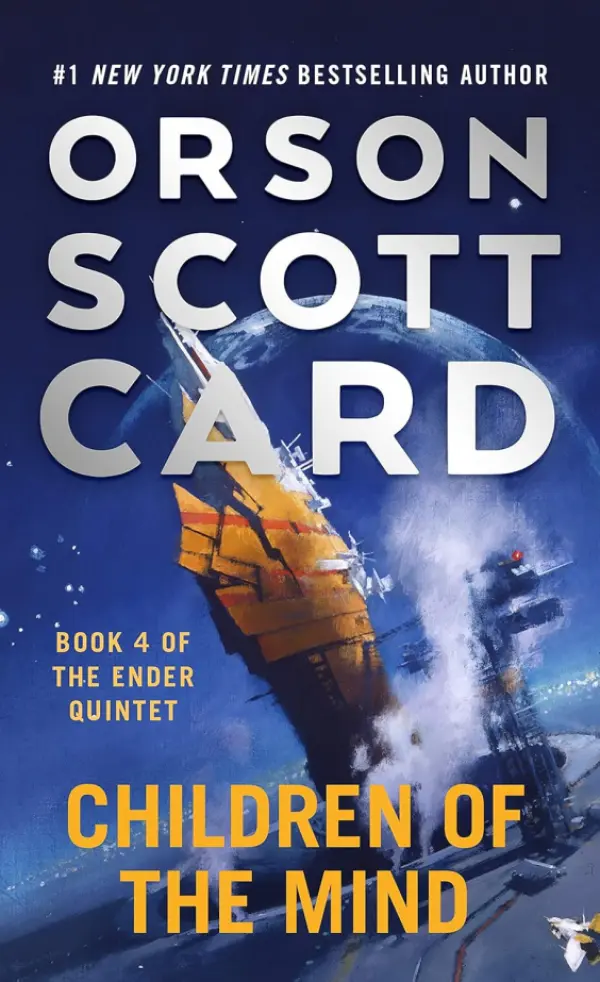
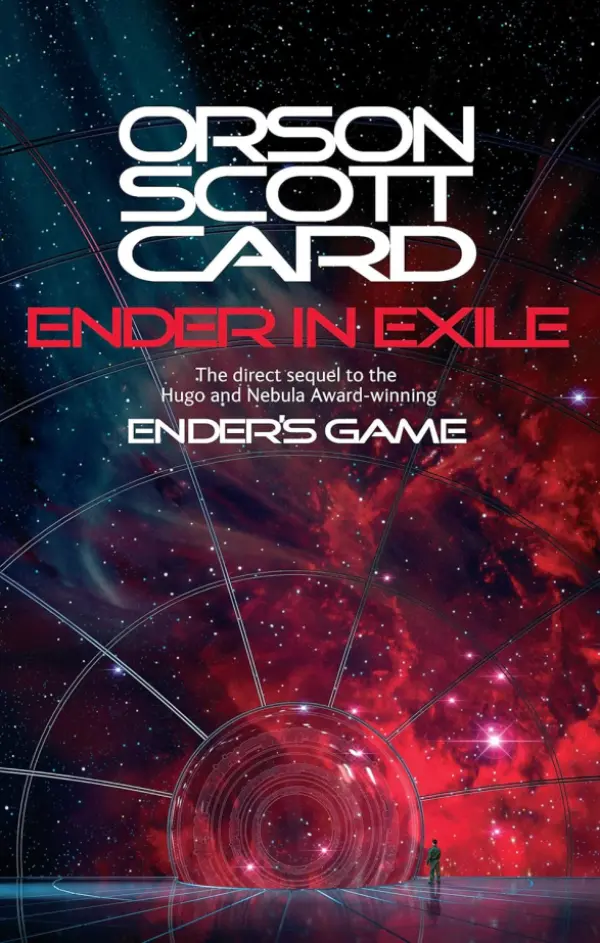
The Ender Quintet is Orson Scott Card's landmark science fiction series following Andrew "Ender" Wiggin across millennia, evolving from military sci-fi thriller to philosophical meditation on empathy, consciousness, and moral responsibility. Beginning as a taut story about child soldiers trained to defeat alien enemies, the series gradually expands into one of science fiction's most ambitious explorations of what it means to understand another being—whether alien, human, or something entirely new. Each book shifts dramatically in tone and scope whilst maintaining Ender's journey as emotional anchor.
Ender's Game (1985) introduces six-year-old Andrew "Ender" Wiggin, recruited into a space-based battle school after humanity's near-destruction by the Formics—an alien species whose biology and motivations remain deeply misunderstood. Ender proves exceptional at the school's war games, his ability to understand opponents (even to love them whilst destroying them) making him the perfect commander. The novel builds toward a devastating revelation about the nature of Ender's "final exam" and the true cost of humanity's survival. Card explores how children are manipulated by adults, the ethics of creating child soldiers, and whether understanding your enemy and destroying them are compatible acts.
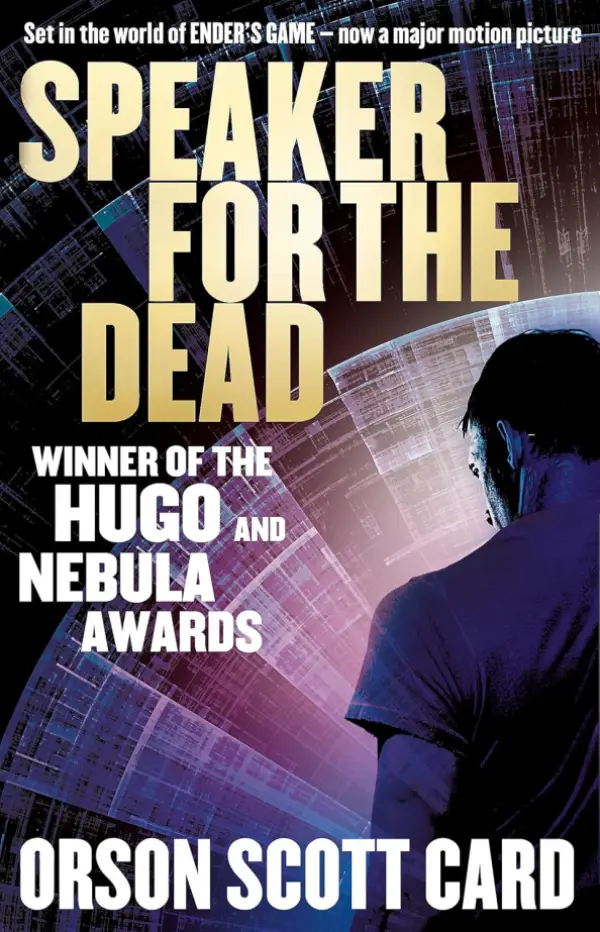
Speaker for the Dead (1986) jumps 3,000 years forward. Ender, now middle-aged (slowed aging through relativistic space travel), has become a Speaker for the Dead—someone who tells the complete, unflinching truth about a deceased person's life. Called to the world of Lusitania, where humans coexist uneasily with the Pequenos (Piggies), an intelligent alien species, Ender must unravel their mysterious biology and ritualistic killings whilst mediating conflicts between the human colony, the Catholic Church, and the alien species. The novel won both Hugo and Nebula Awards and is widely considered Card's masterpiece, exploring empathy, moral responsibility, and whether humanity has learned anything from its destruction of the Formics.
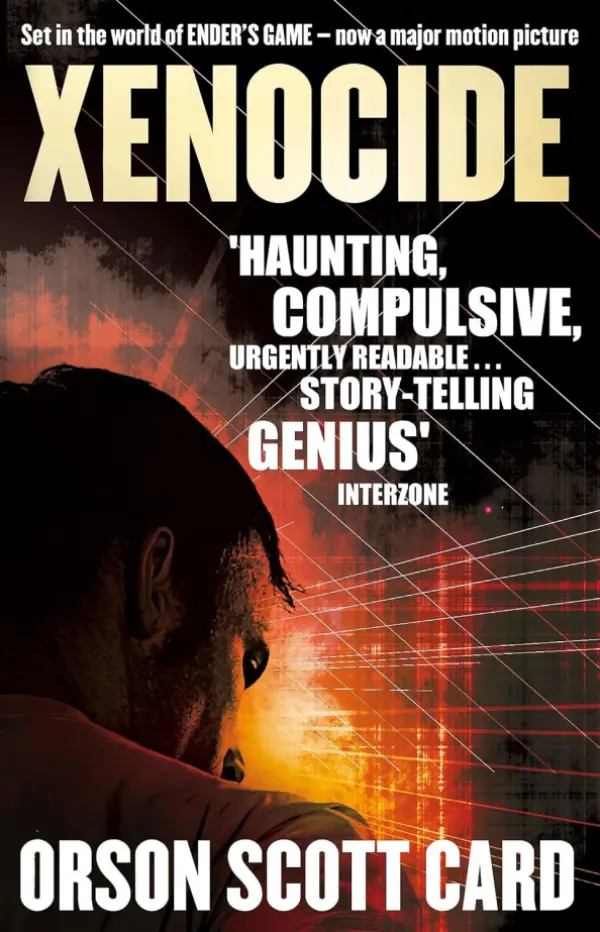
Xenocide (1991) escalates as the Pequenos' biology reveals connections to a third intelligent species—the Hive Queen, last surviving Formic, whom Ender has been nurturing. The novel explores consciousness, genetic manipulation, and whether humanity's pattern of destroying what it doesn't understand will repeat. Card introduces the concept of the "philos"—beings driven by love and understanding rather than fear—whilst examining how societies respond to radical otherness.
Children of the Mind (1996) concludes Ender's personal journey as he faces his own mortality and the consequences of choices spanning millennia. The novel explores consciousness, identity, and whether a person can exist simultaneously in multiple forms. Card wraps Ender's arc whilst addressing the philosophical questions accumulated across previous books.
Ender in Exile (2008) fills the gap between Ender's Game and Speaker for the Dead, following young Ender as he travels between colonies, searching for purpose after the devastating events of the first book. The novel examines adolescence, identity, and how one carries the weight of having committed genocide whilst believing it was necessary.
The quintet is characterized by dramatic tonal shifts across books, philosophical depth increasing with each instalment, empathy as central theme, alien species examined with genuine curiosity, religious elements (particularly Catholic theology), family dynamics driving character development, and science fiction exploring consciousness and identity.
Common themes include empathy versus destruction, moral responsibility across generations, understanding versus judging, the ethics of war and genocide, consciousness and identity, religious faith and moral philosophy, family bonds and obligation, and whether humanity deserves redemption after destroying species it didn't understand.
Card's prose remains accessible throughout, balancing philosophical complexity with emotional immediacy. Each book reads as complete story whilst building toward larger questions, making the series rewarding both as individual novels and as cumulative exploration.
What distinguishes the Ender Quintet is its evolution. Ender's Game is military sci-fi thriller. Speaker for the Dead is philosophical literary fiction. Xenocide explores biological horror and consciousness. Each shift serves Card's expanding examination of empathy and moral responsibility, proving science fiction can tackle literary themes without sacrificing accessibility.
The series' cultural impact is significant—Ender's Game influenced military strategy discussions, whilst Speaker for the Dead demonstrated science fiction's capacity for moral and philosophical depth.
Orson Scott Card is a bestselling American author celebrated for science fiction and fantasy. Known for Ender's Game and Speaker for the Dead, he crafts thought-provoking stories exploring empathy, morality, family, and humanity's place in the universe.
Books, series and tropes by Orson Scott Card
Blake Crouch
Average Goodreads rating4.4
Suzanne Collins
Hunger Games, book 1
Average Goodreads rating4.7
Neal Stephenson
Average Goodreads rating4.2

Brandon Sanderson
Skyward, book 1
Average Goodreads rating4.6

Neal Shusterman
Arc of a Scythe, book 1
Average Goodreads rating4.5

Christopher Ruocchio
The Sun Eater, book 1
Average Goodreads rating4.3
Brandon Sanderson
4 books
Pierce Brown
6 books · complete series
James Islington
2 books · complete series
Neal Shusterman
3 books
R. F. Kuang
3 books
Arkady Martine
2 books
Occasional emails with new recommendations, series news and trope round-ups.


