
Book 1
Ender's Game
Average Goodreads rating4.5

Author · American
Orson Scott Card is a bestselling American author celebrated for science fiction and fantasy. Known for Ender's Game and Speaker for the Dead, he crafts thought-provoking stories exploring empathy, morality, family, and humanity's place in the universe.
New to Orson Scott Card? A popular place to start
Book 1 of Ender Quintet
Ender's Game by Orson Scott Card follows six-year-old Ender Wiggin, recruited into a space battle school to train humanity's greatest commander. This landmark sci-fi novel explores child manipulation, empathy, and the devastating cost of war against alien enemies.
Picked from Orson Scott Card’s most widely rated books on Goodreads, starting at the beginning of its series.
Retailer links may earn Trope Trove a commission, at no extra cost to you.
5 books in reading order
Book 1
Average Goodreads rating4.5
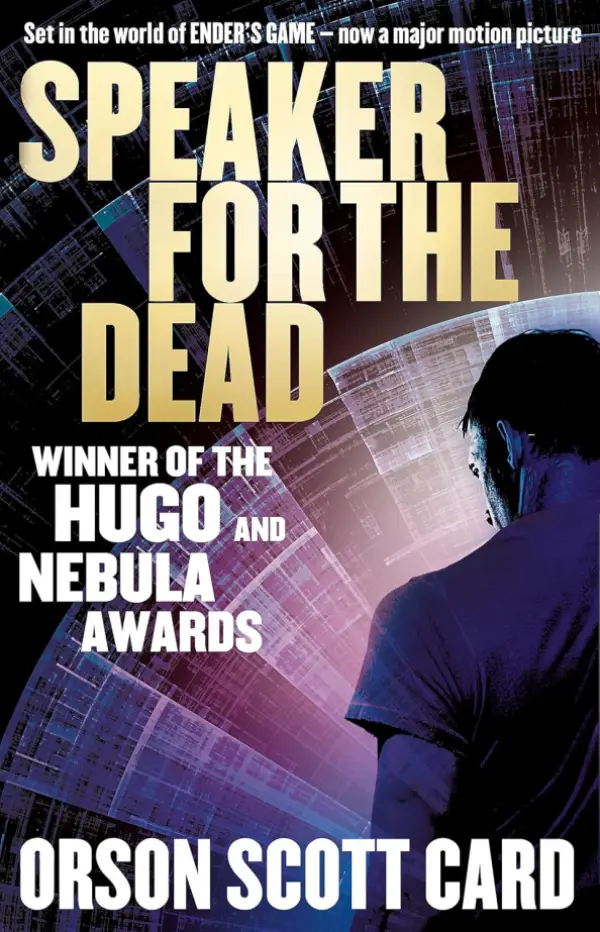
Book 2
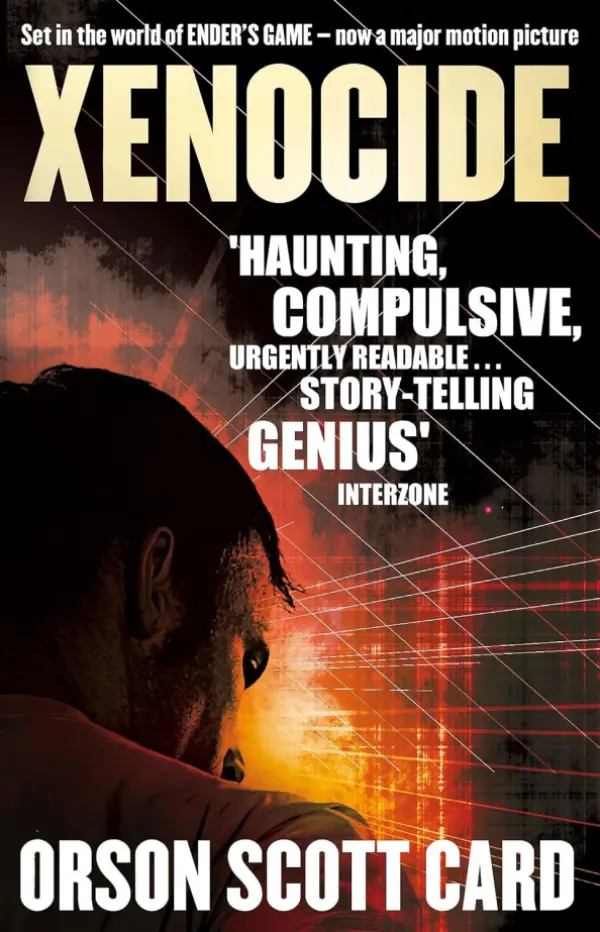
Average Goodreads rating4.5
Book 3
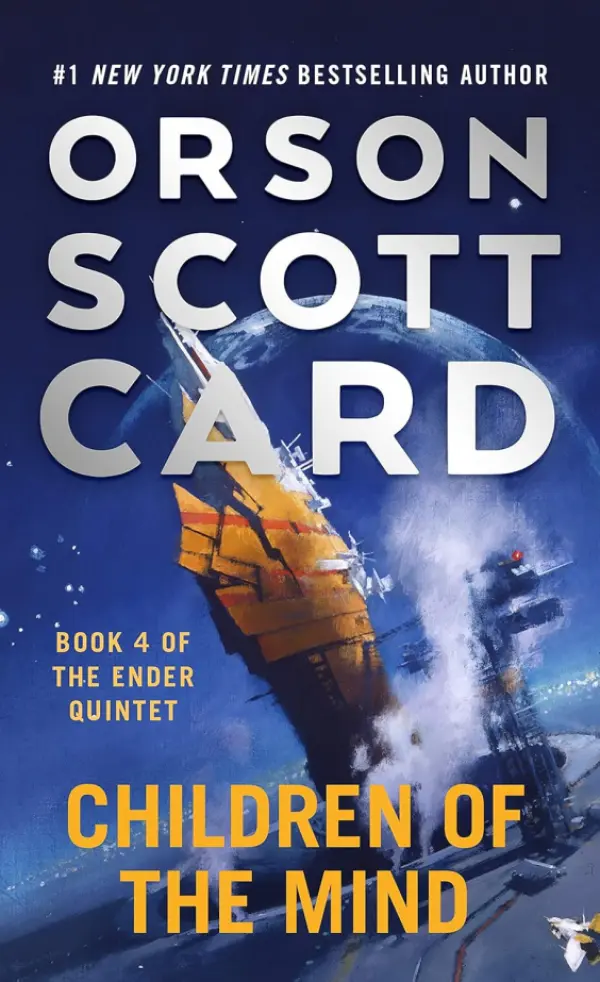
Book 4
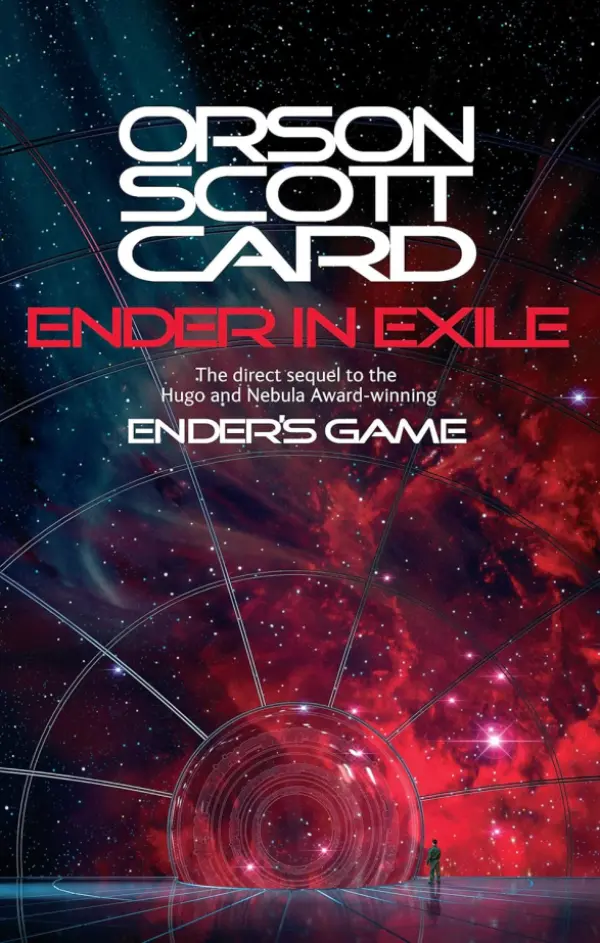
Book 5
Orson Scott Card is an American author who has become one of science fiction's most influential voices, winning both the Hugo and Nebula Awards in consecutive years - a feat achieved only once before in the genre's history. With dozens of novels spanning science fiction, fantasy, historical fiction, and literary fiction, Card demonstrates remarkable range whilst maintaining thematic consistency: his work consistently explores questions about empathy, moral responsibility, family bonds, and what it means to truly understand another being. His influence extends beyond literature into gaming, film development, and academic discussions about science fiction's literary merit.
Card's breakthrough came with Ender's Game (1985), following Andrew "Ender" Wiggin, a child prodigy recruited into a battle school in space to train for war against an alien species called the Formics. The novel examines military strategy, the ethics of using children as weapons, and whether understanding your enemy constitutes loving them. Its exploration of empathy - Ender's greatest strength as strategist is his ability to think as his opponents think, even to love them - became one of science fiction's most discussed themes. The 2013 film adaptation brought the story to wider audiences.
Speaker for the Dead (2004) became Card's critically acclaimed masterpiece, winning both Hugo and Nebula Awards. Set 3,000 years after Ender's Game, the novel follows an older Ender who has become a Speaker for the Dead - someone who tells the complete, honest story of a deceased person's life, regardless of whether the truth is comfortable. When called to a world where humans coexist uneasily with an alien species called the Pequenos (Piggies), Ender must unravel the mysteries of their biology, culture, and seemingly ritualistic murders.
The Ender saga continues through Xenocide (1991) and Children of Dune (1996), exploring increasingly complex questions about consciousness, moral responsibility, and the nature of life itself. Card expands the universe whilst deepening philosophical examination.
The Alvin Maker series offers Card's fantasy work - alternate history America where magic exists alongside frontier expansion. Following Alvin, a boy born with extraordinary abilities in 1803, the series explores American mythology, religious diversity, and the moral complexities of American expansion whilst building a richly detailed alternate history.
The Xanadu series, Hatrack River tales, and numerous standalones demonstrate Card's range. Orson Scott Card's Characters & Viewpoint and other craft books show his commitment to understanding and teaching storytelling.
Card's writing is characterized by child protagonists navigating adult moral complexity, exploration of empathy and understanding, family dynamics as central theme, philosophical depth within accessible prose, science fiction exploring consciousness and identity, and moral questions without easy answers.
Common themes include empathy as both strength and burden, the ethics of war and sacrifice, family obligation and love, understanding versus judging others, moral responsibility, religious faith and doubt, and whether humanity deserves its place amongst the stars.
His prose is accessible and character-focused, prioritizing emotional truth over hard science whilst maintaining scientific plausibility. Card writes philosophical complexity through character rather than exposition, making deep questions feel personal and urgent.
What distinguishes Card is his insistence that science fiction's greatest power lies in exploring empathy - understanding how different beings think, feel, and experience existence. His protagonists' greatest abilities aren't physical or intellectual but emotional: the capacity to truly understand others, even enemies.
Card's work has been controversial for various reasons beyond his fiction, but his literary contributions remain significant, particularly Speaker for the Dead's influence on science fiction's capacity for moral complexity and emotional depth.
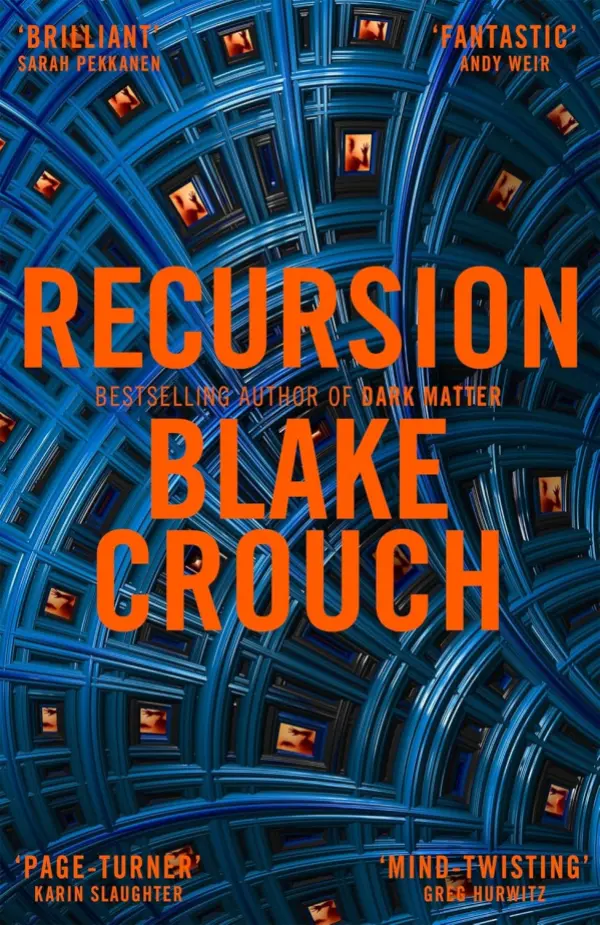
Blake Crouch
Average Goodreads rating4.4

Suzanne Collins
Hunger Games, book 1
Average Goodreads rating4.7
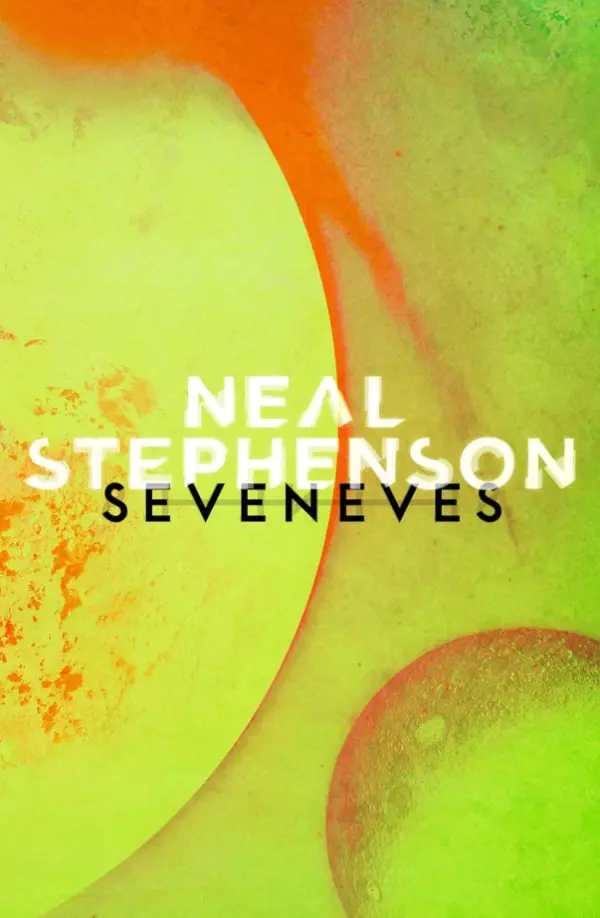
Neal Stephenson
Average Goodreads rating4.2

Brandon Sanderson
Skyward, book 1
Average Goodreads rating4.6

Neal Shusterman
Arc of a Scythe, book 1
Average Goodreads rating4.5

Christopher Ruocchio
The Sun Eater, book 1
Average Goodreads rating4.3
Occasional emails with new recommendations, series news and trope round-ups.