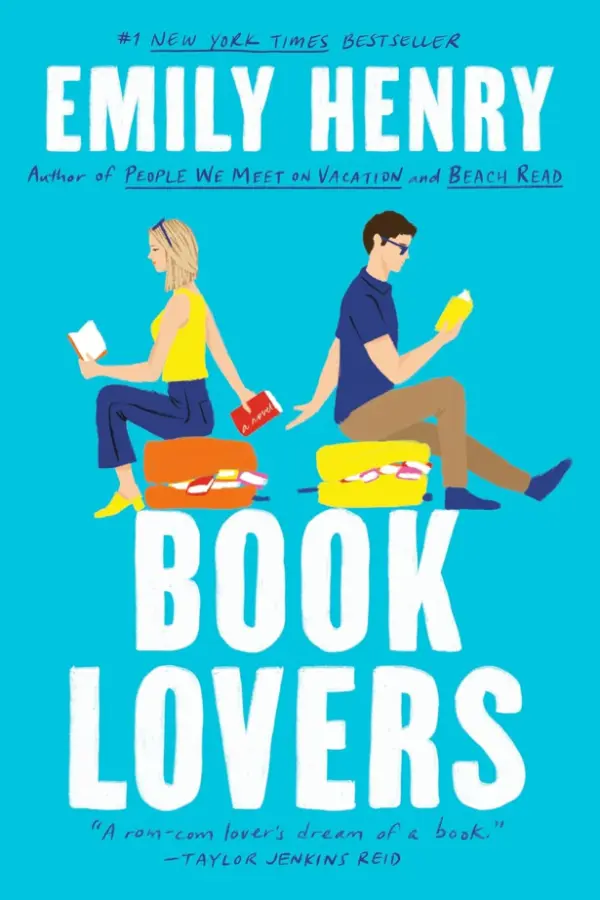
Book Lovers
Emily Henry
Average Goodreads rating4.1
- Witty Banter & Sharp Dialogue
- Small Town Romance

Book trope · 74 books
Trauma and Healing narratives center on characters grappling with psychological wounds, painful pasts, or devastating experiences whilst slowly, imperfectly finding their way toward recovery.
More about the Trauma and Healing trope32 are tagged with Trauma and Healing individually. The others belong to a series tagged with it, which doesn’t mean every book in it features the trope, so they’re marked “Matched via its series”.
Updating books…
74 books found
Emily Henry
Average Goodreads rating4.1
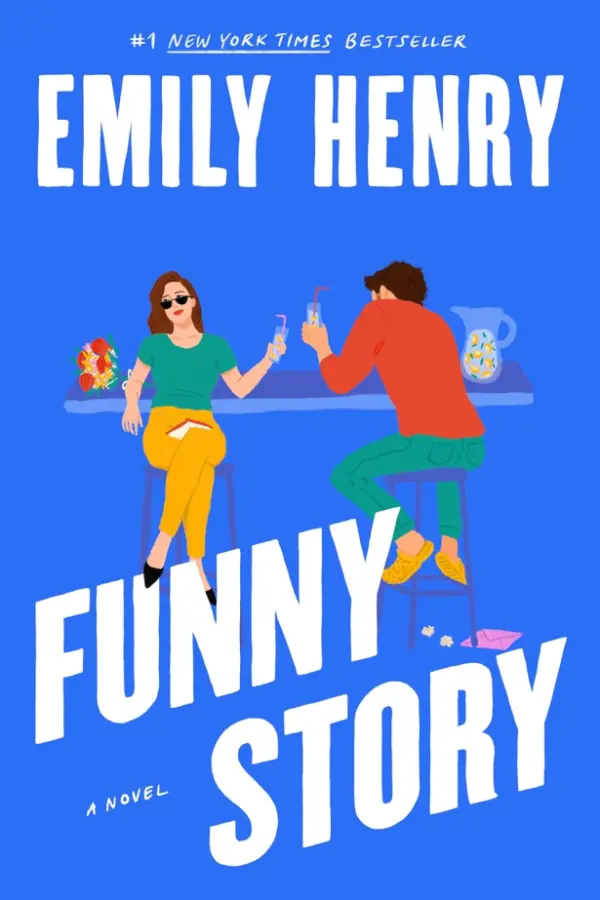
Emily Henry
Average Goodreads rating4.2
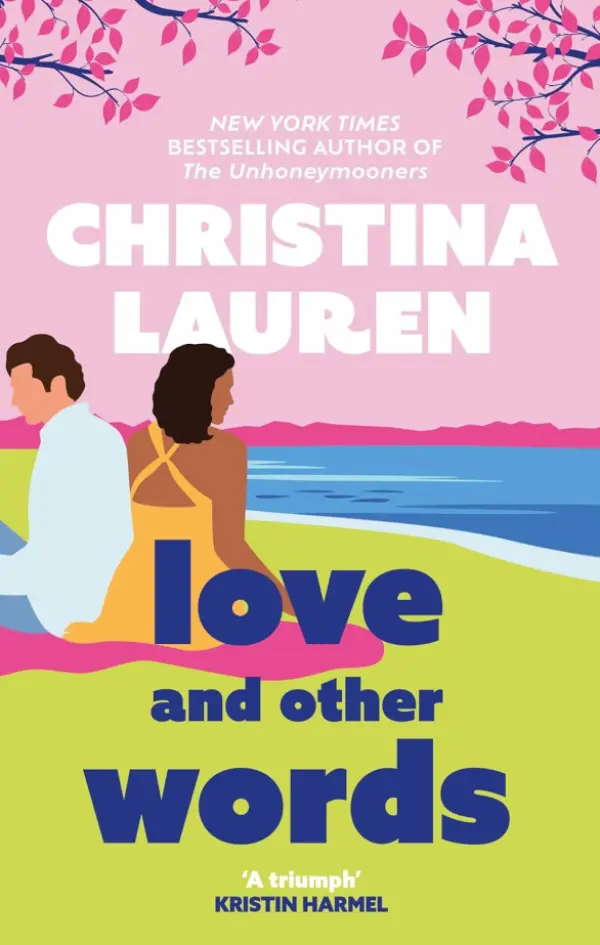
Christina Lauren
Average Goodreads rating4.2
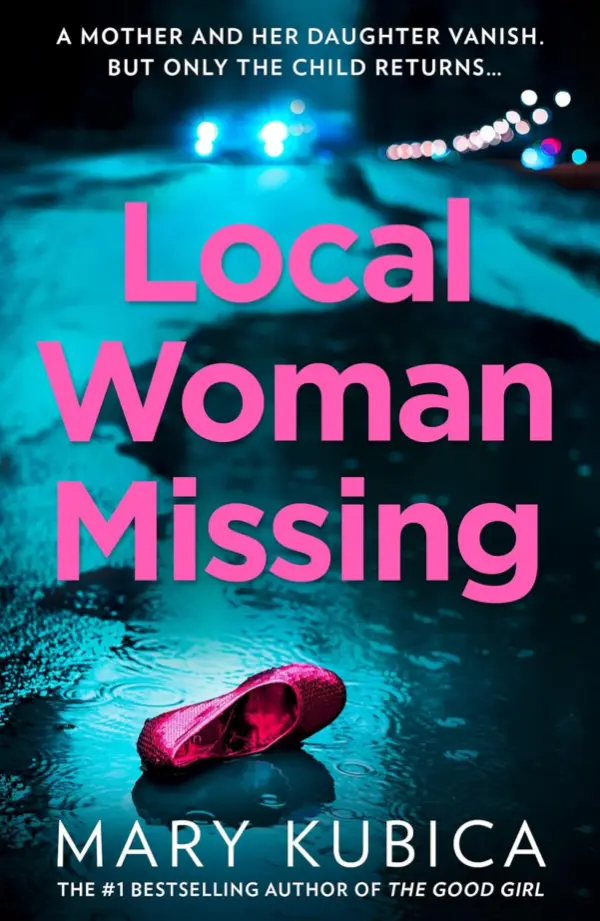
Mary Kubica
Average Goodreads rating4.1

Shari Lapena
Average Goodreads rating3.8
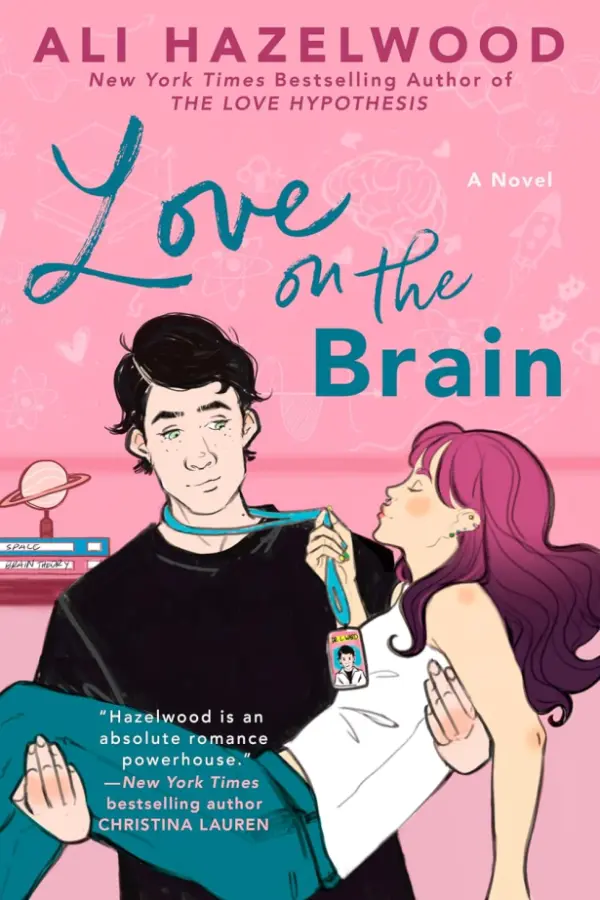
Ali Hazelwood
Average Goodreads rating3.9
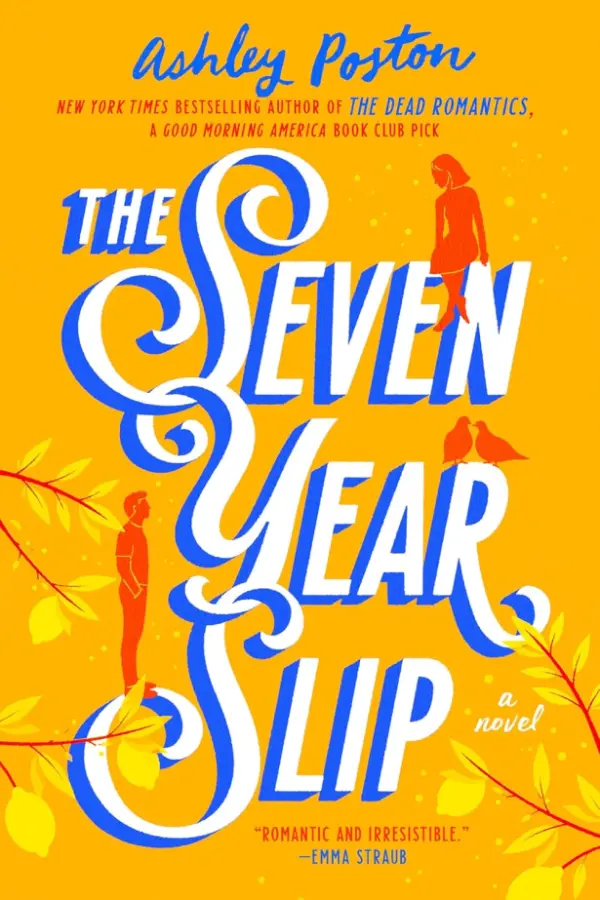
Ashley Poston
Average Goodreads rating4.1
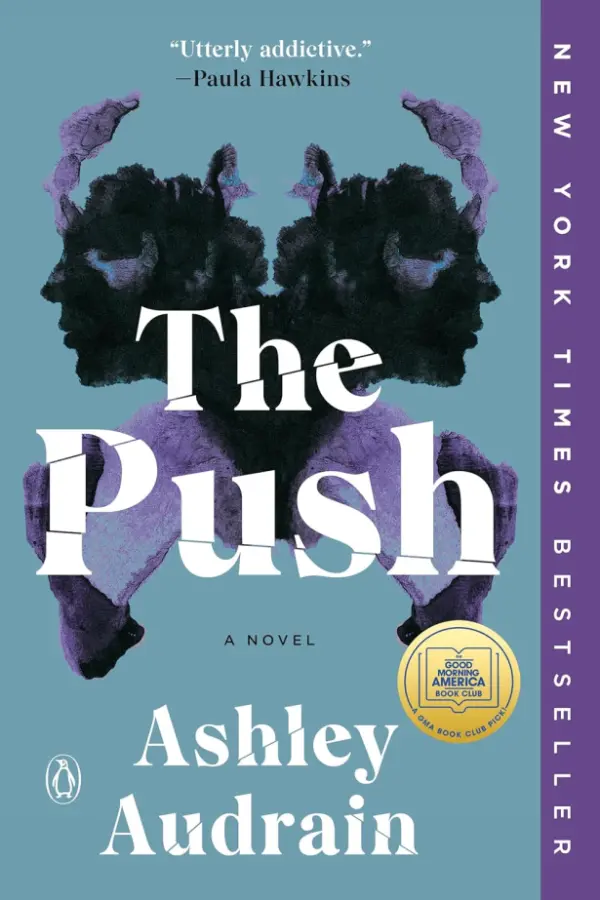
Ashley Audrain
Average Goodreads rating4.0
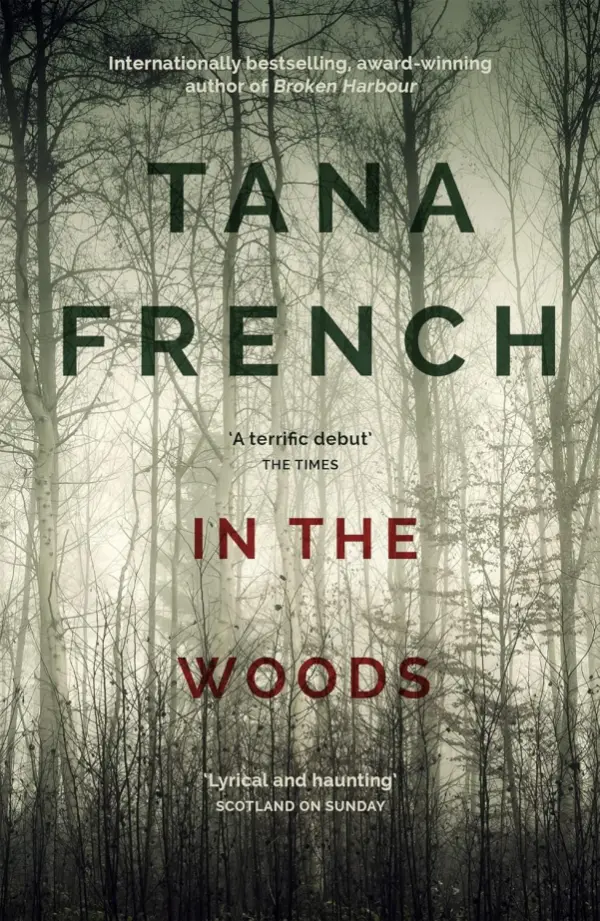
Tana French
Dublin Murder Squad, book 1
Average Goodreads rating3.8
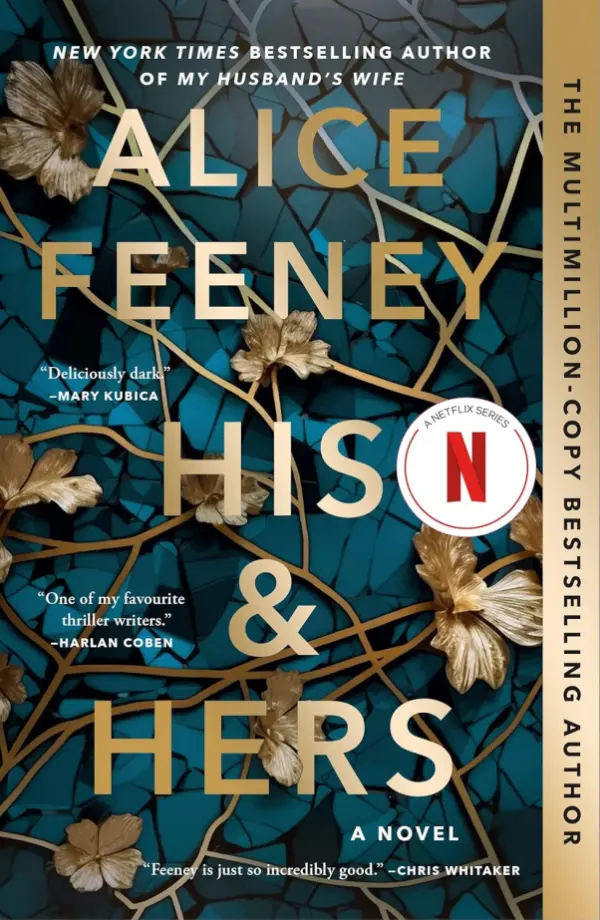
Alice Feeney
Average Goodreads rating4.1
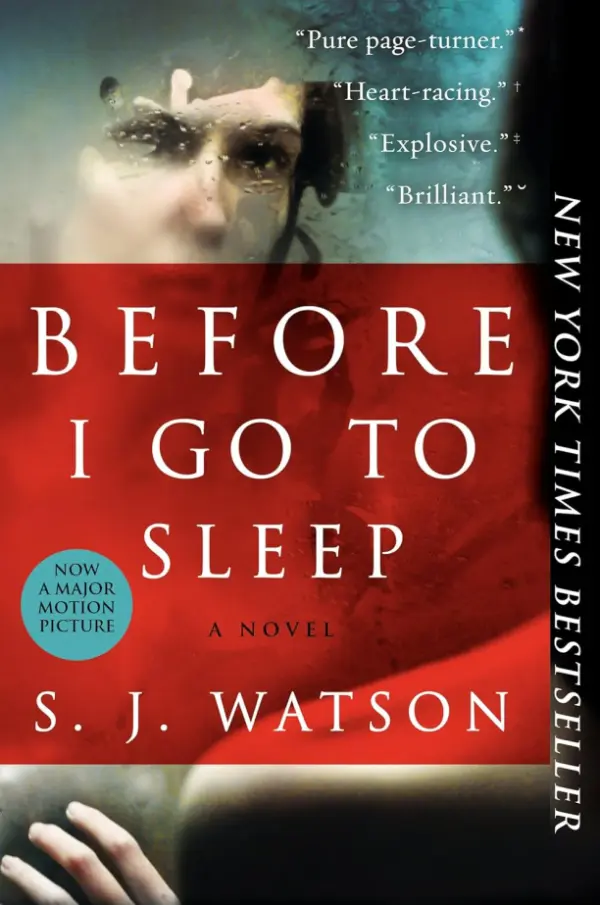
S. J. Watson
Average Goodreads rating3.9
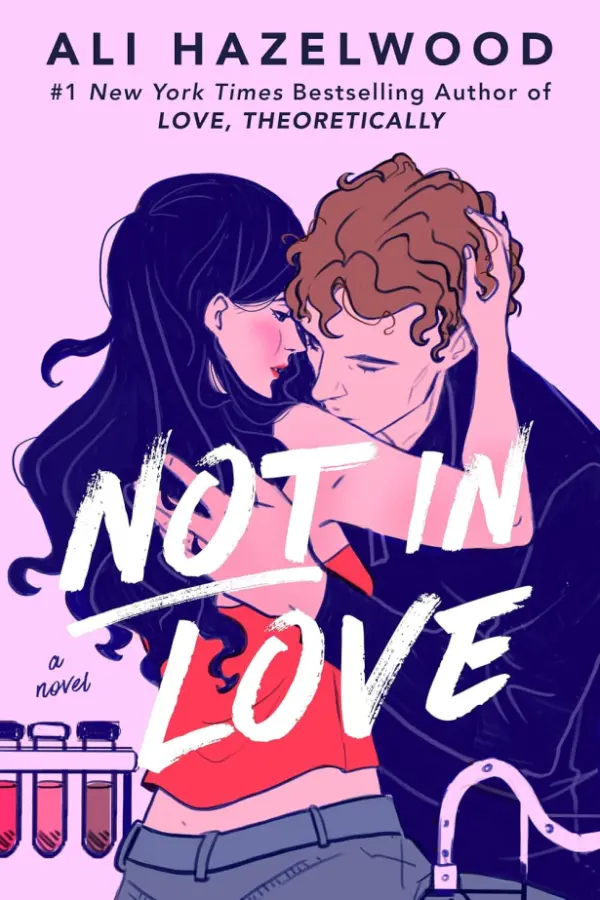
Ali Hazelwood
Average Goodreads rating3.6
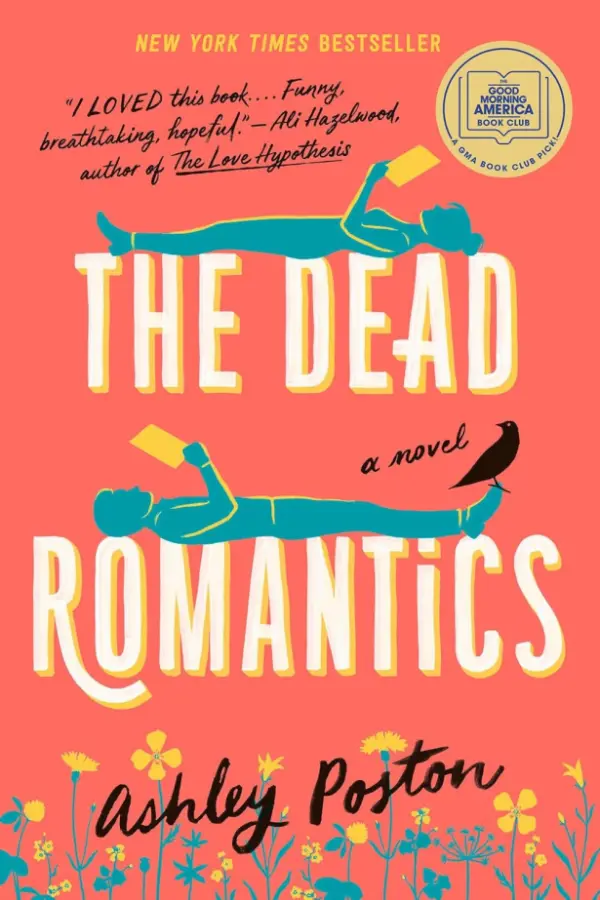
Ashley Poston
Average Goodreads rating3.9
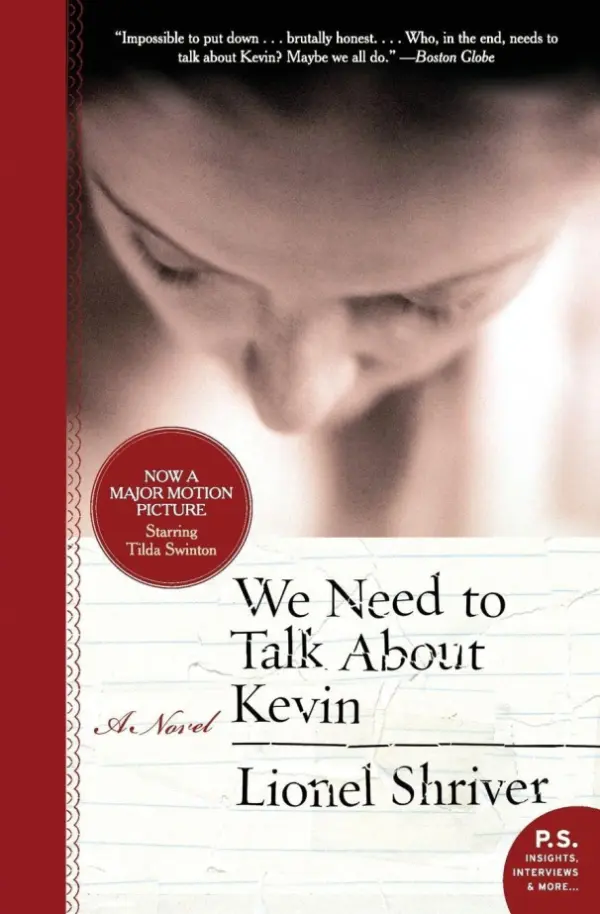
Lionel Shriver
Average Goodreads rating4.1
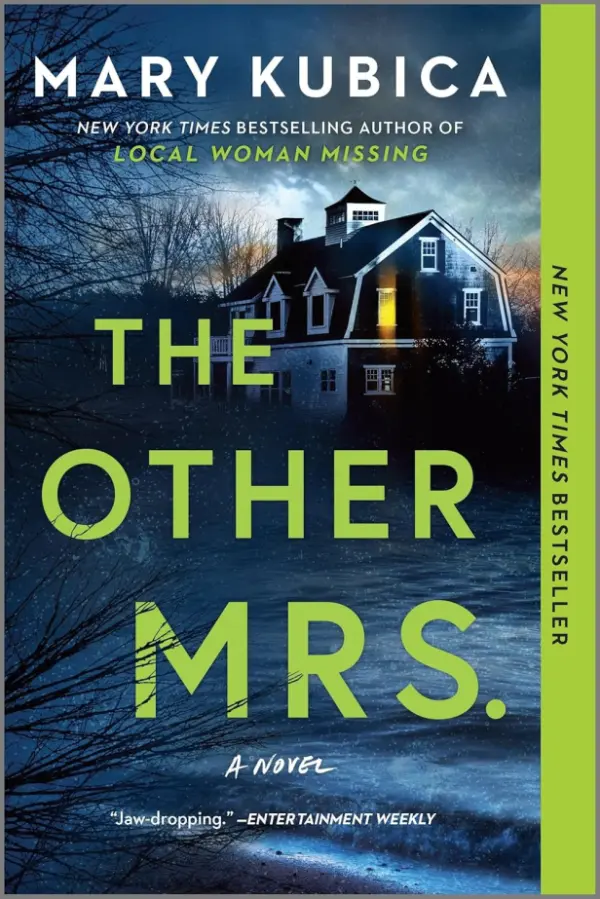
Mary Kubica
Average Goodreads rating3.7
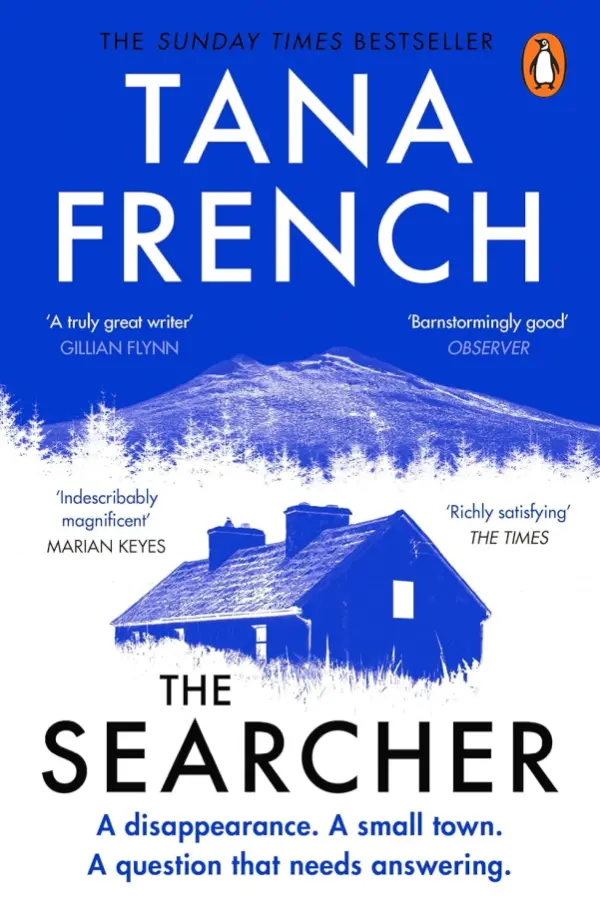
Tana French
Cal Hooper, book 1
Average Goodreads rating3.8

J. P. Delaney
Average Goodreads rating3.7
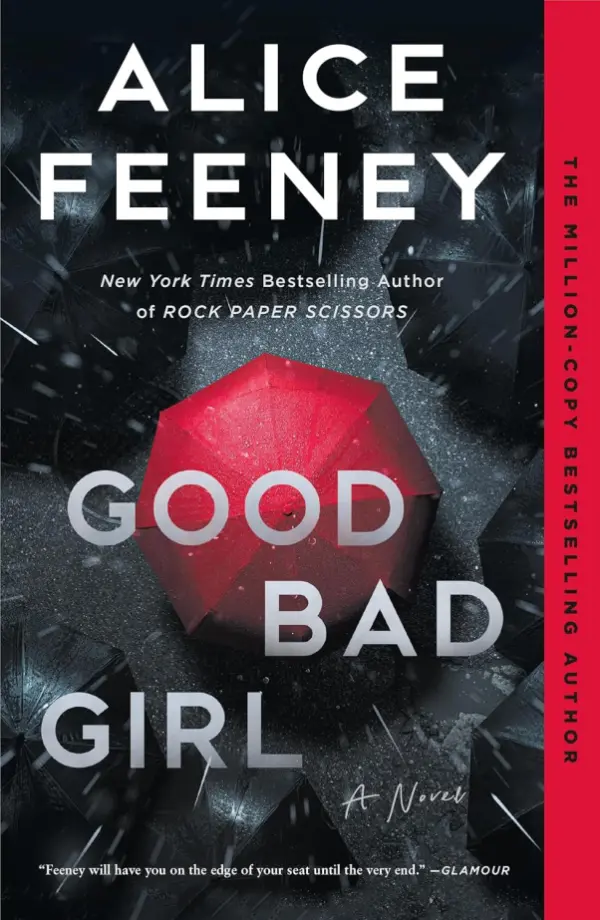
Alice Feeney
Average Goodreads rating3.7
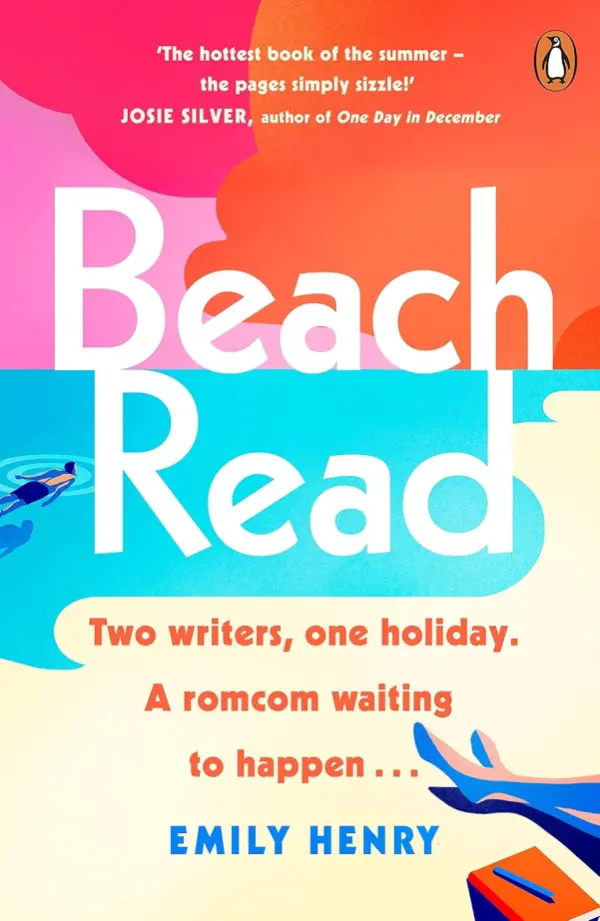
Emily Henry
Average Goodreads rating4.0
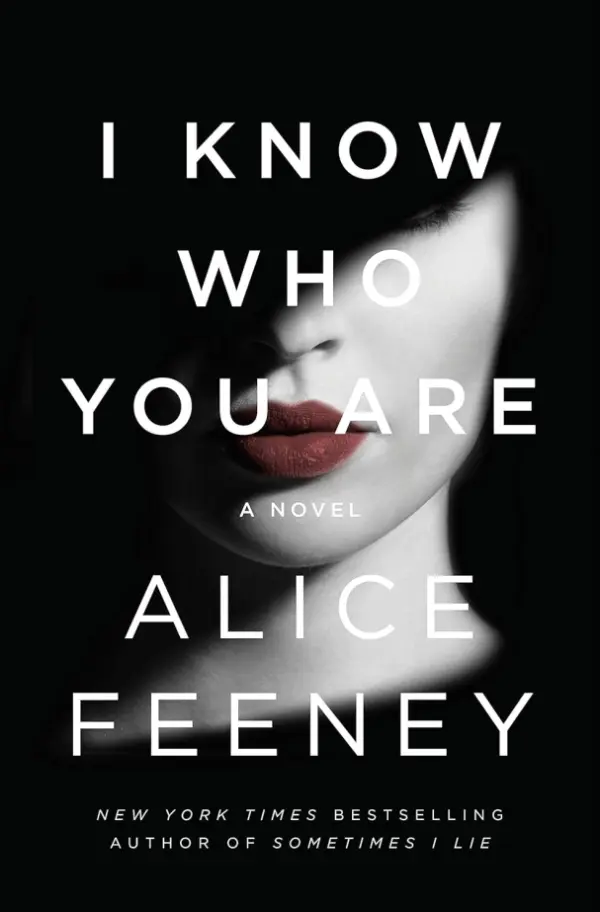
Alice Feeney
Average Goodreads rating3.4
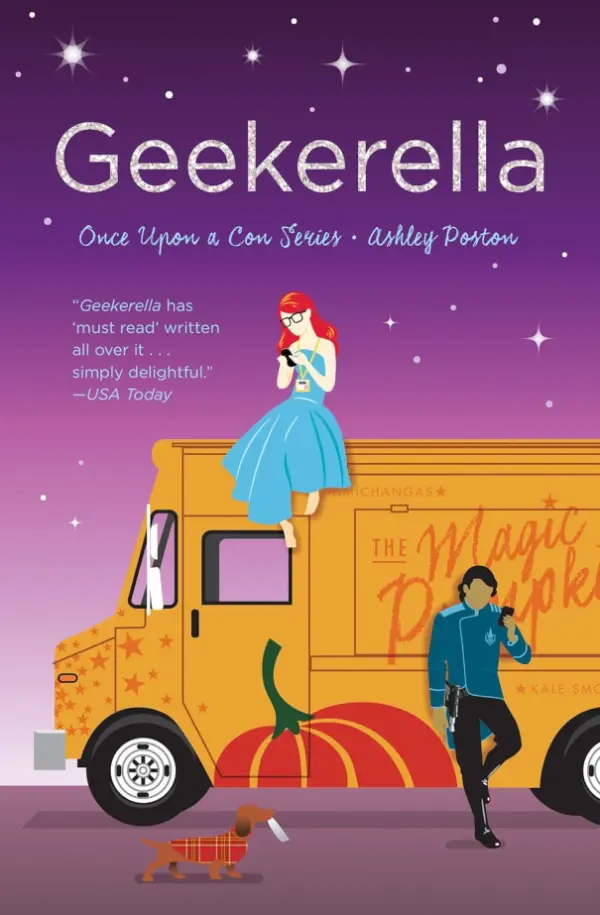
Ashley Poston
Once Upon A Con, book 1
Average Goodreads rating3.9
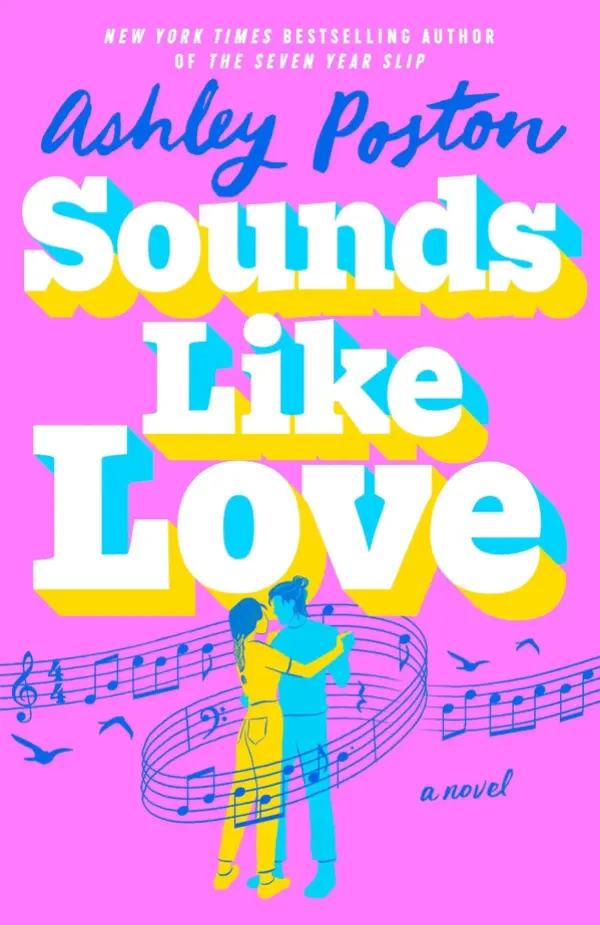
Ashley Poston
Average Goodreads rating3.8
Jennifer L. Armentrout
A Wicked Trilogy, book 1
Average Goodreads rating4.2
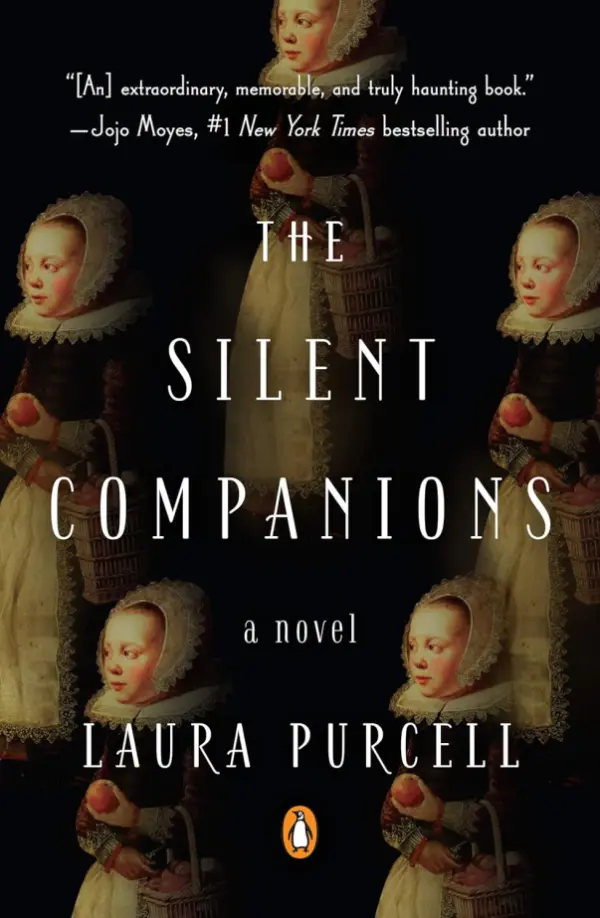
Laura Purcell
Average Goodreads rating3.9
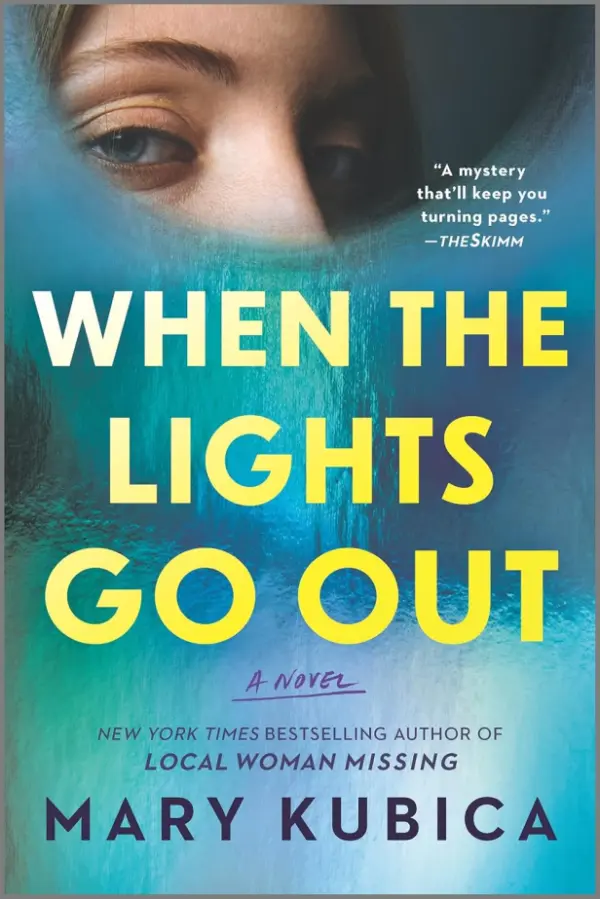
Mary Kubica
Average Goodreads rating3.2
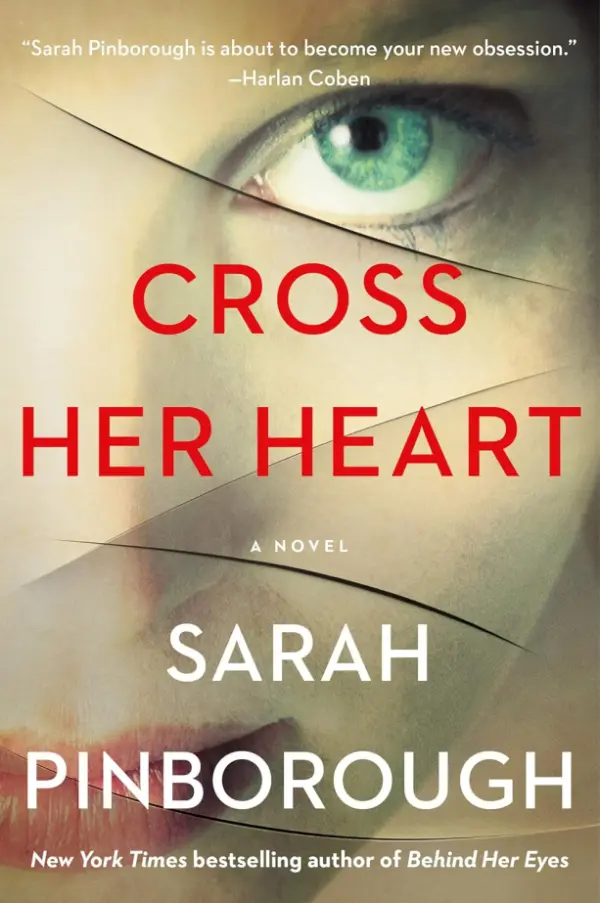
Sarah Pinborough
Average Goodreads rating3.7
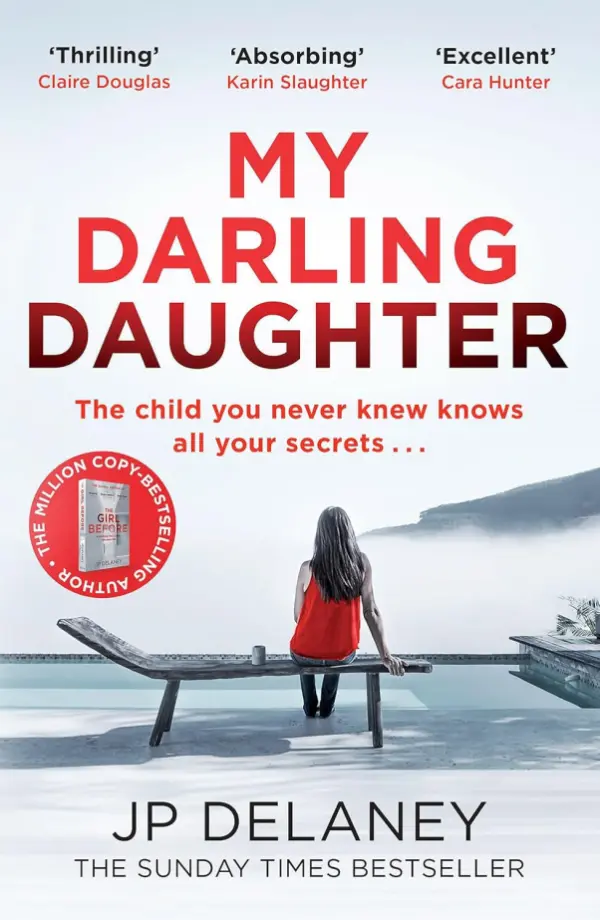
J. P. Delaney
Average Goodreads rating3.8
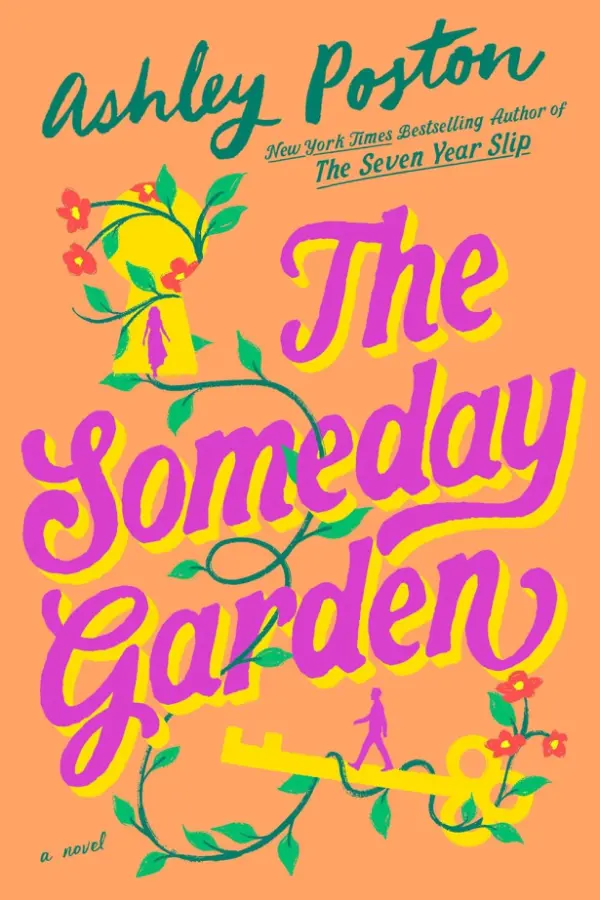
Ashley Poston
Average Goodreads rating4.1
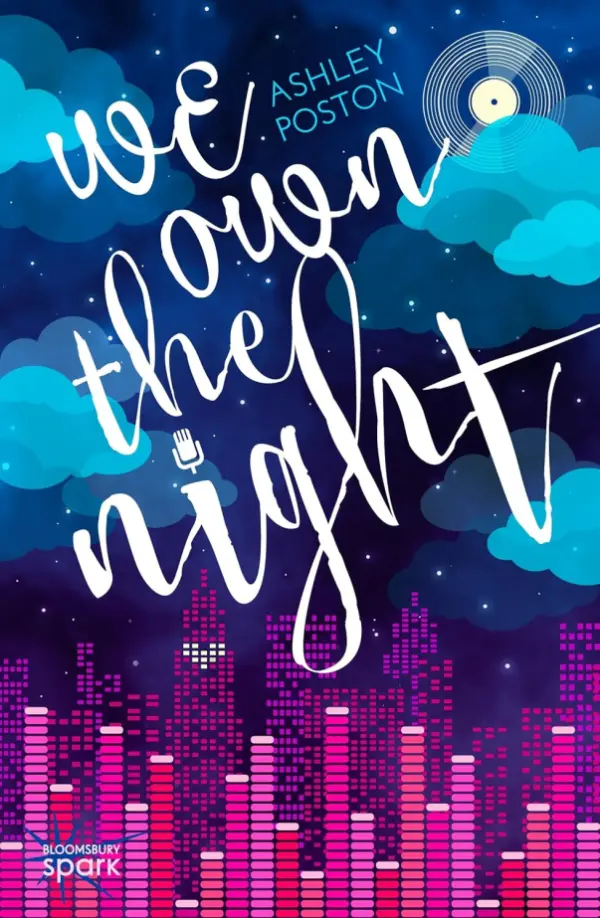
Ashley Poston
Average Goodreads rating3.8
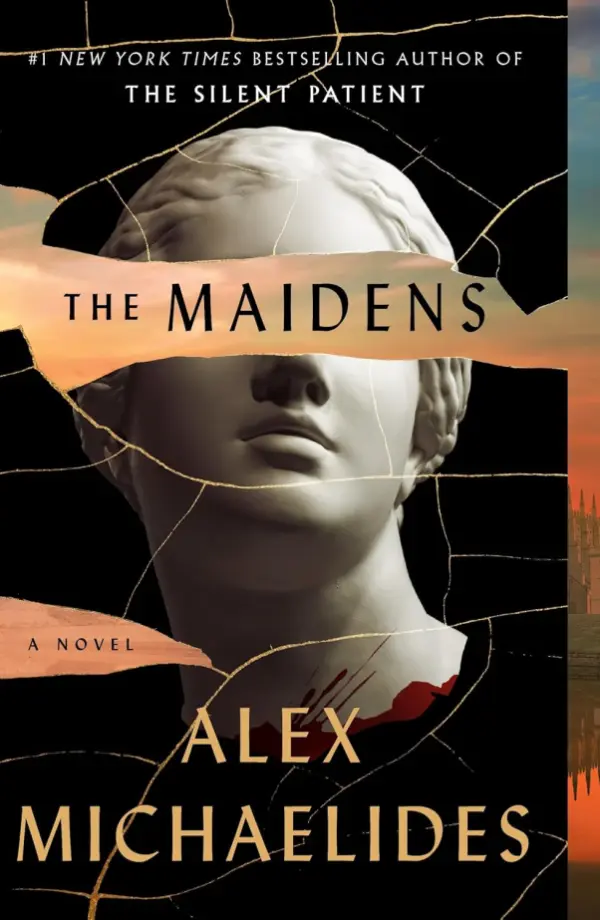
Alex Michaelides
Tropes that share the most books with Trauma and Healing
Trauma and Healing narratives center on characters grappling with psychological wounds, painful pasts, or devastating experiences whilst slowly, imperfectly finding their way toward recovery. These stories honour the messy, non-linear reality of healing - acknowledging that trauma fundamentally changes people whilst celebrating the human capacity for resilience, growth, and reclaiming agency over one's own story.
These narratives feature protagonists carrying emotional scars from abuse, loss, violence, betrayal, or other traumatic experiences that shape their behavior, relationships, and worldview. The plot isn't about the trauma itself but the aftermath - how characters learn to trust again, process their pain, develop healthy coping mechanisms, and rebuild their sense of self. Healing isn't portrayed as linear or complete; rather, it's shown as an ongoing journey with setbacks, breakthroughs, and the gradual reclamation of joy.
Common features include characters initially using unhealthy coping mechanisms, the slow build of trust with supportive figures, triggering situations that reveal unhealed wounds, the difficult work of confronting painful memories, and small victories that mark progress. These stories often incorporate found family, therapy or mentor figures, safe spaces where vulnerability is possible, and the powerful message that healing doesn't mean erasing the past - it means integrating it into a fuller, more authentic self.
These narratives validate readers' own struggles whilst offering hope that recovery is possible. They demonstrate that trauma doesn't define you, that asking for help is strength rather than weakness, and that broken things can be beautiful.
Trauma and Healing stories remind us that surviving isn't the end - it's where the real story of becoming yourself begins.
Occasional emails with new recommendations, series news and trope round-ups.