Children of Time
Adrian Tchaikovsky
Children of Time, book 1
Average Goodreads rating4.5

Book series · 2 books
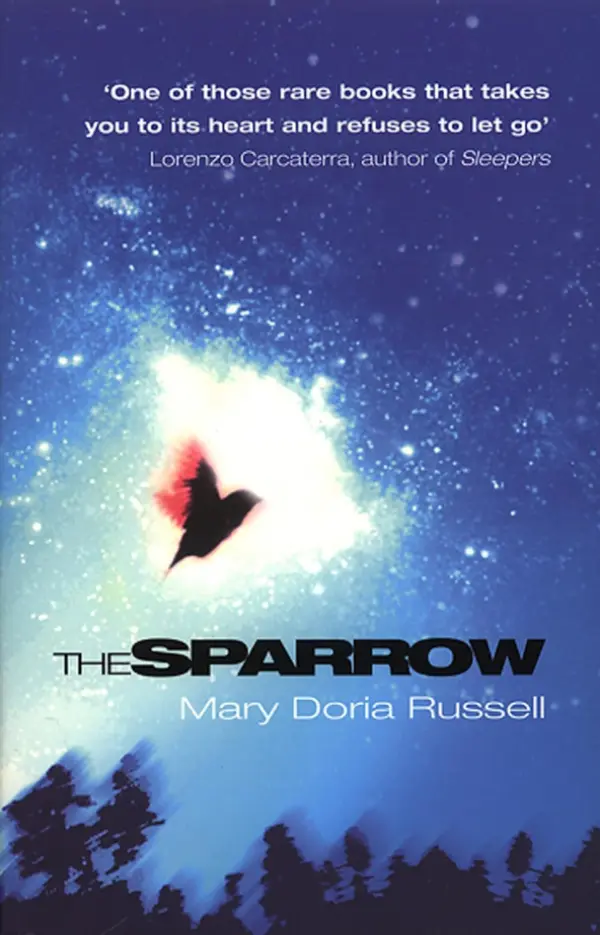
The Sparrow by Mary Doria Russell follows a Jesuit mission to planet Rakhat after detecting alien music. This duology blends first contact, anthropology, theology, and tragedy, exploring faith, cultural collision, and consequences of well-intentioned actions.
Start the series here · book 1
The Sparrow by Mary Doria Russell follows a Jesuit mission to planet Rakhat after detecting alien music. This award-winning debut blends first contact, anthropology, theology, and tragedy through alternating timelines revealing catastrophic cultural collision.
512 pages
Retailer links may earn Trope Trove a commission, at no extra cost to you.
Start here 512 pages Goodreads rating4.3
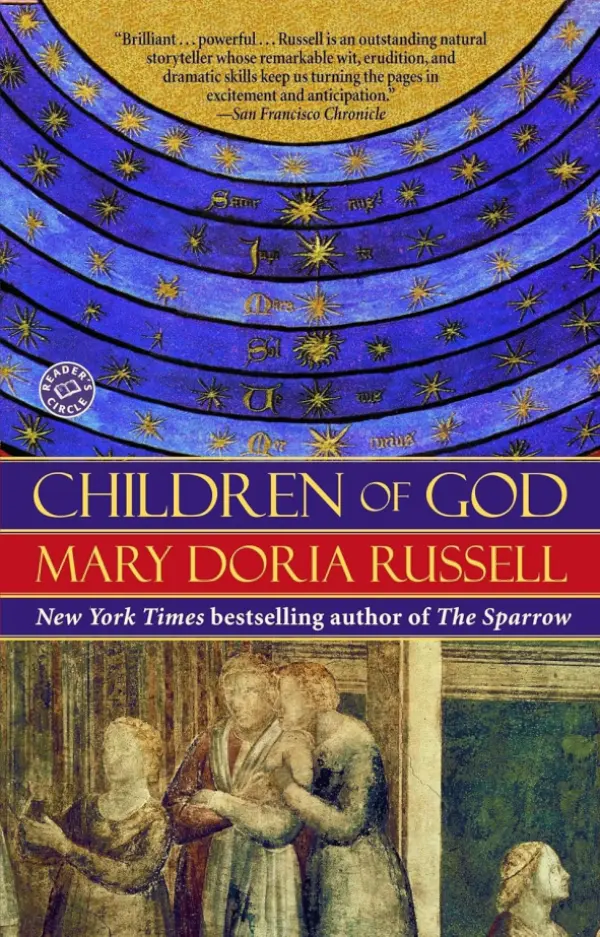
464 pages Goodreads rating4.4
The Sparrow is Mary Doria Russell's acclaimed science fiction duology comprising The Sparrow (1996) and Children of God (1998), exploring first contact between humanity and alien civilizations through the lens of a Jesuit mission to the planet Rakhat. Blending rigorous anthropological speculation, theological inquiry, and deeply human storytelling, Russell creates literary science fiction that transcends genre boundaries whilst examining profound questions about faith, suffering, cultural understanding, and whether good intentions can lead to catastrophe when encountering radically different ways of being.
The series begins when SETI detects beautiful music transmitted from the Alpha Centauri system, emanating from a planet humanity didn't know harbored intelligent life. The Society of Jesus, with its historical tradition of missionary work and cultural engagement, organizes the first mission to Rakhat, assembling a team combining scientific expertise with spiritual calling. The crew includes Jesuit priests, scientists, and specialists whose diverse perspectives and relationships form the emotional core of the narrative.
Russell structures The Sparrow through alternating timelines—the mission's hopeful beginning as the crew travels to Rakhat and explores this new world, and the devastating aftermath years later when sole survivor Emilio Sandoz returns to Earth traumatized, physically mutilated, and facing charges from the Church hierarchy trying to understand what happened. This structure creates dramatic irony as readers watch idealistic characters moving toward catastrophe they cannot foresee, whilst Sandoz's present-day interrogation slowly reveals the truth about events on Rakhat.
The alien world of Rakhat features two intelligent species—the Runa and the Jana'ata—with complex relationship Russell explores through anthropological rigor. The aliens aren't humans with prosthetics but beings with their own biology, social structures, and moral frameworks that make sense within their evolutionary and cultural contexts whilst being genuinely alien to human understanding. The mission's tragedy stems partly from cultural misunderstandings, from humans projecting their own frameworks onto alien societies they don't fully comprehend.
Children of God continues decades later as the Church and secular authorities plan return to Rakhat, forcing Sandoz—who swore never to return—to confront his trauma whilst addressing what happened after the first mission departed. The sequel explores redemption, whether understanding can emerge from catastrophe, and how both Rakhat's societies and the human characters have changed through their collision.
The series is characterized by literary science fiction quality, Jesuit mission and theological exploration, alternating timelines revealing tragedy, meticulously constructed alien biology and culture, anthropological perspective on first contact, faith tested by suffering, dramatic irony, morally complex characters, and integration of science and spirituality.
Common themes include theodicy—why God permits suffering—consequences of well-intentioned actions, cultural collision and misunderstanding, faith and doubt, anthropological observation versus participation, trauma and redemption, and whether genuine understanding between radically different beings is possible.
Russell's prose balances intellectual rigor with emotional depth, creating aliens that feel truly foreign whilst ensuring readers remain invested in human and alien characters navigating impossible situations.
What distinguishes the duology is Russell's refusal to provide easy answers about faith, suffering, or cultural engagement, instead exploring these questions with honesty that respects their complexity.
Mary Doria Russell is an award-winning author known for The Sparrow and literary science fiction blending anthropology, theology, and philosophy. Her meticulously researched novels explore faith, first contact, historical figures, and humanity's complexity.
Books, series and tropes by Mary Doria Russell
Adrian Tchaikovsky
Children of Time, book 1
Average Goodreads rating4.5

Neal Shusterman
Arc of a Scythe, book 1
Average Goodreads rating4.5

Octavia E. Butler
The Xenogenesis Trilogy, book 1
Average Goodreads rating4.3
Tahereh Mafi
Shatter Me, book 1
Average Goodreads rating4.2
Blake Crouch
Average Goodreads rating4.4
Nnedi Okorafor
Average Goodreads rating4.3
Brandon Sanderson
4 books
Hannah Kaner
3 books · complete series
Pierce Brown
6 books · complete series
Neal Shusterman
3 books
Arkady Martine
2 books
Matt Dinniman
7 books
Occasional emails with new recommendations, series news and trope round-ups.